

Drainage-focused potting blends make life easier for houseplants that hate soggy roots and for succulents that need air around them, not a heavy, wet block. You get a cleaner way to match soil to plant type, whether your shelves hold a Monstera, an aloe, or a money tree. The trick is choosing a mix that drains fast without drying out so sharply that your plant spends the week thirsty.
That balance matters even more in small apartments, bright kitchens, and indoor corners where watering habits tend to drift. The right mix can also save you from constant repotting, gritty messes, and that too-wet feeling that lingers after watering.
The Shortlist At A Glance

Miracle-Gro Organic Indoor Potting Mix, 16 qt.
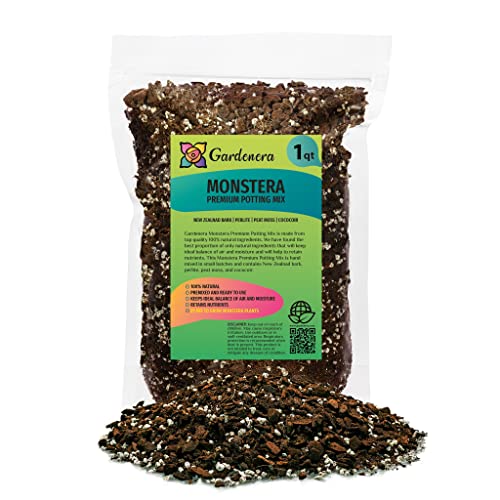
Premium Monstera Potting Soil

Premium Potting Soil Mix with Peat Moss, Vermiculite, Perlite (8 Dry Quarts)

High Drainage Cactus Soil Potting Mix with Mycorrhizal Fungi, 4 Quarts

Doter Organic Money Tree Soil Mix 1qt

Craft Organic Houseplant Potting Mix

Pre-Mixed 7in1 House Plant Potting Mix, 2QT

Houseplant Smart Gravel, Reusable Drainage Rocks, 32 oz

Professional Aloe Plant Soil Mix 2.2 Qt
More Details On Our Top Picks
This is the sort of mix that fits a busy indoor shelf without asking for perfect watering habits. The organic formula and 16-quart size suit common houseplants and starter pots, so you can repot a few containers without running out right away.
The trade-off is straightforward, soil that helps buffer overwatering still needs a pot with drainage holes and a steady hand at the watering can. Compared with the chunkier aroid blends later in this list, this one leans more general purpose, which is useful for mixed plant collections.
Strong Points
- Organic indoor formula suits everyday houseplant care.
- 16-quart bag covers several small to medium pots.
- Built for container planting, not just one plant type.
- Helpful for plant owners who sometimes water unevenly.
Things To Consider
- General-purpose soil is less specialized than cactus or aroid mixes.
- Bulkier bags still need dry storage after opening.
Feature Snapshot
Who It Suits Best
Apartment plant keepers and beginners who want one dependable indoor mix for several pots.
A Better Fit Elsewhere
Gardenera Premium Monstera Potting Soil fits better for a Monstera-heavy setup that needs a quicker-draining aroid blend.
Monstera care tends to go better with a mix that sheds extra water quickly while still holding enough around the roots to keep the plant from drying out too fast. This 1-quart bag is small, which makes sense for a focused repot or a single plant shelf, and that smaller size keeps storage simple.
Compared with Miracle-Gro Organic Indoor Potting Mix, this one is less about all-around use and more about a specific plant family. That focus helps for Monstera deliciosa and similar Swiss cheese plants, though the bag size may feel tight for anyone repotting several large containers.
What We Like
- Quick-drain behavior suits aroid roots.
- Made for Monstera and Swiss cheese plant care.
- Small bag is easy to store in tight spaces.
- Focused formula reduces guesswork for targeted repots.
Worth Noting
- 1-quart quantity is modest for larger repot jobs.
- Specialized use makes it less versatile than general indoor blends.
At A Glance
Built With In Mind
Plant owners who already know they want a Monstera-specific mix and prefer a compact bag.
Another Choice May Suit
Grow Queen Craft Organic Houseplant Potting Mix is the broader fit for mixed tropical shelves and anyone who wants a chunkier all-in-one blend.
This mix reads like a classic indoor potting base, with peat moss for moisture retention, vermiculite for water holding and aeration, and perlite for lighter structure. That combination helps you cover a wide range of common potted plants without getting locked into one specialty formula.
The 8 dry quart bag sits in a nice middle zone, larger than a tiny plant-only bag but not as bulky as a big household supply. Compared with the Monstera mix, it gives you a more general purpose setup, though it lacks the targeted aroid focus that some tropical plants prefer.
Highlights
- Peat moss, vermiculite, and perlite create a familiar indoor blend.
- Dry quart format makes it easy to portion for several pots.
- Useful for mixed plant shelves where soil needs vary.
- Simple formula feels easy to understand for newer plant owners.
Points To Note
- Less specialized than formulas built for one plant family.
- Open bags still need resealing or a storage bin to stay tidy.
Core Details
Whose Shelf It Belongs On
Home gardeners who want one straightforward mix for everyday indoor repotting.
Look Elsewhere When
Spike & Bloom High Drainage Cactus Soil Potting Mix makes more sense for succulents that need a grittier, faster-drying medium.
Succulents and cacti like a soil that drains fast and stays gritty, and this mix leans hard into that need. The slight acidity and mycorrhizal fungi detail make it feel more tuned than a plain nursery blend, especially for indoor containers that tend to stay wetter than outdoor pots.
It stands apart from the broader mixes above because it is less about moisture retention and more about staying open and airy. That said, the same gritty structure can feel too dry for leafy tropicals, so the fit is narrow in a good way.
Bright Spots
- Fast-draining, gritty texture suits desert plants.
- Mycorrhizal fungi adds a specialty touch to the blend.
- 4-quart supply works well for a few medium pots.
- Slightly acidic profile matches many cactus and succulent setups.
Small Caveats
- Specialized texture is less forgiving for moisture-loving plants.
- Grainy soil can be messier to pour and store.
- Not the right fit for plants that want a richer, damper mix.
Technical Sheet
Perfect Match For
Succulent keepers and cactus owners who want a ready-made, fast-draining medium.
Reach For A Different Pick When
Miracle-Gro Organic Indoor Potting Mix fits better for leafy indoor plants that need a softer moisture balance.
Money trees do better with a mix that gives roots some breathing room without turning into a dusty, fast-drying pile. This 1-quart blend is aimed directly at that use, so it makes sense for a tabletop tree, a small decorative pot, or a plant shelf that only needs a modest amount of soil.
Compared with the more universal Miracle-Gro and Midwest Hearth options, this one narrows the focus to a single popular houseplant. That narrow focus helps with fit, though it also means the bag size and use case are more limited than the general indoor picks.
Upsides
- Built for money tree containers.
- Small size is easy to store and handle.
- Indoor houseplant focus keeps the blend targeted.
- Good match for small repot jobs and upkeep refreshes.
Areas To Watch
- 1-quart size suits minor repotting more than major projects.
- Specialized formula gives you less flexibility across mixed plant collections.
Details At A Glance
The Right Fit
Indoor plant owners who keep one or two money trees and want a soil made for them.
Swap It Out When
Grow Queen Craft Organic Houseplant Potting Mix suits you better for a mixed indoor collection that needs one chunkier blend for several plant types.
Chunky indoor mixes often make sense for plant owners who want more air around the roots, especially with tropicals and mixed houseplant shelves. This one is also peat free, which may matter to you more than a smoother texture, and its chunky structure usually makes watering less of a guessing game.
Compared with Doter’s money tree soil, this mix is broader and more texture-forward, so it suits a wider indoor collection. The honest read is that chunky blends can feel a little messy at first, but they tend to reward careful watering habits.
Reasons To Buy
- Chunky texture supports airflow around roots.
- Peat-free formula fits a more modern houseplant setup.
- Useful for tropical plants, flowers, and mixed indoor pots.
- 2-quart bag is manageable for small repots.
- Less dense mix can make overwatering less likely in practice.
Room For Improvement
- Chunkier texture is not as tidy to handle as finer blends.
- Smaller bag size limits larger collection refreshes.
Spec Overview
Who Will Love This
Houseplant owners with tropicals on bright shelves who want a chunky mix that feels a little more airy.
Not Your Match When
Midwest Hearth Premium Potting Soil Mix is the cleaner fit for someone who wants a more classic peat, vermiculite, and perlite blend.
This mix aims for the houseplant owner who likes a more layered, ingredient-rich blend. Pine bark, pumice, coco coir, perlite, worm castings, gypsum, and peat moss each play a different role, so the result is the kind of soil that can feel carefully built rather than simply mixed.
That level of detail is helpful for tropical plants and aroid shelves, especially in rooms where watering habits vary from week to week. Compare it with Craft Organic Houseplant Potting Mix, and you get a more ingredient-specific formula here, though the small 2QT bag means you will likely use it for targeted projects.
Best Bits
- Seven-part blend gives the pot a layered structure.
- Root airflow and drainage are built into the mix concept.
- Good fit for tropical indoor plants and collections.
- Ingredient mix offers more control than simpler all-purpose soils.
Honest Caveats
- Detailed ingredient lists can feel more technical than necessary for casual plant keepers.
- 2QT bag is suited to spot repotting, not major room-wide refreshes.
- More ingredients can mean a higher learning curve for new plant owners.
Feature Rundown
Who Should Grab It
Plant collectors who like ingredient-dense mixes for tropical containers and smaller repots.
Where A Sibling Pick Shines
Miracle-Gro Organic Indoor Potting Mix is the easier all-purpose option for someone who wants less complexity and broader use.
This is not a potting mix in the usual sense, it’s a drainage aid for pots that need a layer of movement under the soil. Reusable gravel makes sense for decorative planters, plant stands, and situations where you want to improve the feel of the pot base without changing the whole soil recipe.
It sits apart from the other picks because it works beside the soil rather than replacing it. For some setups that’s enough, though plant owners with already tight watering control may prefer a true mix like the aloe or cactus blends instead.
Plus Points
- Reusable gravel can serve in more than one pot.
- Useful for creating a drainage layer under soil.
- Compact 32 oz size is easy to store.
- Works well in decorative containers and plant displays.
Minor Gripes
- It does not replace a full potting mix.
- Best used as a helper product, not a standalone solution.
Quick Facts
Right Fit
Shoppers who already have a soil mix and want a simple add-on for pot drainage and presentation.
Skip It When
Spike & Bloom High Drainage Cactus Soil Potting Mix is a better choice when the plant itself needs a complete gritty growing medium.
Aloe likes a lean, fast-draining home, and this mix is built around that basic need. Pine bark, peat moss, and coarse sand create a drier, grittier profile than the indoor houseplant blends earlier in the list, so the pot stays better suited to desert-style watering habits.
That focused formula makes sense for aloe vera on a sunny windowsill, especially in a pot with drainage holes. Compared with Houseplant Smart Gravel, this is the full growing medium, while the gravel is only a helper layer, so this pick is the more practical choice for actual planting.
Standout Traits
- Ready-to-use blend suits aloe vera pots.
- Fast drainage helps the pot stay on the dry side.
- Pine bark, peat moss, and coarse sand create a textured mix.
- Small 2.2-quart size works well for focused repots.
Softer Spots
- Specialty focus makes it less flexible for leafy houseplants.
- Smaller quantity suits single-plant use more than bulk projects.
Feature Card
Made For
Aloe owners who want a ready-mixed soil that matches the plant’s dry, airy preferences.
Where Shoppers Go Wrong
Miracle-Gro Organic Indoor Potting Mix is the better match for leafy plants that need more moisture retention than aloe does.
How To Choose The Right Drainage Potting Soils
Match Soil Texture To Plant Type
Drainage potting soils are not all trying to solve the same problem. A cactus mix, for example, stays grittier and drier than an indoor houseplant blend, while a Monstera mix aims for fast runoff with enough organic material to keep roots from drying too sharply.
The useful question is simple: does the plant like steady moisture, or does it prefer a pot that dries out quickly between waterings? Leafy tropicals usually like an airy, moisture-balanced blend, while succulents and aloe need more open structure and less water-holding material.
Check Ingredient Roles, Not Just Names
Some ingredients matter because of the way they change the pot. Perlite lightens the mix and improves air space, vermiculite holds moisture longer, and coarse sand or pumice speeds drainage by keeping the blend open.
Chunky additions such as bark or coco coir can also shift how the soil behaves in your hands and in the pot. You want enough structure to support the plant, but not so much dense material that roots sit wet after every watering.
Think About Pot Size And Care Routine
Smaller 1 to 2 quart bags are handy for one plant, a shelf refresh, or a compact apartment setup. Larger bags make more sense for several repots, especially when you keep a group of indoor plants that all use similar soil.
Your watering routine matters just as much as the formula. A fast-draining mix can still work poorly in a pot without drainage holes, and a moisture-friendly blend can still become trouble in a container that stays shaded and cool.
Choose Specialties Only When They Fit
Specialty mixes make sense when you already know the plant’s habits. Aloe, money tree, cactus, and Monstera all benefit from different soil behavior, so a targeted mix can remove guesswork.
General indoor blends suit mixed shelves better, especially for plant owners who want one bag for several pots. That said, a more specific mix is usually the cleaner choice when one plant keeps showing the same watering problem.
Things Worth Knowing First
Mistakes Worth Dodging
One common slip-up is choosing a mix for the plant label alone and ignoring the pot itself. Even a well-draining blend can stay soggy in a cachepot or a container with no outlet for extra water.
Another is buying a specialty mix for a single plant and then expecting it to behave like a universal houseplant soil. The smarter move is to match the mix to the plant family and your actual watering habits.
What The Higher Tier Buys
More expensive mixes usually earn their keep through ingredient variety and tighter plant matching. You may see bark, pumice, coco coir, worm castings, and other materials that change air flow, texture, and moisture balance in a more deliberate way.
That extra detail matters most for collections with picky tropicals or plants that have already struggled in basic soil. For a simple shelf of easy houseplants, a straightforward blend can still be enough and may feel less fussy to use.
Frequently Asked Questions
What makes a potting mix good for drainage?
A good drainage mix uses ingredients that keep air moving through the pot instead of packing down too tightly. Bark, perlite, pumice, sand, and similar materials all help the soil dry at a more controlled pace.
Can you use cactus soil for houseplants?
You can use it for drought-tolerant houseplants, but it often feels too dry for moisture-loving tropicals. Leafier plants usually do better in a more balanced indoor mix.
Do drainage rocks replace potting soil?
No, drainage rocks are a helper layer, not a full growing medium. They work best under soil or in decorative pot setups, not as the only material in the pot.
How much soil do you need for one repot?
That depends on pot size, but small bags around 1 to 2 quarts usually cover a single tabletop plant or a compact refresh. Larger pots and multiple containers need a bigger bag or a second purchase.
What is the easiest mix for a beginner?
A general indoor houseplant mix is usually the simplest starting point because it works for a wider range of plants. Specialty blends make more sense once you know a plant wants cactus-style dryness or Monstera-style airflow.
