You want a blade that matches your machine, your yard, and the kind of growth you cut most often. Thin grass, tangled weeds, and woody brush each ask for a different tooth count, diameter, and mounting setup, so the wrong pick can feel clumsy fast.
This roundup keeps the focus on fit, durability, and everyday ownership. You’ll see where carbide tipped edges help, where simpler carbon steel makes more sense, and which options suit straight shaft trimmers, adapter kits, or specific cutter heads.
The Shortlist At A Glance
Kurt-Saw 2-Pack 9-Inch 36-Tooth Carbide Tipped Blades
AR-PRO (2-Set) 10-Inch 80T Carbide Tip Brush Blades
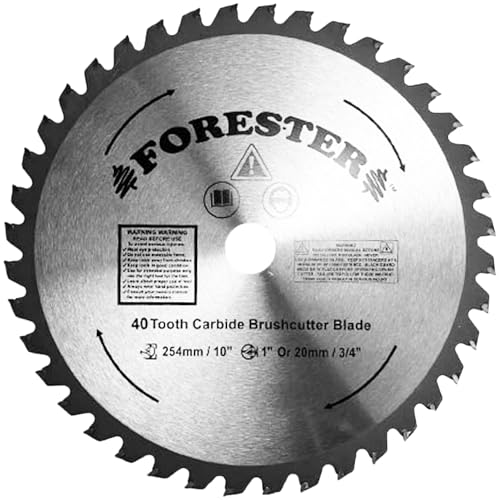
FORESTER Carbide Tip Brush Cutter Blade 10-Inch 40-Tooth
Husqvarna Brushcutter Scarlett Blade 8-Inch 22 Tooth 596279601

HK 2 Pack 9-Inch 36-Tooth Carbide Tip Brush Cutter Blades

FourShow 9-Piece Brush Cutter Replacement Blades for Weed Warrior Head
KAKO 2-Pack 9-Inch 20-Tooth Chainsaw Tooth Brush Cutter Blade
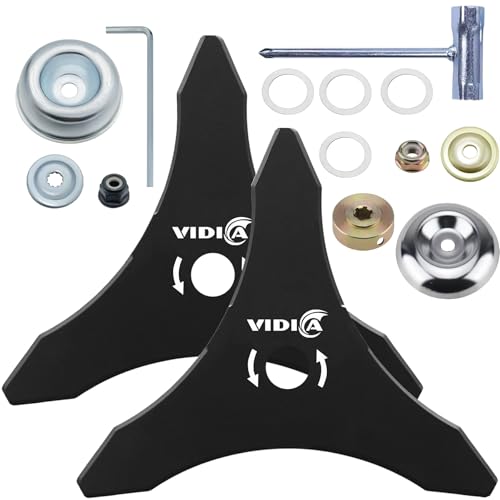
VIDICA 2 Pack Carbon Steel Brush Cutter Blades 10-Inch 3-Tooth
VIDICA 9-Inch 36-Tooth Carbide Tipped Blade and 10-Inch 3-Tooth Carbon Steel Brush Cutter Blades
IRONHIT 3-Blade Brush Cutter Set with Adaptor Kits
More Details On Our Top Picks
The 9-inch size keeps this Kurt-Saw set in a familiar middle ground, and the 36-tooth layout gives you a cleaner cut than a basic grass blade without pushing into overly aggressive territory. For suburban lots with mixed weeds, that balance usually matters more than raw bite.
Carbide tipped teeth are a sensible choice for harder growth, since carbide is a wear-resistant cutting material that tends to hold its edge longer than plain steel. The trade-off is weight and a more deliberate pace, so you’ll appreciate it more in thick patches than on delicate edging work.
Strong Points
- 36 teeth offer a steadier cut through mixed growth.
- Carbide tips suit tougher brush better than standard steel edges.
- Two-pack format helps you keep a spare on hand.
- 9-inch diameter fits a broad range of routine yard jobs.
Things To Consider
- Carbide tipped blades usually ask for more careful handling in storage.
- Thicker brush can slow the pace compared with a more aggressive tooth pattern.
Quick Facts
Who It Suits Best
Yards with mixed weeds and light brush benefit most from this style of blade, especially when you want a dependable all-around setup.
Where A Sibling Pick Shines
AR-PRO 10-Inch 80T Carbide Tip Brush Blades suit homeowners who want a finer tooth pattern for cleaner trimming in lighter growth.
The 80-tooth layout makes this AR-PRO set the most detail-minded pick in the group. Compared with the Kurt-Saw blade above, it leans toward a finer finish, which can matter in lighter vegetation or along places where you want a tidier pass.
The stainless steel body adds a corrosion-resistant material to the picture, and that usually helps with storage in damp sheds or garages. The trade-off is that very fine-tooth blades often feel less forgiving in dense, woody brush, so this one fits cleaner trimming better than brute-force clearing.
What We Like
- 80 teeth support a very fine cutting pattern.
- Stainless steel construction suits long-term storage in humid spaces.
- Two blades in the set give you a practical backup.
- 10-inch size offers a wider sweep than a compact 8-inch blade.
Minor Gripes
- Fine teeth are less relaxed in thick brush.
- Heavier growth may ask for slower, more careful passes.
Feature Snapshot
Made For
Trim work around fence lines, softer weeds, and tidy yard edges suits this blade better than rugged clearing jobs.
Skip It When
IRONHIT 3-Blade Brush Cutter Set with Adaptor Kits makes more sense for someone who wants multiple blade styles in one package.
FORESTER takes a practical middle path with its 10-inch, 40-tooth profile, and that makes sense for many straight shaft trimmers. Compared with the 80-tooth AR-PRO blade, it should feel less delicate in mixed growth while still staying more refined than a low-tooth brush hog style blade.
The separate conversion kit note matters because it signals a setup requirement rather than a universal fit. That’s useful information for anyone upgrading a trimmer into a more capable cutter, though it also means you’ll want to check your mounting hardware before ordering.
Positives
- 40 teeth land in a useful middle zone for mixed growth.
- 10-inch diameter gives you decent coverage without feeling oversized.
- Designed around most straight shaft trimmers.
- Carbide tipped edges suit harder stems better than plain steel.
- Good bridge option for conversion setups.
Softer Spots
- The conversion kit mention means setup may take a little extra planning.
- Very fine finish work is not its main strength.
Spec Overview
Right Fit For
Anyone moving from a standard trimmer setup into heavier yard work will get the most from this blade.
Look Elsewhere When
Husqvarna Brushcutter Scarlett Blade 8-Inch 22 Tooth 596279601 suits tighter spaces better, especially around borders and detailed edge work.
The smaller 8-inch diameter makes this blade feel more nimble than the 9- and 10-inch options above. That can matter around retaining walls, narrow strips, and areas where a big sweep feels awkward, especially in a crowded yard.
With 22 teeth, this blade leans toward a less aggressive cut, so it’s a reasonable match for lighter brush and border maintenance. The honest read is that it’s less about brute force and more about controlled trimming, which suits careful work near obstacles.
Upsides
- 8-inch size keeps the blade compact and easier to manage.
- 22 teeth support controlled trimming in tighter spaces.
- Useful where a smaller swing helps with precision.
- Fits the needs of routine edge cleanup well.
Areas To Watch
- Smaller diameter means less reach on broader stretches of growth.
- Lower tooth count is not built for very fine finish work.
Details At A Glance
Who Will Love This
Homeowners with smaller yards or detailed border work will appreciate the compact size and calmer cutting feel.
A Better Fit Elsewhere
Kurt-Saw 2-Pack 9-Inch 36-Tooth Carbide Tipped Blades makes more sense for broader mixed-growth jobs that call for a little more bite.
HK keeps the familiar 9-inch, 36-tooth format and adds broad compatibility language, which is exactly the sort of thing that helps when your trimmer already has a few accessory possibilities. Compared with the more specialized FORESTER and Husqvarna options, this one reads like a flexible replacement choice for a shared tool shed.
Carbide tipped teeth give you the same basic durability advantage you saw in the Kurt-Saw blade, so the focus is on holding up through rougher growth instead of chasing a polished finish. That makes it a sensible pick for regular yard work where you want steady performance and an easy backup pair.
Best Bits
- 9-inch size stays versatile for general trimming.
- 36 teeth create a balanced cut profile.
- Carbide tips are a good match for tougher weeds.
- Two-pack format helps with replacement planning.
- Compatibility language suits mixed-brand tool setups.
Worth Noting
- Compatibility still depends on your exact shaft and mount setup.
- General-purpose design may not feel as specialized as a dedicated heavy brush blade.
Core Details
Whose Shelf It Belongs On
DIY yard owners who swap accessories across a few tools will likely get the most value from this blade set.
Swap It Out When
FourShow 9-Piece Brush Cutter Replacement Blades for Weed Warrior Head is the tighter fit for someone replacing parts on that specific head system.
This FourShow pack is a much more targeted choice than the universal blades above, because it’s built around the Weed Warrior brush cutter head. That specificity is useful in real ownership, since replacement parts are often easiest to live with when the fit is already narrowed down for you.
You also get nine pieces, which helps stretch maintenance over a longer period instead of buying one blade at a time. The trade-off is obvious, though, since this is a system-specific pack and not a broad-fit option for every trimmer in the shed.
Highlights
- Nine-piece pack supports longer-term replacement planning.
- Weed Warrior head compatibility narrows the fit guesswork.
- Good option for owners who keep one dedicated setup.
- Replacement parts format keeps maintenance straightforward.
Small Caveats
- Fit is tied to a specific brush cutter head.
- Less useful for mixed-tool households that need universal spacing.
Feature Card
Built With In Mind
Owners who already rely on a Weed Warrior head will find this pack the most natural replacement path.
Another Choice May Suit
VIDICA 2 Pack Carbon Steel Brush Cutter Blades 10-Inch 3-Tooth makes more sense for shoppers who need a broader, heavier-growth cutting style.
The chainsaw-tooth profile is the story here, and that matters because it signals a more aggressive bite than the 36- or 40-tooth blades earlier in the list. For thicker weeds, overgrowth, and rougher patches, that style often feels more decisive, though it can be less subtle around finished edges.
The two-pack setup keeps the purchase practical, especially for properties where blade wear comes on faster in heavier growth. The trade-off is that the tooth shape is a little more purposeful than gentle, so this is a stronger fit for clearing than for manicured touch-ups.
Reasons To Buy
- Chainsaw tooth design adds a more forceful cutting style.
- 9-inch size keeps it manageable.
- Two blades give you a sensible spare.
- Better suited to rougher yard cleanup than fine finish work.
Points To Note
- More aggressive teeth can feel less forgiving near borders.
- Owners who want a polished edge may prefer a finer-tooth blade.
Technical Sheet
The Right Fit
Property owners dealing with coarse weeds and occasional small saplings will likely prefer this blade’s stronger bite.
Reach For A Different Pick When
AR-PRO (2-Set) 10-Inch 80T Carbide Tip Brush Blades suit cleaner edge work and lighter growth far better.
VIDICA goes in the opposite direction from the fine-tooth AR-PRO blade, because a 3-tooth design is built for simpler, more direct cutting. That can be a good thing in open areas with thicker weeds, where fewer teeth often mean less hesitation and a more straightforward pass.
The 20 mm or 25.4 mm arbor compatibility is especially helpful because arbor size is one of the easiest points to get wrong. Carbon steel is also simpler to live with than carbide tipped edges, though you give up some edge longevity in exchange for that more basic build.
Positives
- 3-tooth layout is well suited to rougher growth.
- 10-inch diameter gives you broader sweep coverage.
- 20 mm and 25.4 mm arbor support adds useful fit flexibility.
- Carbon steel keeps the design straightforward.
Room For Improvement
- Basic steel edges usually need more attentive care over time.
- Less refined than higher tooth-count blades for tidy trimming.
Core Details
Perfect Match For
Open yard edges and thick grass patches suit this simple blade style well.
Skip It When
FORESTER Carbide Tip Brush Cutter Blade 10-Inch 40-Tooth makes more sense for someone who wants a smoother compromise between bite and finish.
This VIDICA set is useful because it gives you two very different cutting personalities in one package. Compared with the single-style blades above, that means you can keep a finer 36-tooth carbide tipped option for cleaner passes and a 3-tooth carbon steel blade for tougher, rougher spots.
The universal weed wacker adapters widen the practical appeal, especially for someone who owns more than one machine or expects to swap setups occasionally. The trade-off is that bundled versatility can also mean a little more time spent checking fit before installation, so it rewards careful setup.
What We Like
- Two different blade styles cover more yard conditions.
- Carbide tipped option suits cleaner trimming.
- 3-tooth carbon steel blade handles rougher growth well.
- Universal adapters add helpful setup flexibility.
Trade Offs
- More parts means more attention during installation.
- Extra flexibility can also mean extra storage to keep track of.
Details At A Glance
Who Should Grab It
Yard owners who want one package for both regular maintenance and rougher cleanup are the best match here.
Where Another Pick Fits Better
HK 2 Pack 9-Inch 36-Tooth Carbide Tip Brush Cutter Blades suit anyone who wants a simpler, more focused two-blade replacement set.
IRONHIT stands out because it bundles three blade styles, which is handy for anyone who wants one kit that can handle several kinds of growth. Compared with the single-purpose KAKO or VIDICA options, this set gives you more flexibility in the shed, especially when your yard changes from soft weeds to heavier brush.
The 1-inch, 2.54 mm arbor size is worth noticing because it gives you a clear mounting target, and the adaptor kits are part of what makes the set more adaptable. The trade-off is that multi-piece kits ask for a little more organization, so this suits a person who doesn’t mind keeping parts sorted after use.
Strong Points
- Three blade styles expand how you can tackle yard work.
- Adaptor kits improve setup flexibility.
- Works well as a toolbox upgrade for mixed tasks.
- Lets you choose between finer and rougher cutting behavior.
Honest Caveats
- More pieces means more items to keep organized.
- Setup takes more attention than a simple two-blade pack.
Core Details
Who Will Love This
Tool owners who like having a flexible kit for different yard conditions will get the most from this set.
Consider Something Else When
Kurt-Saw 2-Pack 9-Inch 36-Tooth Carbide Tipped Blades is the cleaner choice for someone who wants a simpler, more conventional replacement path.
How To Choose The Right Brush Cutter Blades
Match Tooth Count To The Job
Tooth count shapes how the blade behaves in real use. Lower counts, like 3 or 20 teeth, cut more aggressively through thick growth, while higher counts, like 40 or 80 teeth, usually leave a cleaner finish and feel calmer on lighter vegetation.
That trade-off matters in a backyard that shifts from weeds to rough patches. A finer blade can feel slower in dense brush, while an aggressive blade can be too much for neat trimming around fences and garden beds.
Check Diameter And Mount Fit First
Diameter affects reach, clearance, and how much ground you cover per pass. An 8-inch blade feels more controlled in tight areas, while 9- and 10-inch blades give you a broader sweep for open stretches.
Mount fit matters just as much, sometimes more. Arbor size and adapter compatibility decide whether a blade actually works on your tool, so the listed shaft size and kit notes deserve careful attention before you compare anything else.
Pick The Material For Your Storage And Use Pattern
Carbide tipped blades cost more because carbide is harder and more wear resistant than plain steel. That often pays off in rougher growth or frequent use, while carbon steel makes sense for simpler jobs and less demanding yards.
Stainless steel can be attractive for damp storage areas, since it handles moisture better than ordinary steel in everyday use. The honest read is that no material solves every problem, so your yard size, storage space, and cutting frequency should steer the choice.
Think About Maintenance As Part Of Ownership
Replacement blades are not just about cutting. They also ask for cleaning, safe storage, and occasional inspection for worn teeth, because buildup and dull edges can make any blade feel less predictable.
A two-pack or multi-piece kit can be useful here, since it gives you a backup while one blade is out of service. That is especially helpful for weekend yard work, where stopping mid-job to search for a spare is nobody’s favorite chore.
Things Worth Knowing First
Wrong Turns To Avoid
Many shoppers focus on diameter alone and forget the mount. That leads to the wrong arbor size, the wrong adapter, or a blade that looks close enough but won’t seat correctly on the tool.
Another common miss is tooth style. A blade built for tidy trimming can feel disappointing in thick weeds, and a heavy-duty blade can feel awkward in narrow borders or around landscaping stones.
What The Higher Tier Buys
Higher-tier brush cutter blades usually use tougher materials, more precise tooth layouts, or broader kit contents. That extra cost often shows up as better wear life, better fit flexibility, or a more polished cut pattern.
The upgrade makes sense for frequent yard work, rougher growth, or a tool you rely on week after week. For light seasonal trimming, a simpler blade often covers the job without adding unnecessary complexity.
Frequently Asked Questions
What blade size fits most brush cutters?
There isn’t one universal size, because blade diameter and arbor fit both matter. A 9-inch or 10-inch blade is common in this category, but your tool’s mount specs still decide the final match.
Are carbide tipped blades worth it?
They make sense when your yard includes tougher weeds, woody stems, or regular use. For light trimming, plain steel can be easier to live with and usually feels less overbuilt.
What is the difference between 20, 36, and 80 teeth?
Lower tooth counts usually cut more aggressively, while higher tooth counts tend to leave a cleaner finish. That is why 20-tooth blades often suit rough clearing and 80-tooth blades fit finer work.
Do I need adapters for every blade?
No, but many blades list adapter kits because mounting systems vary. You should match the blade to your arbor size and the exact head style on your tool.
How should you store replacement blades?
Keep them dry, separated, and out of reach of anything that can ding the teeth. A simple organizer or labeled container helps prevent damage and keeps the right blade easy to find.
Closing Thoughts
The best brush cutter blade for your yard is the one that fits your machine first and your growth pattern second. A fine-tooth carbide blade suits tidy trimming, a lower-tooth carbon steel blade suits rough clearing, and a bundled kit helps when you want more than one cutting style on hand. Start with diameter, arbor size, and the kind of weeds you face most often, then let the rest fall into place. That keeps the choice practical, which is usually what matters most.