Tomato plants can turn finicky fast once aphids, mites, mildew, and leaf spots show up. You want a spray that fits your garden size, your comfort level, and the kind of problem staring back at you on the leaves.
This roundup keeps the focus on real-use fit, from ready-to-spray bottles for weekly garden walks to stronger multi-purpose formulas for bigger edible beds. You’ll also see where a gentler approach makes sense and where a more targeted formula earns its place.
The Shortlist At A Glance

Earth’s Ally 3-in-1 Plant Spray 32 Oz

Bonide Eight Insect Control Garden & Home 32 oz

EcoVenger® Garden Insect Control 16 oz

BioAdvanced 3-in-1 Insect, Disease, and Plant Mite Control Spray 24 fl oz

BioAdvanced Tomato & Vegetable Insect Killer 24 fl oz

BioAdvanced 3-in-1 Fruit, Citrus, and Nut Tree Spray 32 oz

Bonide Captain Jack’s Tomato & Vegetable Spray 32 oz

Natria Disease and Fungus Control Spray with Copper Fungicide 24 fl oz

Bonide Captain Jack’s Neem Max 16 oz
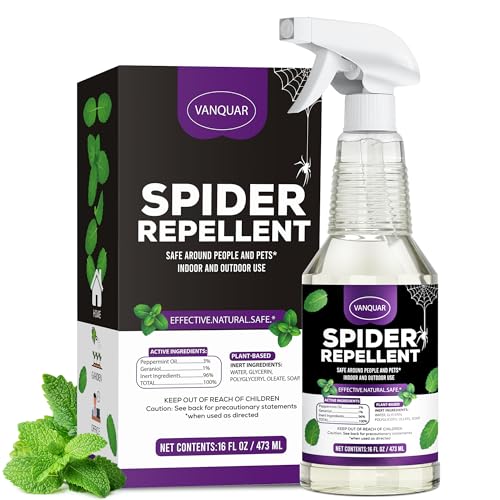
Peppermint Oil Insect & Spider Repellent Spray 16 oz
More Details On Our Top Picks
Tomato beds that face both pest pressure and leaf trouble can benefit from a single spray that keeps the routine simple. Earth’s Ally leans into that kind of multitask job, which helps in a small backyard where you don’t want three separate bottles hanging around the potting bench.
The 32-ounce size gives you a familiar ready-to-use format, so you can move from one plant cluster to the next without mixing. The trade-off is straightforward, because a broad plant-care spray rarely feels as targeted as a dedicated insect-only or fungus-only option.
What We Like
- Covers pest and disease concerns in one bottle, which keeps weekly tomato care simpler.
- Ready-to-use format saves mixing time and suits quick passes through raised beds.
- Works well for mixed problems on patio containers and in larger garden rows.
- The 32-ounce bottle should feel practical for steady home use, not just spot treatment.
Things To Consider
- A broad formula can feel less focused than a tomato-specific spray for a single pest issue.
- You’ll still need to check coverage on leaf undersides, where many garden pests hide.
- Storage matters, since a ready-to-use bottle takes up more shelf space than a concentrate.
Feature Snapshot
Who It Suits Best
Home gardeners with mixed tomato issues and a modest number of plants should find this the easiest fit.
A Better Fit Elsewhere
Bonide Captain Jack’s Tomato & Vegetable Spray 32 oz suits you better when your priority is a more crop-focused tomato routine.
Some tomato problems are mostly insect problems, and this Bonide bottle stays focused on that side of the job. The ready-to-use format makes sense for gardeners who want a straightforward outdoor spray rather than a concentrate that needs measuring.
Compared with Earth’s Ally, this pick is more about insect control than a multi-angle plant-care approach. In a busy kitchen garden or a row of containers, that narrower focus can feel easier to manage, though it also means you may need a separate option for disease issues.
Upsides
- Ready-to-use bottle keeps the routine fast for quick spot spraying.
- Designed for outdoor use, which fits tomato beds, porches, and backyard plantings.
- Targets a wider insect list, so it suits gardens where several pests show up together.
- Simple bottle format is easy to store beside other garden tools.
Softer Spots
- Insect control only means you may need another spray for disease pressure.
- The bottle format is convenient, but it can take more room than a concentrate.
- Outdoor use suits garden beds better than an all-in-one indoor and outdoor plan.
Core Details
Who Will Love This
Gardeners who want a no-fuss insect spray for tomato rows and patio containers should feel at home with it.
Another Choice May Suit
BioAdvanced Tomato & Vegetable Insect Killer 24 fl oz is a tighter fit for you when the focus stays squarely on tomatoes and edible garden plants.
For gardeners who prefer a more plant-conscious routine, EcoVenger leans into a lighter-feeling approach than the Bonide and BioAdvanced options above. Its 16-ounce size makes sense for smaller tomato collections, greenhouse shelves, or a few patio pots that need close attention.
The listing’s indoor and outdoor positioning gives it some flexibility, which matters when tomato starts share space with other plants in a sunroom or covered porch. The trade-off is the smaller bottle, so a larger vegetable patch may need a longer refill cycle.
Highlights
- Plant-based positioning suits gardeners who want a gentler-feeling routine.
- Works indoors and outdoors, which helps with seedlings and porch plants.
- Targets pests plus eggs, useful when infestations keep coming back.
- The 16-ounce size stays easy to store in a small shed or utility shelf.
Room For Improvement
- Smaller capacity means more frequent replenishing for larger tomato rows.
- Better matched to careful, repeated use than broad-acre treatment.
- Gardeners with severe pressure may want a stronger multi-purpose formula instead.
Details At A Glance
Built With In Mind
You’ll get the most from this one in small gardens, seed-starting areas, and covered spaces where a gentler routine feels right.
Look Elsewhere When
BioAdvanced 3-in-1 Insect, Disease, and Plant Mite Control Spray 24 fl oz fits better for you when one bottle needs to cover more problem types.
This BioAdvanced spray speaks to tomato growers who want one product to handle insects, disease, and mites without juggling separate bottles. The ready-to-use format helps in routine garden care, especially when you’re moving through a bed that needs attention on more than one front.
Compared with the simpler insect-only Bonide pick, this one covers more ground, which makes it useful for mixed pressure on leaves and stems. The trade-off is that broader coverage usually asks for a little more attention to application coverage and label fit, especially in dense plantings.
Best Bits
- Three-way coverage reduces the need to stock multiple sprays.
- Ready-to-use format keeps weekly garden upkeep quick.
- Useful for tomatoes that face insects, mites, and leaf disease together.
- The 24-ounce size feels manageable for a home vegetable patch.
Points To Note
- Broader coverage can feel more involved than a single-purpose spray.
- Smaller bottle size may suit spot treatment better than large beds.
- More complete control often means you’ll pay closer attention to leaf coverage and storage.
Quick Facts
Right Fit For
You’ll appreciate this most in a mixed vegetable garden where tomato plants often face more than one issue at the same time.
Swap It Out When
EcoVenger® Garden Insect Control 16 oz makes more sense for you if a smaller, plant-based bottle suits a lighter-touch routine.
Tomato-focused sprays make life easier because the label work is already pointed at edible garden plants. This BioAdvanced bottle lands in that lane, and it suits gardeners who want a straightforward insect-control solution for tomatoes, peppers, and similar crops.
Unlike the broader 3-in-1 BioAdvanced spray, this one keeps the job centered on insect control rather than branching into disease and mite coverage. That narrower focus can be a plus in a tidy vegetable patch, though you may need a second product later in the season for fungal pressure.
Positives
- Built specifically for tomato and vegetable care, which simplifies product choice.
- Ready-to-use bottle works well for quick afternoon spraying.
- Useful in edible beds where you want a crop-focused label.
- Compact 24-ounce format stores easily near garden tools.
Minor Gripes
- Insect-focused use means disease control still calls for another option.
- Better for routine garden maintenance than for very large plantings.
- The bottle size is practical, but not the most economical shape for heavy use.
Feature Rundown
Whose Shelf It Belongs On
This belongs on the shelf of a home gardener who wants a tomato-specific insect spray for regular upkeep.
Where A Sibling Pick Shines
BioAdvanced 3-in-1 Insect, Disease, and Plant Mite Control Spray 24 fl oz suits you better when disease and mites matter as much as insects.
Tomato gardeners who also grow vines, peppers, or other fruiting plants may like the wider reach of this BioAdvanced spray. The ready-to-spray format is a practical touch, and the listing’s day-before-harvest use note gives it a very different feel from the more general garden sprays above.
That harvest window matters in a home food garden, because it supports a more flexible cleanup routine near the end of the season. The catch is that this pick reaches beyond tomatoes, so it makes the most sense for mixed edible gardens rather than a tiny tomato-only setup.
Strong Points
- Broad fruit and vine coverage suits mixed edible plantings.
- Use up to the day before harvest, which adds flexibility during active growing seasons.
- Handles insects, disease, and mites in one routine.
- 32-ounce bottle gives you a bit more runway than smaller ready-to-use picks.
Areas To Watch
- Broader garden focus may be more than you need for a simple tomato-only bed.
- Ready-to-spray packaging takes more shelf space than a concentrate.
- The bigger scope can feel less specialized than a tomato-first bottle.
Technical Sheet
Best Suited To
This suits gardeners who grow tomatoes alongside other edible plants and want one broad spray routine.
Where Another Pick Suits Better
BioAdvanced Tomato & Vegetable Insect Killer 24 fl oz is the tighter fit for you when your focus stays mostly on tomatoes.
Bonide’s Captain Jack’s Tomato & Vegetable Spray lands in a very practical place for home gardeners who want a familiar tomato-and-vegetable bottle without a lot of extra fuss. It fits neatly into a weekly walk-through of raised beds, especially when you’re checking leaves, stems, and the undersides where problems tend to hide.
Compared with Bonide Eight, this one feels more crop-aware because the label centers on tomatoes and vegetables rather than a wider home-and-garden pest job. That makes it appealing for gardeners who want a more deliberate edible-garden routine, though very large plots may need more than one bottle on hand.
Best Bits
- Tomato and vegetable focus keeps the use case narrow and easy to understand.
- Ready-to-use spray saves time during regular garden maintenance.
- Works for insect and disease concerns, which helps with mixed plant stress.
- 32-ounce size is comfortable for recurring home use.
Worth Noting
- Broad enough for mixed issues, but not as wide in scope as the 3-in-1 BioAdvanced options.
- Ready-to-use packaging occupies more storage room than a concentrate.
- Tomato and vegetable focus makes it less useful for non-edible ornamental beds.
Spec Overview
Made For
Regular vegetable gardeners who want a straightforward spray for tomatoes and companion crops are the natural fit here.
Reach For A Different Pick When
Earth’s Ally 3-in-1 Plant Spray 32 Oz makes more sense for you if you want one bottle that leans broader on pests and disease.
Natria takes a different route from the insect-heavy sprays above, because the emphasis here sits on disease and fungus control. For tomato growers who see leaf spots or other fungal pressure more often than bug damage, that narrower focus can be exactly what you want.
Copper fungicide is a familiar garden term, meaning the formula uses a copper-based active approach in a plant disease spray. The upside is clear targeting, but the trade-off is that this bottle is not the right match for someone looking for a broad insect solution.
Strong Points
- Focused disease control suits tomato beds with recurring leaf issues.
- Ready-to-use packaging keeps application simple.
- Smaller bottle size is easy to store with other garden supplies.
- Works as a good companion to an insect-focused spray.
Small Caveats
- Better for fungus and disease than for insect-heavy outbreaks.
- Smaller size may feel limited in large, heavily planted gardens.
- You may need a second spray for bugs, depending on your season.
Feature Card
The Right Fit
You’ll get the most from this in tomato beds where fungal issues show up more often than chewing insects.
Skip It When
Bonide Captain Jack’s Neem Max 16 oz is a better fit for you when you want insect, fungus, and mite coverage in one neem-based bottle.
Neem oil has long been a familiar tool in edible gardens, and this Bonide version bundles several uses into one ready-to-spray bottle. For tomato plants, that matters because the same bed can face chewing pests, mildew, and mite pressure all in the same stretch of weather.
Compared with the more specialized Natria bottle, Neem Max spreads its value across more problem types, which makes it feel versatile for gardeners who prefer a smaller product lineup. The honest trade-off is that a multi-purpose bottle still asks you to stay alert about coverage and repetition, especially in a dense tomato patch.
Bright Spots
- Multi-purpose use suits gardeners who want fewer products on the shelf.
- Cold-pressed neem oil format fits organic-minded garden routines.
- Ready-to-spray bottle keeps application simple on busy weekends.
- Useful across insects, fungi, mites, and nematode pressure.
Areas To Watch
- Versatility helps, but it may feel less focused than a tomato-only insect spray.
- Smaller 16-ounce bottle can mean more frequent refill needs.
- Strong multi-use coverage still calls for careful spraying on leaf undersides.
Core Details
Who Should Grab It
This suits you best if you want a flexible, compact spray for tomatoes and a few other garden plants.
Where A Sibling Pick Shines
BioAdvanced Tomato & Vegetable Insect Killer 24 fl oz fits better for you when you want a more tomato-focused insect spray.
This peppermint oil spray lives in a different lane from the tomato-first picks above, because it leans toward general home, kitchen, and garden use. That can make it handy around a patio garden or outdoor sink area, but tomato growers usually treat it as a light-duty helper rather than the main garden spray.
The 16-ounce bottle keeps storage easy, and the scent-forward approach may appeal to you if you prefer a simpler, less aggressive-feeling routine. The trade-off is obvious, because a repellent-style product is not the same thing as a targeted tomato insect or disease treatment.
Positives
- Works across home, kitchen, and garden spaces, which broadens its usefulness.
- Pet-safe positioning will appeal to households that want a gentler routine.
- Compact 16-ounce bottle is easy to tuck away between uses.
- Peppermint oil base gives it a familiar plant-derived profile.
Worth Noting
- Better as a general insect and spider spray than as a tomato specialist.
- Smaller bottle fits light maintenance more than heavy garden coverage.
- You may still need a separate spray for insects or disease on tomato leaves.
Details At A Glance
Who Will Love This
You’ll like this most as a secondary spray for household and patio spaces around a tomato garden.
A Better Fit Elsewhere
Bonide Captain Jack’s Tomato & Vegetable Spray 32 oz is the stronger match for you when the main job is protecting tomato plants themselves.
How To Choose The Right Bug Sprays For Tomatoes
Match The Spray To The Problem
Tomato care gets easier once you separate insect pressure from disease pressure. Aphids, mites, and beetles call for a different emphasis than leaf spots, mildew, or fungus on the lower canopy.
A broad 3-in-1 spray works well for mixed trouble, while a disease-only bottle suits gardens where bugs are not the main issue. That choice matters because tomato plants can look stressed for very different reasons, and the wrong tool wastes time.
Think About Bottle Type And Garden Size
Ready-to-use sprays are convenient for a few containers or a small raised bed. They save time and keep the routine simple, which helps when you already have pruning, staking, and watering on your list.
Concentrates usually fit bigger spaces better because they stretch farther and store more neatly. The trade-off is mixing, which asks for a little more care and a steadier hand.
Pay Attention To Crop Fit
A tomato-specific label gives you clearer direction than a general home-and-garden spray. That matters in an edible patch, where you want the formula to line up with the plants you’re actually tending.
For mixed gardens, a broader fruit-and-vegetable option can make more sense. Tomato-only growers usually benefit from a tighter label, especially when the bed is small and you want fewer products on the shelf.
Don’t Ignore Storage And Handling
Some bottles live comfortably in a shed, but others take up more room than you’d expect. A 16-ounce bottle is easy to tuck away, while a 32-ounce ready-to-use spray tends to feel more like a permanent fixture.
Also think about cleanup. Sprays that are used often need a tidy cap, a dry shelf spot, and a habit of checking the nozzle so you’re not dealing with clogging at the worst moment.
A Quick Reality Check
Mistakes Worth Dodging
Tomato gardeners often grab a spray for the wrong problem type, then wonder why the plant still looks rough. A bug spray won’t solve a fungal issue on its own, and a disease spray won’t stop a chewing insect outbreak.
Another common miss is ignoring bottle size. A small container can be smart for patio pots, but a long row of tomatoes will empty it fast and leave you stopping mid-job.
Where The Extra Money Goes
Higher-tier sprays usually pay for broader coverage, more focused crop labeling, or a more flexible formula. You’re not just paying for liquid in a bottle, you’re paying for fewer compromises in the garden routine.
That upgrade makes sense for tomato beds that face several problems at once, especially in damp weather or crowded plantings. For a few healthy container tomatoes, the simpler bottle often makes more sense.
Frequently Asked Questions
What kind of bug spray works best on tomatoes?
A tomato-safe spray that matches your problem is the best fit, whether that means insects, disease, or both. A broad formula helps when several issues show up together.
Should you use ready-to-use sprays or concentrates?
Ready-to-use sprays are easier for small gardens and quick weekly care. Concentrates fit larger beds better and usually store more efficiently.
Can one spray handle bugs and fungus at the same time?
Yes, some 3-in-1 formulas cover insects, disease, and mites in one bottle. Those are useful when tomato plants face mixed stress.
Do tomato-specific labels matter?
Yes, because they point you toward a formula meant for edible garden use. That makes product choice clearer and usually cuts down on guesswork.
What size bottle makes sense for a home tomato patch?
A 24-ounce or 32-ounce ready-to-use spray works well for many home gardens. Smaller bottles suit patio containers or a few plants more comfortably.
Closing Thoughts
The right tomato spray depends on what your plants are actually facing, not on the biggest label or the longest feature list. A small patio garden may do fine with a compact ready-to-use bottle, while a crowded vegetable bed usually benefits from broader coverage or a larger container. Tomato care gets a lot less frustrating once the spray matches the problem, the plant count, and the space you have to work in. Pick the bottle that fits your garden rhythm, and the rest tends to feel much easier.