

You’re probably looking for dwarf trees that fit a patio, courtyard, or bright indoor corner without taking over the whole space. The right pick can bring color, structure, or fruit into a tight area, but the trade-offs differ a lot between maples, bonsai, citrus, and compact houseplants.
This roundup keeps the focus on form, care needs, and real placement, so you can match the tree to your yard, shelf, or sunroom. Some options are built for seasonal color, while others ask for steadier attention and a little more hands-on care.
Quick Look At The Shortlist

Scarlett Princess Japanese Maple Live Tree

Live Dwarf Juniper Bonsai Tree with Ceramic Fisherman

Little Sango Dwarf Coral Bark Japanese Maple

Calamondin Tree Live Plant 13-22″ Tall, 1 Gallon Pot by Via Citrus
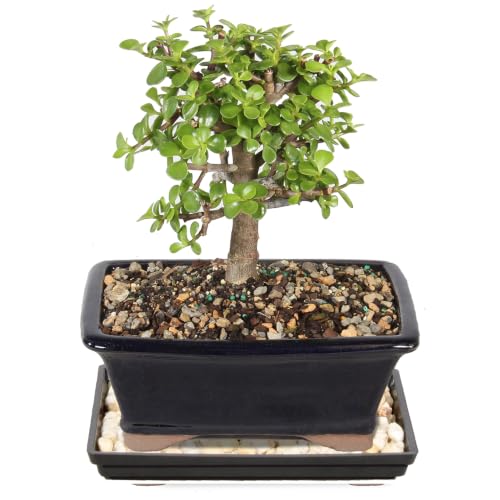
Brussel’s Bonsai Medium Live Jade Bonsai Tree, 5-Year

Dwarf Everbearing Black Mulberry Tree (2-Pack) by Wellspring Gardens

Live Arboricola Umbrella Tree Plant, Schefflera Arboricola, 4″ Pot

Pixie Dwarf Japanese Maple 2-Year Live Tree
More Details On Our Top Picks
This Japanese maple leans into compact red structure, which suits a front patio, narrow entry, or container by the door. The leaf form is dissected, meaning the foliage is finely divided, so it brings a lighter, lace-like look rather than a heavy canopy.
Compared with the next maple in this list, Scarlett Princess is more about steady red presence than bark drama. The honest trade-off is that this kind of tree usually rewards a spot with consistent light and a little attention to placement, especially in small spaces where every angle matters.
Strong Points
- Compact growth suits patios and planters without crowding nearby pots.
- Red foliage gives you strong color contrast beside stone, wood, or green shrubs.
- Uniform growth helps the tree keep a tidy shape in a small footprint.
- The dissected leaf pattern adds detail that feels more graceful than bulky.
Things To Consider
- Container growing asks for regular watering and occasional repositioning for light.
- Fine foliage can look sparse from a distance in a very large yard.
Feature Card
Who It Suits Best
You get the most from this tree in a patio garden, courtyard, or other space where structure matters as much as color.
Where A Sibling Pick Shines
Japanese Maples and Evergreens Pixie Dwarf Japanese Maple suits you better when you want a narrower upright form with darker seasonal drama.
This bonsai is more about character than raw size, and the ceramic fisherman gives it a built-in decorative story for a desk, side table, or entry shelf. Because it’s a juniper bonsai, the branch structure and pot pairing matter just as much as the plant itself.
You may find the care routine a bit more hands-on than a jade or arboricola, since the listing points to bright light, fresh air, and steady soil moisture. That makes it a better fit for someone who wants a living display and doesn’t mind a closer eye on watering.
What We Like
- The ceramic pot and fisherman accent turn it into a ready-made display piece.
- At about six years old, it brings a more established bonsai look than a tiny starter.
- Works in indoor or outdoor settings with enough light.
- The handcrafted feel suits a gift, office corner, or quiet room.
Small Caveats
- Watering needs close attention, since dry soil can stress a bonsai quickly.
- Glazed ceramic colors and shapes may vary from pot to pot.
- The artificial moss is decorative, so it won’t behave like living ground cover.
Details At A Glance
Who Will Love This
You’re the right match for this bonsai if you want a small display plant with a crafted look and don’t mind regular watering.
Skip It When
Brussel’s Bonsai Medium Live Jade Bonsai Tree, 5-Year suits you better when you want a lower-maintenance indoor plant with a calmer care routine.
Little Sango stands out because the stems carry the show through the seasons, not just the leaves. In spring, the new growth comes in bright green, then fall turns into a much louder mix of yellow, orange, and pink, which makes the plant feel active through the year.
Compared with Scarlett Princess, this maple gives you more bark interest and a slightly different visual rhythm. The trade-off is simple, the plant earns its keep through careful siting and a patient eye, so it suits gardeners who enjoy watching a small tree change over time.
Upsides
- Coral red stems add winter interest when many small trees fade into the background.
- Spring lime-green leaves create a fresh contrast against the bark.
- Fall color mixes several warm tones for strong seasonal variety.
- The dwarf habit keeps it practical for compact garden beds.
Areas To Watch
- Seasonal effect depends on light and outdoor placement more than on indoor display.
- Fine branching usually looks best when the tree gets enough room to breathe.
Core Details
Made For
You get the best result here in a yard where seasonal color and bark texture can be seen from multiple angles.
Another Choice May Suit
Japanese Maples and Evergreens Scarlett Princess Japanese Maple Live Tree suits you better when you want stronger red foliage with a more compact container-friendly profile.
This citrus plant brings more than foliage, since the listing points to bloom and fruit potential alongside the main tree form. That makes it a strong fit for a bright porch, sunroom, or garden edge where you want a dwarf tree that feels useful and ornamental at the same time.
Compared with the maples above, it asks for a warmer, brighter setup and a bit more patience through the growing cycle. You may find it especially rewarding in a space where the fruit can be seen up close, because the plant is as much about presence as it is about harvest.
Highlights
- Fruit and flowers give you two layers of interest instead of one.
- The 1-gallon pot size makes it easier to place and move around a patio.
- At 13 to 22 inches tall, it fits well on bright outdoor or indoor spots.
- Via Citrus plants are aimed at home display as much as garden use.
Softer Spots
- Citrus care is more placement-sensitive than a simple houseplant.
- The listing includes shipping limits for several states, which narrows the audience.
- Fruit development depends on growing conditions, so patience matters.
Spec Overview
The Right Fit
You’re a good match for this plant if you want a compact citrus tree with both visual charm and the possibility of fruit.
Look Elsewhere When
Wellspring Gardens Dwarf Everbearing Black Mulberry Tree (2-Pack) fits better for gardeners who want a fruiting plant with less tropical fuss and more landscape flexibility.
This jade bonsai keeps the look calm and manageable, which is useful on a desk, shelf, or bright kitchen windowsill. The ceramic pot gives it a finished presentation, and jade types are often chosen by people who want a smaller plant with less fuss than a juniper bonsai.
The size range in the listing suggests a compact profile rather than a dramatic tree silhouette, so it works best where you want a tidy indoor accent. You may find it easier to live with than more light-hungry options in this list, though it still needs sensible placement and steady care.
Best Bits
- Compact height works neatly in small indoor spots.
- Ceramic pot presentation makes the plant feel ready for display.
- Jade is a practical choice for people new to bonsai care.
- The medium size gives more presence than a very small starter plant.
Points To Note
- The listing shows several size ranges, so visual appearance can vary a bit.
- Indoor placement still matters, especially near brighter windows.
Feature Rundown
Whose Shelf It Belongs On
You’ll like this most in a home office, apartment, or bright room where a neat indoor plant suits the decor.
Reach For A Different Pick When
Thorsen’s Greenhouse Live Arboricola Umbrella Tree Plant suits you better if you want a simpler desk plant with broader foliage and a looser care style.
This two-pack is built for gardeners who want real planting value, not just a decorative pot plant. The listed mature height of 2 to 6 feet keeps it in dwarf-tree territory, and that scale works well for containers, small beds, or a patio where larger fruit trees would crowd the space.
Compared with the citrus pick above, this mulberry feels more grounded and less temperature-sensitive on paper. The trade-off is that you’re buying a live starter plant, so early handling, watering, and light exposure matter a lot as it settles in.
Reasons To Buy
- You get two plants, which helps with spacing, succession, or backup planting.
- The 2 to 6 foot mature range suits smaller gardens better than full-size fruit trees.
- Works in full sun to light shade, so placement can be more flexible.
- USDA Zones 5 to 11 covers a wide stretch of common garden climates.
Honest Caveats
- Starter plants need a gentle transition after unpacking and watering.
- Young fruit trees usually need patience before they feel fully established.
Quick Facts
Perfect Match For
You’re in the sweet spot for this one if you want small-space fruiting trees with room to grow into the yard over time.
Swap It Out When
Japanese Maples and Evergreens Little Sango Dwarf Coral Bark Japanese Maple is the better fit for a purely ornamental tree with no fruiting goal.
Arboricola, also called dwarf umbrella tree, is a practical indoor plant for a sunny sill, bookcase, or office desk. The leaves are broader and more casual than the maples in this roundup, so the look is softer and easier to blend into everyday rooms.
This one feels less fussy than a bonsai and less seasonal than a maple, which makes it useful in homes that want greenery without much ceremony. One thing worth considering is the size spread at shipping, since each plant is unique and the exact look will vary a bit.
Bright Spots
- Compact foliage fits small indoor spots without crowding them.
- Simple care needs make it approachable for casual houseplant owners.
- Works well on desks, shelves, windowsills, and end tables.
- The 4-inch pot size keeps it easy to place in tight rooms.
Worth Noting
- Plant height varies, so the exact shape can differ from one shipment to the next.
- Decorative value is more subtle than the red maples or flowering citrus.
- Indoor air claims are broad, so placement and plant health still matter more than hype.
At A Glance
Built With In Mind
You’ll appreciate this most in a home office, apartment, or bright room where low-profile greenery feels right.
Where Shoppers Go Wrong
Brussel’s Bonsai Medium Live Jade Bonsai Tree, 5-Year makes more sense for anyone who wants a more sculpted indoor plant with a formal bonsai look.
Pixie has the narrow, upright habit that makes a dwarf tree feel architectural instead of sprawling. The leaf shape is deeply cut and the bark runs red-black, so the tree brings a sharper, more formal look than the broader canopy feel you get from Scarlett Princess.
The listing suggests a vigorous young tree that settles into a smaller mature form over time, which suits people planning a long-term corner planting. In a tight yard, that columnar shape can feel like a clean vertical line rather than another shrub trying to fill every inch.
Positives
- Narrow, column-like growth fits slim spaces and side borders.
- Dark foliage and red-black bark give you strong contrast.
- Deeply divided leaves add texture without looking bulky.
- Late-season color turns bright scarlet for a strong fall show.
- Its smaller future height keeps it practical for long-term planning.
Room For Improvement
- The tree starts vigorous, so shape control matters as it develops.
- Very formal form can feel a little rigid in relaxed cottage-style beds.
Key Specs
Who Should Grab It
You’re the best match for this tree if you want a formal Japanese maple that stays narrow and works in a constrained garden layout.
A Better Fit Elsewhere
Japanese Maples and Evergreens Little Sango Dwarf Coral Bark Japanese Maple suits you better when bark color matters more than a strict vertical shape.
How To Choose The Right Dwarf Trees
Start With The Space You Actually Have
Small spaces call for honest measurements, not hopeful guesses. A dwarf tree that stays around 5 or 6 feet can still feel large in a courtyard, while a 4-inch houseplant can disappear in a broad room.
Placement matters just as much as height. A maple near a path needs room for branches and watering access, while a bonsai on a shelf needs stable light and easy reach.
Match The Tree To The Light It Wants
Sun-loving choices such as citrus, mulberry, and many maples do best in brighter outdoor spots or very sunny windows. Softer indoor plants like arboricola are easier to place in homes, but they still need enough light to stay full.
That light match affects both color and maintenance. Red maples hold their look better in the right exposure, while fruiting trees need stronger light to justify the extra attention they ask from you.
Decide Between Ornament And Harvest
Some dwarf trees are mainly decorative, and that’s perfectly fine. Japanese maples and bonsai focus on shape, bark, or leaf color, while citrus and mulberry options add the possibility of fruit.
The trade-off is care style. Ornamental trees often lean on pruning and placement, while fruiting trees can ask for patience, feeding, and more seasonal awareness.
Think About Long-Term Maintenance
A live tree is a small commitment, so the care pattern should fit your routine. Bonsai and container maples usually need more attention to watering and light, while sturdier indoor foliage plants tend to be easier to keep going.
Cleaning, repotting, and pruning also matter. A plant with fine leaves or dense branching can need more tidying, and a live starter plant may need a season or two before it settles into its best form.
Things Worth Knowing First
Mistakes Worth Dodging
Many shoppers focus on the color photo and miss the care needs. A citrus plant and a jade bonsai can both look compact, but they ask for very different light and watering habits.
Another common miss is size at maturity. A dwarf tree may begin small, then reach a scale that makes perfect sense for a yard but feels awkward on a shelf.
What The Higher Tier Buys
Higher-tier dwarf trees usually cost more because of age, training, or presentation. A five-year bonsai with a ceramic pot, for example, feels more complete than a basic starter in a plain nursery container.
That extra spend matters most when you want a finished look right away or need a specimen that already has shape. For a casual corner plant, a simpler tree often makes more sense and asks less from your budget.
Frequently Asked Questions
What makes a tree “dwarf”?
A dwarf tree stays smaller than a standard landscape tree and is usually bred or selected for compact growth. That smaller scale makes it easier to place in patios, courtyards, containers, and indoor display areas.
Can dwarf trees grow indoors?
Some can, especially bonsai, jade, and arboricola types. Maples and citrus usually do better with much brighter light and a more careful setup.
Do dwarf trees need pruning?
Most do, at least occasionally, to keep the shape tidy and the growth balanced. The need is usually higher for bonsai and formal maples than for relaxed indoor foliage plants.
Which dwarf trees work best in containers?
Japanese maples, jade bonsai, citrus, and some mulberries can all suit containers well. The right choice depends on root space, light, and how much watering attention you want to give it.
How do you choose between fruiting and ornamental dwarf trees?
Choose fruiting trees for utility and seasonal interest, and ornamental trees for color, form, or bark texture. A patio that already has enough visual activity often benefits more from ornament, while a sunny corner can justify a fruiting plant.
