Large lots, fence lines, pond edges, and stubborn weeds all ask for a different kind of herbicide. You need a pick that matches the job, the spray area, and how much follow-up you want later. Some formulas are built for broad knockdown, while others are better for lawns, brush, or aquatic use. This roundup keeps those differences clear so you can match the product to the mess in front of you.
Quick Look at the Shortlist
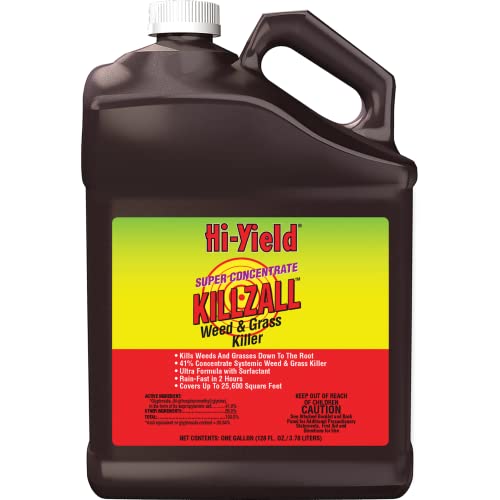
Hi-Yield Killzall Super Concentrate 1 gal

Roundup Dual Action 365 Weed & Grass Killer 1.33 gal
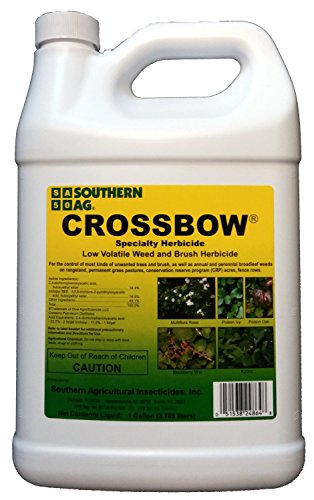
Southern Ag Crossbow Specialty Herbicide 128oz

Airmax Shoreline Defense Emergent Weed Control Herbicide 1 Gallon

Roundup for Lawns2 Concentrate 32 fl. oz.

Glyphosate 4 Extra Herbicide 2.5 Gallons
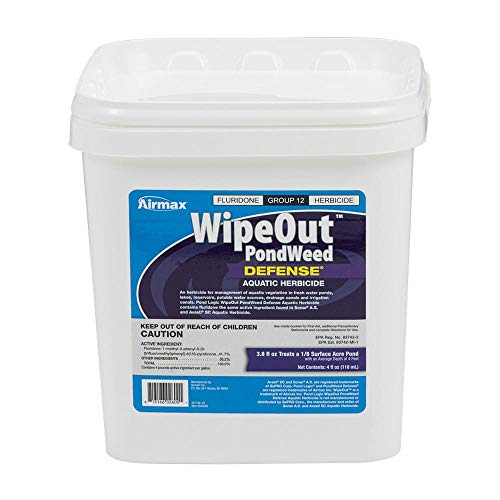
Airmax Wipeout Pond Weed Defense Herbicide 4 Ounce

Roundup Pro Concentrate Herbicide 2.5 gal
More Details On Our Top Picks
For acreage edges, driveway cracks, and other broad cleanup jobs, this Hi-Yield concentrate leans hard into coverage. The 41 percent glyphosate formula matters because it gives you a strong concentrate to mix, which is handy for larger spray volumes instead of repeated tiny refills.
The trade-off is straightforward, stronger concentrates reward careful measuring and disciplined application. For serious DIYers managing a lot of ground, that usually feels worth it, but smaller yards may find it more product than they need.
Strong Points
- High-strength concentrate supports large-area mixing.
- Works well for broad knockdown tasks around lots and paths.
- One jug format suits storage better than many small bottles.
- Good fit for property owners who want fewer resupply runs.
Things To Consider
- Concentrates need careful measuring, so casual use takes a bit more attention.
- Nonselective formulas do not suit lawn spots where you want grass left alone.
- Large jugs take shelf space, which matters in crowded sheds.
Core Details
Who It Suits Best
You’ll get the most from this pick on large properties, fence lines, or driveways where full vegetation knockdown is the goal.
A Better Fit Elsewhere
Roundup for Lawns2 Concentrate 32 fl. oz. suits turf owners who need selective control on northern grasses instead of total vegetation removal.
This one stands out because it tries to solve two headaches at once, active weeds and the next wave behind them. A pump sprayer adds convenience for property edges, patios, and other spots where you want more control than a basic pour bottle gives.
That dual-action approach suits you well around home perimeters, but the stronger prevention angle also means it’s less of a casual touch-up bottle. The honest read is simple, you gain less repeat work later, yet you also need to be sure the treated zone is the zone you want cleared for longer.
What We Like
- Built for killing visible growth and discouraging fresh regrowth.
- Pump ‘N Go sprayer makes spot work less fiddly.
- Handy for edges, cracks, and other repetitive problem zones.
- One container covers both immediate and follow-up concerns.
- Useful for homeowners who want a simpler spray routine.
Room For Improvement
- Prevention-heavy formulas ask for more planning around where you spray.
- The sprayer adds convenience, yet it also adds a part to store and maintain.
- Not the right fit for grass areas you want to keep intact.
Feature Rundown
Made For
This suits homeowners who want a more managed approach to walkways, patios, and foundation edges.
Look Elsewhere When
Hi-Yield Killzall Super Concentrate 1 gal is the better call for large-scale cleanup where prevention is less important than volume and reach.
Brushy ground changes the equation, and that’s where Crossbow makes more sense than the glyphosate-only picks above. It is built around broadleaf weeds, unwanted trees, and brush, so your focus is less on tidy lawn touch-ups and more on reclaiming overgrown stretches.
The gallon size also matters in practical terms, since the source data says it can mix into a very large spray volume. For rough perimeters, fencerows, or neglected lots, that kind of coverage is useful, though the stronger use case also means it is not a casual all-purpose yard bottle.
Highlights
- Targets brush, saplings, and broadleaf weeds, not just simple yard weeds.
- Large mix potential supports extended work on rough ground.
- Two active ingredients give it a more specialized profile.
- Strong match for property cleanup after long neglect.
Softer Spots
- Specialty use means it’s less suitable for general lawn spray work.
- Mixed solutions take storage space and careful labeling.
- The stronger profile asks for a more deliberate application plan.
Spec Overview
Whose Shelf It Belongs On
You’ll appreciate this most on acreage edges, roadside growth, and brush-prone property lines.
Swap It Out When
Roundup for Lawns2 Concentrate 32 fl. oz. fits better for turf owners who need selective weed control without tackling brush.
Shoreline jobs are a different world from driveway spray, and this Airmax formula leans into that difference. It’s aimed at emergent weeds around freshwater and brackish water, including cattails, phragmites, grasses, and brush, so it fits a very specific setting.
That specificity is the upside and the limitation at the same time. For pond edges and shoreline cleanup, it reads like a smart match, but for ordinary dry-land weed control you would want one of the earlier glyphosate options instead.
Reasons To Buy
- Built for aquatic shoreline work, not generic yard spraying.
- Useful around cattails and other shoreline growth that ordinary products may miss.
- Liquid format keeps mixing straightforward for targeted water-edge use.
- Works in fresh and brackish water settings.
Areas To Watch
- Very specific use case means it is not a general-purpose lawn bottle.
- Water-edge work asks for close attention to where the spray lands.
- Storage and handling matter more because the job is tied to a sensitive area.
Details At A Glance
Right Fit For
You should look at this for pond edges, shoreline property, and aquatic weed control work.
Another Choice May Suit
Roundup Pro Concentrate Herbicide 2.5 gal is the broader fit for heavy dry-land spray work away from water.
This is the lawn-focused choice in the group, and that makes it easier to place than the broader kill-all concentrates. It targets crabgrass, dandelion, clover, and yellow nutsedge on northern grasses, so it fits yards where you want weed control without wiping out the turf itself.
For routine lawn care, that selective behavior matters more than brute force. The compromise is that it’s a regional lawn product rather than a universal herbicide, so a warm-climate yard or a brush-heavy lot needs a different pick.
Upsides
- Selects for common lawn weeds while leaving northern grasses in the picture.
- Better fit for turf maintenance than nonselective concentrate formulas.
- Small bottle size suits regular household storage.
- Useful for owners who want a more lawn-specific routine.
Points To Note
- Specialized lawn use narrows where it makes sense.
- Smaller volume means more attention to how much yard you can cover.
- Not a match for brush, pond edges, or broad vegetation removal.
Key Specs
The Right Fit
You’ll like this most for northern lawns where crabgrass and clover keep coming back.
Where A Sibling Pick Shines
Hi-Yield Killzall Super Concentrate 1 gal is the better choice for broad bare-ground clearing and large property cleanup.
This bulk-size concentrate makes sense for broad exterior work where you care about coverage and repeatability. The source data calls out a 41 percent glyphosate blend with surfactant, and surfactant is the wetting aid that helps spray cling and spread on plant surfaces.
That combination suits large-property maintenance, especially for annual weeds and tougher perennial growth. The trade-off is that a 2.5-gallon jug can feel like a lot of product for a small suburban yard, so the fit depends on how much ground you actually manage.
Bright Spots
- Large jug size suits repeated spray work.
- Includes surfactant, which helps the spray solution wet foliage more evenly.
- Nonselective format works across a wide range of unwanted vegetation.
- Good match for property managers with recurring bare-ground tasks.
Worth Noting
- Bulk packaging needs storage room and careful handling after opening.
- Nonselective formulas are not appropriate where you want nearby plants left alone.
- Large volume can be more product than a small yard needs.
Feature Card
Built With In Mind
This is a sensible match for acreage owners, lot maintenance, and recurring spray tasks.
Not Your Match When
Roundup for Lawns2 Concentrate 32 fl. oz. fits better for turf where selective weed control matters more than broad knockdown.
Some pond problems need patience, and this small-format treatment is built around that slower pace. The systemic fluridone herbicide works over time against submerged and floating vegetation, so it fits whole-water-body control more than quick visible knockdown.
That slow action matters in a pond because it avoids the abrupt swing a fast-burn formula can create. The flip side is obvious, you need to be comfortable waiting for the treatment cycle to play out, which makes it better for steady maintenance than urgent cleanup.
Best Bits
- Small bottle suits targeted pond projects.
- Systemic action works through the plant rather than just coating the surface.
- Designed for floating and submerged vegetation problems.
- Useful for property owners managing a pond season after season.
Small Caveats
- Results are slower than faster-acting shoreline formulas.
- Water-body work asks for careful planning and attention to coverage.
- Small size is practical, though it may not suit larger pond systems.
Technical Sheet
Perfect Match For
You’ll get the best fit here for smaller pond maintenance and long-view aquatic weed control.
Reach For A Different Pick When
Airmax Shoreline Defense Emergent Weed Control Herbicide 1 Gallon suits shoreline growth where you need a liquid built for emergent plants.
This is the most workhorse-leaning pick in the list, especially for crews or property owners who spray often. The 2.5-gallon jug points to heavy-use planning, and that larger format is handy when you want to reduce how often you restock.
The listing also notes sales restrictions for Wisconsin and New Jersey, which matters more than people expect when they compare items online. For broad professional-style use, it feels like a strong final option, but the scale and compliance notes make it less casual than the smaller bottles above.
Positives
- Large jug suits repeated spray work.
- Good fit for higher-volume property maintenance.
- Simple concentrate format keeps it focused on the job.
Honest Caveats
- Large capacity needs more storage space.
- Some states are excluded from the listing.
- Better suited to frequent users than occasional touch-ups.
Core Details
Who Should Grab It
This suits crews, acreage owners, and anyone who needs a large concentrate for frequent exterior spray work.
Skip It When
Glyphosate 4 Extra Herbicide 2.5 Gallons is the more flexible value play if you want a similar bulk format with a listed surfactant.
How To Choose The Right Commercial Herbicides
Match The Formula To The Surface
Start with the ground in front of you, not the brand name. A nonselective glyphosate concentrate works for bare-ground cleanup, while a selective lawn formula is better for turf where grass needs to stay in place. Aquatic shoreline products belong near ponds and water edges, not along a driveway.
That distinction saves a lot of frustration. The wrong category can mean wasted product, damaged turf, or a treatment that simply does not suit the area.
Think In Terms Of Coverage And Mix Size
Large jugs make sense for acreage, fencerows, and repeat spray routines. Smaller bottles suit spot work, lawn touch-ups, and pond treatments where you want tighter control over volume.
The mix yield matters just as much as the bottle size. A concentrate that stretches into a large spray volume is useful for broad jobs, but it also asks for accurate measuring and decent storage space.
Look At What The Formula Is Built To Do
Some products are designed to kill visible weeds and grasses. Others add prevention, which means they try to slow the next flush of growth in treated areas.
That prevention angle helps around edges and hardscape, though it’s less friendly in places you may want to reseed or replant soon. Brush-focused formulas also deserve attention because they’re made for tougher growth than standard lawn weeds.
Choose For Your Routine, Not Just Your Problem
Frequent users benefit from larger containers and concentrated formats that reduce refills. Occasional users often do better with smaller bottles and narrower-use formulas that are easier to store and manage.
Maintenance matters too, especially for sprayers and bulk jugs. A simple setup usually fits busy home routines better than a more demanding product that needs careful measuring every time.
Things Worth Knowing First
Common Shopping Slip Ups
One common mistake is treating every herbicide like a general-purpose spray. Lawn-safe formulas, brush killers, and aquatic treatments are built for different jobs, and mixing up those categories creates avoidable headaches.
Another misstep is buying more volume than the property needs. A big jug can be useful, but it also takes room and can feel clumsy for small touch-ups.
What The Higher Tier Buys
Higher-tier products often bring stronger concentration, more specialized targets, or a more convenient sprayer setup. That’s where the extra cost tends to go, into coverage, control, and a more specific use case.
You may find the upgrade worth it for large properties, ponds, or repeated seasonal work. For a small yard, a simpler bottle usually does the job without making storage and mixing harder than they need to be.
Frequently Asked Questions
What Is The Difference Between Selective And Nonselective Herbicides?
Selective formulas target certain weeds while leaving some desired plants, like turf grasses, in place. Nonselective formulas clear nearly anything they touch, which suits bare-ground work.
Are Concentrates Better Than Ready-To-Use Bottles?
Concentrates usually make more sense for larger properties because they stretch further. Ready-to-use options are easier for small, occasional jobs and reduce measuring.
Can You Use A Lawn Herbicide Near Water?
No, not unless the listing clearly says it is meant for aquatic or shoreline use. Pond and shoreline formulas belong in water-edge settings, while standard lawn products are for turf areas.
Why Do Some Herbicides Include A Preventer?
A preventer is meant to slow new growth in treated areas after the visible weeds are handled. That helps around hardscape and borders where repeat sprouting is a recurring problem.
How Do You Decide Which Size Bottle To Choose?
Match the bottle size to the area you spray most often. Larger containers suit acreage and repeated maintenance, while smaller bottles fit spot jobs and storage-conscious setups.