

You want compost that breaks down smoothly, stays manageable, and fits the space you actually have. These Earthworms For Composting picks cover live worms, worm castings, and outdoor bins, so you can match the product to your setup instead of forcing one solution to do everything.
That matters whether you keep a kitchen pail under the sink, run a backyard bin, or want a soil amendment for houseplants and raised beds. The right choice feels less like a chore and more like a steady system that keeps food scraps moving.
Quick Look At The Shortlist

Nature2 2000+ Red Wigglers Composting Worms

F2C Compost Bin 80 Gallon
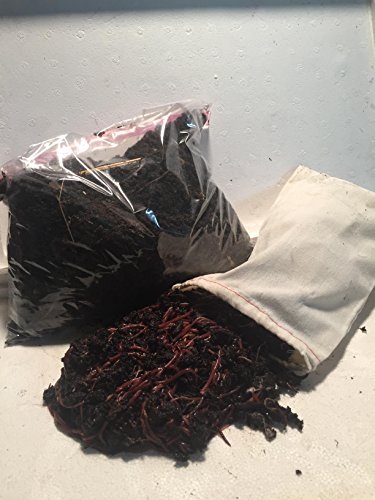
CheapWormsForSale 250 Red Worms Red Wigglers Compost Worms

Back to the Roots Organic Worm Castings for Plants 5lb

Uncle Jim’s Worm Farm European Nightcrawlers Composting and Fishing Worms 1 Lb Pack
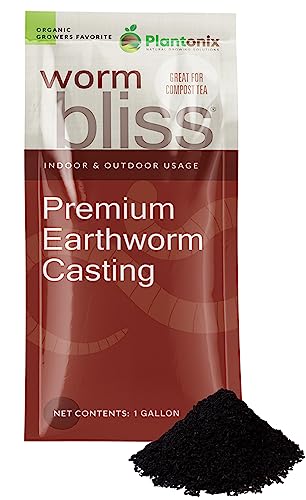
Worm Bliss 1 Gallon Organic Worm Castings

Worm Nerd Composting Red Wriggler Mix 100 Count

FIRE ROSE 250+ Red Wiggler Earthworms
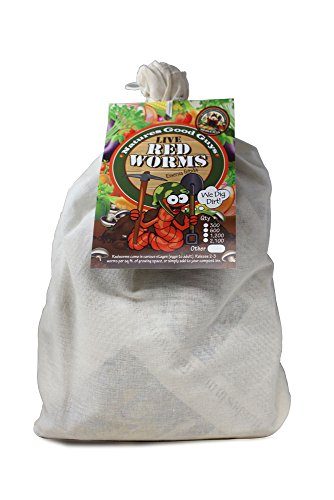
NaturesGoodGuys Live Redworms Composting Red Worms 1,200 Red Wigglers

HomeGrownWorms 250+ Red Wigglers Live Worms 1/4lb
More Details On Our Top Picks
A larger worm count makes sense for a new bin that needs to build momentum fast. Nature2’s 2,000-plus red wigglers suit that job, and the 2-pound live shipment format points to a more serious starter setup than a tiny classroom kit.
In a busy kitchen composter, that extra headcount can help scraps disappear more evenly once the bedding settles in. The trade-off is simple: more worms need more space, steadier moisture, and a little patience while the bin balances out.
Strong Points
- Large live count gives a roomy start for fresh bins.
- Fits home compost systems that process food scraps every day.
- The live-delivery format keeps the setup focused on active vermicomposting.
- Good match for households planning to scale up from a small starter colony.
Things To Consider
- More worms mean you need a bin that is already ready for them.
- Like most live worm orders, shipping timing matters for arrival condition.
- You still need bedding, airflow, and moisture control for steady results.
Feature Snapshot
Who It Suits Best
You benefit most here if your bin is already set up and you want a larger worm population from the start.
Where A Sibling Pick Shines
CheapWormsForSale 250 Red Worms Red Wigglers Compost Worms makes more sense for a compact bin or a first attempt that feels easier to manage.
This is the outdoors-first choice in the list, and the 80-gallon body gives you much more room than a worm-only tray. The black polypropylene shell helps hold warmth, while the ventilated layout supports airflow that matters in a backyard pile.
That mix works well for households with steady food scraps and yard waste, especially when you want a bin that feels less fussy than a countertop system. The flip-latch lid and lower access door also make routine dumping and removal easier, though the larger footprint is the trade-off.
What We Like
- Large 80-gallon size handles heavier compost volume.
- Air vents and internal fins support circulation through the pile.
- Top latch and bottom door make loading and harvest easier.
- BPA-free material suits outdoor placement in changing weather.
- Black finish helps the bin hold warmth for active composting.
Room For Improvement
- The larger body asks for more yard space than smaller bins.
- Assembly and placement take more planning than a simple worm tote.
- Widest compost setups still need regular turning and moisture checks.
Core Details
Who Will Love This
You fit this bin well if your yard produces plenty of scraps and you want a larger outdoor compost station.
Another Choice May Suit
NaturesGoodGuys Live Redworms Composting Red Worms 1,200 Red Wigglers makes more sense for a worm-focused indoor or hybrid bin.
A smaller count can be the right move for a modest worm bin, and that’s the appeal here. These red wigglers are framed as adaptable across temperatures and use cases, so they suit home composting without asking you to manage a huge colony on day one.
Compared with Nature2’s larger pack, this one is easier to slot into a tight setup or a household that is still learning the rhythm of bedding, moisture, and feeding. The honest read is that you gain simplicity, but you also give up the faster population buildup a bigger starter colony can bring.
Upsides
- Smaller count keeps the start more manageable.
- Works for bins that do not need a huge initial population.
- Adaptable worm type suits a range of composting conditions.
- Good entry point for households learning worm care basics.
Softer Spots
- You may want more worms sooner in a larger bin.
- Smaller quantities can mean a slower ramp-up for heavy scrap loads.
- Live orders still need careful handling after arrival.
Details At A Glance
Whose Shelf It Belongs On
You suit this pick best if your composting setup is compact and you want a simple worm start.
Look Elsewhere When
Worm Nerd Composting Red Wriggler Mix 100 Count suits tighter spaces better when you want an even smaller live-worm order.
This is the amendment choice, not the live-worm choice, and that distinction matters. Worm castings are the processed output from compost worms, so you’re looking at a soil builder for pots, beds, and seed-starting mixes rather than a colony you need to feed.
Compared with the live worm picks above, this fits gardeners who want a simpler route into vermicompost benefits without maintaining a bin. That makes it handy for houseplants and container gardens, though it obviously won’t process your kitchen scraps on its own.
Positives
- Ready-to-use castings save you from managing live worms.
- Useful for container plants that need a gentler soil amendment.
- Made in the USA is clearly stated, which helps with product traceability.
Points To Note
- This is a soil amendment, not a composting colony.
- You still need a separate compost or worm system for scraps.
- Five pounds suits smaller jobs more than large garden spreads.
Spec Overview
Best Suited To
You fit this pick best if you want a clean soil booster for containers, seedlings, or small beds.
Swap It Out When
Worm Bliss 1 Gallon Organic Worm Castings makes more sense for gardeners who need a larger amendment supply.
European nightcrawlers behave a little differently from smaller red wigglers, and that difference can matter in a deeper bin. Uncle Jim’s positions this pack as a compost and fishing option, with larger worms that work beyond the top layer and move through more of the material.
That broader movement can help in a bin where food scraps and bedding stack up unevenly. One thing worth considering is that a mixed-size, mixed-species bed can feel less predictable than a very uniform worm colony, which suits some composters better than others.
Best Bits
- Larger worm size helps them move through more of the bin.
- Works for composting and fishing, so the pack has two uses.
- Good fit for deeper systems that benefit from broader burrowing.
- Long-running farm experience may appeal to cautious shoppers.
Small Caveats
- Mixed worm beds can be less uniform than standard red-wiggler packs.
- Deeper activity only helps when the bin itself has enough depth.
- Live shipping still asks for careful unpacking and immediate setup.
Technical Sheet
Made For
You fit this pick best if you keep a deeper bin and want worms that can work through more of the material.
A Better Fit Elsewhere
Nature2 2000+ Red Wigglers Composting Worms suits shallow, high-volume kitchen bins better for most first-time setups.
This is the larger soil amendment in the pair, so it fits gardeners who go through castings regularly. A 1-gallon container suits mixed potting jobs, seed-starting trays, and beds that need a steady top-up rather than a tiny sprinkle.
Compared with Back to the Roots, the big difference is scale, not category. You’re still buying processed worm output, so the payoff is convenience and consistency, while the trade-off is that you need storage space for a larger tub.
Highlights
- Larger volume supports more frequent feeding routines.
- Works for potting soil, garden soil, and seed-starting mixes.
- OMRI-listed status is stated on the listing, which helps shoppers compare inputs.
Worth Noting
- A gallon container takes up more shelf space.
- This is for amendment use, not active composting.
- Best value depends on how much castings you use over time.
Quick Facts
The Right Fit
You suit this pick best if you already know you use worm castings often and want a larger container on hand.
Where A Sibling Pick Shines
Back to the Roots Organic Worm Castings for Plants 5lb works better for smaller shelves and lighter gardening routines.
Small worm orders fit neatly into compact bins, classroom setups, and first-time home systems. Worm Nerd’s 100-count mix keeps the entry point modest, which can feel easier to manage than the larger starter packs in this list.
That smaller size is helpful when you want to learn the rhythm of feeding and bedding without overcommitting space or scraps. The trade-off is obvious: a lighter colony takes longer to build into a very active compost crew, especially in a busier kitchen.
Standout Traits
- 100-count size suits compact or experimental setups.
- Lower worm volume can simplify the first setup phase.
- Good match for households easing into vermicomposting.
Areas To Watch
- The count is modest, so large bins may outgrow it quickly.
- Shipping restrictions affect where it can be sent.
- Smaller colonies still need consistent bedding and moisture care.
Feature Card
Who Should Grab It
You fit this pick best if your setup is small and you want a lighter live-worm order to learn with.
Not Your Match When
NaturesGoodGuys Live Redworms Composting Red Worms 1,200 Red Wigglers fits a larger, faster-growing worm bed more comfortably.
For a steady home compost routine, this pack lands in a comfortable middle ground. The count is large enough to support a modest bin, yet still approachable for someone who wants live worms without jumping straight to the biggest colony on the list.
The sustainability note is also useful for gardeners who pay attention to how their inputs are raised. Compared with the smaller Worm Nerd pack, this gives you more breathing room, although you still need the usual basics like bedding, airflow, and a bin that stays damp, not soggy.
Positives
- 250-plus count fits a practical home compost start.
- Sustainably raised wording may suit careful gardeners.
- Works as a balanced middle size between tiny and oversized packs.
Minor Gripes
- You still need a working bin system around it.
- The listing gives less detail than some larger-feature picks.
- Live worms always need quick setup after delivery.
Feature Rundown
Perfect Match For
You suit this pick best if you want a moderate live-worm order for steady home compost use.
Consider Something Else When
Nature2 2000+ Red Wigglers Composting Worms works better for gardeners who want a much larger starter colony.
This pack is aimed at composters who want a substantial live colony with a clear use case. The 1,200 count should suit a larger worm bin or a household that adds food scraps often, and the listing’s broader coverage claim points to a pack meant for a meaningful area of compost activity.
Unlike the more modest packs earlier in the list, this one feels built for momentum. The practical upside is less waiting for a colony to build, while the catch is that your bin setup needs to be ready before the worms arrive.
Bright Spots
- 1,200 worms give you a strong starting colony.
- Coverage for up to 1,200 square feet adds a useful scale cue.
- Works well for active bins that process scraps regularly.
- Clear live-delivery note helps set expectations around arrival.
Honest Caveats
- Large live orders need a ready bin and bedding.
- The listing is focused on worm count more than setup extras.
- You need to handle the colony quickly after delivery.
Feature Snapshot
Built With In Mind
You fit this pick best if your bin is already established and you want a large live colony to keep compost moving.
A Better Fit Elsewhere
CheapWormsForSale 250 Red Worms Red Wigglers Compost Worms works better for a smaller bin that does not need such a large initial colony.
HomeGrownWorms keeps the package size modest while still giving you a live starter colony. The 1/4-pound format makes sense for a family worm box, a school-style project, or a small composting setup that doesn’t need a huge head start.
The included care sheet is a useful extra for anyone who wants clearer first steps, and that makes this one friendlier than some bare-bones live orders. You still need the usual worm-bin basics, but the package feels geared toward helping a beginner settle in without guesswork.
Reasons To Buy
- Modest 1/4-pound size is easier to place in a small setup.
- Care sheet adds practical guidance right away.
- Good for home worm projects, raised beds, and compact bins.
- Live worms support active composting from the start.
Areas To Watch
- The smaller pack size may not satisfy larger, busier bins.
- Live worms still need immediate setup after arrival.
- Kid-friendly use still depends on adult setup and maintenance.
Core Details
Who It Suits Best
You fit this pick best if you want a small live-worm pack with a little setup help for a home bin or family project.
Right Fit Elsewhere
NaturesGoodGuys Live Redworms Composting Red Worms 1,200 Red Wigglers suits larger compost systems that need more worms from day one.
How To Choose The Right Earthworms For Composting
Match Worm Type To The Job
Red wigglers are the familiar choice for bins that sit near the kitchen or in a sheltered garage, because they work well in shallow, food-scrap-heavy systems. European nightcrawlers run larger and tend to suit deeper setups or mixed-use bins where you want broader movement through the material.
The practical question is not which worm sounds better, it’s which worm fits your container depth and feeding rhythm. A compact apartment tote does not ask for the same colony as a raised outdoor system.
Count Matters More Than Hype
Worm count shapes how fast a bin can settle into routine composting. A larger colony can process scraps with less waiting, while a smaller order gives you a gentler start and less risk of overloading the setup.
That balance matters in real homes, where scraps pile up at different speeds. Heavy cooking households usually benefit from more worms, while occasional composters often do better with a modest starter pack.
Think Beyond The Worms Themselves
Live worms need bedding, moisture, airflow, and a container that suits the species. Castings, on the other hand, are for feeding soil directly, so they belong with garden beds, pots, and seed-starting mixes rather than active bins.
That distinction saves a lot of frustration. A good purchase in this category is the one that matches your actual job, not the one with the flashiest count or the largest bag.
Pick For Your Space And Routine
Small kitchens and indoor composters usually benefit from compact counts and clear setup guidance. Backyard systems can handle larger colonies or dedicated outdoor bins with better airflow and more room for harvest access.
Maintenance is part of the picture too, since live systems need regular attention while castings need storage space. Choose the form that fits your pace, and the whole setup feels easier to keep going.
Before You Click Buy
Common Shopping Slip Ups
Shoppers often mix up live worms and worm castings, then end up with the wrong kind of product for their setup. Another common mistake is matching a tiny worm count to a large bin, which usually slows everything down.
Space matters as much as species. A roomy outdoor container can handle a broader colony, while a small indoor unit needs a lighter touch and less volume.
What The Higher Tier Buys
More expensive worm options often bring higher counts, stronger packaging, or clearer support material. Bigger castings containers also cost more because you’re getting more usable material in one container.
The upgrade makes sense when you compost regularly, keep a larger bed, or want fewer repurchases over time. For a casual setup, the extra capacity can be more than you need.
Frequently Asked Questions
What Worms Work Best For Home Compost Bins?
Red wigglers are the usual starting point for home bins because they handle food scraps well in shallow systems. European nightcrawlers make more sense in deeper setups.
Are Worm Castings The Same Thing As Live Worms?
No, worm castings are the finished material worms leave behind after breaking down organic matter. Live worms are the colony that keeps processing new scraps.
How Many Worms Do You Need To Start?
That depends on bin size and how much food you add each week. Smaller bins can start with a modest count, while larger systems benefit from a bigger colony.
Do Worms Need Special Care After Arrival?
Yes, they need bedding, moisture, and a ready container soon after delivery. Gentle handling and quick setup help them settle in.
Can You Use Worm Castings In Pots?
Yes, castings work well in pots, seed mixes, and garden beds. They’re a soil amendment, so they fit beside your plants rather than inside a worm bin.
