

Early spring is when turf, beds, and seedlings start asking for steady support, not a heavy-handed push. The right fertilizer can help you match that early growth with the crop, lawn, or flower bed you actually have, whether you’re refreshing bare patches, feeding a new lawn, or waking up shrubs after winter. This roundup keeps the focus on fit, coverage, and nutrient balance so you can skip the guesswork and choose with confidence.
The Shortlist At A Glance

Hi-Yield Grower’s Special Fertilizer 12-6-6, 10 lbs

Jonathan Green Veri-Green Starter Fertilizer 12-18-8 (1,500 Sq. Ft.)

Jonathan Green Veri-Green Weed and Feed 21-0-3 (5,000 Sq. Ft.)

Alaska Fish Fertilizer OMRI Listed 5-1-1

Carl Pool BR-61 Plant Food 9-58-8 3 Lbs

Espoma Organic Plant-Tone 5-3-3 4 lb. Bag

The Andersons Premium New Lawn Starter 20-27-5 (18 lb)
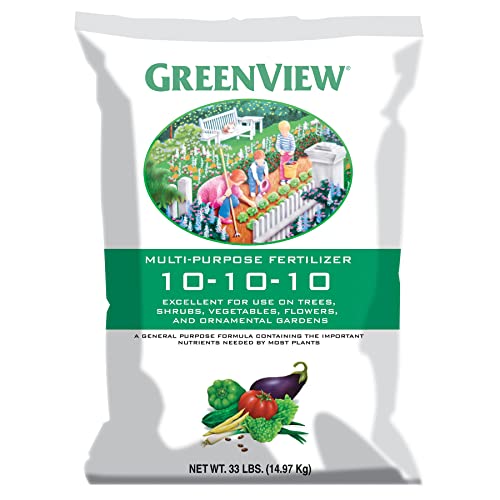
GreenView Multi-Purpose Fertilizer 10-10-10, 33 lb.

The Andersons Professional Surge Weed and Feed 16-0-9 (40 lb)
More Details On Our Top Picks
That 12-6-6 analysis points to a fertilizer with more nitrogen than phosphorus or potassium, which suits early top-growth in mixed garden spaces. For vegetable rows, flower beds, and landscape plantings, the granular format gives you a straightforward spread pattern, though you’ll still want even application so one patch doesn’t get more feed than the rest.
Compared with the starter-heavy Jonathan Green options later in the list, this one feels broader in use and less tied to a single job. You may find that flexibility handy in a yard where spring chores overlap, especially when you want one bag that can support several planting areas without getting overly specialized.
Strong Points
- Granular form makes spreading simple across beds and borders.
- 12-6-6 ratio leans toward steady leafy growth.
- Useful across vegetables, flowers, and landscape plantings.
- Ten pounds is manageable for smaller property work.
Areas To Watch
- It’s broad use, not a tailored lawn starter.
- Even coverage matters, so application care still counts.
- The bag size may feel modest on larger properties.
Core Details
Who It Suits Best
Home gardeners tending mixed beds and small landscape areas get the clearest fit here.
Where A Sibling Pick Shines
GreenView Multi-Purpose Fertilizer 10-10-10 suits you better when you want a more evenly balanced feed across vegetables, flowers, shrubs, and ornamental spaces.
New grass asks for a different nutrient shape than an established lawn, and this 12-18-8 blend reflects that. The higher phosphorus number, which supports root development in starter formulas, makes sense for seeding and sodding work, though it’s not the one you’d reach for during a routine lawn refresh.
Against Hi-Yield Grower’s Special Fertilizer 12-6-6, this one is much more focused on establishment than general feeding. For a small lawn project or a repair job in early spring, that focus helps, especially when you want the first few weeks to support settling in rather than just pushing leaf growth.
Upsides
- Starter ratio is built around new turf needs.
- Coverage for 1,500 square feet fits smaller projects.
- Works for both seeding and sodding jobs.
- Easy to match to a specific lawn patch.
Points To Note
- It’s purpose-built, so it’s less flexible than all-purpose options.
- Coverage is modest for broad yard work.
- You’ll want to keep it separate from a general feeding plan.
Feature Snapshot
Built With In Mind
New homeowners, first-time sod installs, and spring overseeding projects get the most out of it.
Look Elsewhere When
The Andersons Premium New Lawn Starter 20-27-5 suits you better for a more aggressive starter blend on a larger new-lawn project.
Some spring lawns need feeding and cleanup in the same pass, and that’s the whole point of this 21-0-3 formula. The weed-and-feed design targets broadleaf weeds while supporting grass growth, though it’s clearly a lawn product and not a seeding companion, so timing matters.
Compared with Jonathan Green Veri-Green Starter Fertilizer 12-18-8, this one belongs to established turf rather than new grass. The trade-off is simple: you gain weed control for a wide lawn area, but you give up the starter-friendly profile that newly seeded ground needs.
Bright Spots
- Combines feeding and weed control in one application.
- Large 5,000 square foot coverage suits many suburban lawns.
- 21-0-3 analysis supports visible green-up.
- Helps simplify early spring lawn work.
- Can save a separate pass on weed cleanup.
Honest Caveats
- It should not be used at the same time as seeding.
- It’s for established turf, not fresh sod care.
- Weed control results depend on the weeds present and timing.
Details At A Glance
Right Fit For
Established lawns with broadleaf weed pressure get the clearest match here.
Swap It Out When
Hi-Yield Grower’s Special Fertilizer 12-6-6 makes more sense when your spring work includes vegetables, flowers, and mixed beds instead of weeded turf.
Fish-based fertilizer tends to appeal to gardeners who want a plant food that works across many edible and ornamental jobs. The 5-1-1 analysis keeps the emphasis on nitrogen, so it leans toward leafy growth, which suits spring vegetables, roses, shrubs, and container plants that need a gentler feed pattern.
Compared with the more lawn-specific Jonathan Green products, this one belongs in a garden shed, not just on turf duty. In a busy kitchen garden, that versatility is useful, though some shoppers will prefer a simpler granular product when they want cleaner handling and less odor concern.
What We Like
- Works across vegetables, fruits, shrubs, trees, and containers.
- Liquid format is handy for targeted feeding.
- 5-1-1 analysis favors steady green growth.
- Good match for mixed spring garden routines.
Small Caveats
- Liquid feeding can mean more measuring and mixing.
- Some gardeners prefer a granule for storage simplicity.
- It’s broader garden support, not a lawn specialist.
Feature Card
The Right Fit
Kitchen gardeners and container growers benefit most from the broad plant coverage.
Another Choice May Suit
Espoma Organic Plant-Tone 5-3-3 fits better when you want a dry, general-purpose organic feed with less fuss around measuring liquids.
A 9-58-8 formula is clearly shaped for bloom support and new-plant establishment rather than broad leafy feeding. That high middle number, phosphorus, is the part often tied to root and bloom-focused feeding, so this bag makes more sense for flowering plants than for a lawn or general vegetable refresh.
Against Alaska Fish Fertilizer 5-1-1, this one is far more specialized. You may find that specialization helpful for seasonal flowers and transplant jobs, but it’s a little too targeted for gardeners who want one feed to cover everything in the yard.
Best Bits
- Useful for flowering plants and starter routines.
- Compact 3-pound bag is easy to store.
- Higher phosphorus content suits bloom-oriented use.
- Simple to keep on hand for container work.
Worth Noting
- Very specialized compared with all-purpose options.
- Small bag means less reach on larger beds.
- It’s a poor fit for lawn feeding.
Quick Facts
Whose Shelf It Belongs On
Container gardeners and flower-focused hobbyists get the best fit here.
Skip It When
Jonathan Green Veri-Green Starter Fertilizer 12-18-8 is the better match for seeding or sodding a lawn.
Plant-Tone sits in the middle ground many spring gardeners want, a dry all-purpose feed that works across flowers, vegetables, trees, and shrubs. The 5-3-3 analysis is milder than some lawn boosters, which makes it feel more measured in mixed beds and established garden spaces where steady feeding matters more than a hard push.
Compared with Hi-Yield Grower’s Special Fertilizer 12-6-6, this one feels gentler and more garden-wide in purpose. The honest read is that it’s not the quickest path to dramatic green-up, but it’s a calm, versatile option for gardeners who like organic inputs and prefer one product for several plant types.
Highlights
- All-purpose fit for flowers, vegetables, trees, and shrubs.
- Dry bag format is straightforward to store.
- Organic-style feeding suits gardeners who prefer that route.
- Moderate analysis works well for regular spring upkeep.
- Pack of two gives you extra backup on hand.
Room For Improvement
- Less targeted than a starter formula for new turf.
- Dry granules still need even spreading.
- The 4-pound bag size can run out quickly in larger beds.
Spec Overview
Made For
Mixed garden beds and gardeners who want a softer, general feed get the clearest match.
Reach For A Different Pick When
The Andersons Premium New Lawn Starter 20-27-5 is the stronger fit for fresh sod or new seed.
For new turf, this formula looks built with a purpose. The 20-27-5 analysis gives a strong starter profile, and the 18-pound bag with up to 5,000 square feet of coverage makes it feel ready for a meaningful lawn project rather than a tiny repair patch.
Compared with Jonathan Green Veri-Green Starter Fertilizer 12-18-8, this one leans harder into the starter role and covers more ground. That makes it a smart fit for fresh sod or a larger seeding job, though the strength of the formula also means it’s not the casual all-around bag you’d keep for every bed in the yard.
Positives
- Strong starter ratio for fresh lawns.
- Coverage reaches up to 5,000 square feet.
- Useful for larger seed or sod projects.
- Compact enough to store between applications.
Softer Spots
- It’s purpose-built, so it won’t suit general garden feeding.
- Lawn-only focus limits its flexibility.
- Application timing matters for best fit with new turf.
At A Glance
Perfect Match For
People installing sod or sowing a new lawn get the most direct value from it.
Where Another Pick Suits Better
Espoma Organic Plant-Tone 5-3-3 is the easier fit when your spring feeding plan spans flowers, shrubs, and vegetables, not just turf.
A 10-10-10 analysis is the classic balanced approach, and that balance is exactly why this bag earns its place in early spring. It works across vegetables, flowers, trees, shrubs, and ornamental gardens, so it suits yards where several planting types need attention at once.
Compared with Hi-Yield Grower’s Special Fertilizer 12-6-6, this one feels more evenly weighted and a little less specialized. The 33-pound bag and 3,300-square-foot coverage make sense for bigger mixed spaces, though the larger sack also means you’ll want dry storage and a bit more handling room.
Reasons To Buy
- Balanced 10-10-10 analysis keeps the feeding profile even.
- Wide plant compatibility covers many spring tasks.
- 33-pound bag works well for larger garden areas.
- Useful for vegetables and ornamentals alike.
- Good fit when you want one feed for many beds.
Things To Consider
- The larger bag needs more storage space.
- It’s broad use, not a specialized starter or weed-control formula.
- Coverage is strong, but spreading still needs care for even results.
Key Specs
Whose Shelf It Belongs On
Gardeners who want one balanced fertilizer for several plant types will feel right at home with it.
A Better Fit Elsewhere
The Andersons Professional Surge Weed and Feed 16-0-9 suits lawn owners better when weed control and wide turf coverage matter more than garden variety.
This 16-0-9 formula sits in the same lawn-care lane as the Jonathan Green weed-and-feed pick, but the larger 40-pound bag pushes it toward broader property use. Post-emergent weed control means it’s aimed at weeds already showing above the turf, so it belongs with lawns that need both feeding and active cleanup.
For bigger yards, the up-to-16,000-square-foot coverage is the kind of detail that matters more than fancy wording. You may find it especially useful on established turf where weeds keep popping up across large sections, though it’s still a lawn-only tool rather than a general garden feed.
Positives
- Large coverage suits expansive lawns.
- Combines feed with post-emergent weed control.
- 40-pound bag reduces how often you restock.
- Useful for established grass that needs cleanup.
Areas To Watch
- It’s for turf, not mixed garden beds.
- Weed-control timing matters for the lawn situation.
- The large bag needs dry storage and room to handle.
Feature Rundown
Who Should Grab It
Owners of large established lawns who want one pass for feeding and weed cleanup get the clearest benefit.
Consider Something Else When
GreenView Multi-Purpose Fertilizer 10-10-10 is the better route for mixed yards that need a general feed instead of a turf-only product.
How To Choose The Right Early Spring Fertilizers
Match The Formula To The Job
Start with the plant, not the bag. A starter fertilizer for new grass needs a different nutrient shape than a balanced all-purpose feed for vegetables and shrubs, and a weed-and-feed product belongs on established turf only.
NPK on the label tells you the nutrient balance, with nitrogen for leafy growth, phosphorus for root support, and potassium for overall plant function. Early spring often calls for a lighter, steadier push, so the right ratio depends on whether you’re reviving lawn color, establishing roots, or feeding mixed beds.
Think In Coverage, Not Just Bag Size
Coverage matters because a small bag can be right for a patio planting zone and too short for a broad lawn. The square footage on the label helps you compare honest reach, which is especially useful when you’re juggling several spring tasks at once.
Weight matters too, but only as it affects handling and storage. A 40-pound lawn bag makes sense for a big yard, while a 3-pound flower formula can be easier to store in a shed shelf or garage cabinet.
Consider Application Style And Storage
Granular products are often simpler for broad spreading, while liquids can suit targeted feeding in containers and kitchen gardens. The trade-off is convenience versus precision, and that choice changes with the space you’re feeding.
Storage is part of the decision as well. Dry fertilizer bags tend to stack more neatly, while liquid bottles are easier to measure but can add a little mess around the sink or hose area.
Choose For Your Spring Routine
Some yards need one product for several plant types, and others need a narrow specialist. A mixed garden benefits from a balanced formula, a new lawn needs a starter mix, and a weedy established lawn calls for a weed-and-feed option instead of a general plant food.
That’s the safest way to keep spring feeding practical. Pick the formula that fits the biggest job on your list, then let the smaller jobs wait for a different product if they need one.
A Quick Reality Check
Wrong Turns To Avoid
People often grab a fertilizer by habit and miss the use case. A starter formula won’t replace a general garden feed, and a weed-and-feed product should stay away from fresh seed.
Another common miss is ignoring the square footage. A bag that looks substantial can still come up short on a larger yard, so coverage should sit near the top of your checklist.
What The Higher Tier Buys
Higher-tier products usually cost more because they do a narrower job with better coverage control, more specialized nutrient balance, or a larger bag for bigger spaces. That extra spending tends to make sense when the planting area is large, the lawn is established, or the timing is tight.
In early spring, the upgrade matters most for new turf and weed control, since the wrong formula can waste time or force a second product purchase. For a small mixed bed, a simpler bag often makes more sense.
Frequently Asked Questions
What makes a fertilizer good for early spring?
A good early spring fertilizer matches the plant’s current job, whether that’s root building, green growth, or general feeding. The nutrient ratio and coverage should fit the space you’re working on, not just the season label.
Can you use lawn fertilizer on garden beds?
That depends on the formula and the plants involved. Lawn products are usually built for turf, while vegetable and flower beds do better with general garden feeds or plant-specific blends.
Why do starter fertilizers have higher phosphorus?
Starter formulas often use more phosphorus because it supports early root development in newly seeded or sodded areas. That makes them useful at the beginning of a lawn’s life, not for every spring lawn task.
Should you choose liquid or granular fertilizer?
Granular fertilizer is often easier for broad areas, while liquid works well for targeted feeding and container plants. Your choice comes down to convenience, storage, and how precise you want the application to be.
How do you match coverage to your yard?
Check the square footage on the label and compare it with the size of the area you plan to feed. That keeps you from running short halfway through a job or storing far more product than you need.
