

Earwigs usually show up where moisture, mulch, and tiny hiding spots meet, which makes them stubborn houseguests in gardens, basements, and patio edges. You need a pick that matches the space you’re treating, whether that means granular control around beds, a spray for door thresholds, or a plug-in option for an indoor corner. The right choice depends less on hype and more on how you live with the problem day to day.
The 10 picks below lean into different jobs, from organic gardening to quick indoor touch-ups. Some focus on direct contact control, others on scent-based spraying, and one takes the no-spray route entirely. That mix helps you match the tool to the space instead of forcing one product to do everything.
Quick Look At The Shortlist

Bonide Captain Jack’s Bug & Slug Killer Granules 1.5 lb.

RobiGuard Diatomaceous Earth & Peppermint Powder 1 lb.

Bonide Diatomaceous Earth Crawling Insect Killer 5 lbs.
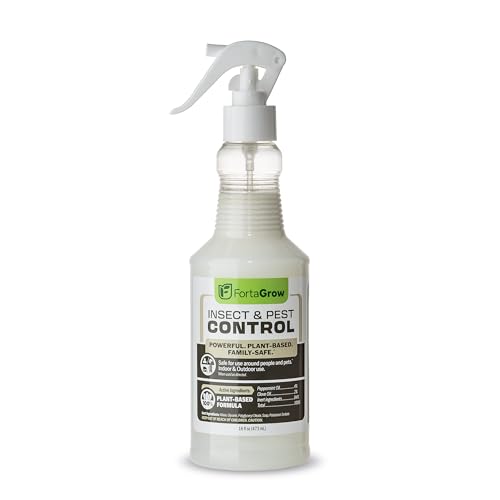
FortaGrow Insect & Pest Control Spray, Peppermint & Clove Oil, 16oz
Ever Pest Ultrasonic Pest Repeller 2-Pack

Grandpa Gus’s Advanced Pest Killer 16 Fl Oz

Monterey Sluggo Plus with Measuring Spoon 1 lb.

Waspika Peppermint Oil Insect and Spider Repellent Spray 16 oz
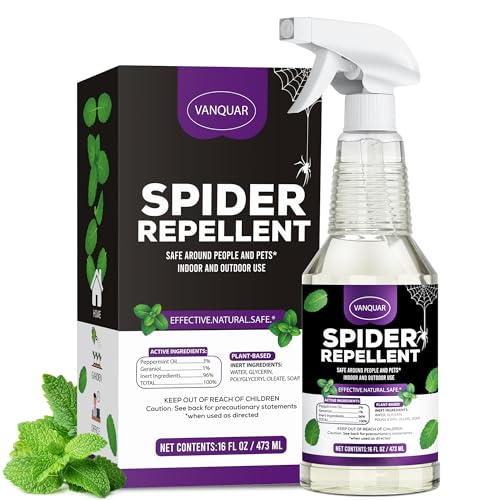
Vanquar Peppermint Oil Insect & Spider Repellent Spray 16 oz

GoneNaturally Peppermint Oil Spray for Bugs 16 oz
More Details On Our Top Picks
Granules make sense around beds, border plantings, and patio edges where earwigs stay low and hidden. Compared with a spray like FortaGrow, this is the tidier path for yard spaces that need slower, steadier coverage rather than spot treatment.
You may find it especially useful in vegetable patches or mixed garden beds where repeated reapplication gets old fast. The trade-off is simple, though, granules need placement discipline, and they are less handy for indoor corners or tight threshold gaps.
Strong Points
- Ready-to-use granules save you from mixing or spraying.
- Well suited to garden borders where earwigs travel.
- Fits routine outdoor maintenance without much setup fuss.
- More comfortable for broad perimeter use than a liquid spray.
Things To Consider
- Works best in outdoor or semi-outdoor spaces, not cramped indoor spots.
- Granular products usually need careful placement after watering or wind.
- Not the cleanest match for tiny cracks and baseboard gaps.
Core Details
Who It Suits Best
Home gardeners who want a simple perimeter option for beds, borders, and patio lines will get the most from this format.
A Better Fit Elsewhere
RobiGuard Diatomaceous Earth & Peppermint Powder suits you better for tiny indoor hiding spots or very targeted dry applications.
This dry powder suits tight spaces, baseboards, and spots where you do not want a wet residue. Compared with Bonide Captain Jack’s granules, it gives you a more targeted hand for indoor edges and small outdoor corners.
The food-grade diatomaceous earth is a mineral dust, and that means the finish is light and precise rather than heavy or bulky. The peppermint note adds a scent-forward angle, though the product still asks for careful handling so it stays where you place it.
Highlights
- Dry powder format is easy to place in narrow lines.
- Small 1 lb. size suits spot treatment and storage.
- Food-grade diatomaceous earth gives a familiar crawling-insect approach.
- Peppermint powder adds another layer of scent-based use.
Room For Improvement
- Powder handling can get messy around breezy entryways.
- Best suited to very specific placements, not broad coverage.
- Dry products often need more attention after cleaning or moisture.
Feature Snapshot
Who Should Grab It
Apartment dwellers, homeowners, and gardeners who want a compact dry option for precise placement will appreciate this format.
Look Elsewhere When
Bonide Diatomaceous Earth Crawling Insect Killer 5 lbs. is the smarter match for larger spaces that need more material on hand.
Compared with RobiGuard’s smaller powder pack, this 5 lb. version makes more sense for bigger gardens, barns, or broad perimeter jobs. The wider insect list matters too, because earwigs usually travel with other crawling pests rather than alone.
The label also points to indoor and outdoor use, which helps you keep one product on hand for more than a single corner of the house. The honest read is that larger packaging means more flexibility, but it also takes up more storage space and asks for a little more care during application.
Upsides
- Large 5 lb. supply suits bigger treatment areas.
- Indoor and outdoor use adds practical flexibility.
- Covers a wide range of crawling insects, not just earwigs.
- Can work as dust or mixed slurry, depending on setup.
- Fits households that prefer one broad-purpose insect control product.
Areas To Watch
- Bigger container is less convenient for tiny jobs.
- Dust application needs care around airflow and cleanup.
- Slurry use adds a mixing step most people would rather avoid.
Details At A Glance
Best Suited To
Homeowners with sheds, basements, gardens, or mixed-use spaces will get the strongest value from this larger format.
Where A Sibling Pick Shines
FortaGrow Insect & Pest Control Spray is a better fit for quick spot treatment on thresholds, trim, and small indoor trouble zones.
This spray is for the moments when earwigs show up along trim, sinks, windows, or patio doors and you want something ready to go. Compared with Bonide’s granules and powders, it is the more direct tool for quick surface treatment.
Peppermint and clove oil give it a strong botanical profile, which suits people who want a plant-based spray format for indoor and outdoor use. One thing worth considering is that sprays demand repeat attention on surfaces that get cleaned often, so it fits routines better than set-and-forget thinking.
What We Like
- Spray format makes spot treatment straightforward.
- Peppermint and clove oil create a distinct botanical profile.
- Works in both indoor and outdoor settings.
- Useful for door frames, corners, and similar edge zones.
Minor Gripes
- Sprays need reapplication after cleaning or heavy foot traffic.
- Liquid use is less discreet than dry powders.
- Best for targeted jobs, not large perimeter coverage.
Spec Overview
Made For
Busy homes that need a quick spray for baseboards, windows, and patio access points will find this format easy to keep nearby.
Skip It When
Bonide Diatomaceous Earth Crawling Insect Killer 5 lbs. makes more sense for broad-area treatment where a dry, longer-coverage approach fits better.
This plug-in route skips sprays, powders, and cleanup, which is why it appeals to people who want a low-touch setup in bedrooms, kitchens, or hallways. Compared with FortaGrow’s liquid spray, it asks for less direct handling, but it also changes the kind of control you’re getting.
The 2-pack format gives you two points of placement, so it works best in smaller homes or in paired rooms that stay connected. In most kitchens, the appeal is convenience first, not heavy coverage, and that trade-off is worth keeping in mind.
Bright Spots
- Plug-in design keeps the setup simple.
- Two units help cover more than one room.
- Good match for people who want a hands-off option.
- Fits small indoor spaces without bottles or residue.
Softer Spots
- Best suited to indoor use and nearby outlets.
- Does not give you the direct placement control of sprays or powders.
- Effect depends on room layout and where you can plug it in.
Technical Sheet
Whose Shelf It Belongs On
Apartment residents and low-maintenance households will appreciate the tidy setup and the lack of mess.
Reach For A Different Pick When
Grandpa Gus’s Advanced Pest Killer 16 Fl Oz is the better call for people who want a direct spray they can aim at visible insects and entry points.
This is the sort of spray you keep near the laundry room, mudroom, or garage door because it covers many common household insect jobs without feeling overly specialized. Compared with Ever Pest’s plug-in repeller, it gives you direct control over where the spray lands.
The label calls out a broad indoor and outdoor use profile, so it fits homes that move between porch, entryway, and interior problem spots. You may find that broad versatility useful, though sprays still ask for storage space and regular repeat application where surfaces get wiped down often.
Reasons To Buy
- Wide household use makes it easy to keep on hand.
- Direct spray format helps with visible insect activity.
- Works across indoor and outdoor settings.
- Simple bottle form is easy to store near problem areas.
- Good fit for households that want one routine spray.
Points To Note
- Sprays can need repeat use after cleaning or weather exposure.
- Less suited to broad soil-level treatment than granules or dust.
Core Details
The Right Fit
Families and general household users who want a single spray for common insect problems will find this one easy to work into weekly routines.
Another Choice May Suit
Monterey Sluggo Plus with Measuring Spoon fits gardeners better when the main job sits in beds, mulch, and planted borders.
This one is built for garden work first, especially when slugs, snails, and other creeping pests show up together. Compared with Grandpa Gus’s spray, it leans toward planted spaces and a measured application style rather than room-by-room use.
The included measuring spoon is a small but helpful touch, because garden treatments often work better when you can portion them cleanly. The OMRI listing matters for organic-minded gardeners, though the trade-off is that you are staying in a garden-use lane instead of getting a broad indoor spray.
Best Bits
- Measuring spoon helps with straightforward dosing.
- Garden-first format suits beds and borders.
- Works on slugs and snails, with other insects included.
- OMRI listing supports organic gardening preferences.
Small Caveats
- More focused on outdoor planting areas than indoor spaces.
- Dry garden treatment still needs careful placement after watering.
- Smaller 1 lb. package fits lighter use, not large properties.
Feature Rundown
Perfect Match For
Gardeners who want measured application around planted areas and prefer a product tied to organic gardening will like this format most.
Swap It Out When
Bonide Captain Jack’s Bug & Slug Killer Granules is the easier pick for people who want a similar garden job with a more straightforward granule setup.
This spray sits in the natural-scent lane, with peppermint oil doing the heavy lifting in a home, kitchen, or garden setting. Compared with Monterey Sluggo Plus, it is less about planted beds and more about spraying visible problem zones around the home.
The formula is described as extra strength, which helps it stand out among peppermint sprays, though you still get the usual spray trade-off: coverage is only as good as your routine. For kitchens and entry points, that means it can feel handy, but it still works best as part of regular upkeep.
Positives
- Peppermint oil gives the spray a familiar botanical profile.
- Works across home, kitchen, and garden settings.
- Extra-strength label suggests a firmer spray approach.
- Useful for earwigs where they travel along edges and corners.
Honest Caveats
- Sprays need repeat use in high-traffic or cleaned areas.
- Less suited to large soil-level treatment than granules.
- Best results depend on where and how carefully you apply it.
Quick Facts
Built With In Mind
Households that want a peppermint-based spray for everyday touch-ups around living spaces, counters, and entry points will get good value from this pick.
Look Elsewhere When
Ever Pest Ultrasonic Pest Repeller 2-Pack is the better match for anyone who wants to skip sprays entirely in small indoor rooms.
Vanquar stays close to the peppermint-spray formula you’ve already seen, but it leans harder into the all-natural, pet-safe positioning. That makes it appealing for homes with close contact areas, especially around kitchens and family traffic zones.
Compared with Waspika, the pitch feels a little gentler and more domestic, though both are in the same broad spray category. The honest read is that this suits a careful household routine more than a heavy outdoor perimeter job.
Standout Traits
- All-natural positioning fits a more cautious household routine.
- Pet-safe framing may suit busy family spaces.
- Useful for home, kitchen, and garden touch-ups.
- Simple 16 oz size is easy to stash nearby.
Room For Improvement
- Spray format still calls for regular reapplication.
- Less suited to larger outdoor treatment zones.
- Works better as maintenance than as a one-and-done fix.
Feature Card
Who Will Love This
Families who want a simple peppermint spray that fits routine use around shared spaces will probably find this one easy to live with.
Where Shoppers Go Wrong
GoneNaturally Peppermint Oil Spray for Bugs is the better choice for people who want a stronger-sounding spray with a more assertive label.
This final spray keeps the peppermint theme but leans into a stronger, more direct bug-spray identity. Compared with Vanquar, it feels like the more forceful sibling in the same family, which may suit people who want a firmer household spray.
It works indoors and outdoors, so it can move from porch edges to interior corners without changing products. The trade-off is the usual one for spray formats, regular upkeep matters, and it’s better for targeted routines than for broad garden coverage.
Best Bits
- Extra-strong framing suits tougher spot-treatment routines.
- Indoor and outdoor use adds flexibility.
- Works well for ants, roaches, spiders, and similar edge pests.
- Good fit for homes that prefer spray application.
Small Caveats
- Spray maintenance is part of the routine.
- Not the right style for people who prefer dry garden treatment.
- More useful for direct areas than for wide grounds.
Spec Overview
Built With In Mind
Homeowners who want a firmer peppermint spray for visible insect trouble spots and routine edge control will get the best fit here.
Where Shoppers Go Wrong
Bonide Diatomaceous Earth Crawling Insect Killer 5 lbs. suits larger, drier treatment zones better, especially when you want broader coverage than a spray can handle.
How To Choose The Right Earwig Repellents
Match The Format To The Space
Earwig control starts with where the insects are showing up. Granules and dusts make sense in gardens, mulch lines, and dry perimeter zones, while sprays fit trim, thresholds, and visible indoor edges.
Plug-in repellers sit in a separate lane entirely, since they skip direct application and suit small interior rooms with easy outlet access. The format matters more than the label, because a strong garden product often feels clumsy in a kitchen corner.
Think About Moisture And Cleanup
Earwigs like damp hiding spots, so products that stay put near soil or baseboards often work better than anything that disappears after the first wipe-down. Sprays need more upkeep on surfaces that get cleaned often, while powders can shift in breezy or wet spots.
That means your own routine matters as much as the formula. A busy household with frequent mopping may prefer granules outdoors or a repeller indoors, while a steadier maintenance routine opens the door to sprays and dusts.
Choose Between Broad Coverage And Spot Treatment
Some products are built for a wide area, while others are better for one crack, one doorway, or one bed edge. Broader treatments usually belong in yards, sheds, or mixed-use spaces, and spot treatments make more sense near the place where the insects are entering.
The cleaner your target area, the more precise your choice can be. That simple split helps you avoid overbuying a large container for a tiny job, or underbuying a small spray for a larger perimeter problem.
Look At How Much Handling You Want
Dusts and granules need more placement, but they keep you close to the actual problem zone. Sprays are quicker to aim, yet they ask for repeat use and regular storage, and plug-in units reduce handling even further at the cost of direct control.
For most homes, the best fit is the product you’ll actually use on schedule. A tidy bottle under the sink, a bag near the patio, or a compact repeller by the outlet all work better than a powerful formula that stays forgotten on a shelf.
What To Weigh Before You Shop
Mistakes Worth Dodging
One common misstep is matching the wrong form to the wrong location. A garden granule can be awkward indoors, and a small indoor spray often feels thin once you move out to borders, mulch, or foundation lines.
Another easy miss is ignoring moisture and foot traffic. Damp ground, regular cleaning, or windy placement can all change how long a treatment stays where you need it.
Where The Extra Money Goes
Higher-tier picks in this category often bring larger sizes, more specialized application methods, or a more convenient format such as a measuring spoon or a two-pack. That extra cost usually buys convenience, not magic.
It can also mean broader use across indoor and outdoor spaces, or a formula shaped for a specific kind of routine, such as organic gardening or low-touch indoor coverage. For larger homes or active gardens, that flexibility is often worth it.
Frequently Asked Questions
Do Earwig Repellents Work Better Indoors Or Outdoors?
Outdoor control usually gives you more room to treat the places earwigs hide, such as mulch, patio edges, and foundation lines. Indoor products make more sense for entry points, baseboards, and small rooms.
Are Sprays Better Than Powders For Earwigs?
Sprays are easier to aim at visible problem areas and quick entry points. Powders and granules usually fit better when you want a drier treatment around soil, beds, or cracks.
What Size Product Makes Sense For A Small Home?
Small homes usually do well with 16 oz sprays, 1 lb. powders, or a compact plug-in set. Larger bags make more sense only when you have repeated outdoor treatment areas.
Do Natural Sprays Need More Reapplication?
They often do, especially on surfaces that get cleaned or exposed to weather. That’s normal for a spray-based routine, so it helps to think of them as maintenance products.
Which Option Is Easiest To Live With?
Plug-in repellers are the simplest to place and forget, though they are limited to indoor outlet locations. For a no-fuss physical treatment, a ready-to-use spray is usually the next easiest choice.
