Your rose bed rewards the right soil more than almost anything else. This roundup helps you sort through composts, boosters, and organic feed options that fit everything from a small patio rose to a full backyard border. You’ll see which picks make sense for feeding, which are better for rebuilding tired soil, and which suit gardeners who want a simpler routine.
The line between compost and fertilizer gets blurry fast, so the notes below keep that difference clear. That matters because roses in containers, raised beds, and in-ground plantings usually need different kinds of support, and the wrong product can feel like extra work without much payoff.
The Shortlist At A Glance

Espoma Organic Land and Sea Gourmet Compost 1 Cubic Foot Bag

Great Big Roses Fertilizer Booster 1 Gallon
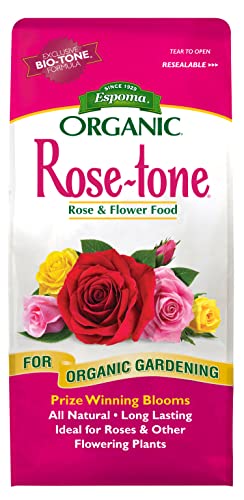
Espoma Organic Rose-Tone 4-3-2 4 lb. Bag, Pack of 2

Ribbon Organics OMRI Certified Organic Compost 7.9 Gallons

Farmer's Secret Rose Booster Fertilizer 8oz

Old Potters Organic Compost Plant-Based Potting Soil 24 Quarts

R&M Organics Compost Soil Amendment Fertilizer 10 lb

Mighty Plant Instant Compost Tea 5 oz
More Details On Our Top Picks
Roses planted in tired beds usually need more than a plain top-dress, and this blend leans into that job. The lobster and crab meal add a richer organic angle than a basic compost alone, so it suits gardeners who want to feed the soil while they improve texture. In a mixed border, that can feel like giving the bed a deeper meal instead of a quick snack.
The 1 cubic foot bag fits a modest rose patch or a few container plantings without taking over storage space. The trade-off is simple, it’s a soil builder rather than a quick liquid booster, so the payoff comes through steadier ground and better root support over time. Gardeners who like gradual, soil-first care will likely appreciate that balance most.
Strong Points
- Combines compost with marine-based meals for a broader feeding profile.
- Helps improve soil texture, which matters in beds that dry out fast.
- The bag size suits small to medium rose spaces.
- Works well for roses alongside flowers, shrubs, and small trees.
Small Caveats
- It’s not the quickest route to a visible bloom response.
- Bagged compost can be heavier to move than a liquid feed.
- Storage is easiest in a dry spot, since compost bags dislike damp corners.
Feature Snapshot
Who It Suits Best
Gardners rebuilding a rose bed or refreshing mixed flower borders will get the most from this kind of amendment.
Where A Sibling Pick Shines
Great Big Roses Fertilizer Booster suits gardeners who want a faster liquid routine for established roses that need regular feeding.
This one speaks directly to gardeners who prefer a liquid routine, especially when roses need repeated care through the season. The mix rate of 4 oz per gallon gives you a straightforward dilution path, so the measuring step stays simple instead of fussy. That matters in a busy garden where the watering can already has enough going on.
Compared with the compost-style options above, this formula is less about rebuilding the bed and more about feeding what’s already there. You may find it especially useful for flowering shrubs and hydrangeas too, since the listing points to broader ornamental use. The honest read is that liquid boosters shine for routine care, while soil amendments do the longer slow work.
What We Like
- Liquid format makes feeding easy to fold into watering.
- Works across roses, flowers, hydrangeas, and flowering shrubs.
- The mix ratio is clear, which helps you keep dosing consistent.
- Useful for gardeners who want regular, repeatable care.
- Can fit well into containers and established beds alike.
Points To Note
- Liquid products don’t improve soil texture the way compost does.
- Storage space matters more here than with a dry bag.
- Gardeners with very dry soil may still want a compost layer alongside it.
Core Details
Made For
Home gardeners who want a simple liquid feeding schedule for established roses and other bloomers fit this product well.
Another Choice May Suit
Espoma Organic Rose-Tone 4-3-2 suits someone who wants a dry, rose-specific fertilizer with a more traditional granule routine.
Some rose feeds try to do everything, and this one stays focused on the basics that matter for flowering shrubs. The 4-3-2 analysis is a nutrient ratio, meaning the three numbers show the relative balance of nitrogen, phosphorus, and potassium, and that kind of structure usually suits steady rose care more than a flashy burst. For most garden beds, that balanced dry format is easier to fold into a regular rhythm.
The two-bag pack gives you a practical cushion for repeat applications or a slightly larger planting area. Unlike the liquid booster from Great Big Roses, this option keeps the routine dry and measured, which many gardeners prefer around established bushes. The trade-off is that you’ll need to spread it by hand, but the upside is a cleaner storage shape and less mixing fuss.
Positives
- Rose-specific formula keeps the focus on flowering plants.
- Dry granules are simple to store and apply.
- The 4-3-2 ratio gives a balanced feeding profile for routine care.
- Pack of 2 offers enough supply for ongoing use.
- Useful for gardeners who dislike mixing liquids.
Areas To Watch
- Granular feeding takes a bit more hand application time.
- It does not rebuild soil structure the way compost does.
- Heavily containerized roses may still need watering attention after feeding.
Technical Sheet
Whose Shelf It Belongs On
Gardeners who want a dependable, rose-focused dry fertilizer for routine feeding will feel right at home with this one.
Look Elsewhere When
Ribbon Organics OMRI Certified Organic Compost suits you better when the priority is improving soil body before focusing on plant food.
When you need to amend a larger rose bed, this bag starts to make more sense than the smaller compost options above. The 7.9-gallon size and 32 to 35 pound weight point to a product meant for real garden volume, not just spot treatment. That makes it a sensible pick for spring bed prep or for blending into a row of established shrubs.
The OMRI label signals compliance with standards used in organic production, and that tends to matter to gardeners who keep their inputs consistent across the whole yard. The catch is the bag size, which can feel hefty to move and store, especially on a balcony or narrow path. In most backyards, though, that trade-off buys you less repurchasing and more coverage per bag.
Highlights
- Large bag suits bigger beds and repeat amendments.
- Useful when roses need a soil refresh rather than a quick feed.
- Organic certification language may matter to plan-minded gardeners.
- Dry compost is easy to blend into existing soil.
Worth Noting
- Bulkier package takes more storage room than liquid options.
- Handling the bag can be awkward in tight garden spaces.
- It’s a soil amendment, so the effect is steadier than instant.
Core Details
Right Fit For
Home gardeners who routinely top up several rose beds or mixed borders will get the most practical use from this compost.
Swap It Out When
Farmer's Secret Rose Booster Fertilizer fits better for someone who wants a small liquid concentrate instead of a heavy compost bag.
Small bottles have a place, especially in homes where storage room is tight and every shelf already has gardening clutter. This concentrate is built for roses through the whole growth cycle, so it suits people who want a single feed to stay in rotation from early growth to bloom time. The size is a nice fit for concentrated use, though it asks you to pay attention to dilution instead of pouring freely.
Compared with Great Big Roses, this bottle is easier to tuck away, but it also asks for more careful measuring. The honest read is that concentrated formulas reward gardeners who like control and consistency, while casual users may prefer the simplicity of a larger premixed jug. For patio roses and small collection care, the footprint is especially convenient.
Best Bits
- Very small bottle size saves storage space.
- Concentrated format stretches the product through repeated dilution.
- Formulated for roses at different points in the growth cycle.
- Handy for patio gardeners and small-scale care routines.
Room For Improvement
- Concentrates demand careful mixing.
- Small volume means you’ll track usage more closely.
- It does not improve soil structure on its own.
At A Glance
Who Will Love This
Patio gardeners and small-space rose keepers who want a compact liquid concentrate will find this format easy to live with.
A Better Fit Elsewhere
Old Potters Organic Compost Plant-Based Potting Soil suits you better when container roses need a soil base instead of another concentrate.
This plant-based compost leans toward the container gardener who wants one material to bridge indoor pots and outdoor growing spaces. The 24-quart size is easier to manage than a very large compost sack, and the plant-based framing should appeal to anyone who prefers a simpler ingredient story in their potting mix. In a rose pot, that kind of compost can help refresh tired media without turning the setup into a heavy project.
The listing also points to improvements in aeration, water retention, and nutrient availability, which are the three things container roses often need to stay steady between waterings. The trade-off is that you’re still working with a soil-building material, not a fast bloom feed, so the payoff is steadier roots and better structure. Gardeners juggling porch pots, herb planters, and a few roses will likely find that range useful.
Upsides
- Plant-based compost suits container mixes and mixed garden use.
- Quarts packaging keeps it easier to carry than bulk bags.
- Helpful for refreshing potting media in roses and other plants.
- Fits both indoor and outdoor growing setups.
Minor Gripes
- Like most composts, it’s a support material rather than a quick feed.
- Container users still need to watch drainage and watering habits.
- Smaller volume may not cover a large rose bed.
Details At A Glance
The Right Fit
Container gardeners who want a plant-based compost for roses, herbs, and patio planters will get the best day-to-day use here.
Where Another Pick Suits Better
Ribbon Organics OMRI Certified Organic Compost suits larger rose beds better when volume matters more than portability.
This amendment sits in a useful middle ground for gardeners who want compost benefits without moving into oversized bulk bags. The manure-based formula and moisture-retaining angle make sense for rose beds that dry too quickly, especially in warmer zones or raised beds that lose water faster. You may find the lower-odor framing reassuring too, because compost work is easier to repeat when the routine stays pleasant.
Compared with Old Potters, this option reads more like a soil amendment for beds than a universal potting material. That makes it a solid match for lawns, vegetables, herbs, and flowers as well as roses, which helps in mixed-use yards. The only real catch is that manure-based products can feel more specific in scent and handling than a neutral potting blend.
Reasons To Buy
- Moisture-holding angle helps in faster-drying soils.
- 10 lb size is easier to manage than very large compost bags.
- Works across lawns, vegetables, herbs, and flowers.
- Useful for raised beds and in-ground amendments.
Softer Spots
- Manure-based compost may feel more specific than plant-only blends.
- It is best treated as a soil amendment, not a quick feed.
- Storage is easiest in a dry, sealed area.
Feature Rundown
Best Suited To
Gardeners working mixed beds with roses, herbs, or vegetables will likely appreciate the flexible use range here.
Not Your Match When
Great Big Roses Fertilizer Booster fits better for someone who wants a liquid rose feed instead of a soil amendment bag.
Compost tea sits at the fast, mix-and-use end of the category, which makes it very different from the solid compost bags in this list. The listing points to a probiotic formula, and in garden terms that usually means a microbial blend designed to support plant feeding through liquid application. For roses in active growth, that can be handy when you want a quick routine without hauling bagged material.
Because it works with hydroponics as well as general gardening, it has a broader reach than the rose-only feeds above. The 5 oz size is easy to store, though that also means you’ll want to watch coverage carefully and think in terms of repeat use rather than bulk amendment. Gardeners who like fast mixing and small storage footprints will probably get the most out of it.
Plus Points
- Liquid compost tea format is easy to mix into a watering routine.
- Works for hydroponics and many other gardening setups.
- Small bottle is simple to store in a crowded shed.
- Bloom-booster framing suits roses in active growth.
Honest Caveats
- Small volume means you’ll want to plan application carefully.
- It functions more like a feeder than a soil builder.
- Gardeners who want long-term bed improvement may prefer a compost bag.
Feature Card
Built With In Mind
Gardeners who want a compact liquid supplement for roses and mixed plant setups will find this format easy to keep on hand.
Where A Sibling Pick Shines
Espoma Organic Land and Sea Gourmet Compost suits you better when the priority is rebuilding soil rather than using a quick liquid feed.
How To Choose The Right Composts For Roses
Start With The Job You Need Done
Roses don’t all ask for the same thing. A tired in-ground bed usually benefits from a compost-style amendment, while a container rose often needs fresher potting material and a steadier feeding rhythm.
Liquid boosters can help with routine feeding, but they won’t change soil texture the way a compost bag will. That difference matters most in dry ground, raised beds, and older planting areas where roots need more room to move through looser soil.
Match The Format To Your Routine
Granules, compost, and liquid concentrates each ask for a different kind of attention. Dry products are easier to store and often simpler to spread, while liquids are faster to mix into watering tasks.
For a weekend gardener, a dry bag can feel calmer and less fiddly. For someone feeding roses on a regular schedule, a liquid concentrate may fit the flow of the work better, especially in small spaces or container setups.
Check The Planting Situation First
Roses in full beds can make good use of heavier compost bags, especially when you want to refresh the soil around the roots. Patio pots and balcony planters tend to favor smaller containers or concentrates because lifting and storage matter more.
Mixed borders also deserve attention, since a broader amendment like Espoma Organic Land and Sea Gourmet Compost can support roses alongside shrubs and flowers. That’s the sort of practical fit that saves you from buying separate products for every corner of the yard.
Pay Attention To Ease Of Use
The best product for your setup is the one you’ll actually use on schedule. A neatly measured liquid like Great Big Roses Fertilizer Booster is easier to repeat than a heavy bag for some gardeners, while others prefer the simplicity of opening a compost sack and getting straight to the bed.
Storage, mess, and hauling all matter in real life. A compact bottle helps in tight sheds, but a big compost bag can make more sense when you’re already planning a larger seasonal refresh.
Things Worth Knowing First
Hidden Buying Traps
It’s easy to grab a rose product just because the label sounds active and rich. The common slip is treating compost, fertilizer, and compost tea like the same thing, then wondering why the result feels off.
Another miss is ignoring the size. A small bottle suits careful feeding, but a larger bed will need more material than a compact concentrate can comfortably cover.
The Upgrade Payoff
Higher-tier options in this category usually charge more because they bring a tighter formula, larger volume, or a more specialized ingredient profile. You’re paying for convenience too, especially when the product cuts down on mixing, repeat trips, or awkward handling.
That extra spend makes the most sense for gardeners with larger rose collections, mixed ornamental beds, or container setups that need repeat attention. For a single patio pot, a simpler product often does the job without extra complexity.
Frequently Asked Questions
Can compost alone feed roses well enough?
Compost improves the soil around roses, which helps roots work better and often supports steadier growth. Many roses still do better with some form of fertilizer or booster layered into the routine.
What’s the difference between compost and fertilizer for roses?
Compost focuses on soil structure and organic matter, while fertilizer focuses more directly on nutrients. That’s why compost often feels like groundwork and fertilizer feels like targeted feeding.
Are liquid rose feeds easier than dry ones?
Liquid feeds are usually faster to mix into watering, which suits gardeners who like a simple repeat routine. Dry products are often easier to store and can feel less messy.
Do container roses need a different kind of product?
Container roses usually appreciate lighter, easier-to-manage products because potting mix dries and depletes faster than garden soil. Compact composts and liquid boosters often fit that rhythm better.
How often should you feed roses?
That depends on the product type and your growing conditions. A steady, moderate routine usually works better than pushing too hard, especially in hot weather or in small pots.