

Duckweed can spread fast, especially in ponds, shoreline edges, and backyard water features that get steady sun. You need a pick that matches the plant type, the water size, and how quickly you want the surface to clear. The nine options below lean different ways, from lawn-safe spot sprays to aquatic treatments for floating growth.
Some are better for shoreline weeds, while others are built for open water and duckweed control in larger ponds. That mix matters, because the wrong formula can feel like using a kitchen knife for yard pruning, awkward and not quite right. You’ll see which ones fit small jobs, larger stretches of water, and longer-term control.
Quick Look At The Shortlist
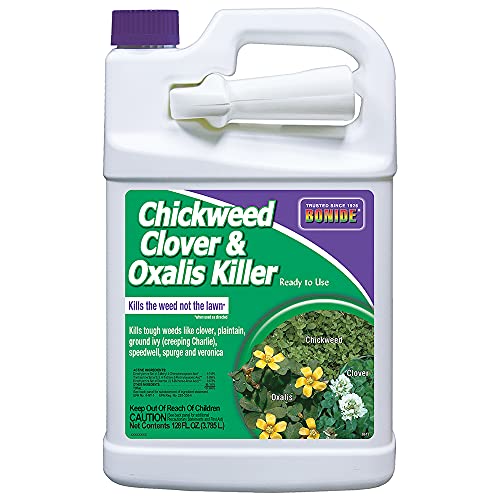
Bonide Chickweed, Clover & Oxalis Killer 128 oz Ready-to-Use Spray

Spectracide Weed Stop For Lawns Plus Crabgrass Killer Concentrate 32 Ounces

Airmax Shoreline Defense Emergent Weed Control Herbicide 1 Quart

Airmax Shoreline Defense Emergent Weed Control Herbicide 1 Gallon

Tsunami DQ Aquatic Herbicide Gallon 37.3 Percent Diquat Dibromide
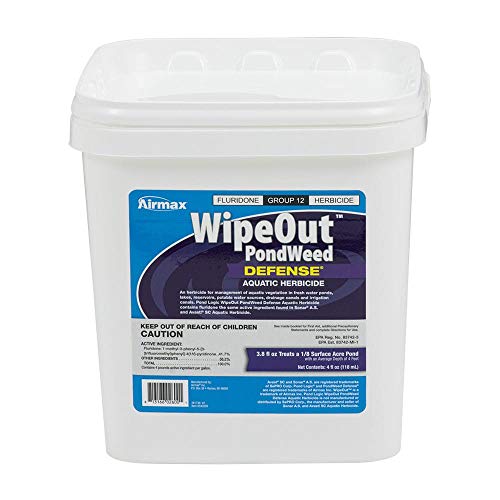
Airmax Wipeout Pond Weed Defense Herbicide & Aquatic Weed Control 4 Ounce

Airmax Wipeout Pond Weed Defense Herbicide & Aquatic Weed Control 8 Ounce

Airmax Wipeout Pond Weed Defense Herbicide & Aquatic Weed Control 32 Ounce

Airmax Wipeout Pond Weed Defense Herbicide & Aquatic Weed Control 16 Ounce
More Details On Our Top Picks
Bonide leans toward yard work, not pond treatment, so it makes sense for lawns dealing with chickweed, clover, and oxalis around walkways or fence lines. The ready-to-use spray format saves mixing time, which helps when you want to handle a patchy area without pulling out a sprayer and measuring cup.
That convenience comes with a trade-off, since ready-to-use bottles are less efficient for larger spaces than a concentrate. You’ll likely appreciate it most in a suburban yard where spot treatment matters more than bulk coverage, and the lawn-focused approach makes it a different kind of pick from the aquatic formulas farther down the list.
Strong Points
- No mixing step, so spot jobs feel straightforward.
- Built for common lawn weeds that show up in thin or uneven patches.
- 128-ounce volume suits repeated touch-ups around the yard.
- Useful for homeowners who want simple application rather than measuring and diluting.
Things To Consider
- Ready-to-use liquid usually covers less area per bottle than a concentrate.
- It fits lawn use, not duckweed in water.
- Storage takes more shelf space than smaller concentrated options.
Feature Card
Who It Suits Best
You’re a good match for this one if your main job is tidying a lawn, not treating a pond edge.
Where A Sibling Pick Shines
Spectracide Weed Stop For Lawns Plus Crabgrass Killer Concentrate fits you better for broader lawn coverage, especially when you want to mix exactly what you need.
Spectracide brings a more flexible yard-treatment setup than Bonide, because concentrate lets you mix to match the area you’re covering. That matters for homeowners dealing with scattered weeds across a larger lawn, especially where crabgrass adds another layer of annoyance.
The trade-off is the usual one with concentrates, you handle mixing and application gear yourself. For plenty of households, that’s a fair exchange, because a bottle like this fits regular lawn care better than a ready-to-spray format that can run out too quickly.
Upsides
- Concentrated formula gives you control over how much mix you prepare.
- Targets lawn weeds and crabgrass in one product path.
- Smaller bottle size stores easily on a utility shelf.
- Good fit for repeat lawn treatments through the season.
Worth Noting
- Mixing adds one more step before application.
- It still belongs in the lawn category, not the pond category.
- Small jobs may leave some concentrate unused for a while.
Core Details
Made For
You’ll get the most from this pick if you treat a lawn with mixed weed pressure and prefer a mix-it-yourself product.
Another Choice May Suit
Bonide Chickweed, Clover & Oxalis Killer 128 oz Ready-to-Use Spray suits you better for quick spot work, since it skips the measuring step.
This Airmax formula moves from turf care into shoreline work, so it suits pond banks, ditch edges, and similar wet-adjacent areas where emergent weeds stand above the waterline. The concentrated glyphosate treatment is a different tool from the duckweed-focused products later in the list, because it’s built around visible shoreline growth rather than floating surface cover.
For small properties with a few problem patches, the quart size can be easier to store and handle than the gallon version. The honest read is that it feels best for targeted maintenance, not broad acreage, which keeps it in a practical middle ground for shoreline owners.
Bright Spots
- Useful for emergent weeds along water edges.
- Quart size is easier to store than a larger jug.
- Concentrated format helps stretch treatment across targeted areas.
- Works for owners dealing with reeds, grass, and similar shoreline growth.
Small Caveats
- It’s not the right tool for floating duckweed mats.
- Concentrates need careful measuring and application gear.
- Smaller volume suits spot use more than wide coverage.
Spec Overview
Right Fit For
You’re in the sweet spot for this pick if you maintain a small shoreline and want a compact treatment bottle.
Look Elsewhere When
Airmax Wipeout Pond Weed Defense Herbicide & Aquatic Weed Control 8 Ounce makes more sense for floating duckweed in open water.
The gallon version follows the same shoreline logic as the quart, but it fits bigger stretches of bank, more brushy edges, or repeated use through the season. That larger container matters most for owners who’d rather keep one supply on hand than reorder small bottles for each patch.
Fresh water and brackish water use gives it broader placement than the lawn-only products earlier in the roundup. The trade-off shows up in handling, because a gallon takes more storage space and feels less nimble for tiny jobs, though it makes more sense for sizable shoreline maintenance.
Standout Traits
- Large container suits broader shoreline work.
- Good match for repeated maintenance on the same property.
- Built for fresh and brackish water settings.
- Concentrated formula can cover more ground than smaller ready-to-use options.
Areas To Watch
- Storage is less convenient than with a quart bottle.
- It still calls for mixing and careful application.
- The size may feel excessive for a few isolated weeds.
Feature Snapshot
Who Will Love This
You’ll appreciate this version most if your property has long shoreline runs or recurring brush growth near the water.
Swap It Out When
Pond Logic Airmax Shoreline Defense Emergent Weed Control Herbicide 1 Quart is easier to store for smaller maintenance jobs.
Tsunami DQ sits closer to the heart of duckweed control than the shoreline sprays above, because it’s aimed at aquatic weed management in lakes and ponds. The listed 37.3 percent diquat dibromide tells you it’s a concentrated aquatic formula, and that concentration is part of why it fits owners who want fast visible knockdown rather than a slow seasonal approach.
That speed is useful on surface growth that crowds the water, although fast-acting treatments usually demand careful handling and a good sense of where the product belongs. For pond owners dealing with duckweed, watermeal, or pondweed, it’s a serious tool, but it belongs in the category of focused aquatic treatment rather than casual maintenance.
Best Bits
- Targets duckweed and other aquatic plants in ponds and lakes.
- Fast action suits surface growth that needs quick knockdown.
- Gallon size supports larger water bodies or repeated use.
- Concentrated formula gives you a serious treatment option.
Honest Caveats
- It is not sold in several states listed by the maker.
- Strong aquatic formulas call for careful measuring and application.
- The gallon size takes more storage room than smaller bottles.
Details At A Glance
Best Suited To
You’ll get the most out of this one if your main goal is clearing floating or submerged aquatic growth in a pond or lake.
Where Another Pick Fits Better
Airmax Wipeout Pond Weed Defense Herbicide & Aquatic Weed Control 16 Ounce suits you better when you want a slower, longer-season pond strategy.
The 4-ounce Wipeout bottle makes sense for small ponds, test patches, or owners who want a modest supply before moving up to a larger size. The fluridone-based treatment works slowly by reducing chlorophyll, which is the green pigment plants use to make food from light, so the style of control is very different from Tsunami DQ’s faster knockdown approach.
That slower action can be a real advantage in a pond with fish or other sensitive life, since the formula is designed for gradual whole-water-body treatment rather than sudden change. You may find the small bottle easiest to store, but it also means you want a clear plan for coverage before mixing anything.
Highlights
- Small size is easy to store and handle.
- Targets duckweed plus other submerged and floating pond growth.
- Slow systemic action supports gradual treatment across the water body.
- Useful for owners who want a smaller starting point.
Points To Note
- Slow action asks for patience rather than quick visible results.
- Small bottle may suit only limited pond coverage.
- Careful planning matters before application, especially on larger water bodies.
Quick Facts
The Right Fit
You’ll like this pick most if you manage a small pond and want a compact, long-horizon treatment.
Reach For A Different Pick When
Tsunami DQ Aquatic Herbicide Gallon 37.3 Percent Diquat Dibromide is the better match for faster visible control in larger water bodies.
The 8-ounce bottle lands in a useful middle zone between the tiny 4-ounce version and the larger containers below. For pond owners with moderate coverage needs, that middle ground often feels easier to manage, because you get more supply without moving straight to a bulky jug.
Same fluridone-based, slow-systemic approach as the smaller Wipeout bottles, so the real question is how much water you need to treat at once. The trade-off is simple enough, it stores more easily than the 16-ounce and 32-ounce sizes, but it still expects patience and a plan rather than instant surface clearing.
What We Like
- Middle size offers a practical step up from the 4-ounce bottle.
- Good fit for moderate pond coverage needs.
- Slow treatment style suits whole-body pond management.
- Easier to store than the larger Wipeout sizes.
Minor Gripes
- Results are gradual, not immediate.
- It still takes planning to match the bottle size to the pond.
- Duckweed control depends on using the right treatment pattern for the water body.
At A Glance
Whose Shelf It Belongs On
You’re a good match for this bottle if you want a moderate supply for pond maintenance without jumping to a large container.
Skip It When
Airmax Wipeout Pond Weed Defense Herbicide & Aquatic Weed Control 4 Ounce makes more sense for very small or first-time pond treatment plans.
The 32-ounce Wipeout bottle is the heavier-duty sibling in this line, so it fits larger pond projects or owners who prefer to keep extra treatment on hand. Like the smaller bottles, it uses the same slow, systemic fluridone approach, which means the bottle size matters more for coverage planning than for changes in treatment style.
That makes it a sensible upgrade for bigger properties, though it also asks for more storage space and a little more confidence in your coverage estimate. Compared with the 4-ounce and 8-ounce options, this one feels built for repeat pond care rather than a quick trial run.
Reasons To Buy
- Larger size helps with bigger pond treatment plans.
- Same systemic approach as the smaller Wipeout bottles.
- Useful for owners who want to keep extra supply available.
- Good fit for recurring duckweed management.
Softer Spots
- Bulker storage compared with the smaller Wipeout bottles.
- Still a gradual treatment, so patience matters.
- May be more than a tiny pond needs.
Feature Rundown
Built With In Mind
You’ll appreciate this bottle most if you maintain a larger pond and want one container that can support an extended plan.
Where Shoppers Go Wrong
Airmax Wipeout Pond Weed Defense Herbicide & Aquatic Weed Control 16 Ounce is the easier fit when your pond is moderate in size and storage space is tighter.
The 16-ounce Wipeout bottle sits in a comfortable middle spot, which is why it tends to feel approachable for regular pond upkeep. It keeps the same fluridone-based, slow-systemic approach as the rest of the line, so you’re choosing size and coverage planning more than a different treatment style.
For many pond owners, that balance is useful because it avoids the tiny scale of the 4-ounce bottle and the storage burden of the 32-ounce container. It’s a sensible match for seasonal maintenance on a modest pond, especially where duckweed shows up often enough to justify keeping a bottle ready.
Positives
- Middle-sized container suits routine pond maintenance.
- More manageable to store than the 32-ounce bottle.
- Same duckweed-focused aquatic approach as the larger Wipeout options.
- Good balance for owners who want a practical supply level.
Room For Improvement
- Not as compact as the 4-ounce bottle.
- Not as supply-heavy as the 32-ounce version.
- Slow action still asks for patience.
Core Details
Perfect Match For
You’re in the right lane for this bottle if your pond needs steady seasonal attention and you want a middle-size supply.
Not Your Match When
Airmax Wipeout Pond Weed Defense Herbicide & Aquatic Weed Control 32 Ounce makes more sense for larger ponds or longer treatment plans.
How To Choose The Right Duckweed Killers
Match The Formula To The Water
Duckweed sits on the surface, but not every treatment works the same way. Aquatic formulas such as fluridone-based products are built for slower, whole-water-body control, while diquat-based products aim for quicker visible knockdown.
That difference matters in real use, because a pond with fish, wildlife, or steady use around the shore often needs a gentler plan than a short-term surface cleanup. Lawn products belong in turf, not open water, so the first decision is really about where the growth lives.
Choose The Speed You Can Live With
Fast-acting options can be satisfying when duckweed crowds a dock or blocks a small cove. They suit owners who want the surface cleared sooner, even though they usually ask for careful handling and attention to label directions.
Slower systemic products work more patiently, and that patience can be worth it for larger ponds or recurring growth. The trade-off is simple, you wait longer, but you often get a more manageable approach for broad water coverage.
Size The Container To The Job
Small bottles make sense for test patches, compact ponds, or maintenance on a tight budget of storage space. Larger containers fit broad shorelines and repeated seasonal treatment, yet they can feel cumbersome for one-off jobs.
Think about how often the problem returns and how much water you actually need to treat. A modest pond may do fine with 8 or 16 ounces, while a larger property usually benefits from keeping more supply on hand.
Look Beyond The Label Name
Some products mention duckweed directly, while others focus on submerged and floating aquatic vegetation. That wording matters, because a broader aquatic label can cover several nuisance plants, not just one species.
It also helps to separate shoreline herbicides from open-water formulas. Shoreline sprays fit emergent weeds at the edge, but floating mats and pond surface growth usually call for a true aquatic treatment.
Things Worth Knowing First
Wrong Turns To Avoid
One common mistake is choosing a lawn spray for a pond problem. Another is assuming that every aquatic formula works at the same pace, which can lead to disappointment when the product is built for gradual control.
Storage and mixing get overlooked too. Concentrates save space, but they ask for measuring and a sprayer, while ready-to-use bottles are easier to grab but less efficient for larger spaces.
The Upgrade Payoff
Higher-tier aquatic products usually cost more because they cover a broader use case or a larger volume. You’re paying for more treatment capacity, more specialized formulas, or a more suitable fit for recurring pond maintenance.
That extra spend makes sense for bigger properties and repeated duckweed pressure. For a small yard pond, a compact bottle can be enough, but larger water bodies usually justify stepping up.
Frequently Asked Questions
Can lawn weed killers handle duckweed?
No, lawn weed killers are meant for turf weeds rather than floating pond growth. Duckweed usually calls for a product designed for aquatic use.
Which type works faster on surface growth?
Diquat-based aquatic treatments are built for quicker visible knockdown. Fluridone-based options work more slowly and are better suited to longer control plans.
Do you need a large bottle for a small pond?
Not always, because compact bottles fit small ponds and limited treatment areas well. Larger bottles make more sense when the water body is bigger or the problem returns often.
Is shoreline treatment the same as pond treatment?
No, shoreline herbicides target emergent weeds at the edge of the water. Floating duckweed and similar growth need an aquatic formula made for the pond itself.
What matters most before choosing a product?
Match the formula to the water, then match the container size to the area you plan to treat. That keeps you from overbuying or ending up with the wrong type of control.
