

Duck setups get messy fast, and water is usually where the mess starts. You need a pick that fits your flock size, your cleaning routine, and the way ducks actually drink, splash, and crowd a trough. Some options work better for brooder space, while others suit a larger run or a yard with a hose nearby.
The eight Duck Waterers below cover cups, nipples, gravity-fed buckets, hanging troughs, and auto-refill styles. That mix helps you match the waterer to the season, the coop layout, and how much refilling you want to do. A few are also handy for chickens or mixed flocks, so you can choose with a little more flexibility.
Quick Look At The Shortlist

RentACoop 2 Gallon High Rise Chicken Waterer

Goovilla Chicken Feeder Waterer, 2 Pack 5 Quart Blue

Goovilla Chicken Feeder Waterer, 2 Pack 5 Quart Black

Goovilla Chicken Feeder Waterer, 2 Pack 5 Quart Orange

0.4Gal Top Fill Chick Feeder and Waterer Set Blue

Lilyang Automatic Chicken Waterer 2 Gallon
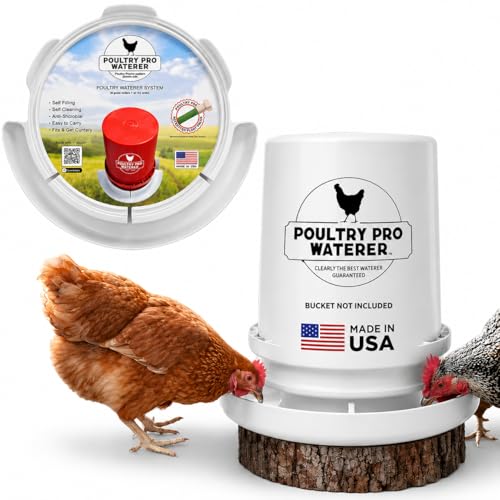
Poultry Pro Chicken Waterer for 5 Gallon Bucket

Chicken Waterer 1.5-Gallon Metal Handle Poultry Drinker
More Details On Our Top Picks
The mix of cups and horizontal nipples gives this RentACoop waterer unusual flexibility for a flock that changes with the weather. Ducks tend to be messier drinkers than chickens, so having two drinking styles in one setup can help you choose what works best in a crowded run.
The higher stance also keeps the drinking area up where bedding and stray grit are less likely to drift in. That trade-off matters, though, because a raised unit can suit a tidy coop better than a low, wide trough in a tiny brooder pen.
Strong Points
- Two cup inserts and two nipples give you options for different birds and seasons.
- The raised design helps keep drink points clearer than a floor-level pan.
- Cups can feel more familiar for birds that prefer a visible water surface.
- Nipples reduce splashing, which helps bedding stay drier in a busy coop.
Points To Note
- The higher setup can feel less convenient in low brooder space.
- Parts with multiple openings usually need a little more regular cleaning attention.
- Birds may prefer one drink style over the other, so a short adjustment period is normal.
Feature Rundown
Who It Suits Best
You get the most from this one in a mixed coop where ducks and chickens share space and drink differently.
Where A Sibling Pick Shines
Lilyang Automatic Chicken Waterer 2 Gallon suits you better when direct hose refill matters more than multiple drink styles.
Some coop setups need a simple feeder or waterer that can hang one day and screw in the next. That’s the main appeal here, and the 5-quart size gives you a sensible middle ground for small flocks without taking over the wall.
The blue finish is easy to spot in a cluttered run, which sounds minor until you’re carrying feed or bedding through a busy yard. Compared with the RentACoop pick, this one leans more toward straightforward utility than multi-drink versatility.
What We Like
- Two mounting styles add welcome flexibility during setup.
- The pair format works well for separating water points or different pens.
- 5-quart sizing suits modest daily use without feeling oversized.
- Clips and screws are included, so the mounting hardware is part of the package.
Small Caveats
- The plastic build is practical, but it is not as substantial as metal hardware.
- Wall or fence mounting depends on the surface you have available.
- A two-pack helps with flexibility, yet it also means more pieces to wash and keep track of.
Details At A Glance
Whose Shelf It Belongs On
You suit this pick best when you want a compact, adaptable setup for a backyard flock or a split pen.
A Better Fit Elsewhere
Poultry Pro Chicken Waterer for 5 Gallon Bucket makes more sense for you when you want a gravity-fed bucket setup instead of wall-mount hardware.
This black version follows the same practical template as the blue Goovilla set, but the darker finish feels a little less attention-grabbing in a tidy coop. That can be handy in a run where you want gear to blend in instead of calling attention to every wall fixture.
The real appeal is still the same: hanging or screw-in mounting, plus a pair of 5-quart units that suit small spaces. You may find the plain finish easier to pair with existing hardware, especially in a mixed-use shed or poultry corner.
Highlights
- The two-pack format gives you useful placement flexibility.
- Black hardware tends to look cleaner beside darker fencing or coops.
- 5-quart capacity works well for modest groups and short refill intervals.
- Included clips and screws help keep setup simple.
Areas To Watch
- Plastic parts can show wear sooner than heavier metal builds.
- Wall mounting still depends on the layout of your coop or fence.
- Dark finishes can be a little harder to inspect quickly in low light.
Core Details
Built With In Mind
You fit this version best when you want the same flexible setup as the blue one, but in a quieter-looking finish.
Reach For A Different Pick When
RentACoop 2 Gallon High Rise Chicken Waterer suits you better if you want multiple drink styles for birds that prefer cups or nipples.
The orange finish is the clearest visual difference in this Goovilla trio, and in a crowded coop that can make gear easier to spot at a glance. That matters more than it sounds when you’re moving fast with feed buckets or checking multiple pens.
Like the blue and black versions, it keeps the same hanging or screw-in flexibility and 5-quart format. The honest read is that the color is the main reason to choose this one over the other two, so it’s a style call first and a function call second.
Bright Spots
- The brighter color is easier to find in a busy setup.
- Two units in one pack make it simple to cover more than one spot.
- Clips and screws are included, which is handy for quick placement changes.
- Compact sizing works well in coops where wall space is tight.
Honest Caveats
- The function is nearly the same as the other Goovilla variants.
- Plastic construction keeps it light, but not especially heavy-duty.
- Bright color can show dust and scratches more readily over time.
Spec Overview
Right Fit For
You suit this version best when visibility matters and you want the easiest-to-spot Goovilla color.
Look Elsewhere When
Lilyang Automatic Chicken Waterer 2 Gallon makes more sense for you when hose-fed refill matters more than a bright finish.
This brooder set is built for the small, early stage where size and access matter more than big capacity. The 0.4-gallon feeder and 0.4-gallon waterer keep the footprint modest, which is useful in a warm indoor setup where every inch counts.
The three-height scoop detail is a quiet but useful touch, since young birds need access that stays low enough for comfort without turning the brooder into a mess. Compared with the larger flock options above, this one suits a far more controlled environment.
Positives
- The small footprint fits neatly in a brooder.
- Top-fill access can make refilling less awkward.
- The paired feeder and waterer help you keep a young setup matched.
- Three-height scoop support gives you a more adjustable feeding point.
Worth Noting
- The smaller volume means more frequent attention.
- It makes sense for chicks, not larger birds that need more space.
- Small parts are easier to wash, but also easier to misplace during cleaning.
Technical Sheet
Whose Shelf It Belongs On
You suit this set best when you’re raising chicks in a brooder and want compact, matched gear.
Swap It Out When
RentACoop 2 Gallon High Rise Chicken Waterer is the better fit once your flock grows beyond brooder-size care.
The float valve is the big story here, because it lets water refill itself as the level drops. For a keeper with a steady flock and a hose nearby, that can trim down the little chores that stack up over a week.
It connects directly to a 3/4 inch faucet and hose, and the no-tools assembly makes it feel less fussy than many refill setups. That said, a direct connection fits some yards far better than others, so this is a convenience-first choice rather than a portable one.
Reasons To Buy
- Float valve control helps keep the water level managed automatically.
- Direct hose and faucet connection suits fixed coop installations.
- The 2-gallon size offers a sensible reserve for routine use.
- No-tools assembly lowers the setup hassle for a straightforward install.
Room For Improvement
- The direct-connection design is less flexible for mobile setups.
- It suits a yard with plumbing access better than a remote pen.
- Float-based gear can call for periodic checking to keep flow consistent.
Feature Card
The Right Fit
You suit this waterer best when you want a semi-permanent setup and fewer refill chores.
Another Choice May Suit
Poultry Pro Chicken Waterer for 5 Gallon Bucket suits you better when you want a gravity-fed bucket format instead of a hose connection.
A bucket-based setup keeps things simple, and that’s the main draw here. Because the bucket is not included, you can choose your own container size and keep the system familiar if you already have a 5-gallon bucket on hand.
The gravity-fed approach suits a keeper who wants a low-drama water point for ducks, chickens, or small birds. It feels less hands-on than cup-and-nipple setups, though the trade-off is that you’ll want to pay attention to fit and cleanup around the bucket rim.
Best Bits
- The bucket format gives you flexibility over container choice.
- Gravity-fed watering keeps the concept simple and familiar.
- It works across several small poultry types, not just chickens.
- Once fitted, it suits a low-maintenance routine well.
Softer Spots
- You need to supply your own bucket.
- Bucket-based systems depend on a good fit and steady placement.
- Cleanup around the top edge can matter more than with a built-in tank.
Core Details
Made For
You suit this pick best when you like practical, no-frills watering and already have a bucket ready to go.
Where Shoppers Go Wrong
Lilyang Automatic Chicken Waterer 2 Gallon is the better match for you when direct hose refill matters more than a DIY bucket setup.
Metal handle construction gives this waterer a more practical carry feel than the lighter plastic picks above. For a keeper moving between a coop and a yard station, that handle can make transport and hanging easier to manage.
The 1.5-gallon capacity sits in a useful middle range, and the deep reservoir with a narrower drinking area is meant to help keep debris out. You may still want to clean it regularly, but the shape gives it a cleaner daily routine than an open pan.
Plus Points
- The metal handle makes carrying and hanging more convenient.
- 1.5 gallons gives you a moderate reserve for routine use.
- The deeper body can help keep stray litter out of the water.
- It works for a wider mix of birds, including ducks and young chicks.
Minor Gripes
- It is still a manual-fill waterer, so it needs regular attention.
- The narrower drink opening can feel less open than cup-style options.
- Households with larger flocks may want more total capacity.
Quick Facts
Perfect Match For
You suit this pick best when you want a sturdy, mid-size waterer with easier carrying and hanging.
Where A Sibling Pick Shines
RentACoop 2 Gallon High Rise Chicken Waterer suits you better when you want cups and nipples in one setup instead of a single reservoir style.
How To Choose The Right Duck Waterers
Start With Drink Style, Not Just Capacity
Duck waterers look similar at first, but the drinking interface changes the day-to-day experience. Cups, nipples, open reservoirs, and gravity-fed openings all shape how much splash reaches the bedding, and ducks tend to notice that difference fast.
Cup and nipple combinations, like the RentACoop model, suit mixed flocks that need cleaner access. Open or narrow-mouth designs feel more natural in some setups, while bucket-fed systems keep things simple for keepers who already have a container and want fewer parts.
Match The Waterer To Your Space
Low brooders, wall-mounted coops, and yard stations each call for a different footprint. Compact units such as the Tiflev set make sense where space is tight, while the Lilyang hose-fed model fits a fixed point near water access.
Mounting style matters just as much as size. Hanging and screw-in options give you flexibility, but they also depend on solid support, while a bucket setup leans on the stability of the container you choose.
Think About Cleaning And Refilling Rhythm
In a duck setup, water care becomes a recurring chore, not a once-in-a-while task. Bigger reservoirs reduce refill frequency, yet they also ask for more weight, more cleaning space, and more attention to the corners where grime tends to collect.
For busy households, an auto-refill system can trim the routine. For smaller flocks or temporary pens, a manual-fill waterer may be the easier fit because it stays portable and less tied to plumbing.
Choose Materials For Daily Handling
Plastic options are light and easy to move, which helps in temporary pens or small coops. Metal-handle designs add a sturdier feel for hanging or carrying, though they still need regular rinsing like any poultry waterer.
The better material choice depends on how often you relocate the unit and how rough the coop environment gets. A sturdier handle and a deeper reservoir matter more in a large yard, while a lighter design may suit a brooder or secondary pen.
Things Worth Knowing First
Wrong Turns To Avoid
Many shoppers focus on capacity and miss the shape of the drinking area. That can leave you with a waterer that holds enough volume but still makes a mess because the access point suits chickens better than ducks.
Another common miss is choosing a fixed hose-fed unit for a yard without convenient plumbing. In that case, a manual-fill bucket or hanging option usually makes more sense and keeps daily care simpler.
Where The Extra Money Goes
Higher-tier options usually spend more on convenience, fit flexibility, and cleaner water control. Float valves, direct hose connections, cup-and-nipple layouts, and sturdier handles all add parts or design work, and that tends to show up in the final build.
That upgrade is worth it for keepers who care about fewer refill chores or cleaner bedding. For a small brooder or a temporary pen, a simpler unit often covers the job without asking you to pay for features you won’t use.
Frequently Asked Questions
Are Duck Waterers Different From Chicken Waterers?
They often are, mostly because ducks drink in a way that creates more splash and mess. A deeper reservoir, a raised design, or a cleaner drinking interface usually helps.
Do Ducks Use Nipples And Cups Easily?
Some ducks adapt quickly, while others prefer a more open water point. A mixed setup like the RentACoop model gives you more than one option, which helps during the transition.
What Size Duck Waterer Works For Small Flocks?
For a few ducks, a 1.5 to 2 gallon waterer can be a practical middle ground. Bigger flocks usually need either more total capacity or a refill setup that keeps pace with daily use.
Is A Hanging Waterer Better Than A Floor Model?
Hanging models can help keep bedding cleaner because the drink point sits above the ground. Floor models can feel more natural for ducks, though they usually need more attention around splash and debris.
Should You Choose Manual Fill Or Auto Refill?
Manual fill suits smaller flocks, temporary pens, and places without plumbing access. Auto refill works better when you want a steadier water supply and a fixed installation near a faucet.
