Turning over a garden bed by hand gets old fast, especially when the soil has settled hard after a dry spell. Cordless tillers help you loosen ground for planting, mix in compost, and clean up small patch jobs without dragging a cord across the yard. For small to mid-size spaces, the right model can save your back and trim a lot of time.
The list below focuses on practical fit, battery setup, tilling width, depth, and the kind of yard work each tool suits best. Some picks lean compact and easy to store, while others bring more reach for wider beds or tougher ground.
The Shortlist At A Glance
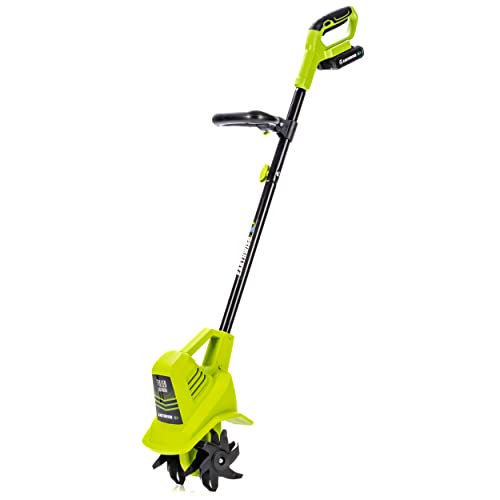
Earthwise TC70020IT 20V 7.5″ Cordless Electric Garden Tiller Cultivator

SOARFLY Upgraded Cordless Electric Tiller 8.0Ah Mini Cultivator

TaskStar 12 Inch Electric Tiller Cultivator 40V with 2 Batteries
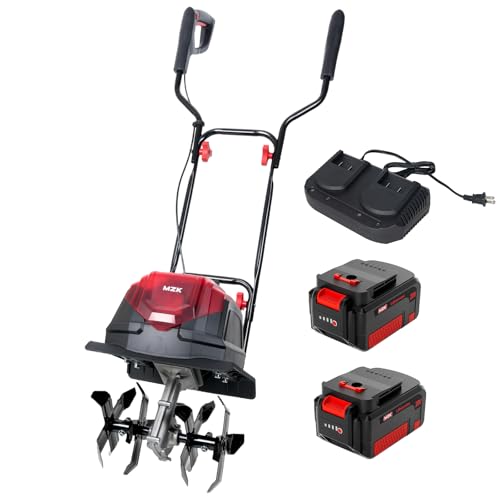
MZK 40V 12-Inch Cordless Garden Tiller Cultivator

Saker 22V Cordless Garden Tiller Cultivator Rototiller

Muylux 20V Cordless Tiller Cultivator with 2 Batteries
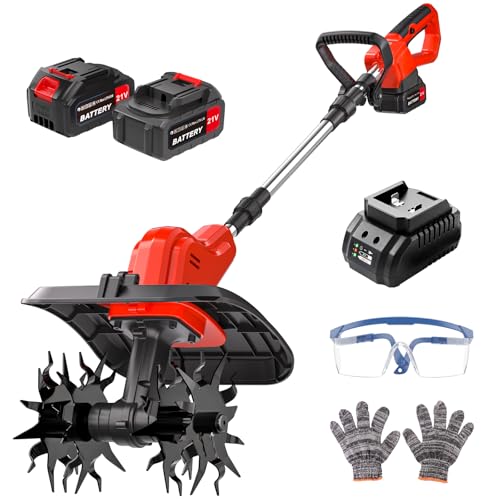
POGGT 21V Cordless Tiller for Gardening 120Mins Runtime

IncwBo 12″ 10.5-Amp Electric Roto Tiller Cultivator
More Details On Our Top Picks
Earthwise keeps this one compact, and that matters more than a flashy spec sheet in a narrow bed or a modest backyard strip. The 7.5-inch working width gives you a controlled pass, so you can loosen soil around seedlings or tidy a border without feeling like the tool is too much for the space.
For townhouse gardens and small patches, that smaller footprint is a real advantage because storage stays easy and handling stays friendly. The trade-off is plain enough, though, since a tighter width means more passes across larger beds, so this suits tidy zones more than broad renovation jobs.
Strong Points
- 7.5-inch width keeps it nimble in tight garden spaces.
- Battery-powered design avoids cord management around beds and paths.
- Small size makes storage simpler in a crowded shed.
- Good fit for edging, container zones, and light soil refresh work.
Things To Consider
- Narrow coverage means larger plots take more passes.
- It suits lighter work better than hard-packed ground.
- Compact tools usually need a steadier walking pace to keep the cut even.
Feature Snapshot
Who It Suits Best
Home gardeners with small plots, raised beds, or light seasonal touch-ups will get the most from this size.
Where A Sibling Pick Shines
TaskStar 12 Inch Electric Tiller Cultivator 40V with 2 Batteries fits you better for wider beds that need more ground covered in fewer passes.
This SOARFLY model stands out for battery capacity rather than sheer size, and that’s useful in gardens where pauses for recharging feel disruptive. Two 4.0Ah batteries give you a more flexible routine, especially for weekends spent opening up fresh beds or refreshing a vegetable patch.
Its 9-inch width keeps it more manageable than the widest options in this roundup, while the 6.6-inch depth and 48 steel tines point to serious soil contact for a mini cultivator. The honest read is that you’re still in a compact format, so it’s better for organized garden work than for rough, heavily compacted ground.
Upsides
- Dual 4.0Ah batteries support longer work sessions.
- 9-inch width gives a balanced middle ground for small and mid-size beds.
- Forty-eight steel tines suggest lively soil engagement for routine cultivation.
- Battery bundle reduces the need to stop as often.
Small Caveats
- Mini cultivator sizing still limits how quickly large areas get covered.
- Steel tines ask for routine cleaning after damp soil work.
- Best results usually come from prepared ground, not dense, root-heavy patches.
Core Details
Built With In Mind
You’ll appreciate this most in a small-to-medium garden where battery life matters as much as cutting width.
Another Choice May Suit
POGGT 21V Cordless Tiller for Gardening 120Mins Runtime suits you better when runtime is the main concern and you want a wider 11.8-inch sweep.
TaskStar brings a wider 12-inch cut and a deeper 8-inch reach, so it reads like the more ambitious option in the first half of this list. That extra coverage matters in garden rows and broader beds, where fewer passes can make the whole job feel less drawn out.
Two 5.0Ah batteries and adjustable wheels add a more planted feel, especially when you’re moving between lawn edges and fresh soil. Compared with the Earthwise and SOARFLY picks, this one pushes farther toward full garden prep, though the added size makes it less casual to carry and store.
What We Like
- 12-inch width covers more ground per pass.
- 8-inch depth helps with fuller soil preparation.
- Two 5.0Ah batteries support longer work stretches.
- Adjustable wheels make pace and height control more manageable.
- Feels well suited to garden beds that need regular reshaping.
Points To Note
- Larger reach can feel bulky in narrow side yards.
- Wheels add convenience, but they also add another part to keep clean.
- Deeper digging works best when the soil is already broken up a bit.
Details At A Glance
Right Fit For
Gardeners handling broader planting areas or regular soil prep work will find the wider cut especially useful.
Swap It Out When
MZK 40V 12-Inch Cordless Garden Tiller Cultivator is the cleaner choice for you if you want similar width with a slightly different balance of depth and layout.
MZK sits in that useful middle ground where width and depth both feel serious without pushing all the way into the largest-format tools. The 12-inch span and 8.6-inch depth make sense for lawn cultivation, garden beds, and backyard planting where you want coverage without stepping up to a corded machine.
Compared with TaskStar, this pick leans a touch deeper on paper, while still staying in a cordless format that’s easier to move around outbuildings and side yards. The trade-off is the same one you see with wider tillers in general, since more capability usually means a bit less nimbleness in cramped corners.
Highlights
- 12-inch width keeps larger patches moving along.
- 8.6-inch depth gives you generous soil engagement.
- Useful for lawn cultivation, soil prep, and planting areas.
- Cordless layout keeps setup simple in mixed yard spaces.
Areas To Watch
- Broader dimensions are less handy near tight borders.
- Heavier-duty yard work may still favor a corded model like IncwBo.
- Storage takes a bit more room than the compact picks earlier in the list.
Core Details
Whose Shelf It Belongs On
You’ll get the most from this one in a standard suburban yard that needs a practical mix of reach and maneuverability.
Reach For A Different Pick When
Earthwise TC70020IT 20V 7.5″ Cordless Electric Garden Tiller Cultivator suits you better for tight beds where a smaller footprint matters more than depth.
Saker keeps the footprint lean with a 9-inch tilling width and a 6.3-inch depth, which fits the kind of work most people do around smaller garden beds. The 360 RPM speed gives the tool a quick pace on paper, though real-world comfort still depends on how loose your soil already is.
That makes it a sensible fit for soil prep, weeding, and light cultivation around beds that don’t need a broad, heavy pass. Two batteries add convenience, but this one is still better thought of as a nimble helper than a full-scale renovation tool.
Bright Spots
- 9-inch width keeps it manageable in tighter planting zones.
- 6.3-inch depth is useful for routine bed refresh work.
- 360 RPM suggests brisk tine movement for light cultivation.
- Dual-battery setup adds flexibility for shorter jobs.
Honest Caveats
- Smaller reach means more passes across wide spaces.
- Fast-moving compact tools can feel less relaxed in dense soil.
- Tines and battery contacts benefit from regular cleaning after muddy work.
Feature Rundown
Perfect Match For
Small-yard gardeners and weekend refresh jobs are the strongest fit for this lighter, faster format.
A Better Fit Elsewhere
TaskStar 12 Inch Electric Tiller Cultivator 40V with 2 Batteries suits you better for broader beds where width matters more than compact size.
Muylux leans into simplicity, which is useful for gardeners who want a straightforward battery setup without a lot of extra complexity. The included charger and two 2.0Ah batteries make the package feel ready for light cultivation, edging, and seasonal soil loosening.
Compared with SOARFLY and POGGT, this one is less about extended runtime and more about getting a basic cordless tiller into your shed with the essentials already covered. That keeps the learning curve modest, although the smaller batteries also point to a more casual pace of use.
Best Bits
- Two batteries and a charger make setup straightforward.
- 20V format suits light garden cultivation and upkeep.
- Easy to store for quick weekend jobs.
- Simple package makes it approachable for new cordless-tool owners.
Worth Noting
- Smaller batteries usually suit shorter sessions.
- Light-duty framing makes it a better fit for softer soil.
- Regular cleaning helps keep the tines from packing up after damp use.
Quick Facts
Made For
New gardeners and anyone handling occasional patch work will appreciate the easy package and compact setup.
Look Elsewhere When
POGGT 21V Cordless Tiller for Gardening 120Mins Runtime fits you better when longer sessions and wider coverage matter more.
POGGT is the runtime-led pick here, and that matters for yard work that stretches beyond a quick cleanup pass. With two 4.0Ah batteries, an 11.8-inch width, and a 6.6-inch depth, it sits in the useful middle zone between compact tools and heavier garden machines.
The 360 RPM figure adds to that sense of steady motion, especially for soil work that’s spread over a larger patch. The catch is that runtime claims always matter most in actual yard conditions, so this feels best for standard garden prep rather than messy, root-choked ground.
Positives
- 120-minute runtime claim points to longer gardening sessions.
- 11.8-inch width gives you solid coverage without going oversized.
- Two 4.0Ah batteries are a practical pairing for cordless work.
- 360 RPM supports a brisk, even cutting rhythm.
- Good fit for gardeners who prefer fewer interruptions.
Room For Improvement
- Wider coverage is less nimble in tight bed corners.
- Long runtime still depends on soil type and how hard the ground is.
- Battery and tine cleanup matter after gritty or damp use.
At A Glance
Who Should Grab It
You’ll like this most for larger home gardens where runtime and width matter more than tiny-footprint handling.
Where Shoppers Go Wrong
Saker 22V Cordless Garden Tiller Cultivator Rototiller works better for gardeners who want a smaller, more nimble tool for lighter jobs.
IncwBo is the outlier in this roundup because it runs on a corded 10.5-amp motor instead of batteries. That means you’re trading cordless freedom for continuous power, which can make sense in stubborn soil where consistent pull matters more than portability.
The front-tine layout, metal baffle, overload protection, and easy assembly language point to a tool built for harder ground and simpler upkeep. Compared with the cordless picks above, this one asks you to manage the cord, but it also avoids battery timing during longer garden sessions.
Reasons To Buy
- 10.5-amp corded power suits tougher soil work.
- 12-inch width gives efficient coverage across broader strips.
- Metal baffle adds a more protective front-end feel.
- Overload protection is useful for demanding garden conditions.
- Easy assembly language suggests a simpler first setup.
Minor Gripes
- Cord management matters, especially in larger yards.
- Less convenient in areas far from outlets.
- Front-tine tools can feel more task-specific than small cordless cultivators.
Technical Sheet
Who Will Love This
Gardeners with access to outdoor outlets and heavier soil prep needs will get the most from this corded option.
Consider Something Else When
MZK 40V 12-Inch Cordless Garden Tiller Cultivator suits you better if you want similar width without the cord trailing behind you.
How To Choose The Right Cordless Tillers
Match Width And Depth To Your Beds
Working width tells you how much soil the tool covers in one pass, while working depth shows how far it can break into the bed. A 7.5-inch unit like Earthwise feels tidy in narrow rows, while 12-inch models such as TaskStar and MZK make faster work of broader plots. Wider tools save time, but they also ask for more room to turn and store.
Depth matters just as much, especially for new beds or ground that’s been sitting untouched. A deeper figure, like MZK’s 8.6 inches or TaskStar’s 8 inches, can help with fuller soil prep, while shallower compact tools fit lighter touch-ups. The honest read is that deeper is not always better, because soft beds and small spaces often reward control more than reach.
Pay Attention To Battery Setup
Battery count and amp-hours shape how long you can keep moving before a pause. Two 5.0Ah batteries, as on TaskStar, point to more staying power than a smaller pair such as the 2.0Ah set in Muylux, and that difference matters on long weekends. More capacity usually means more weight, so the tool can feel a bit less casual in the hand.
Runtime claims also need a practical eye. POGGT’s 120-minute figure looks appealing for larger gardens, yet dense soil, repeated passes, and thicker roots all change the picture. For most yards, the safest read is that bigger batteries buy you more flexibility, not magic.
Think About Soil Type And Handling
Loose soil, raised beds, and recently worked plots are friendlier to compact cordless tillers than packed clay or root-heavy ground. Saker’s 360 RPM and 9-inch width suit quick cultivation in lighter conditions, while IncwBo’s corded 10.5-amp motor is the more serious choice when the ground is harder. A tool can only do so much if the bed hasn’t been broken up at all.
Handling matters too. Adjustable wheels, like the setup on TaskStar, help steady the machine, while lighter bodies are easier to lift, clean, and store after use. The best match is usually the model that fits your soil, your storage space, and how long you want to stand at work.
What To Weigh Before You Decide
Common Shopping Slip Ups
The biggest mistake is chasing width without thinking about yard layout. A 12-inch tiller sounds efficient, but in a tight side yard it can feel like too much machine for the space.
Another common miss is overlooking battery size. Smaller packs are fine for quick tidy-up work, yet they can feel short on stamina during longer spring prep sessions.
The Upgrade Payoff
Higher-tier cordless tillers usually cost more because you get larger battery packs, wider cutting paths, deeper reach, and extras like adjustable wheels. That added hardware matters when you’re working several beds or trying to keep passes to a minimum.
The upgrade makes the most sense for bigger yards, tougher soil, or any garden where stopping halfway through is the last thing you want. For lighter border work, a compact model often gives you enough without extra bulk.
Frequently Asked Questions
What size cordless tiller works for a small garden?
A compact model with a 7.5- to 9-inch width usually fits small beds best. That size gives you control around borders and seedlings without crowding the space.
Do cordless tillers handle hard soil well?
Some can manage firmer ground, especially wider models with deeper reach or stronger battery setups. Very packed soil still tends to favor a corded machine like IncwBo.
How much battery capacity matters for yard work?
Higher amp-hour packs usually support longer sessions, which helps on larger beds or repeated passes. Smaller batteries are still fine for light upkeep and short garden jobs.
Is a wider tiller always better?
Wider tools cover more ground, but they can feel awkward in narrow plots or around tight corners. The better choice depends on whether your yard is open or cramped.
What should you clean after using a cordless tiller?
Soil and plant matter often collect around the tines, wheels, and battery contacts. A quick cleanup after use helps keep the tool easier to store and ready for the next round.