

Dry patches can turn a tidy yard into a patchwork of bare spots, weeds, and constant watering. The right drought tolerant ground cover helps you cover soil, soften edges, and reduce upkeep without asking for a full lawn routine.
You’ll see seed mixes, flowering spreads, sedum mats, and even a barrier fabric in this shortlist, because dry-site gardening is rarely one note. The best fit depends on whether you want fragrance, blooms, low mowing, or a cleaner foundation under the plants you already have.
Quick Look At The Shortlist

PLANTMEW Creeping Thyme Seeds 10g
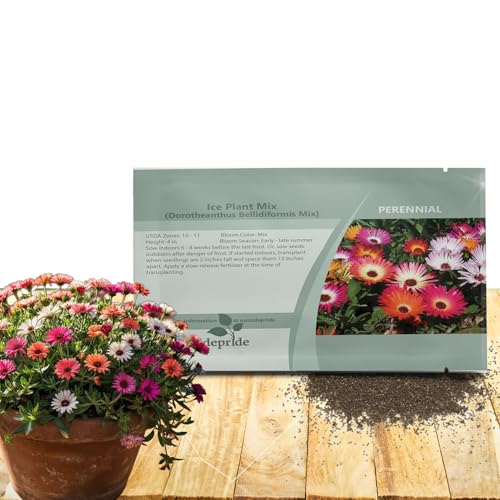
Outsidepride Mix Ice Plant Seeds 10000 Pcs

O.M. Scott & Sons Strawberry Clover Seed 2 lbs

TKE Farms & Gardens Purslane Seeds 1 Gram Packet

Forget Me Not Seeds 500 Flower Seeds

Scotts Grass Seed Drought Tolerant Mix 4 lbs

Groundio Creeping Thyme Seeds Ground Cover Plant

Plants for Pets Sedum Groundcover Mat 10 in. x 20 in.

Vanver Landscape Fabric 3ft x 300ft
More Details On Our Top Picks
Creeping thyme brings a softer look than plain turf, and this 10g pack suits path edges, sunny seams, and spots that stay on the dry side. The trade-off is simple, it’s a seed start, so patience matters more than with a finished mat.
For a front walk or a small border, the fragrance and low profile can feel like a good fit without demanding much fuss later. You’ll still want even soil contact and a little early attention, which is normal with thyme seed.
Strong Points
- Fragrant thyme can soften hardscaped areas.
- Small pack size suits narrow strips and patchy edges.
- Works well where a lawn feels too thirsty.
- Fits decorative planting near steps or paths.
Things To Consider
- Seed starts slowly compared with live ground cover.
- Thin border plantings may need extra planning at the start.
Feature Card
Who It Suits Best
You’ll get the most out of this in sunny, low-traffic spots where fragrance and texture matter as much as coverage.
Where A Sibling Pick Shines
Groundio Creeping Thyme Seeds Ground Cover Plant suits shoppers who want a similar thyme look with a grown-in-the-USA label and a broader planting project.
Ice plant brings a brighter, more ornamental edge than the thyme seed above, especially along hot banks and bright beds. The trailing habit suits places where you want color to spill over a border instead of staying tight and clipped.
The 10,000-piece count gives you room for a broader layout, though successful coverage still depends on spacing and site conditions. You’ll like this most in sunny gardens that need visual interest as much as drought tolerance.
What We Like
- Trailing blooms can add movement to a slope or ledge.
- Large seed count supports wider planting plans.
- Well suited to bright, dry exposures.
- Can turn a plain area into something more decorative.
Small Caveats
- Needs a sunny site to make the most sense.
- Flowering ground cover usually asks for more patience than a mat.
- Looks can vary a lot with spacing and local weather.
Details At A Glance
Who Will Love This
You’ll appreciate this for sunny ornamented spaces where trailing color matters more than a plain lawn look.
Look Elsewhere When
PLANTMEW Creeping Thyme Seeds 10g makes more sense for narrow paths and a tighter herb-style finish.
Strawberry clover is the broadest lawn-style option in this group, and that matters for anyone replacing more than a tiny strip of turf. Compared with the thyme and ice plant picks, it leans less ornamental and more practical, which is exactly the point for many yards.
The 2 lb bag is tied to a stated 1,000 sq. ft. coverage figure, so the planning part feels more straightforward than with small seed packets. For larger side yards or patchy open space, that clear coverage target helps you map the job without guesswork.
Highlights
- Designed for a lower-care lawn alternative.
- Coverage figure helps you size the project.
- Better fit for broader ground than tiny edging jobs.
- Useful for yard sections that stay dry and thin.
Worth Noting
- Needs more space than the thyme packets in this list.
- Coverage depends on how densely you seed the area.
- The lawn look is softer and less formal than turf.
Core Details
Made For
This suits homeowners who want a lower-maintenance lawn substitute across a wider area rather than a decorative accent.
Not Your Match When
Plants for Pets Sedum Groundcover Mat 10 in. x 20 in. fits faster visual coverage in a smaller, design-focused spot.
Purslane is a useful choice for hot spots because it’s both a ground cover idea and an edible garden plant, which gives it a different job from the clover and thyme options. In a small bed or border, that dual purpose can make the space feel less one-dimensional.
The 1 gram packet holds 2,000-plus seeds, so the quantity makes sense for gardeners who want to fill several small sections instead of one big lawn. The mixed upside is that it stays compact and versatile, while the small packet means large areas need a different plan.
Upsides
- Heat and drought tolerance suit tough exposures.
- Edible use adds flexibility in kitchen gardens.
- Large seed count works for many small plantings.
- Heirloom and non-GMO labeling may matter to careful seed shoppers.
Areas To Watch
- Small packet size is better for modest projects.
- Edible use is only useful for gardeners who want that feature.
- Ground cover density will depend on sowing habits.
At A Glance
Right Fit For
You’ll like this most in small edible gardens, hot patio beds, or mixed plantings where usefulness matters as much as texture.
Another Choice May Suit
O.M. Scott & Sons Strawberry Clover Seed 2 lbs is the better match for larger areas that need a broader lawn replacement.
Forget-me-nots are about layering, not replacing, which makes this pack a smart companion for bulbs like tulips. Compared with the tougher seed options in this roundup, it leans more toward seasonal softness and color than dry-site toughness alone.
The 500-seed count is modest, but that suits accent work in beds where you want a light spread rather than a full takeover. You may find it especially handy where bare patches around spring bulbs need a gentler finish.
Bright Spots
- Good match for bulb beds and layered flower planting.
- Creates a softer ground layer than plain mulch.
- Pack size works for accent areas and smaller beds.
- U.S. grown seed may appeal to some gardeners.
Points To Note
- Not the most direct pick for hot, exposed dry zones.
- Small seed count limits broader coverage projects.
- Works best as a companion planting, not a stand-alone lawn substitute.
Feature Rundown
Whose Shelf It Belongs On
This is a good fit for gardeners building around bulbs, spring beds, and softer flower combinations.
Reach For A Different Pick When
Plants for Pets Sedum Groundcover Mat 10 in. x 20 in. makes more sense for a faster, finished-looking surface in a small area.
This mix is the most lawn-like choice in the group, which matters for homeowners who want a familiar look without leaning into ornamental planting. The blend of tall fescue and Kentucky bluegrass gives it a broader turf feel than the clover or thyme picks.
Scotts also states a spring or fall application window between 65°F and 85°F, so timing is part of the value here. That deep-root angle and the self-repair claim make sense for spotty lawns, though the best results still depend on even coverage and normal lawn care habits.
Best Bits
- Mix of Kentucky bluegrass and tall fescue gives a classic lawn look.
- Covers up to 2,000 sq. ft., which helps with larger projects.
- Useful for seeding a new lawn or overseeding an existing one.
- Weed-free seed content is stated at 99.99%.
Minor Gripes
- Works best within the stated temperature window.
- Lawn seed demands more routine upkeep than thyme or sedum.
- Less ornamental than the flowering picks in this list.
Spec Overview
Built With In Mind
This fits homeowners who want drought tolerance without giving up the look of a conventional lawn.
Swap It Out When
O.M. Scott & Sons Strawberry Clover Seed 2 lbs is the better route for a softer, lower-care lawn substitute with a less formal finish.
Groundio’s thyme seed looks aimed at the same kind of dry, fragrant edging as the PLANTMEW packet, but it carries a different brand and a grown-in-the-USA note. That makes it handy for smaller projects where you want thyme’s low profile without stepping up to a heavier lawn substitute.
For patio seams, walkway edges, and narrow garden ribbons, the low-maintenance pitch is easy to understand. The catch is that thyme from seed still needs time and care early on, so it suits gardeners who don’t mind waiting for the patch to knit together.
Positives
- Good fit for small, sunny edges.
- Low-maintenance growth habit fits simple garden plans.
- Comparable to the PLANTMEW thyme option, with a different brand lean.
- Useful where fragrance is part of the design.
Softer Spots
- Seed starts more gradually than installed ground cover.
- Better for narrow spaces than large open yards.
- Early care matters while the patch establishes.
Technical Sheet
The Right Fit
This belongs with gardeners filling thin outdoor strips where a tidy herb look matters more than dense turf.
A Better Fit Elsewhere
Plants for Pets Sedum Groundcover Mat 10 in. x 20 in. suits you better when you want quicker visual coverage from a live mat instead of seed.
This sedum mat is the most immediate-looking option in the group because it arrives as a live 10 by 20 inch plant mat rather than a packet of seed. That matters in spaces where you want visible structure fast, such as a small slope, a decorative bed, or a vertical build-out.
The stated drought and heat tolerance, plus zones 3 through 9, make it a broader fit than some of the other ornamental picks. You’ll still need to handle it like a living planting, so it’s less casual than it first looks, but the payoff is a ready-made texture that feels more finished.
Reasons To Buy
- Live mat format gives you instant coverage structure.
- Useful for green roofs and vertical garden ideas.
- Drought and heat tolerance suit harder planting spots.
- Pet-friendly positioning may suit homes with cats or dogs.
- Works across a wide hardiness-zone range.
Honest Caveats
- Live plant material asks for more careful handling than seed.
- Mat size is better for compact areas than broad lots.
- Vertical or roof projects need thoughtful installation planning.
Feature Snapshot
Best Suited To
You’ll get the most from this in compact design projects where a live, succulent-style surface is the goal.
Consider Something Else When
Scotts Grass Seed Drought Tolerant Mix 4 lbs is the better match for a larger area that still needs a turf-like result.
This one doesn’t grow ground cover, it supports the ground cover around it, and that’s an important distinction for yard prep. A 3 by 300 foot roll makes sense for long runs along beds, driveways, or any project where you want a cleaner base before planting.
The grid-style layout should help with layout and cutting, though installation is still a hands-on job. For gardeners who prefer fewer weeds pressing through the finish layer, this kind of fabric is the quieter helper that sits underneath the more visible plants.
Positives
- Long roll suits extended bed or driveway runs.
- Grid pattern can make layout easier to judge.
- Useful as a base layer under planted ground cover.
- Helps create a tidier planting foundation.
Room For Improvement
- Not a planting option on its own.
- Needs careful cutting and placement during setup.
- Best results depend on how you anchor and overlap it.
Core Details
Who Should Grab It
This suits gardeners setting up a planting area, driveway edge, or long bed where weed suppression starts under the surface.
Skip It When
PLANTMEW Creeping Thyme Seeds 10g is the better choice when your goal is living cover and fragrance rather than base preparation.
How To Choose The Right Drought Tolerant Ground Cover
Match The Plant To The Site
Sunny slopes, gravel edges, and hot walkways call for different ground cover habits than shaded beds. Thyme and ice plant suit bright, dry spots, while sedum handles more design-driven uses and clover stretches farther across open lawn space.
Think about traffic too, because a path border and a decorative bank ask for different levels of durability. A live mat like sedum gives you instant shape, while seed packs reward patience and a bit more planning.
Decide Between Seed, Live Plant, And Fabric
Seed is usually the flexible route, especially for wider areas and lower entry effort. Live mats create faster visual structure, but they need more careful handling, and fabric only makes sense when you want a cleaner base layer under future plantings.
The trade-off shows up in time versus control. Seed gives you more room to shape the result, a mat looks more finished sooner, and fabric works behind the scenes rather than as the star.
Read The Coverage And Scale First
Coverage numbers matter more than flashy branding here. A 2 lb clover bag tied to 1,000 sq. ft. fits a broad lawn section, while a 500-seed flower packet belongs in an accent bed, and a 10 by 20 inch sedum mat suits a compact project.
That scale check keeps you from underbuying or choosing a product that’s simply too small for the area. It also helps you match upkeep to the space, because a small border can tolerate more hand care than a large open yard.
Balance Appearance With Upkeep
Some ground cover is meant to look tidy and low, some is meant to bloom, and some is meant to behave more like turf. Choose the version that fits the amount of mowing, watering, or seasonal attention you’re willing to give the space.
For most homes, the better choice is the one that matches your routine, not the one that sounds most dramatic on the listing page. A simple, well-matched planting tends to age better than a fancy idea that doesn’t fit the site.
What To Weigh Before You Plant
Common Shopping Slip Ups
One common mistake is buying for appearance alone and ignoring sun exposure, space, or how long establishment takes. Seed packs and live mats solve different problems, so the format matters as much as the plant type.
Another easy miss is underestimating area size. A small packet can be enough for edging, but a wider yard needs a coverage figure that actually matches the plan.
The Upgrade Payoff
Higher-tier ground cover options often cost more because they offer a more finished start, a clearer coverage target, or a wider set of uses. A live sedum mat, for example, gives you immediate structure, while a broader turf mix can carry a more familiar lawn look across a larger footprint.
You usually pay more for convenience, density, or a more specialized planting habit. That extra spend makes sense when you want less waiting, a more polished result, or a product that better suits a tricky site.
Frequently Asked Questions
What counts as drought tolerant ground cover?
It’s a plant or planting method that handles dry conditions better than a thirsty lawn. In this roundup, that includes thyme, sedum, clover, purslane, ice plant, and even a landscape fabric that supports the planting area.
Is seed better than a live mat?
Seed gives you more flexibility and usually works better for bigger areas. A live mat gives you a more immediate look, but it fits compact spaces and needs more careful handling.
Can you use ground cover in place of grass?
Yes, but the result depends on the plant and the space. Clover and lawn seed mixes lean closest to a turf replacement, while thyme, sedum, and ice plant work better as low, decorative cover.
What should you choose for a sunny slope?
Ice plant and sedum are strong fits for bright, dry slopes because they’re built for visual coverage in tougher exposure. Thyme also works well in sunny edges, especially where fragrance matters too.
Which option is easiest for a small garden bed?
Purslane and forget-me-nots suit smaller beds because they bring coverage without demanding a huge footprint. Sedum mat works too, especially when you want a more finished look right away.
