Patchy lawn spots, sloped ground, and thin seed coverage call for the right surface layer, not just more seed. The eight picks below cover a few different jobs, from seed mats and erosion blankets to mulch, straw, and grass seed for sunny areas. You can match the product to the shape of the job instead of forcing one material to do everything.
The Shortlist At A Glance

Jonathan Green Black Beauty SeedRoll Grass Seed Mat (50 Sq. Ft.)

PLANTMEW Creeping Thyme Seeds (Thymus Serpyllum) Ground Cover Seeds (10g / 0.35 oz)

Gardener Select Seeding Straw with Tackifier 2.5 CU FT Bale

Gardener Select Straw Blanket for Erosion Control and Seed Germination 4ft x 50ft

Acostop Natural Dry Wheat Straw for Garden Mulch 1 LB
American Excelsior QuickGrass Pro Erosion Control Blanket 2-1/2’x50′

GreenView Pure Grass Seed Sunny Mixture 3 lb. Bag

Wonder Soil Premium Nutrient Rich Lawn Top Dressing Coco Coir Mix 10 LB
More Details On Our Top Picks
This mat-style approach keeps the repair job tidy, especially on bare patches and sloped areas where loose material tends to wander. The built-in mix combines cool-season seed, starter fertilizer, and mulch, so you’re not gathering three separate pieces before you begin. For most yards, that convenience matters more than flashy packaging.
You also get a defined 50-square-foot coverage area, which helps with planning smaller fixes around walkways or a tired strip near the driveway. The trade-off is simple, it’s aimed at patching and reseeding, not broad lawn renovation. That makes it a solid fit for homeowners who want a contained, guided setup.
Strong Points
- Seed, fertilizer, and mulch arrive in one layer
- Biodegradable format suits temporary lawn repair
- Handy on slopes where loose seed can shift
- Defined coverage helps you map small repairs
Points To Note
- Best suited to targeted patching, not a whole-yard refresh
- Cool-season grass types fit some climates better than others
- Surface prep still matters, especially on compacted soil
Feature Snapshot
Who It Suits Best
Homeowners repairing bare spots on cool-season lawns get the most from this setup, especially on moderate slopes or narrow sections.
A Better Fit Elsewhere
Gardener Select QuickGrass Pro Erosion Control Blanket suits broader runoff-prone areas better, since it covers much more ground at once.
This one shifts the job from lawn repair to living ground cover, which matters in paths, borders, or sunny decorative spaces. Creeping thyme stays low and brings a fragrant profile, so it’s a different kind of cover than the grass-focused picks above. You may find it especially useful where mowing a traditional lawn feels like too much work.
The trade-off is that thyme is a planting project, not an instant surface fix. It needs the right conditions and more patience than straw or seed mats, but the payoff can be a softer, more ornamental look. That makes it a thoughtful choice for gardeners who care about appearance as much as coverage.
Highlights
- Creates a low-growing ground cover option
- Works well for paths and landscaped edges
- Fragrant planting adds a different kind of texture
- Useful where a lawn substitute fits the plan
Areas To Watch
- Not a quick fix for bare lawn patches
- Planting success depends on site conditions
- Smaller seed pack suits targeted projects more than large spaces
Core Details
Built With In Mind
Gardeners shaping paths, borders, or a decorative ground layer will get the most out of this seed pack.
Where A Sibling Pick Shines
GreenView Pure Grass Seed Sunny Mixture is the easier route for a standard sunny lawn that still needs a grass look.
Loose straw still has a place in grass-seeding jobs, and this bale adds tackifier, which is a binding agent that helps the fibers hold together better than plain straw. That matters in windy yards, on slight slopes, or anywhere birds tend to pull apart fresh seed coverage. The result feels more like a working layer than a decorative topdress.
It also keeps moisture around the seedbed longer, which helps the surface stay from drying out too quickly between waterings. The biodegradable nature means you leave it in place after germination instead of turning cleanup into a second chore. For many small reseeding jobs, that’s enough to justify the simpler format.
Best Bits
- Tackifier helps straw stay together
- Moisture retention supports seedbed consistency
- Useful against wind and bird disturbance
- Biodegradable format avoids post-job cleanup
Softer Spots
- Loose-fill products can still shift in heavy runoff
- Coverage planning takes a little more judgment
- Best for projects where you want a simple straw layer
Feature Rundown
Who Should Grab It
Homeowners handling small seeding projects who want a straightforward cover layer will appreciate this bale most.
Look Elsewhere When
Jonathan Green Black Beauty SeedRoll Grass Seed Mat makes more sense for awkward bare spots where a fixed mat is easier to manage.
Compared with the loose straw above, this blanket gives you a more structured surface layer for hills, revegetation, and fresh seed beds. The blanket form helps protect seed and topsoil during the early stage when roots are still establishing. For sloped yards, that shape often feels easier to trust.
It’s also lightweight, so handling and installation are less awkward than heavier erosion materials. The practical catch is that it’s a blanket only, not a seed package, so you still need to supply your own grass seed. That makes it a better fit for projects where you already know the seed mix you want.
What We Like
- Blanket format gives steadier surface protection
- Useful during germination and early root growth
- Helps cut seed loss from birds
- Simple enough to handle on-site
Worth Noting
- Seed is not included with the blanket
- Best used where erosion control matters more than appearance
- Large rolls need careful measuring during layout
Quick Facts
Whose Shelf It Belongs On
Property owners dealing with slopes, runoff channels, or freshly seeded banks will get the most from this roll.
Swap It Out When
Acostop Natural Dry Wheat Straw fits smaller, simpler mulching jobs better when you do not need a blanket roll.
This is the simplest cover in the lineup, and that simplicity can be a good thing for small lawn patches or light garden mulching. It’s dry wheat straw in a compact 1-pound format, so you’re working with a basic natural layer rather than a formed blanket. That makes it easy to spread, move, and use in mixed-yard situations.
There’s a practical upside for small spaces, especially around pets, coop areas, or decorative mulch zones where you want a soft organic layer. The trade-off is coverage, since a 1-pound package is not meant for large lawn repair projects. For tiny tasks, though, it keeps the job uncomplicated.
Upsides
- Simple straw layer for light mulching
- Easy to handle for small spots
- Works in garden and animal shelter settings
- Natural look fits casual landscaping
Small Caveats
- Package size suits modest coverage only
- No tackifier or blanket structure
- Loose straw may need a bit more placement care
Details At A Glance
The Right Fit
Small-yard gardeners, pet-area caretakers, and anyone layering a light mulch over a minor seeding job will find this practical.
Another Choice May Suit
Wonder Soil Premium Nutrient Rich Lawn Top Dressing Coco Coir Mix suits turf care better when your priority is moisture holding and a finer top layer.
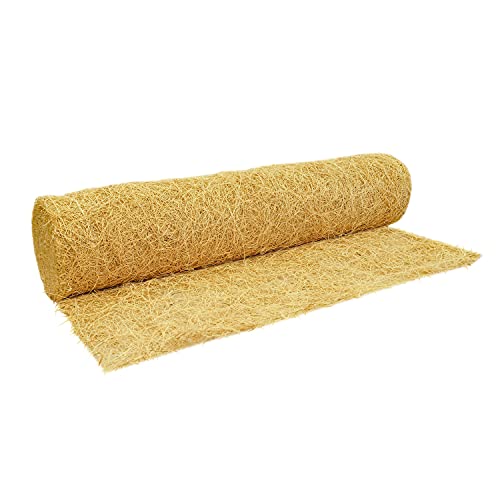
This roll is the most serious erosion-control option in the group, and the dimensions tell you plenty, 2-1/2 feet wide by 50 feet long gives you a real stretch of coverage. It’s built to help seed germination and vegetation establishment while also slowing erosion on hills, slopes, and runoff paths. That combination makes sense on yards with moving water or fragile soil edges.
The manufacturer also notes that it fits most stormwater management rules, which matters on projects where local expectations are stricter than a backyard patch job. The honest read is that it’s more material than a casual homeowner needs for a tiny repair, but it pays off when the slope is the story. For bigger problem areas, this one feels serious without being fussy.
Reasons To Buy
- Long roll covers extended runs of ground
- Supports seed establishment on difficult terrain
- Good fit for hills and concentrated runoff
- Made in the USA by a long-running company
Minor Gripes
- Large roll can be more than a small patch needs
- Best for erosion control, not general mulch use
- Installation works better with careful measuring
Technical Sheet
Perfect Match For
Property owners handling steep banks, wash-prone soil, or regulated landscape work will get the most value here.
Reach For A Different Pick When
Gardener Select Seeding Straw with Tackifier makes more sense for lighter lawn touch-ups where a full erosion blanket feels excessive.
This bag is less about cover material and more about starting the lawn the right way in sunny spots. The mix is built for sun-heavy areas, so it suits front yards, open side yards, and other places that get more heat than shade. For a standard lawn project, that clarity beats a vague all-purpose seed blend.
The 3-pound bag covers up to 1,500 square feet, which gives you useful scale for a broader seeding project. It’s still seed only, so you’ll want one of the mulch or blanket picks above to protect the surface after spreading. That pairing makes this a smart anchor for sunny renovation work.
Positives
- Built for sunny lawn conditions
- Useful for larger seeding areas
- Simple seed-only format keeps planning flexible
- Pairs well with straw or blanket coverage
Trade Offs
- Needs a cover layer for better seed protection
- Best suited to sun-exposed lawns
- Seed-only format asks you to gather more materials
At A Glance
Best Suited To
Homeowners seeding open, sunny turf areas will get the strongest match from this mixture.
Where Shoppers Go Wrong
Jonathan Green Black Beauty SeedRoll Grass Seed Mat is easier for tiny bare spots because it bundles the protection layer with the seed.
This top dressing takes a different path from the straw and blanket picks, because coco coir is all about helping the surface hold moisture and support finer turf work. The expanding mix format is useful in dry, hot conditions where thin grass can struggle to stay even after seeding. In a tired backyard, that can make the surface feel more manageable without looking bulky.
It covers up to 400 square feet, so it sits in the middle ground between tiny repair bags and larger rolls. The trade-off is that top dressing is a support layer, not a stand-alone fix, which means it works best alongside seeding and decent soil prep. For turf care focused on texture and moisture retention, that’s a fair exchange.
Bright Spots
- Expanding coco coir helps with coverage
- Supports dry and heat-stressed turf
- Useful as a top dressing layer
- Coverage suits medium-size patch work
Room For Improvement
- Works as a support layer, not a complete repair system
- Most useful when paired with seed
- Coverage area may feel modest for larger lawns
Spec Overview
Whose Shelf It Belongs On
Homeowners managing dry turf, patchy spots, or heat-stressed lawns will get the most value from this coco coir mix.
Skip It When
Gardener Select QuickGrass Pro Erosion Control Blanket is a stronger match for steep slopes where surface hold matters more than top-dressing texture.
How To Choose The Right Cover For Grass Seed
Match The Cover To The Terrain
Flat lawns can get by with lighter straw, a seed mat, or a top dressing layer. Slopes and runoff channels need more structure, which is where erosion blankets and tackified straw start to make sense.
The shape of your yard matters as much as the seed itself. A product that stays put on a bank may feel excessive on level ground, while a loose cover on a slope can leave seed exposed.
Think About Coverage And Job Size
Small patches call for compact formats that are easy to place and easy to clean around. Larger rolls save time on broad strips, but they also demand more careful measuring and a bit more storage room.
The product size should fit the space you’re repairing, not just the label on the bag. A 50-foot roll belongs on a long bank or drainage edge, while a 1-pound straw bag works better around a tiny repair or garden bed.
Choose Between Seeded And Seed-Only Options
Some products combine seed, mulch, and fertilizer in one place, which trims down the number of separate purchases. Others act only as a cover layer, so you control the seed type and the planting plan yourself.
That split matters for both convenience and flexibility. Seed mats are easier for quick patch work, while blanketing materials suit gardeners who already have a seed mix in hand.
A Quick Reality Check Before You Shop
Wrong Turns To Avoid
One common mistake is buying a cover that looks good on paper but doesn’t fit the terrain. Loose straw on a steep bank and a heavy erosion blanket on a tiny patch both lead to more work than you expected.
Another slip-up is ignoring whether the item includes seed. A blanket or straw layer can help a lawn start well, but only seed can actually fill the bare ground.
Why Top Tier Costs More
Higher-end options usually bring more structure, broader coverage, or a more complete setup. Rolls, tackifier treatments, and bundled seed-fertilizer-mulch formats take more material and more planning than plain loose straw.
You pay for better site fit, easier handling, or a more controlled result. That extra spend makes the most sense on slopes, larger repair areas, and yards where repeated washout would waste cheaper materials.
Frequently Asked Questions
What Does Cover For Grass Seed Actually Do?
It helps hold seed in place and keeps the surface from drying out too fast. Some versions also add mulch, fertilizer, or erosion control.
Is Straw Better Than A Seed Mat?
Straw is simpler and works well for basic coverage. A seed mat gives you a neater, more guided setup for patch repairs.
Do You Need Seed If You Buy An Erosion Blanket?
Yes, most erosion blankets are cover materials rather than seed blends. You still need to spread the grass seed separately.
Which Option Works Best On A Slope?
Structured blankets and tackified straw usually handle slopes better than loose cover. They stay in place more easily when water moves across the surface.
Can You Use These Products For Small Bare Spots?
Yes, smaller patch repair jobs often suit seed mats or compact straw bags. Large rolls usually make more sense only when the area is long or erosion-prone.