

Dry summers change the whole equation in a yard. You need trees that can handle heat, stretch roots, and still earn their keep with shade, privacy, flowers, or seasonal color.
This roundup focuses on ten plant choices with different strengths, from flowering forms to screening trees and seed-grown options. It helps you sort out what fits a small patio space, a privacy line, or a larger landscape without guessing from a glossy listing.
The Shortlist At A Glance

Texas Lilac Vitex Chaste Trees 4-Pack

5 Willow Trees Ready to Plant

Thuja Green Giant Arborvitae 10-Pack


Shumard Oak Shade Tree 1-Gal. Pot
Hybrid Poplar Tree Cuttings 10-Pack

American Red Maple Shade Tree

Blue Spruce Seeds for Planting 100-Pack
American Arborvitae Tree Seeds 50-Pack
Mimosa Silk Tree Seeds 30-Pack
More Details On Our Top Picks
Texas lilac fits nicely where you want color without leaning on heavy water use once it settles in. The quart containers and fibrous root system point to a plant that can get established more smoothly than a tiny bare stem, which matters in a hot front yard or along a sunny drive.
Compared with the screening-heavy Thuja Green Giant later in this list, this one is about bloom and form first. The honest trade-off is size, since the mature height and spread are smaller than the bigger privacy trees, so it suits ornamental planting more than full boundary cover.
Strong Points
- Fragrant purple flower spikes add visible color through late spring and summer.
- New growth carries the blooms, so trimming habits matter in a manageable way.
- Quart containers make the starting size easier to place in a mixed bed.
- Fibrous roots usually help young trees settle into prepared soil more confidently.
Things To Consider
- It grows into a medium tree, not a tall privacy wall.
- Bloom timing depends on sun and placement, so shaded corners are a weaker match.
- Container plants need regular watering during the first stretch after planting.
Feature Snapshot
Who It Suits Best
Home gardeners who want a flowering accent tree for a sunny bed or patio border will get the most from this one.
A Better Fit Elsewhere
Thuja Green Giant Arborvitae from Thuja suits you better for a tighter privacy screen, especially along a property line where height matters more than blooms.
This mix makes sense for a property where you want visual variety instead of one repeating row. Because the package includes two weeping willow trees, two Austree hybrid willows, and one corkscrew willow, you get different silhouettes without piecing together separate orders.
That approach is handy for a long driveway or a larger corner lot, though it asks for room and patience. Compared with the Texas Lilac Vitex, this set is less about flowers and more about shape, growth habit, and the kind of movement willows bring to open ground.
What We Like
- Three distinct willow forms create more visual interest than a single-species bundle.
- Labeling and an included instruction sheet make sorting the plants easier at planting time.
- The mix works well for gifting because it feels a little more special than a single tree type.
- Different forms give you flexibility for borders, accent spots, or a loose grove.
Points To Note
- Willows generally want space, so tight yards can feel crowded fast.
- The growth habit is vigorous, which means pruning can become part of routine care.
- The package focuses on variety, not on a single screening line with matching uniformity.
Details At A Glance
Whose Shelf It Belongs On
This fits you best when you want a mixed willow project for a spacious yard, a gift, or a starter grouping with character.
Swap It Out When
Thuja Green Giant Arborvitae from Thuja is the cleaner choice for straight privacy planting, since its job is screening rather than variety.
Privacy planting usually rewards patience, but this arborvitae pack is built for people who want the screen to move along. The stated growth rate is fast, and the planting spacing guidance makes it easier to picture how a row will fill in over time.
Compared with the willow mix, this one is more uniform and much more purpose-built for hedging or screening. It also stays evergreen in the listed hardiness range, which matters when you want year-round coverage instead of seasonal interest.
Highlights
- Fast growth gives you a practical route toward a living privacy wall.
- Evergreen foliage helps keep the screen useful outside the growing season.
- The 6 to 7 foot spacing guidance is helpful for planning a row.
- Zone range 5 to 9 covers a broad stretch of climates.
Room For Improvement
- The starting size is small, so the screen will take time to build.
- Spacing matters, and a crowded row can lose some of its tidy look.
- Fast growers usually need attention as they settle into a site.
Core Details
Built With In Mind
You get the most out of this pack when your main goal is a tall evergreen screen along a fence or boundary.
Another Choice May Suit
Crape Myrtle Guy Texas Lilac Vitex Chaste Trees suit you better when flowers matter more than a pure privacy row.
Some yard projects are about instant character, and these weeping willows lean hard in that direction. Their arching canopy and tall mature size make them a strong fit for open space where you want shade and a dramatic outline rather than a compact form.
The drought tolerance note matters, but the growth rate description also makes it plain that water availability affects how fast they move. Compared with Thuja Green Giant, this pair is less about a tidy hedge and more about a living focal point that softens a large yard.
Upsides
- Arching growth creates a graceful canopy that stands out in open landscapes.
- Fast establishment can lead to a substantial shade presence over time.
- Useful for privacy or wind buffering when planted with enough spacing.
- The pair format gives you a symmetrical start for matching placements.
Softer Spots
- Large mature size asks for room, so small lots may feel tight.
- Careful early pruning helps shape density, which adds work in the first years.
- Growth speed varies with water access, so dry sites can change the timeline.
Feature Rundown
Perfect Match For
You’ll appreciate this pair most on a larger property where the goal is shade, softness, or a living screen with presence.
Look Elsewhere When
American Red Maple Shade Tree from DAS Farms suits you better for a more classic shade tree profile with seasonal color.
Shumard oak is the sort of tree you plant when you are thinking years ahead, not just this season. The broad canopy and eventual size make sense for a property that needs real shade, and the red to burgundy fall color adds a second reason to keep it in view.
Compared with the willow options, this one feels steadier and more traditional in the landscape. The trade-off is patience, since a young 2 to 3 foot tree starts small and wants proper soil drainage plus attention during dry stretches.
Reasons To Buy
- Large canopy suits yards that need lasting shade rather than a temporary screen.
- Acorn production can support a more natural landscape feel.
- Fall foliage brings strong seasonal color without extra ornament plants.
- The 1-gallon pot gives you a rooted starting point for transplanting.
Minor Gripes
- Only ships to selected states, so location matters before you plan an order.
- Young trees need water during dry periods while roots spread.
- Shaping and deadwood cleanup can become part of routine care.
At A Glance
The Right Fit
This suits you best for a long-term landscape plan where a shade tree with seasonal color belongs at the center of the yard.
Where A Sibling Pick Shines
Crape Myrtle Guy Texas Lilac Vitex Chaste Trees are a better fit when you want a smaller flowering accent instead of a large canopy tree.
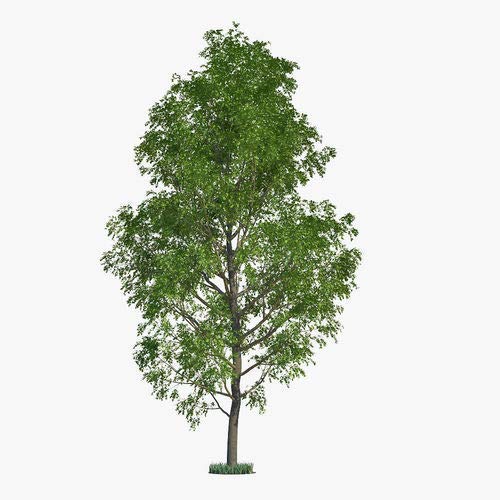
Cuttings change the starting point quite a bit. Instead of a finished young plant, you get a propagation route that can suit someone who enjoys a hands-on approach and wants to stretch a privacy or shade project without overcomplicating it.
Compared with the ready-to-plant willow and oak picks, this set asks for more follow-through from you. The upside is flexibility, and the absence of seeds or cotton is a practical detail for keeping the space cleaner as the trees develop.
Best Bits
- Fast growth makes this a practical option for changing a view quickly.
- No seed or cotton issue keeps cleanup simpler than some poplar plantings.
- Included guidance and video links help support a first propagation project.
- Useful for erosion control or rough screening where speed matters more than ornament.
Honest Caveats
- Cuttings need more attention at the start than a rooted plant.
- Success depends on following the planting instructions closely.
- The look is functional first, so it is less decorative than flowering trees.
Spec Overview
Who Should Grab It
You fit this option best if you want a lower-cost way to start a fast-growing screen and you do not mind a hands-on beginning.
Reach For A Different Pick When
Thuja Green Giant Arborvitae from Thuja is the easier path for a more predictable rooted privacy row.
Red maple is a familiar shade-tree path for a lot of yards because it brings a recognizable form without asking for a specialty design scheme. The listing makes clear that the plant ships ready to go and that winter dormancy means the plant may arrive leafless, which is normal for deciduous material.
That makes it practical for a front yard, backyard lawn, or curbside planting where seasonal color matters. Compared with the Shumard oak, this one feels a little quicker to fit into an everyday landscape, though the final look still depends on site and care.
Bright Spots
- Classic maple form works in many landscape styles.
- Ready-to-plant shipping saves you from starting from seed or cuttings.
- Deciduous habit gives a familiar seasonal rhythm in the yard.
- Two to three foot size is manageable for planting and placement.
Area To Watch
- The product photos show mature specimens, so the shipped plant will look much younger.
- Leafless winter arrival can surprise first-time tree shoppers.
- California orders follow state-specific packaging rules, which can change the way it arrives.
Details At A Glance
Who Will Love This
This suits you best when you want a classic shade tree with familiar looks and a straightforward planting story.
Skip It When
Thuja Green Giant Arborvitae from Thuja is the better path for nonstop privacy, since this maple is built more for shade and seasonal color.
Seed packets like this appeal to gardeners who enjoy starting from the very beginning. Blue spruce grows into a familiar landscape tree with a strong silhouette, and the seed format gives you a long runway rather than an instant result.
That makes it a fit for patient plantings near a future border or windbreak. Compared with the ready-start willows and maples, this is less about instant structure and more about the satisfaction of raising a tree from seed.
What We Like
- A large seed count gives you room for losses during germination.
- Blue spruce has a strong ornamental presence once established.
- Works for privacy or landscape use in a long-term plan.
- Smaller storage footprint than live plant shipments.
Small Caveats
- Seed-grown trees take patience, so quick privacy is off the table.
- Germination outcomes can vary with your setup and care routine.
- Early growth asks for steady attention before the tree becomes useful outdoors.
Key Specs
Made For
This fits you best if you enjoy seed starting and want a long-term tree project rather than an instant yard fix.
A Better Fit Elsewhere
DAS Farms American Red Maple Shade Tree is a better match when you want a rooted young tree that skips the seed-starting wait.
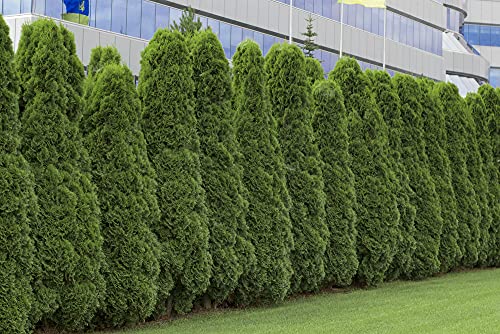
This is another seed-starting route, but the arborvitae angle makes it especially useful for future screening. The species name points toward the kind of upright evergreen shape many people want along a boundary, though the payoff still depends on patience and growing conditions.
Compared with the blue spruce seed pack, this one is more directly tied to privacy planting. It works well for someone who enjoys nursery-style projects and can wait through the early stages before expecting the screen to look finished.
Positives
- Seed format gives you many starting chances from one packet.
- American arborvitae is a familiar choice for evergreen screening.
- The smaller package is easy to store until sowing time.
- Good match for a DIY row where you want to control spacing from day one.
Areas To Watch
- Seed-grown privacy takes time, so the yard will not fill in quickly.
- Care needs are front-loaded during germination and early establishment.
- Results depend on your soil, light, and watering routine.
Technical Sheet
Built With In Mind
You fit this choice best if you want to grow your own evergreen privacy row and you enjoy the slow build.
Consider Something Else When
Thuja Green Giant Arborvitae from Thuja suits you better when you want a rooted start with less waiting.
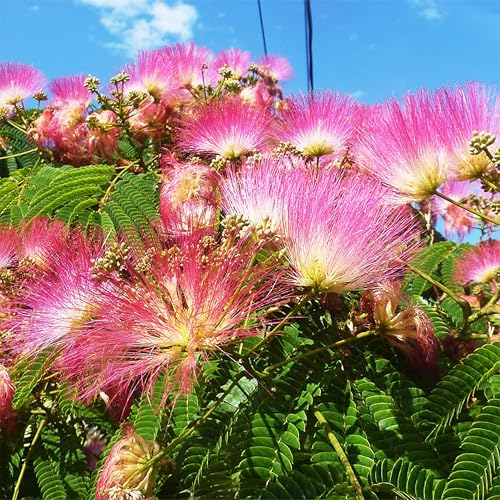
Mimosa from seed is a strong fit for gardeners who want flowers, warmth, and a lighter ornamental feel. The listing points to pink blooms, pollinator appeal, and a mature height around 15 feet, so it lands in the sweet spot between small accent tree and showy yard feature.
Compared with the seed packs for spruce and arborvitae, this one is more about color and bloom than future screening. The scarification step, which means lightly nicking or soaking the seed coat to help water reach the seed, adds a small amount of prep, but it also gives you more control over germination.
Positives
- Pink bloom clusters bring a soft ornamental look in warm seasons.
- Works as both a garden tree and a bonsai-style project.
- Heat and drought tolerance make it appealing for tougher summer sites.
- Scarification guidance gives you a clearer start than many seed packets.
Worth Noting
- Seed starting adds a prep step before sowing.
- The best fit is a warmer climate and a sunny planting site.
- As with most seed-grown trees, size and timing depend on your setup.
Feature Card
Right Fit
This suits you best if you want a flowering seed project for a warm yard, patio setup, or bonsai-style experiment.
Where Another Pick Suits Better
Crape Myrtle Guy Texas Lilac Vitex Chaste Trees are the cleaner fit when you want a rooted flowering plant instead of seed starting.
How To Choose The Right Drought Tolerant Trees
Match The Tree To The Job
Start with the job, not the label. A tree for shade needs a broad canopy and room to grow, while a tree for screening needs height, density, and enough spacing to form a line without crowding itself.
Flowering trees such as Texas Lilac Vitex Chaste Trees work well when the yard already has structure and you want color layered on top. Evergreen picks like Thuja Green Giant Arborvitae make more sense when year-round coverage matters most.
Look At Starting Form And Growth Pace
Live plants, rooted pots, and cuttings all change the effort level. A potted young tree usually gives you a more predictable start, while seeds and cuttings ask for more patience and care in the early phase.
That matters in real life because a commuter who checks the yard once a week has different needs from someone who enjoys regular garden tasks. Fast growers can solve a space problem quickly, but they often ask for more pruning and planning as they fill out.
Check Climate, Space, And Seasonal Behavior
Hardiness range tells you whether the tree is a realistic match for your weather. A zone fit that looks good on paper still needs workable soil, sun exposure, and enough room for the mature width the listing describes.
Deciduous trees drop leaves, which helps with seasonal shade but also changes the look in winter. Evergreens keep their screen, and that makes them better for privacy lines near patios, pools, or fences.
Think About Long-Term Care
Some drought tolerant trees still want steady watering during establishment, especially in the first season after planting. The difference is that a well-matched tree can settle into a dry stretch better once its roots are down.
Pruning, cleanup, and spacing are part of the real ownership picture. A neat row of arborvitae needs different care than a free-form willow or a flowering vitex, so the easier choice is the one that fits your routine, not just your wish list.
What To Weigh Before You Plant
Common Shopping Slip Ups
One common mistake is buying for the mature look only. A 2 to 3 foot maple or oak can seem small beside the listing photos, so you need to think through the wait before it gives shade.
Another is overlooking spacing. Privacy trees can look perfect on paper and still crowd each other hard in a narrow side yard, which turns maintenance into a constant trim job.
What The Higher Tier Buys
More established live plants usually cost more because they take more time, more potting space, and more handling. You are paying for a stronger starting point, which can reduce the uncertainty that comes with seed packets or cuttings.
That upgrade makes the most sense for front-yard plantings, fence lines, and any spot where a missed start would be annoying. For a larger experimental project, lower-cost seed or cutting options can be the smarter route.
Frequently Asked Questions
Are drought tolerant trees truly low care?
They usually ask for less water after they settle in, but the early stage still needs attention. You will also want to match the tree to your climate and soil so the plant has a fair start.
Should you choose seeds or live plants?
Live plants give you a quicker, more predictable start. Seeds make sense when you want a lower-commitment project and don’t mind waiting longer for size.
Which trees work best for privacy?
Thuja Green Giant Arborvitae and American Arborvitae are the clearest privacy-minded picks in this list. Hybrid poplar can also work well where fast screening matters more than a formal look.
Which trees suit smaller yards?
Texas Lilac Vitex Chaste Trees and Mimosa Silk Tree Seeds are easier to place in tighter spaces than huge shade trees. Their scale stays more manageable, especially when you want color without a massive canopy.
What matters most before planting?
Sun, spacing, and soil drainage do a lot of the work for you. Mature size matters too, because the smallest plant on arrival may still become the biggest thing in the bed later.
