

Choosing the right dwarf evergreen often comes down to space, patience, and how much upkeep you want in a year. Some picks work better for a tidy entry path, while others fit a porch pot, a low hedge, or a natural-looking accent bed. This roundup keeps the focus on compact forms, easy placement, and the trade-offs that matter once the plant is in your yard or on your shelf.
The Shortlist At A Glance

Encore Azalea Autumn Bonfire (1 Gallon)

Mavis’s Diary 4 ft Artificial Topiary Cedar Trees Set of 2

Brighter Blooms Emerald Green Arborvitae 1-2 Feet

Picea glauca ‘Conica’ Dwarf Alberta Spruce, #2 Container

Sunkist Arborvitae (Thuja) 1 QT
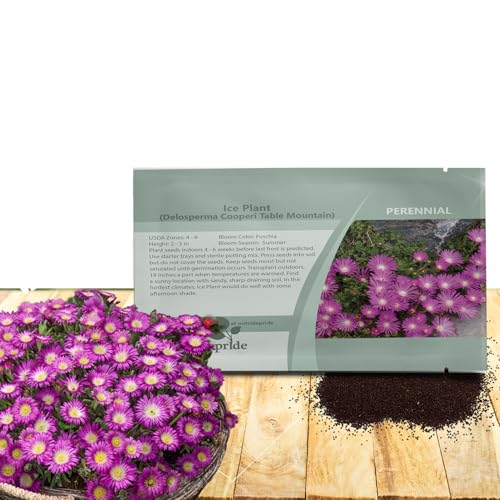
Outsidepride Delosperma Cooperi Ice Plant Seeds, 100 Count

No Mow Lawn Grass Seed Dwarf Fine Fescue Mix 1 Pound
Picea glauca ‘Conica’ Dwarf Alberta Spruce, #3 Container

SVI 5000 Blue Fescue Seeds Festuca glauca

Montgomery Dwarf Colorado Blue Spruce 1 Year Live Plant
More Details On Our Top Picks
That one-gallon size makes this azalea feel approachable rather than fussy, which helps in a front border, patio bed, or a container that needs a burst of color. The evergreen habit means it keeps some presence after the blooms fade, so your space does not go bare between flowering cycles.
Once established, it’s described as handling heat, strong sun, and temperatures down to 0°F, which is a useful spread for many home landscapes. The honest trade-off is that azaleas still ask for a sensible watering rhythm and some attention to soil conditions, so this suits gardeners who want flowers without a high-maintenance shrub.
Strong Points
- Reblooming habit stretches visual interest across spring through fall.
- Compact growth helps you tuck it into small beds or patio edges.
- One-gallon pot gives you a manageable starting point for transplanting.
- Established plants tolerate a wide range of outdoor conditions.
Things To Consider
- It still needs regular watering discipline, especially during establishment.
- Annual light feeding is part of the care routine.
- Space planning matters, since the plant can reach about 3 feet tall and 3.5 feet wide.
Feature Snapshot
Who It Suits Best
You get the most from this azalea in a mixed bed, porch container, or side-yard planting where seasonal bloom matters but space stays limited.
A Better Fit Elsewhere
Brighter Blooms Emerald Green Arborvitae 1-2 Feet suits you better for a tighter privacy screen or a more upright evergreen line.
These topiary trees are built for people who want structure without planting or pruning, and the paired 4-foot height gives you a matched look on a porch or by a doorway. The PE material is meant to mimic layered cedar foliage, while the textured trunk and moss base help the shape feel more finished than a plain plastic accent.
The concrete-filled pot adds stability, which matters more outdoors than it does in a quiet corner inside. You may still want larger decorative planters for a more anchored look, but that is part of the trade-off with artificial greenery, you get form and consistency, not living growth.
What We Like
- Matched pair creates instant symmetry at an entrance.
- Layered foliage gives the trees a fuller, more natural profile.
- Concrete-filled pots help them stay planted and upright.
- Works indoors or outdoors, so you can shift them with the season.
- Artificial moss at the base adds a more grounded finish.
Room For Improvement
- Larger planters may be needed if you want a heavier visual base.
- Artificial foliage still needs periodic dusting or rinsing.
- Indoor use is easy, but the look depends on how close people stand to it.
Details At A Glance
Who Will Love This
You get the most value from this set in rentals, covered porches, or indoor spaces where you want evergreen shape without seasonal care.
Swap It Out When
Encore Azalea Autumn Bonfire (1 Gallon) makes more sense for you if living color and seasonal bloom matter more than a fixed decorative shape.
Emerald Green arborvitae is the kind of plant you reach for when you want upright evergreen structure without a complicated look. At 1 to 2 feet tall, it works well as a starter screen, a spacing plant in a row, or a young anchor beside a walkway.
The source copy keeps the focus broad, which is actually helpful here, because this is a versatile landscape staple rather than a flashy specialty plant. For most home yards, that means you get a dependable form that can fit into a beginner’s plan without demanding a design degree.
Upsides
- Upright growth gives you a clean screening silhouette.
- Small starter size makes it easier to place and space.
- Works for new gardens or unfinished landscape plans.
- Fits neatly in rows, corners, or narrow side beds.
Small Caveats
- Young plants need patience before they look like a finished screen.
- Shipping limits apply to some states.
- The listing leaves care detail fairly broad, so plan on standard arborvitae attention.
Core Details
Built With In Mind
You will like this most in a yard where you want a simple, living green backdrop and are comfortable waiting for size to develop.
Where A Sibling Pick Shines
Picea glauca ‘Conica’ Dwarf Alberta Spruce, #3 Container is the better match for you if you want a more formal cone shape with a stronger ornamental profile.
There’s a formal, tidy feel to Dwarf Alberta spruce that stands apart from the looser shapes of the azalea and arborvitae picks above. In a #2 container, this plant is sized for immediate placement in a border, foundation bed, or decorative pot where you want a classic mini evergreens look.
The listing points to a reliable customer-service experience and delivery support, which matters with live plants because arrival condition and handoff details can make the whole process smoother. For shaded patios or full-sun spots, the tolerance is broad enough to help with placement, though the slow growth means you are choosing shape and patience over quick fill.
Positives
- Pyramidal form creates a neat, formal silhouette.
- Slow growth helps the shape stay controlled for longer.
- Works in partial shade or full sun.
- Container size makes it easier to settle into the landscape.
- Good choice for people who want a classic evergreen accent.
Points To Note
- The slow pace is useful, but it also means patience is part of the plan.
- Container-grown spruce needs regular watering attention after planting.
- The structured form looks best when you have room to show it off.
Feature Card
Right Fit For
You get the best match here for formal beds, front-yard accents, and anyone who wants a tidy evergreen shape that does not sprawl.
Another Choice May Suit
Montgomery Dwarf Colorado Blue Spruce works better for you if you want a stronger blue tone and a larger architectural presence.
Sunkist arborvitae stands out because of its foliage color, not just its evergreen habit. The bright yellow tones that shift toward darker yellow and orange in colder months give you a plant that changes with the season instead of staying visually flat.
The broad globe-to-oval-pyramid shape is useful in borders where you want a softer outline than the tighter Dwarf Alberta spruce above. One thing worth considering is the shipping format, since it arrives in a fabric grow bag while the plant itself has been raised in a 1-quart nursery pot.
Bright Spots
- Seasonal foliage color adds more visual interest than plain green evergreen shrubs.
- Semi-dwarf habit keeps the plant manageable in smaller plantings.
- Broad form works well as a color accent near entry beds.
- Evergreen structure keeps the plant useful outside peak color changes.
Minor Gripes
- The grow-bag shipping setup may feel different from a standard plastic pot.
- Its shape can spread wider than very tight foundation plantings allow.
- You will want to plan placement around how the color changes in cooler weather.
At A Glance
The Right Fit
You will get the most from this pick in a border, mixed shrub bed, or a spot that benefits from year-round color changes.
Look Elsewhere When
Encore Azalea Autumn Bonfire (1 Gallon) is a better fit for you if you want seasonal flowers rather than foliage-led color shifts.
This is less a shrub and more a low carpet of texture, which makes it useful where you want the ground itself to carry the design. Delosperma cooperi, also called ice plant, is a perennial ground cover, so it suits dry edges, rock gardens, and sunny slopes that need visual fill.
Seed packets ask for more patience than nursery plants, and that trade-off is obvious here. For gardeners who like starting from seed and filling space in stages, the payoff is flexibility, though you will need the right growing conditions and a little room to establish the mat.
Best Bits
- Ground-cover habit helps fill open spaces with a low profile.
- Seed format gives you flexible coverage planning.
- Works well in landscapes that need texture close to the soil.
- Useful for slopes, borders, and rock-garden edges.
Areas To Watch
- Seeds require more setup and patience than a live plant.
- Coverage depends on site conditions and how evenly the seeds establish.
- It is not a vertical evergreen screen, so use it for ground fill rather than height.
Quick Facts
Whose Shelf It Belongs On
You should reach for this if you want a seed-starting project that can soften bare soil, slope edges, or sunny patches.
Where Another Pick Suits Better
Brighter Blooms Emerald Green Arborvitae 1-2 Feet suits you better for upright evergreen structure and a more traditional shrub role.
The name says it plainly: this is for a lawn that asks for less attention. Dwarf fine fescue is a grass mix, so the result is a more relaxed lawn texture rather than a formal hedge, which makes it useful in side yards, low-traffic spaces, or areas where mowing every week feels like too much.
The 1-pound pack is a practical amount for smaller projects and touch-up coverage. The trade-off is also clear, you are choosing lower maintenance over a manicured look, so it fits homeowners who value ease more than a perfectly clipped finish.
Highlights
- Low-maintenance focus suits busy yard routines.
- Fine fescue blend gives a softer lawn appearance.
- Pack size works well for modest coverage jobs.
- Good fit for spaces where a no-fuss lawn matters more than a formal one.
Worth Noting
- This is grass seed, so it serves a different purpose than the shrub and tree picks.
- Results depend on site preparation and patience during establishment.
- You give up a trimmed, showy lawn look in exchange for lower care demands.
Feature Rundown
Made For
You get the strongest fit here in casual yards, utility strips, and low-use spaces where a softer grass look is enough.
Where Shoppers Go Wrong
Montgomery Dwarf Colorado Blue Spruce is the better choice for you if you need a true evergreen anchor rather than lawn coverage.
This #3 container version follows the same formal Alberta spruce shape as the earlier #2 pick, but the larger container usually means a more established starting point in the landscape. That makes it appealing for you if you want instant visual weight in a front bed or an entry pot without waiting as long for the plant to read as substantial.
The source notes call out partial shade, full sun, slow growth, and dependable performance, which together explain why this variety shows up so often in tidy landscapes. The catch is that larger size usually comes with more commitment at planting time, so it fits gardeners who are ready to anchor a spot rather than experiment.
Reasons To Buy
- Greater container size can give the plant a more settled look on arrival.
- Classic cone shape works well in formal designs.
- Slow growth keeps the outline controlled over time.
- Broad light tolerance makes placement easier.
- Useful when you want a stronger focal point than the #2 container version.
Softer Spots
- Larger stock often means a bit more care at transplanting.
- It still grows slowly, so major size changes take time.
- The formal shape is attractive, but it does ask for deliberate placement.
Technical Sheet
Best Suited To
You should choose this version for a more anchored landscape look where the plant is expected to carry part of the design from day one.
Skip It When
Picea glauca ‘Conica’ Dwarf Alberta Spruce, #2 Container makes more sense if you want the same shape in a slightly lighter, smaller starting size.
Blue fescue brings a different texture than the shrub and spruce picks, with fine, ornamental grass clumps that can soften hard edges in a planting bed. The blue-gray tone is the main draw, especially in designs that use stone, gravel, or low-growing companions for contrast.
Because this is a seed packet rather than a live clump, the experience leans more toward planning and patience. That makes it a smart fit for gardeners who enjoy building a layered look over time, though it is less immediate than the container-grown evergreens earlier in the list.
Standout Traits
- Distinct blue-gray foliage color gives strong contrast.
- Ornamental grass form works well in mixed borders.
- Seed format helps with larger, repeating plant patterns.
- Dwarf habit keeps the grass compact and decorative.
Honest Caveats
- Seeds take time before the design really comes together.
- Color and fullness depend on growing conditions.
- This is not the right choice for someone who wants instant evergreen structure.
Core Details
Perfect Match For
You will appreciate this most in decorative borders, rock gardens, or mixed plantings that need a cool-toned accent.
Not Your Match When
Mavis’s Diary 4 ft Artificial Topiary Cedar Trees Set of 2 suits you better if you want instant height and a paired entryway look.
Montgomery Colorado blue spruce gives you the strongest structural presence in this group, even though it stays compact at roughly 4 feet tall. The blue tone and conical habit make it feel more architectural than the softer arborvitae picks, so it can anchor a corner or stand alone as a focal plant.
The one-year live plant format suggests a more established start than a seed packet or a tiny plug, which is useful when you want the landscape to read finished sooner. The trade-off is that this is still a living spruce, so long-term care and siting matter more than they do with the artificial pair.
Positives
- Blue spruce color adds strong contrast in green-heavy beds.
- Compact mature height keeps it suitable for smaller yards.
- Conical habit brings a formal, anchored look.
- Live plant form gives you a natural evergreen presence.
Areas To Watch
- Placement matters, since the tree is meant to become a visible focal point.
- Living spruce needs routine planting care after arrival.
- The landscape payoff builds over time rather than overnight.
Quick Facts
Who Should Grab It
You should choose this for a long-term specimen planting where a compact blue evergreen can hold the eye without overwhelming the yard.
Why The Upgrade Pays Off
Picea glauca ‘Conica’ Dwarf Alberta Spruce, #3 Container is the better match if you want the same upright evergreen idea with a more formal and slightly lighter visual profile.
How To Choose The Right Dwarf Evergreens
Match The Plant To The Space
Compact evergreens work best when their mature shape fits the site, not just the pot they arrive in. A narrow side yard usually calls for upright forms like arborvitae or Dwarf Alberta spruce, while a broad bed can handle softer shapes such as azalea or Sunkist arborvitae.
Height is only half the story. Spread matters just as much, because a shrub that stays 3 feet tall can still crowd a walkway once it widens, and that is where many planting plans get messy.
Think About The Look You Want
Some dwarf evergreens read formal, others read natural. Picea glauca ‘Conica’ has a tidy cone, the blue spruce brings stronger structure, and the artificial cedar pair gives you instant symmetry without seasonal change.
Color also changes the tone of a planting. Blue spruce, Sunkist arborvitae, and the flowering azalea each solve different design problems, so your choice should follow the mood of the space as much as the available square footage.
Plan For Care, Not Just Arrival
Live plants need watering, planting depth, and a little patience while roots settle. Seed options such as blue fescue and ice plant stretch the timeline even further, which is fine for a long view but not for a porch that needs instant structure.
Artificial pieces shift the balance in the opposite direction. They ask less of your schedule, yet they still benefit from cleaning and a good planter, so the easiest option is not always the most convincing one.
Choose The Right Growth Pace
Slow growers can be a smart fit for small yards because they hold their form longer, but they do ask you to wait for the finished look. Faster or more established starts, such as a larger container spruce, help the space feel filled in sooner.
That trade-off is really the heart of the category. Your best choice is the one whose pace matches how soon you want the yard to feel settled.
A Quick Reality Check Before You Choose
Mistakes Worth Dodging
Many shoppers focus on color first and forget mature width, which is how a neat accent turns into a cramped corner. Another common miss is choosing a seed-based option for a spot that needs instant visual weight.
Material matters too. Living shrubs, artificial topiaries, and grass seed solve different problems, so mixing up those categories leads to disappointment before the plant even settles in.
When Paying More Pays Off
Higher-tier picks in this category usually cost more because they arrive more developed, more carefully shaped, or more complete in presentation. A larger container spruce, for example, can feel closer to a finished landscape element than a tiny starter plant.
That upgrade is worth it when the plant has to do more design work on day one. Entry beds, formal front yards, and visible corners tend to justify the extra spend faster than tucked-away filler spots.
Frequently Asked Questions
What Makes A Dwarf Evergreen Different From A Standard Evergreen?
A dwarf evergreen stays smaller and usually fits tighter spaces better. You get the evergreen habit without a plant that quickly takes over the bed.
Are Live Plants Better Than Artificial Topiaries?
Live plants give you real growth and seasonal change, which matters in outdoor beds. Artificial topiaries fit better in spots where you want a fixed shape with little upkeep.
Can You Use These In Containers?
Yes, several of these choices work well in pots, especially spruce, azalea, and the artificial cedar pair. Container success depends on pot size, drainage, and how much root room the plant needs.
Which Option Fits A Tight Front Walk?
Formal uprights like Dwarf Alberta spruce and Emerald Green arborvitae work well along narrow approaches. Softer or wider picks can crowd the path faster than you expect.
Which Choice Is Easier For A Low-Care Yard?
The artificial cedar set asks for the least routine care once placed. Among living options, no-mow fine fescue and slow-growing spruce are easier to fit into a lighter yard routine.
