
With its low, rounded habit and silvery foliage, this perennial is grown more for soft ground cover than for flowers. It forms a soft cushion that brightens stone, brick, gravel, and dark mulch, while the fine leaves keep their visual appeal long after the blooms fade.
This guide covers the conditions, care, and garden uses that help Silver Mound Artemisia thrive, especially for landscapers and home gardeners looking to soften edges, paths, and dry sunny beds.
The Soft, Low Mound Behind The Name
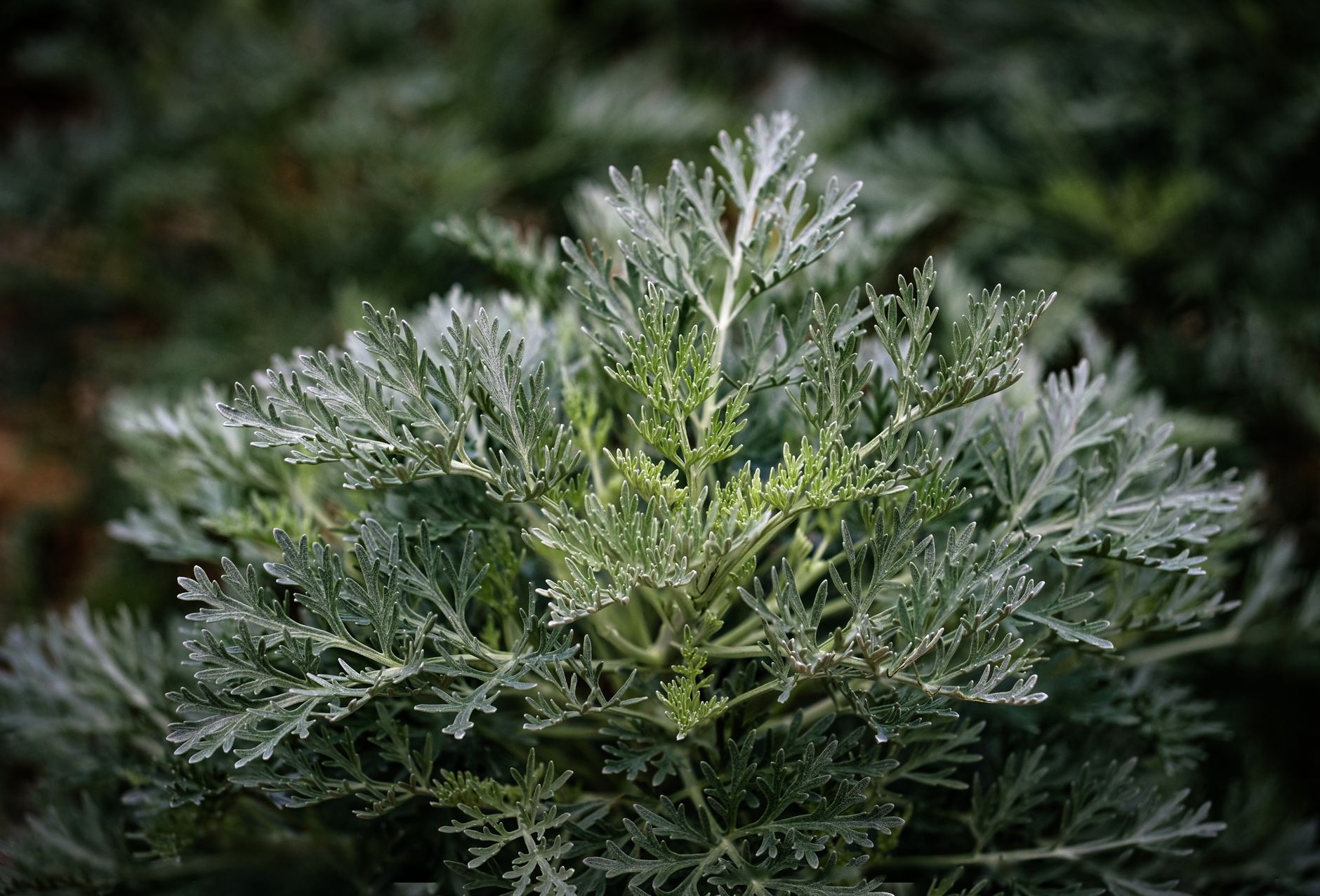
A compact clump of Artemisia schmidtiana stays close to the ground and carries finely cut, silvery leaves instead of showy flowers. That foliage is the whole point, and the rounded form gives the plant its silver mound wormwood nickname.
The habit stays small, so you use it more like a texture accent than a tall perennial. Its fine leaves soften hard edges, while the rounded mound works well where you want a calm, airy look beside brick, gravel, or upright plants. That matches the foliage-first value described in Royal Horticultural Society guidance on artemisia types.
That matters in real plantings because the leaves do the visual work for most of the season. Tiny blooms may appear, but they are not the reason you plant it. The texture is, and that makes it useful beside sharper leaf forms or rough stone.
That makes the next question less about bloom and more about how its surface steadies a planting.
Where Its Texture Does The Most Work
Against dark soil, stone, or bold bloom colors, that soft silver edge stands out fast. In a border, the pale leaves act like a visual rest stop between louder plants, so red salvia, purple allium, or chartreuse heuchera each stands out more cleanly.
The plant also works well as a soft foliage ground cover in small spaces where a low mat is more useful than a spreading vine. Along edging, the mound marks a line without feeling stiff, and in a rock garden it slips between boulders while still staying visible from a distance.
Deer resistance adds another reason to use it in exposed sites. Browsing pressure changes from yard to yard, yet aromatic, fuzzy-leaved plants often draw less attention, so a drift of silver foliage can hold a border together where tulips or hostas get stripped. That same texture also makes spacing and airflow matter, which leads into the light and soil it prefers.
Because that fullness depends on the site, the right light and soil become the real guardrails.
Give it room to breathe on all sides. Tight spacing blunts the mound shape, and crowded crowns trap moisture around the base.
Sun And Soil That Keep It Full

Full sun keeps the foliage denser and the silver tone cleaner. In shade, stems stretch, the mound loosens, and the color loses the pale, chalky finish that makes the plant pop against darker companions.
Well-drained soil matters even more than rich soil. Artemisia schmidtiana struggles in soggy ground because wet roots lose oxygen, and root cells need that oxygen to keep moving water and nutrients. University Extension guidance often explains this in plain terms: roots suffocate in poorly drained beds, and the plant starts thinning from the center.
Lean Soil Often Fits Better
Dry, gritty, or rocky sites suit the plant better than heavy beds rich in compost. Too much fertility can push soft growth, while a sharper soil mix encourages the compact, felted look you want from a low-growing silver perennial.
That is why raised beds, gravel strips, and stone edging often suit it better than low spots near downspouts. A little restraint in the soil usually gives you a tighter mound than a rich amendment mix ever will.
Drainage and restraint shape the plant at first, but watering habits decide how well it settles.
Fast drainage after rain does more for this plant than a deep layer of compost. A narrow planting pocket with coarse mineral matter often beats a glossy, wet bed.
Watering And Care Once It Settles In
New plants need regular watering while roots move into the surrounding soil. A slow, deep soak every few days during the first stretch helps the crown anchor without leaving the surface wet for long periods.
Established plants ask for much less. Once roots reach outward, the plant handles dry spells well, which is why it works so well as a drought-tolerant edging plant in hot borders or gravel gardens. Water only when the top layer dries and the lower root zone feels barely moist.
Light Grooming Keeps The Shape Clean
Spent stems and shredded outer leaves can be pinched away by hand, and a light shear can even the dome after a rough stretch of weather. Keep cuts shallow; heavy pruning into old woody tissue can leave gaps that take time to fill.
- Water deeply at planting: Saturate the root zone so new roots grow outward, not upward toward the surface.
- Let the top dry: Wait for the upper inch or two to lose moisture before watering again.
- Trim stray stems: Snip uneven growth to keep the mound looking rounded.
- Skip rich feeding: Extra fertilizer can loosen the compact habit you want.
- Clear debris fast: Old leaves stuck in the crown hold moisture and dull the silver finish.
That light routine sets up the bigger question many gardeners ask: how long the plant stays in place and how wide it travels over time. The answer comes down to seasonal return, size, and the space you leave around each crown.
As the clump matures, those habits show up in how reliably it returns each season.
Growth Habit, Spread, And Seasonal Return
Silver Mound Artemisia comes back every year in suitable climates because it is a perennial, not a short-lived filler. In cold winters, the top growth may die back to the crown, then return from below once temperatures rise and the soil warms.
The plant stays compact at maturity, often around 12 to 18 inches tall with a spread that can reach about 18 to 24 inches in good conditions. That modest footprint makes spacing matter around walkways, because a healthy mound can edge outward enough to brush a path or crowd a slow-growing neighbor.
Hardiness depends on climate and drainage, so USDA Plant Hardiness Zone references are worth checking before you place it in the ground. The plant keeps its best form where winter wet does not linger, and Missouri Botanical Garden notes on wormwood types reflect that same drainage-first logic.
Spacing Around Paths And Companions
Allow a little air around each crown so the shape can stay clean. A gap of 18 to 24 inches works well for most border uses, and that room also keeps foot traffic from flattening the outer leaves.
That spacing gives you a clearer view of the mound and avoids the crowded, shaggy look that comes from packing too many soft textures together. The next step is choosing partners that let the silver finish carry the design rather than disappear into it.
With the plant established, its best companions are the ones that frame rather than overwhelm it.
Simple Planting Combinations That Let It Lead
Strong contrast brings out the best in the plant. Dark foliage such as purple basil in a seasonal bed, bronze sedge, or deep burgundy heuchera makes the silver stand out, while bold flowers like black-eyed Susan or purple coneflower sharpen the color shift beside it.
Coarse textures also help. Pairing it with strappy daylilies, spiky iris leaves, or broad hosta foliage creates a clear textural contrast, and that contrast is what keeps the mound from fading into the background. In a small rock garden, a single plant can sit beside thyme, stonecrop, or dwarf conifers and still read as the soft center of the scene.
Places Where It Reads Best
Massed drifts work along a sunny fence or front border, where repeated mounds create a silver ribbon. Edges and stepping-stone runs suit it too, as long as drainage stays sharp and feet do not crush the crown.
Container planting can work for a season, but the soil mix must drain fast and the pot should not stay wet after rain. That makes it useful on a patio or beside a stair, where you want a calm accent that does not fight for attention.
Use it as the steady note in a mixed scheme, not the loud one. When Silver Mound Artemisia leads with texture and color partners do the shouting, the whole planting feels calmer, cleaner, and easier to read from a distance. The final step is treating it as a placement choice, not just a plant choice.
That perspective turns the plant into part of the composition, which is the real takeaway here.
Final Thoughts
The plant works best when you treat it as a texture tool, not a flower show. Sun, drainage, and spacing decide whether the mound stays tight or turns ragged, so the real success comes from placement that respects its small scale and dry roots.
FAQ
Does Silver Mound come back every year?
Yes, in suitable climates it returns as a perennial, and the top growth may die back in winter before fresh shoots emerge in spring. Cold tolerance depends on zone and drainage, so a dry crown matters as much as winter temperature.
Where is the best place to plant Silver Mound Artemisia?
A sunny site with well-drained soil gives the strongest growth and the cleanest silver color. Border edges, rock gardens, gravel beds, and raised spots near a path all suit the plant far better than low, wet ground.
Does Artemisia Silver Mound spread?
It spreads in a limited, clumping way rather than running through a bed. A mature plant can widen enough to press against neighbors, so a little space at planting keeps the mound shape intact.
How big does Silver Mound Artemisia grow?
Most plants stay compact, often around 12 to 18 inches tall with a spread near 18 to 24 inches. That size makes it useful where you want soft coverage without losing sight lines or swallowing nearby plants.
Is Silver Mound Artemisia deer resistant?
It is often treated as a deer-resistant ground cover because the aromatic, fine-textured foliage is less appealing than tender, lush leaves. Local browsing pressure still varies, so placement near heavily fed beds can tell you how well it performs in your yard.