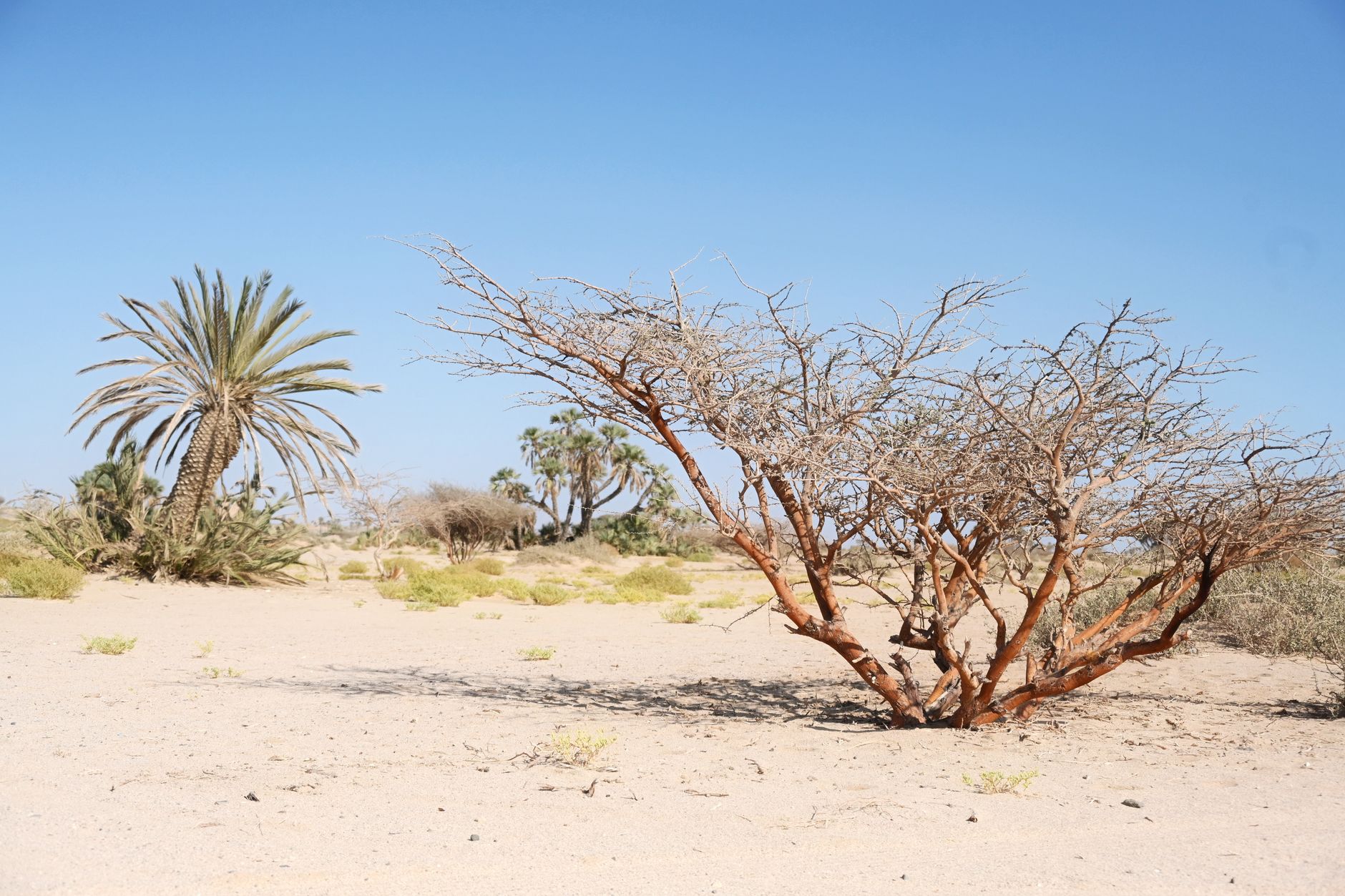

In hot, open country, these thorny trees and shrubs survive long dry stretches with slim leaves or phyllodes, deep roots, and rough bark. Many species also carry thorns, which protect new growth and make them easy to recognize in grazing land.
This overview covers where they grow, how they save water, why they matter on farms, and what acacia tree care looks like in dry gardens for anyone planting in heat, wind, or lean soil.
The Acacia Family In Dry Country Landscapes
Open country shapes these trees more than rich ground ever could. Savannas, dry forests, and semi-arid regions reward plants that can take bright sun, months without rain, and sudden wind.
The group includes spiny shrubs, medium thickets, and tall shade trees. Some species stay low and tangled, while others spread into a broad canopy that cools a field edge or roadside.
Forms That Range From Shrub To Shade Tree
Acacia dealbata, with its silvery foliage, can mature into a large ornamental acacia tree with a light, airy outline, while Acacia farnesiana stays thorny and compact on rough ground. Vachellia is another branch of the old acacia group, and the split matters because it reflects differences in flowers, pods, and growth habit.
Tough bark, defensive thorns, and small leaf surfaces are common clues. Many species also keep evergreen foliage through dry months, which helps them keep working without wasting water on broad leaves.
What Marks Them In The Field
The bark usually looks rough and weathered, not soft and smooth. Thorns may sit straight on stems or curve like hooks, and seed pods often hang in clusters that make the trees easy to recognize after the flowers fade.
That mix of structure and restraint separates the family from softer landscape trees. Once you can spot the form, the next step is understanding how the tree keeps enough moisture to live there year after year.
That moisture-saving habit depends on a cluster of adaptations that also help the tree endure heat and drought.
Traits That Help Acacias Conserve Water
Small shifts in leaf shape and root spread do most of the work. Many acacia trees trade broad leaf blades for phyllodes, and that swap cuts exposed surface area while still letting the plant photosynthesize.
Root systems matter just as much. A deep taproot can reach moisture below the surface, while wide lateral roots catch brief rainfall before it disappears from the topsoil.
Phyllodes Reduce Water Loss
Phyllodes are flattened leaf stalks that act like leaves but lose less water. Because they expose less tissue than a wide blade, they slow transpiration and hold up better under dry wind and full sun.
That shift is a clear example of form matching climate. In Australian species that use phyllodes, the plant keeps food production going while trimming water loss at the same time.
Roots Reach Deep And Spread Wide
Soil moisture in dry country often sits unevenly, so a single root style would fail. Acacias solve that with layered rooting, which gives them access to short-lived rain near the surface and older moisture deeper down.
Desert restoration teams value that habit because a tree that anchors well can hold ground after storms and heat. The root pattern also explains why a fast growing desert tree can survive rough sites that defeat fussier ornamentals.
Prune only dead, broken, or badly placed wood during establishment. Heavy cuts force extra regrowth, and that new growth can pull on the same water reserve you want the tree to keep.
Heat, Sun, And Dry Spells
Leaf wax, small leaflets, and a lighter canopy all limit heat stress. The crown throws thinner shade than a broad-leaved maple, yet that airy shape helps the tree stay cooler and avoid a sudden collapse during drought.
Guidance from the Royal Horticultural Society on woody plants in dry sites follows the same logic: strong sun and lean moisture are fine when drainage is fast. A tree can handle intense light, but it still needs soil that sheds water quickly after a storm instead of holding it in a soggy basin.
Those same hard-edged traits become especially useful where browsing animals threaten young growth and tender shoots.
Thorns, Defenses, And Survival In Grazed Habitats
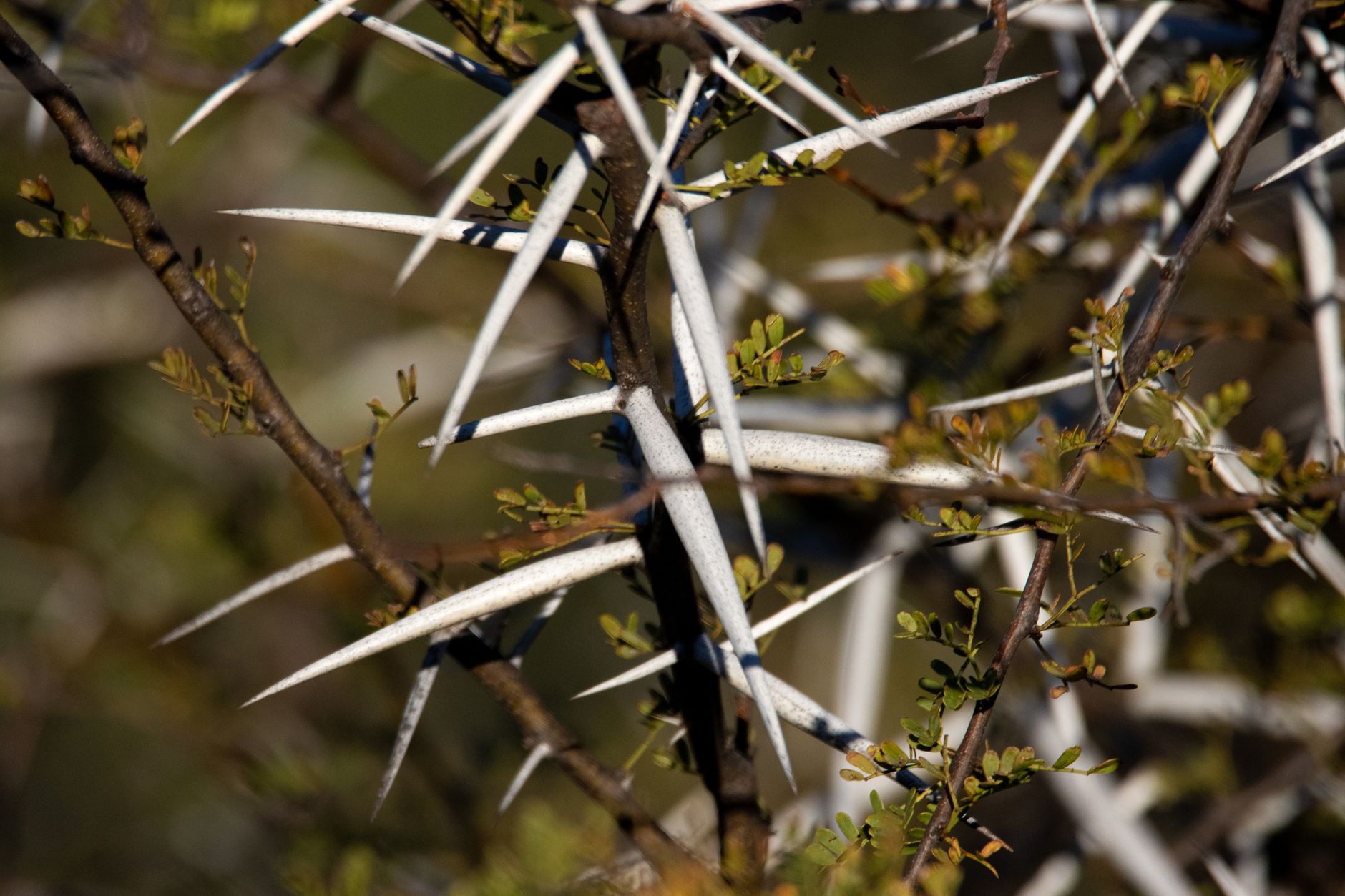
Sharp spines are not decoration. In open country, thorns slow browsing by cattle, goats, deer, and wild herbivores long enough for tender shoots to harden.
That defense matters most where leaves and buds sit at animal height. A young stem that survives one season of pressure can become a much tougher plant the next year, and that shift shapes where the species can persist.
Defense Protects New Growth
New shoots carry the future canopy, so losing them early hurts the whole tree. Thorns create a physical barrier around that growth, and even a brief delay can make grazing less profitable for a hungry browser.
This is one reason thorny drought tolerant trees remain common in mixed grazing country. The defense is simple, but the result is a better chance of reaching maturity in exposed ground.
Wild And Domestic Browsing Pressure
Livestock corridors, roadside plantings, and open woodland all favor plants with defensive structure. Acacia trees hold their own in those places because the same feature that discourages browsing also protects flower buds and seed pods.
Ornamental forms tell a different story. A selected ornamental acacia tree may have a softer outline, lighter thorns, or denser bloom for visual effect, which suits a courtyard better than a livestock fence line.
Because the plant can defend itself, people also use it in ways that go well beyond simple shelterbelts.
Choose thornier forms where animals can reach young stems. Softer selections belong closer to patios, paths, or planting pockets where traffic stays controlled.
Everyday Uses That Make Acacias Valuable To People
Shade is the use most people notice first, but it is only part of the picture. Fuelwood, fodder, wind protection, and boundary planting all make these trees useful in places where water is scarce and labor matters.
That practicality shows in farmyards, school grounds, and dry public spaces. The tree offers a cooler patch of ground without demanding the irrigation that a lush shade tree would need.
Shade, Fodder, And Fuelwood
Leaves, young shoots, and seed pods feed livestock in some systems, though the value changes by species. Fuelwood is another common use because the wood is dense enough to burn well and the trees can regrow after light cutting in managed settings.
Homes and farms in arid regions often favor a low water shade tree that does not demand constant watering. A broad crown over a yard, corral, or pump house can reduce heat glare and make a dry site easier to use through summer.
Windbreaks, Boundaries, And Agroforestry
Rows of acacia trees slow wind and trap drifting soil, which helps around fields and homesteads. Boundary plantings work the same way, marking edges while adding a living screen that holds up in heat.
Small-scale dryland agroforestry uses these trees for spacing, shelter, and scattered shade. The tree can sit between crops or near forage plots, and its canopy gives the ground a milder microclimate without crowding out every bit of light.
Beneath that filtered shade, roots and fallen material quietly shape the soil and attract a surprising range of life.
| Use | What The Tree Does | Best Setting |
|---|---|---|
| Shade | Softens afternoon heat under an open canopy | Yards, parks, farm buildings |
| Windbreak | Slows dry wind and drifting soil | Field edges, roadsides, open lots |
| Fodder | Supplies browse in managed grazing systems | Rangeland, mixed farms |
| Fuelwood | Provides burnable wood for local use | Dry homesteads, rural plantings |
Soil Health And Wildlife Support Beneath The Canopy
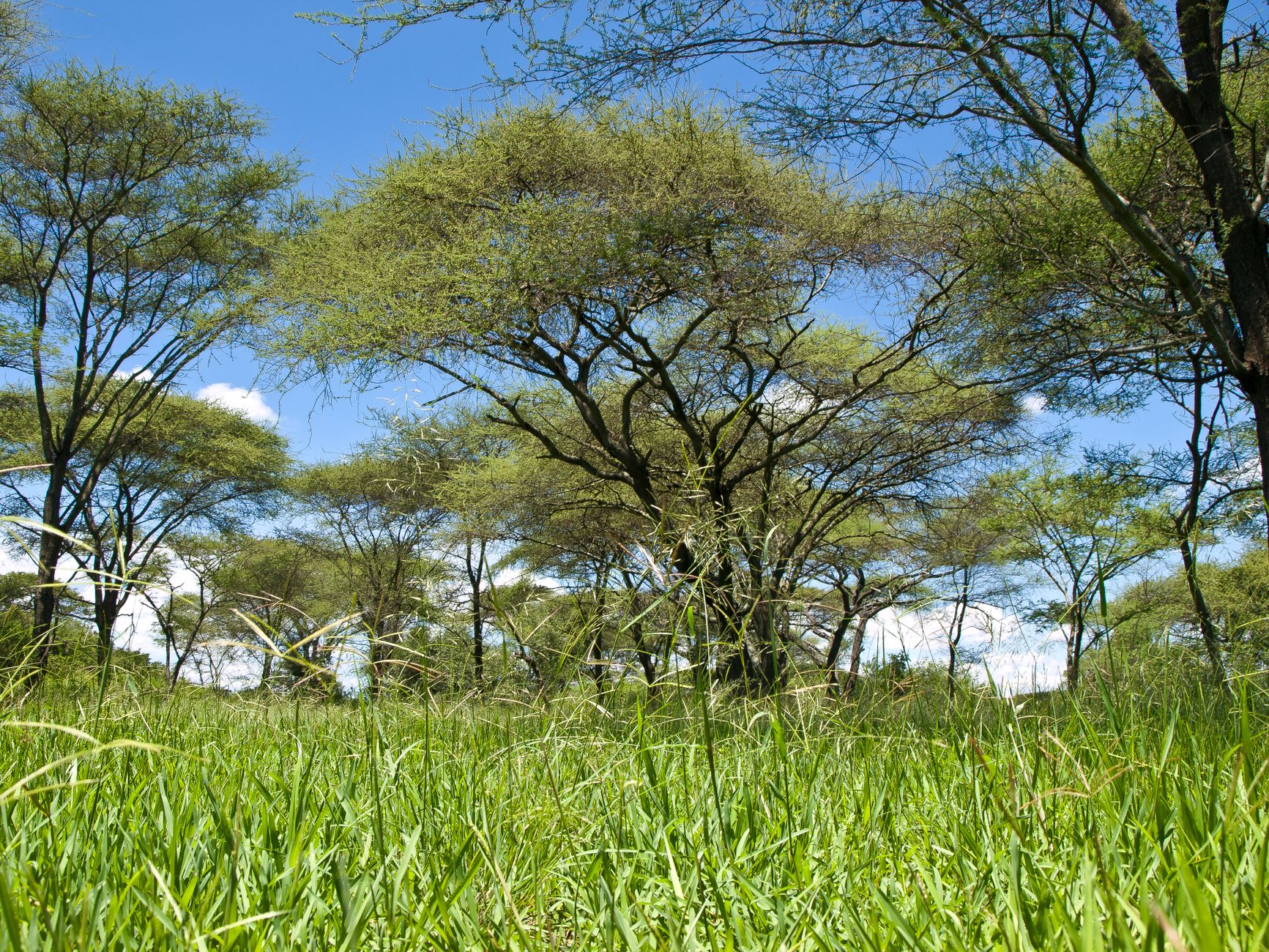
Beneath the branches, the tree changes the ground in quiet ways. Nitrogen fixation gives many species an edge in poor soil, and that process helps add usable nitrogen through a partnership with root bacteria.
The canopy offers more than soil improvement. Birds perch in the limbs, insects work the flowers, and small animals use the shade as a refuge during the hottest part of the day.
Nitrogen Fixation And Poor Soils
Legumes form root nodules that house bacteria such as Rhizobium or related groups. The bacteria convert atmospheric nitrogen into forms the tree can use, and nearby plants may benefit over time as litter and roots return nutrients to the ground.
The Royal Botanic Gardens, Kew has long highlighted legumes as soil-builders in dry regions, and the chemistry is simple. Nitrogen from the air becomes plant food after microbial conversion, which is why these trees can improve tired ground without a bag of fertilizer.
Roots Reduce Erosion After Disturbance
Root mats hold particles in place after drought, trampling, or short bursts of runoff. That matters on slopes and bare lots, where exposed soil can vanish fast once wind or water gets a grip.
Seed pods, flowers, and thorny branches also support a chain of life in sparse places. Pollinators visit the blooms, birds use the canopy, and insects feed on the nectar, pollen, and sheltered leaf nodes.
Wildlife Value In Thin Cover
A single tree can act like a small island in an open plain. Shade lowers ground temperature, and that cooler patch changes where lizards, birds, and foraging insects spend time during the day.
That ecological role matters in restoration work as much as in a yard. Once the ground is steadier and living cover is present, selection and care become the real keys to success.
Those hidden benefits matter most when you choose species that will thrive without constant attention in a dry garden.
Selecting And Caring For Acacias In Dry Gardens
Site choice decides far more than fertilizer ever will. Full sun, well-drained soil, and room for the roots matter most, because standing water and dense shade push these trees in the wrong direction.
Acacia tree care starts with placement, then continues with moderate watering during establishment and careful pruning after that. In a dry garden, the goal is steady root growth, not lush top growth fed by excess water.
Choose The Right Site
Plant on a slope, a raised bed, or any spot that drains fast after rain. Heavy clay needs amendment or a different location, since waterlogged soil can stress roots and slow establishment.
Most species fit warm hardiness zone ranges better than cold inland sites, so the USDA Plant Hardiness Zone Map is a useful screen before you plant. A species that suits your zone still needs local heat, wind, and frost patterns checked against the spot in front of you.
Watering And Pruning During Establishment
Deep, spaced watering trains roots to grow downward instead of circling the surface. A young tree that gets soaked lightly every day can stay shallow, and that habit hurts later during heat.
- Water deeply: Soak the root zone, then let the surface dry before the next watering.
- Mulch lightly: Use a thin ring of mulch to cool soil without burying the trunk.
- Prune sparingly: Remove only damaged stems or awkward crossings in the early years.
- Watch drainage: Standing water after rain signals the planting spot needs help.
- Match species to space: Small yards suit compact forms, not broad canopy types.
That is why the fastest mistake is overwatering a tree that already knows how to live lean. A young plant needs enough moisture to root in, then enough restraint to grow the kind of root system dry sites demand.
Where A Fast Growing Desert Tree Fits Best
For restoration projects, privacy screens, and ornamental plantings, a quick-growing desert species works well in places where heat is the main stress. Screening rows work well near fences and service areas, while restoration sites benefit from roots that stitch loose soil together.
Some acacia trees suit a formal yard, and others fit rough ground better. Strong-thorned forms belong in exposed sites and farm edges, while softer ornamental selections work best where people pass close by and the canopy can be shaped with light pruning.
With the right match and a little care, the tree can serve reliably in both rugged landscapes and designed spaces.
What To Remember
Acacias succeed because they match dry country on every level, from phyllodes and deep roots to thorns and nitrogen-fixing root nodules. That mix makes them useful, resilient, and worth placing with care rather than guessing at the site.
FAQ
Are acacia trees drought tolerant?
Yes. Their small leaf surfaces, phyllodes in many species, and deep or wide root systems let them hold up through long dry periods once established. Young trees still need regular water until roots settle into deeper soil.
Do acacia trees have thorns?
Many do, though not every species carries the same level of defense. Thorns help protect young growth from browsing animals, and that feature is one reason thorny drought tolerant trees persist in grazing country.
How fast do acacia trees grow?
Growth speed varies by species, soil, and water access. Some forms act like a fast growing desert tree in warm conditions, adding height and canopy cover quickly during the first years.
What kind of soil do acacia trees need?
Well-drained soil matters more than rich soil. Sandy, rocky, or lean ground can work well, while heavy clay or a spot that stays wet after rain can slow roots and raise stress.
Can acacia trees survive in full sun and dry climates?
Yes. Full sun and dry climates suit many species, especially those adapted to arid landscapes and open country. Strong light helps them keep a compact, tough form, as long as drainage is good.