

Your yard may need a cover layer that does more than sit there and look tidy. The right pick can soften bare soil, handle heat, and make paths, beds, or problem corners feel finished without demanding constant attention.
This roundup leans toward ground cover seeds, a living mat, and one barrier fabric so you can match the fix to the space. You’ll see where scent, bloom color, low-water tolerance, and install effort matter most.
The Shortlist At A Glance

PLANTMEW Creeping Thyme Seeds 10g

TKE Farms & Gardens Purslane Seeds 1 Gram Packet
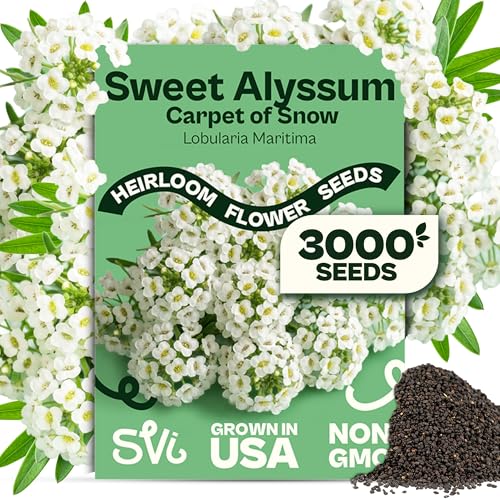
SVI Carpet of Snow Sweet Alyssum Seeds 3000

Groundio Creeping Thyme Seeds 20000+

Plants for Pets Sedum Groundcover Mat 10 x 20 in.

BuildASoil No-Till 60% Clover Seed Mix 1 lb

Vanver Landscape Fabric 3 ft x 300 ft

Magic Creeping Thyme Seeds 18000+
More Details On Our Top Picks
Creping thyme earns its place in narrow borders, along stepping stones, and around paths where you want a softer finish than bare mulch. The 10g packet makes sense for smaller projects or for patching thin spots, and the fragrant foliage adds value beyond looks, especially near seating areas.
The trade-off is patience, since seed starts are never instant and thyme usually wants decent light and well-drained soil. Compared with the sedum mat later in the list, this is the slower, more hands-on route, but it can feel more tailored to your space.
Strong Points
- Low, spreading habit suits path edges and tight borders.
- Fragrant foliage adds a pleasant touch near walkways.
- Small packet size fits modest projects and spot filling.
- Works well as a lawn alternative in sunny areas.
Things To Consider
- Seed growth takes time, so coverage is not immediate.
- Drainage matters, which can complicate heavy clay spots.
- A small packet may feel light for larger yards.
Feature Snapshot
Who It Suits Best
Sunny-yard gardeners who want a fragrant, low carpet for edges and walk paths will get the most from this seed packet.
A Better Fit Elsewhere
Plants for Pets Sedum Groundcover Mat 10 x 20 in. suits you better when you want faster surface coverage with far less waiting.
Purslane fits the kind of spot that bakes in summer and never seems to stay moist for long. The listing’s 1 gram packet with 2000-plus seeds makes it easy to scatter over a lot of ground, and the edible angle may matter to gardeners who like a productive patch as much as a tidy one.
Compared with creeping thyme, purslane is the more heat-first option, so it can suit harsher exposed beds. The honest read is that its look is more utilitarian than ornamental, which is fine for filling space but less useful for a formal front border.
Upsides
- Heat-tolerant growth suits exposed summer beds.
- Large seed count gives broad coverage potential.
- Heirloom, non-GMO seed format appeals to gardeners who value seed saving.
- Useful for edible planting beds as well as ground cover.
Areas To Watch
- The look is more practical than decorative.
- Seed success still depends on steady moisture at the start.
- A tiny packet can be easy to overuse on large plots.
Core Details
Who Should Grab It
Sunny, dry-bed gardeners who want a tough, low-care spreader with an edible use case will find this one useful.
Where Another Pick Suits Better
Groundio Creeping Thyme Seeds 20000+ suits you better when scent and a softer ornamental look matter more than a utilitarian patch.
Sweet alyssum brings a different mood from thyme and purslane, with a dense white flower effect that works well at bed edges, in containers, or in any spot that needs a lighter visual touch. The 3000-seed count gives you room to experiment with drifts or tighter clumps without feeling stingy.
It’s a better fit for people who want bloom impact more than a tough, walk-on surface cover. The catch is that flowers tend to ask for a bit more attention than ultra-rugged ground covers, so this suits decorative planting plans more than rough traffic areas.
Best Bits
- White blooms create a clean, airy look.
- Works in beds, containers, and border strips.
- Large seed count gives room for repeated sowing.
- Useful where ornament comes before foot traffic tolerance.
Small Caveats
- Flowering ground cover needs more care than a fabric layer.
- Not the right match for worn paths or heavy use.
- Decorative performance depends on planting conditions and timing.
Details At A Glance
Who Will Love This
Border gardeners and container plant lovers who want a soft white finish will get the most out of this seed pack.
Not Your Match When
Vanver Landscape Fabric 3 ft x 300 ft is the better route when you need a no-plant barrier for a driveway or utility strip.
This thyme packet leans into the familiar strengths people want from a drought-tolerant ground layer: low growth, broad coverage, and a perennial habit that can keep a space looking settled across seasons. Because it’s positioned as low maintenance and grown in the USA, it speaks to gardeners who want a straightforward seed choice without a lot of fuss.
Compared with PLANTMEW Creeping Thyme Seeds 10g, this one appears aimed more at larger plantings than tiny trim work. The honest read is that it still asks for the usual seed-starting patience, so it fits planned projects more than last-minute cleanup.
Positives
- Large seed count supports wider coverage plans.
- Perennial habit suits long-term border and patch use.
- Low-maintenance positioning fits busy yard routines.
- Works well for people building a thyme-heavy look.
- Made for outdoor sowing, which keeps the use case simple.
Worth Noting
- Seed growth still takes time, so patience helps.
- Like most thyme seed, drainage and sun matter.
- Large counts can be more seed than a tiny bed needs.
Quick Facts
Built With In Mind
Home gardeners filling sunny, open areas with a lasting thyme cover will find this packet well matched to the task.
Look Elsewhere When
TKE Farms & Gardens Purslane Seeds for Planting suit hotter, leaner beds where you want a tougher summer spreader.
A live sedum mat solves a different problem than seed packets, because you’re getting a preassembled surface instead of waiting for germination. The 10 by 20 inch format makes it easier to think in sections, whether you’re patching a small area, building a vertical planter, or trying a roofline project.
That physical format matters most when you want faster visual coverage without piecing together a dozen tiny starts. Compared with the thyme and alyssum seeds above, this option asks for more upfront planning but gives you a much more immediate result.
Highlights
- Live mat format speeds up visible coverage.
- Drought- and heat-tolerant sedum suits leaner sites.
- Works for green roofs and vertical gardens.
- Pet-friendly positioning may matter in shared yards.
- Useful for DIY installs where shape and texture matter.
Softer Spots
- Living mats usually need more planning than seed packets.
- Panel size may be small for broad open ground.
- Placement and aftercare matter during early establishment.
Feature Card
The Right Fit
Yard owners who want a ready-made succulent surface for small projects, walls, or roof accents will get the most from this mat.
Another Choice May Suit
Groundio Creeping Thyme Seeds 20000+ suit you better when you want a more traditional seed-driven ground cover for larger sunny stretches.
This mix speaks to the gardener who wants coverage with a more soil-focused mindset. The 60 percent clover blend and 12-species makeup suggest a living layer that can work in lawns, raised beds, or no-mow patches, and that flexibility matters when one area of the yard keeps changing use.
Compared with the thyme packets, this feels less ornamental and more functional. The trade-off is that mixed cover-crop blends can look a little less uniform, which is fine in practical spaces but not as tidy in a formal front yard.
Reasons To Buy
- Mixed species support a more varied ground layer.
- Clover-heavy blend suits low-mow and no-mow areas.
- Useful in lawns, gardens, and raised beds.
- 1 lb bag gives broader sowing flexibility.
Points To Note
- The look is more utilitarian than ornamental.
- Mixed blends can establish unevenly across different soil types.
- Coverage style may not suit formal edging.
Spec Overview
Whose Shelf It Belongs On
Gardeners who want a more ecological, mixed ground cover for practical spaces will appreciate this seed blend.
Swap It Out When
SVI Carpet of Snow Sweet Alyssum Seeds 3000 is a better fit when your main goal is a clean white flowering edge.
Landscape fabric solves the groundwork problem instead of supplying a living cover, so it belongs in this list for gardeners who want to control bare soil first. The 3 by 300 foot roll is a serious stretch of material, which can be useful in long driveway edges, under gravel paths, or in larger planting beds that need a cleaner base.
Compared with living options like sedum or thyme, this is about blocking and separating, not blooming or spreading. The honest read is that it’s practical and often easier to maintain once installed, but the install work is more involved at the start.
What We Like
- Long roll length covers substantial ground.
- Geotextile-style fabric suits garden and driveway use.
- Helpful where you want a clean base under top material.
- Simple concept makes planning straightforward.
Minor Gripes
- Installation takes more effort than scattering seed.
- It does not add color or seasonal bloom.
- Long rolls can be awkward to store and cut.
Technical Sheet
Best Suited To
Property owners managing long runs of exposed soil or gravel will get the most value from this wide fabric roll.
Reach For A Different Pick When
PLANTMEW Creeping Thyme Seeds 10g suit you better when you want a living, fragrant surface rather than a barrier layer.
This thyme seed option leans toward decorative edging, rock gardens, and any place where a low carpet with tiny flowers can soften hard lines. The 18000-plus seed count gives you plenty of room for broad patches, so it suits gardeners who want to spread a look across several small areas instead of one narrow strip.
Compared with Groundio Creeping Thyme Seeds 20000+, the appeal here is similar, but the listing’s garden-decoration angle makes the design use especially clear. One thing worth considering is that, like most seed-based thyme, it asks for time and suitable conditions before it starts looking finished.
Bright Spots
- Large seed count supports wider edging plans.
- Low-growing thyme works nicely near stonework.
- Heirloom, non-GMO seed format gives it a classic garden feel.
- Helpful for rock gardens and border accents.
Honest Caveats
- Seed-based coverage takes patience to develop.
- The best results still depend on the right light and drainage.
- Smaller decorative spaces may only need part of the packet.
Core Details
Made For
Detail-focused gardeners who want a decorative thyme edge for stones, borders, or accent beds will find this packet a solid match.
Where A Sibling Pick Shines
Plants for Pets Sedum Groundcover Mat 10 x 20 in. is the better choice when you want a ready-made live surface instead of seed-starting work.
How To Choose The Right Drought Resistant Ground Cover
Start With The Site, Not The Seed Packet
Sun exposure, drainage, and foot traffic shape the whole decision. A thyme seed pack makes sense in open, sunny spaces with decent drainage, while a sedum mat handles a more controlled install where you want immediate surface coverage.
For dry patches beside walkways, think about how often you’ll step there. Seeded thyme can handle a softer edge, but a gravel path or driveway strip usually needs a barrier layer first, which is where landscape fabric earns its place.
Match The Plant To The Kind Of Maintenance You Want
Living ground cover asks for establishment time, watering at the start, and some patience. That’s fine for gardeners who want a planted look and can wait for spread, especially with thyme, alyssum, or clover blends.
Long runs of exposed soil call for something simpler to manage. A mat or fabric reduces the amount of piecing together you need later, which can matter more than bloom color in busy side yards or utility spaces.
Think About The Finish You Actually Want To See
Some yards need a soft, floral edge. Others need a quiet, low carpet that disappears into the background, and a few need no living plant at all, just a tidy base that keeps weeds from taking over.
That choice changes the product class as much as the price point. Sweet alyssum gives you a decorative bloom, thyme brings a fragrant, low finish, sedum adds texture, and fabric solves a groundwork problem without trying to be ornamental.
Buy For Coverage, Not Just For Seed Count
Seed count matters, but coverage depends on how the plant grows, how fast it establishes, and how dense you want the result to look. A smaller packet can be enough for edging, while a 1 lb clover mix makes more sense for broader lawn or bed work.
Look at the shape of your project and the amount of time you want to spend reworking it. The right fit usually saves effort later, which is the real payoff in a drought-conscious yard.
What To Weigh Before You Commit
Wrong Turns To Avoid
Don’t treat every dry-site product as the same kind of fix. A living seed mix, a succulent mat, and a barrier fabric solve different problems, so the label has to match the space.
Another easy miss is ignoring how much patience a seed start needs. If the area needs a finished look right away, a mat or fabric is the more realistic route.
The Upgrade Payoff
Higher-tier options in this category often cost more because they save labor, reduce waiting, or expand what the surface can do. A live sedum mat, for example, brings instant structure that plain seed packets can’t match.
Mixed blends and longer rolls can also justify the step up when you’re covering more ground or trying to solve more than one problem at once. Paying more starts to make sense when the project is large, visible, or awkward to redo.
Frequently Asked Questions
What makes a ground cover drought resistant?
It usually means the plant or material can handle lean moisture once it settles in. Sedum, thyme, purslane, and clover each approach that need in a different way.
Is seed or live mat easier for a first project?
A live mat is easier for fast visual structure, while seed is easier on the wallet and more flexible. The trade-off is patience with seed and more upfront planning with a mat.
Can these options work in full sun?
Several of them can, especially thyme, purslane, and sedum. Soil drainage and heat exposure still shape how well the planting settles.
Which option suits a low-maintenance yard?
Thyme seed mixes and sedum tend to fit that goal well because they stay low and spread in a controlled way. Landscape fabric suits the lowest-maintenance route of all, since it’s a barrier rather than a living cover.
What should you use along a path edge?
Creeping thyme is a strong fit for path edges because it stays low and looks tidy near stone or stepping areas. Sweet alyssum works better when the edge is decorative rather than walkable.
