Overgrown brush can turn a fence line, pasture edge, or tree line into a weekly chore. The right concentrate helps you handle woody growth, vines, broadleaf weeds, and stubborn regrowth without guessing which jug belongs in the shed.
This roundup focuses on mixes that suit different yard sizes, from small spot jobs to acreage maintenance. You’ll also see where brush-focused formulas make more sense than general weed killers, especially around trees, stumps, and non-crop areas.
Quick Look At The Shortlist

Hi-Yield Killzall II 2.5 gal
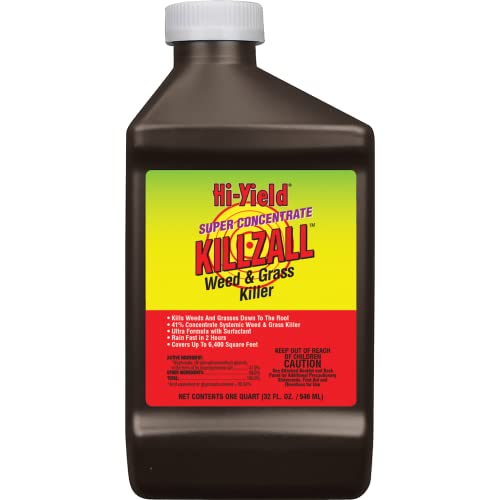
Hi-Yield Killzall Weed & Grass Killer 32 oz

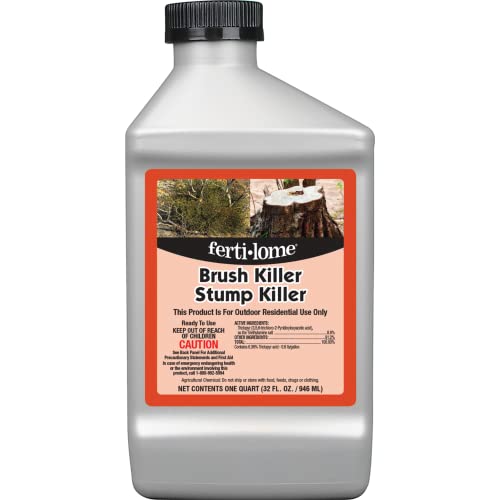
Fertilome Brush Killer & Stump Killer Woody Plant Control 32 oz

Fertilome Brush Killer & Stump Killer Woody Plant Control 16 oz

Southern Ag 01113 Brush Weed Killer 1 Quart

Roundup Poison Ivy Plus Tough Brush Killer2 Concentrate 32 fl. oz.
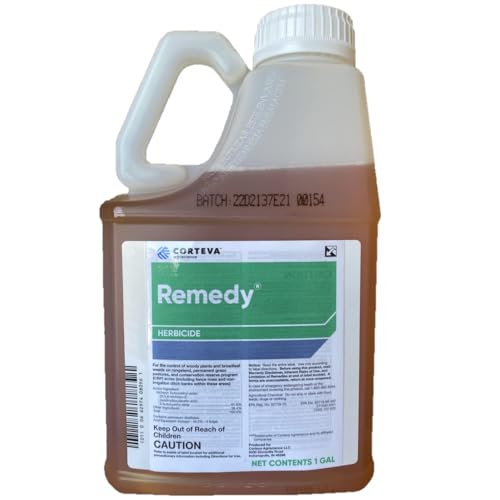
Remedy Specialty Herbicide Weed Killer & Brush Control 1 Gallon
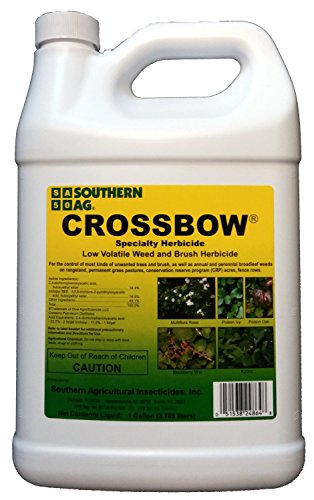
Southern Ag Crossbow Specialty Herbicide Low Volatile Weed & Brush Herbicide 128 oz

Roundup Poison Ivy Plus Tough Brush Killer2 with Comfort Wand 1 gal.
More Details On Our Top Picks
For acreage upkeep, the 2.5-gallon size changes the rhythm of the job. You’re not topping off a sprayer every few minutes, so it suits fence lines, rough lots, and long runs with woody growth mixed in.
The label focus on annual and perennial grasses, broadleaf weeds, and woody brush species gives it a broad working range. The trade-off is simple, it’s not meant for lawns, so this is a tool for problem areas rather than a whole-yard fix.
Strong Points
- Large volume suits bigger properties and repeated spray rounds.
- Handles grasses, broadleaf weeds, and woody brush in one concentrate.
- The 2.5-gallon format lowers refill interruptions during long jobs.
- Good fit for rough edges where tree-line growth keeps returning.
Things To Consider
- It’s too much product for many small yards, so storage matters.
- Not intended for lawn use, which limits casual touch-up work.
- Mixing and sprayer cleanup take more time than a ready-to-use bottle.
Feature Snapshot
Who It Suits Best
You’ll get the most from this on larger properties where brush, weeds, and grass all crowd the same spaces.
A Better Fit Elsewhere
Hi-Yield Killzall Weed & Grass Killer 32 oz suits smaller projects and tighter storage spaces better.
This 32-ounce bottle keeps the footprint small, which helps when the shed shelf is crowded or you only spray a few problem spots at a time. In most DIY setups, that makes it easier to keep around without feeling committed to a huge jug.
Compared with the 2.5-gallon Hi-Yield bottle, this one fits occasional work better than acreage duty. The same glyphosate base is there, but you’re choosing a smaller pack size for convenience and storage rather than bulk.
What We Like
- Compact bottle is easier to store and carry.
- Useful for spot treatment and repeat small jobs.
- Same broad weed and grass focus as the larger Hi-Yield option.
- Good entry point for anyone mixing concentrate for the first time.
Room For Improvement
- You’ll refill more often on large properties.
- Mixing still takes care and measuring, so it’s less casual than a spray-ready bottle.
Core Details
Who Should Grab It
You’ll appreciate this most for smaller yards, quick cleanups, or anyone who wants concentrate without a bulky container.
Another Choice May Suit
Hi-Yield Killzall II 2.5 gal makes more sense for acreage operators who need fewer refills and broader coverage.
This version stands out because it pairs glyphosate with imazapic, a residual herbicide that leaves activity in the soil after application. That matters on drive edges, fence lines, and rough patches where regrowth keeps showing up after a basic knockdown.
The honest trade-off is that longer control usually calls for a more deliberate read of the label and the site you’re treating. Compared with Hi-Yield Killzall Weed & Grass Killer 32 oz, this one leans toward persistence rather than simple cleanup.
Bright Spots
- Extended-control formula helps slow repeat regrowth.
- Useful where brushy patches keep returning after treatment.
- 32-ounce size stays manageable for property maintenance.
- Fits fence lines and rough ground where longer control matters.
Points To Note
- The extended-control chemistry asks for careful label reading.
- Not the simplest option for casual spot spraying.
- Best fit is targeted areas, not general lawn care.
At A Glance
Made For
You’re in the right lane here if you manage rough edges, fence rows, or other spots where fresh growth keeps coming back.
Look Elsewhere When
Southern Ag 01113 Brush Weed Killer makes more sense for a simpler, more straightforward brush-clearing mix.
Triclopyr ester is the ingredient family that makes this one feel purpose-built for woody growth. That matters around brushy fence lines, stumps, and vine-heavy areas where a grass-first product can feel too broad for the job.
Because this is aimed at non-crop areas, it suits property work more than everyday lawn maintenance. The smaller 32-ounce bottle is easier to handle than the gallon-size Remedy Specialty Herbicide, though it naturally offers less volume for larger projects.
What We Like
- Focused on woody plants, vines, and stumps rather than general turf use.
- Triclopyr ester is a strong fit for brush-heavy cleanup.
- 32-ounce size works well for targeted applications.
- Practical for property owners managing non-crop areas.
Small Caveats
- Smaller bottle means more refills on larger jobs.
- Stored product and mixing gear still need a tidy space.
- Not the natural first choice for wide, grass-heavy areas.
Feature Rundown
Best Suited To
You’ll get the most value from this around stumps, vines, and brush that keeps crowding out cleaner edges.
Swap It Out When
Remedy Specialty Herbicide suits larger pasture and fence-line projects better, especially where gallon-size coverage matters.
The 16-ounce version keeps the same woody-plant focus as the larger Fertilome bottle, but in a lighter package for smaller jobs. That makes it easier to store beside hand tools or carry to a single stump without feeling overpacked.
Owners often favor this size for spot work, especially where vines or a few stumps are the real problem. The smaller volume is the trade-off, and that’s fine for tight tasks but less convenient for long fence runs.
Best Bits
- Small bottle is easy to store and carry.
- Same woody-plant and stump focus as the 32-ounce Fertilome.
- Good fit for occasional touch-up projects.
- Less storage burden than bulkier concentrates.
Areas To Watch
- Not the best match for wide-area brush removal.
- You may find yourself reaching for refills sooner than with the 32-ounce version.
Details At A Glance
Who Will Love This
You’ll appreciate this most for spot treatments where a small bottle is easier to keep on hand than a larger jug.
A Better Fit Elsewhere
Fertilome Brush Killer & Stump Killer Woody Plant Control 32 oz suits property owners who need more coverage per bottle.
This one keeps things direct, a quart-size brush killer with no extra fuss in the naming or the form factor. For a shed shelf that already holds sprayers, nozzles, and gloves, that simplicity has real value.
Compared with the Fertilome options, Southern Ag 01113 leans more toward straightforward brush control than a very specific woody-plant story. That makes it a sensible middle-ground choice for homeowners handling routine overgrowth around property edges.
Positives
- Simple quart size is easy to store.
- Good middle-ground choice for routine brush work.
- Fits the kind of maintenance jobs that come up season after season.
Honest Caveats
- Less detailed source info means you’ll want to match it carefully to your use case.
- A quart can still disappear fast on bigger lots.
Key Specs
The Right Fit
You’ll likely feel at home with this if you want a basic brush-control jug for periodic property upkeep.
Where A Sibling Pick Shines
Hi-Yield Killzall Weed & Grass Killer 32 oz is the better fit for anyone who wants a clearly documented glyphosate concentrate.
This concentrate is aimed at the thornier side of yard cleanup, especially poison ivy, poison oak, poison sumac, wild blackberry, and kudzu. That kind of target list matters when the problem is a climbing vine or a patch that keeps spreading through the tree line.
Compared with Southern Ag 01113, this one is more specialized in what it names and less generic in feel. The trade-off is that the focus helps with tough brush, but the bottle still needs measuring and mixing before use.
Reasons To Buy
- Targets a clear list of tough vines and brushy invaders.
- Concentrate format lets you mix for the area in front of you.
- Useful for property edges where poison ivy can crowd out clean growth.
- Works well for homeowners dealing with stubborn climbing plants.
Worth Noting
- Concentrate handling takes measuring and a spray setup.
- Specialized use can be more than you need for simple grass control.
Spec Overview
Whose Shelf It Belongs On
This belongs with homeowners who keep running into poison ivy, dense vines, or similarly stubborn brush around trees and fences.
Skip It When
Hi-Yield Killzall 365 makes more sense if regrowth control matters more than a highly specific vine list.
Remedy is built for bigger rural spaces, especially rangeland, pasture, and fence lines where brush can keep creeping back. Its low-odor profile is a welcome detail in day-to-day property work, and the gallon format suits broad coverage rather than occasional dabbling.
The product page also points to full-plant activity, from top growth to roots, which is exactly the kind of language you want for encroaching brush. Compared with the smaller Fertilome bottles, this one makes more sense when the job stretches across long borders or a pasture edge.
Highlights
- Gallon size supports wide pasture and fence-line work.
- Designed for both top growth and root-directed control.
- Low-odor handling is easier to live with around regular maintenance.
- Works as a standalone mix or part of a larger brush plan.
Minor Gripes
- The gallon size is more product than many small yards need.
- It asks for careful storage and handling because the container is large.
Technical Sheet
Built With In Mind
You’ll get the best match here if your work spans pasture edges, fence rows, or other large rural areas with encroaching brush.
Reach For A Different Pick When
Fertilome Brush Killer & Stump Killer Woody Plant Control 32 oz suits smaller brush and stump jobs with less product to manage.
Crossbow is the high-coverage option in this group, and the gallon format signals that right away. You get a broad weed-and-brush herbicide with named active ingredients, Garlon and 2,4-D, plus a spray yield that can stretch a long way in large-area work.
That kind of volume makes sense on acreage, but it’s overkill for a tiny cleanup around one tree. Compared with Remedy Specialty Herbicide, this one leans into spray economy and broad coverage more than pasture-specific positioning.
Upsides
- Gallon size supports big treatment areas.
- Can make up to 96 gallons of spray solution.
- Named active ingredients help you compare it to other brush-control concentrates.
- Useful for unwanted trees, brush, and broadleaf weeds.
Softer Spots
- The size asks for more storage space and more careful measuring.
- Far more product than many homeowners need for small jobs.
Feature Card
Made For
This is the fit for property owners who need a high-volume brush and weed concentrate for large treatment zones.
Not Your Match When
Southern Ag 01113 Brush Weed Killer is easier to live with for simpler routine brush cleanup in a smaller yard.
The Comfort Wand gives this one a different feel from the concentrates above, because you can treat problem spots with less setup. That’s handy along foundations, walkways, and tree edges where you want a more direct pass and less mixing.
The product is built around poison ivy, poison oak, poison sumac, wild blackberry, kudzu, and other tough weeds, so the focus stays narrow and practical. The catch is that ready-to-use convenience usually trades away the flexibility of a concentrate, which is fine for spot cleanup but less efficient for long runs.
Best Points
- Comfort Wand makes spot application more convenient.
- No mixing step, which helps with quick cleanup jobs.
- Targets a clear set of stubborn vines and weeds.
- Useful around paths, edges, and small brushy pockets.
Areas To Watch
- Ready-to-use format offers less flexibility than a concentrate.
- Wand storage and handling take a little extra care after use.
Quick Facts
Right Fit For
You’ll like this most if you want a ready-to-use brush killer for quick jobs around the yard.
Another Choice May Suit
Roundup Poison Ivy Plus Tough Brush Killer2 Concentrate suits larger users who’d rather mix for broader coverage.
How To Choose The Right Brush Killers For Trees
Match The Formula To The Growth You See
Brush around trees is usually not just one problem. You may be dealing with woody stems, climbing vines, broadleaf weeds, or grass that crowds the same strip of ground, and those jobs call for different chemistry.
Glyphosate products, like the Hi-Yield Killzall options, fit mixed weed control and general cleanup. Triclopyr products, like the Fertilome and Remedy lines, lean more toward woody plants and brush, which matters around fence rows and rough edges.
Think About Coverage Before Bottle Size
A 32-ounce bottle makes sense for spot work, storage on a crowded shelf, or regular cleanup around a few trees. Gallon-size options are better for acreage, pasture edges, or long drive borders where repeated spraying would make a small bottle feel like a drip in a bucket.
Volume also affects handling. Bigger jugs can reduce refill stops, but they take more room and can feel clumsy in a small shed or truck cab.
Consider How Much Regrowth You’re Fighting
Some brush killers aim for quick knockdown, while others add residual control to slow what comes back later. Hi-Yield Killzall 365 uses imazapic for extended control, which suits areas where regrowth has become the real headache.
That extra persistence is useful, but it usually asks for more careful site selection and label reading. For simple one-time cleanup, a standard concentrate may be the easier fit.
Plan For Real-World Use, Not Just The Label
Storage, mixing, sprayer cleanup, and wand handling all matter after the bottle is opened. Ready-to-use tools like the Roundup Comfort Wand save setup time, while concentrates give you more control over how much solution you mix.
For most properties, the right choice is the one that fits your routine. A product that matches your storage space, treatment size, and brush type tends to feel easier every season, not just on day one.
Things Worth Knowing First
Mistakes Worth Dodging
One common slip is grabbing a grass-first product for woody brush and expecting the same result on stumps or vines. Another is buying a large jug for a tiny yard, then finding out the bottle is harder to store than the job is to finish.
Label wording matters too. “Non-crop areas,” “pasture,” and “fence lines” point to very different use settings, so the product page should match the place you plan to treat.
The Upgrade Payoff
Higher-tier products in this category usually cost more because of the chemistry, the coverage format, or the application convenience. A formula with residual control, a larger jug, or a built-in wand can save time or reduce repeat work across a season.
That step up makes the most sense for acreage owners, pasture managers, and anyone dealing with regrowth that keeps winning the same patch of ground. For a few stubborn stems near a tree, the extra spend can be more than you need.
Frequently Asked Questions
What makes a brush killer suitable for trees?
You want a formula that targets woody growth, vines, or tough broadleaf weeds without being limited to lawn weeds only. The best fit depends on whether you’re clearing around trunks, fence lines, or rough ground.
Do concentrates work better than ready-to-use bottles?
Concentrates give you more control over mix strength and coverage, which helps on larger jobs. Ready-to-use bottles are easier for quick spot treatments and small cleanup tasks.
Why do some products mention stumps?
Stump-focused formulas are built for woody material, not just leafy growth. That makes them more relevant when brush and tree suckers are part of the problem.
Is a gallon size always better?
No, gallon size is only the smarter choice when your property or treatment area is large enough to use it. Smaller bottles are easier to store and are often more practical for occasional use.
What should you compare before choosing?
Check the active ingredient family, the intended use area, and the amount of product you’ll actually need. Those three details usually matter more than the bottle shape.
Closing Thoughts
The best brush killer for your trees depends on the job sitting in front of you, not just the bottle label. For broad acreage, the Hi-Yield 2.5-gallon concentrate and Southern Ag Crossbow bring coverage; for woody stumps and vines, the Fertilome and Remedy picks make more sense. Smaller yards usually do better with the 32-ounce Hi-Yield or the Roundup Comfort Wand bottle, because they’re easier to store and use without fuss. Match the formula to the growth, and the work feels much less uphill.