Composting works best when the container fits the way you actually live. A busy kitchen, a small apartment, or a yard full of clippings each asks for something different, and the wrong setup can turn a useful habit into a nuisance.
You’ll see compact countertop caddies, tumblers that speed up mixing, and oversized outdoor bins built for heavier yard loads. The goal here is simple, match the container to your space, your volume, and how much effort you want to spend on turning scraps into usable compost.
Quick Look At The Shortlist


Perfnique 1.3 Gal Kitchen Compost Bin
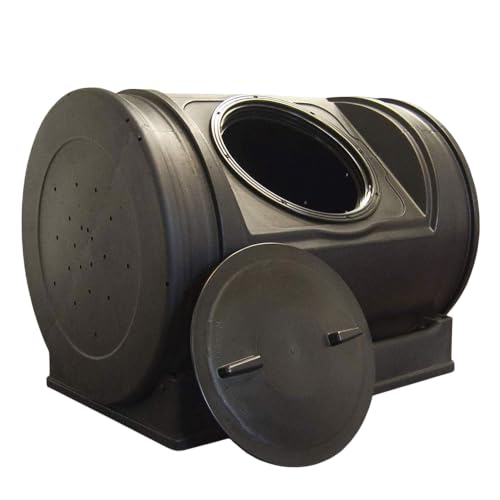
Compost Wizard Jr. Tumbler 7 Cubic Foot

MyLifeUNIT Compost Bins Outdoor 34 Gallons

Hourleey Compost Bin Outdoor 43 Gallon
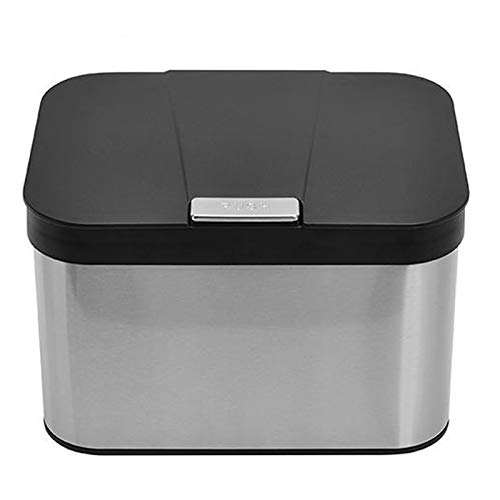
Compost Bin for Countertop 1.13 Gallon

VIVOSUN 500 Gallon Outdoor Compost Bin

VEVOR Compost Bin 220 Gallon
More Details On Our Top Picks
The F2C leans hard into backyard volume, with an 80-gallon body, a flip-latch lid, and a bottom access door that makes finished compost easier to reach. The 80 air vents and deep fins matter because airflow is what keeps a pile from turning soggy and slow, while the black BPA-free plastic helps hold warmth in cooler weather. For a busy yard with kitchen scraps and grass clippings, that’s a practical setup rather than a delicate one.
The honest trade-off is size, because an 80-gallon bin asks for enough outdoor space to make sense. It suits you best when you want fewer emptying runs and a more stationary container, not a tiny porch setup. Compared with the smaller Perfnique and the countertop Dullrout, this one is built for people who treat compost as part of yard care, not just food-waste collection.
Strong Points
- Large capacity suits heavier yard waste.
- Bottom door helps with access to finished compost.
- 80 vents support stronger air movement inside.
- BPA-free plastic is made for outdoor exposure.
- One-handed lid use keeps daily handling simple.
Things To Consider
- Needs a fair amount of outdoor floor space.
- Best results depend on regular layering and turning habits.
- Fixed-bin style is less flexible than tumblers for some setups.
Core Details
Who It Suits Best
You’ll get the most from this bin in a backyard where grass clippings, leaves, and scraps collect week after week.
A Better Fit Elsewhere
Perfnique 1.3 Gal Kitchen Compost Bin suits apartment kitchens and short countertop runs more naturally.
This little countertop caddy is tuned for the daily rhythm of meal prep, peelings, and coffee grounds. The inner bucket liner makes emptying feel less awkward, and the carbon filter helps keep the container more pleasant between trips out to the main compost pile. For a farmhouse-style kitchen, the shape fits in without shouting for attention.
Compared with the larger outdoor picks, it’s all about convenience and placement rather than capacity. That also means you may empty it more often, which is normal for a 1.3-gallon bin. For apartment kitchens and small households, that trade-off is usually the right one.
What We Like
- Compact footprint sits neatly on a counter.
- Inner bucket liner simplifies routine cleanup.
- Carbon filter helps reduce kitchen odors between empties.
- Farmhouse styling blends into visible kitchen spaces.
Room For Improvement
- Small capacity means more frequent trips to empty it.
- Countertop placement leaves less room in tight prep zones.
Feature Snapshot
Made For
You’ll appreciate this most in a small kitchen where a tidy countertop matters as much as the compost routine itself.
Look Elsewhere When
F2C Compost Bin 80 Gallon makes more sense for homes that generate heavier outdoor yard waste.
The rotating drum sets this model apart right away, because tumblers make mixing less of a chore than a static bin. A single chamber means you load one batch at a time, which helps you stay organized but also means finished material and fresh scraps share the same space. For gardeners who like a more hands-on rhythm without digging through a pile, that setup feels straightforward.
Seven cubic feet, or 50 gallons, gives you a solid middle ground between tiny kitchen caddies and giant yard bins like the VIVOSUN or VEVOR options. The trade-off is that a single chamber can slow the workflow compared with dual-chamber designs. Still, for many home gardens, the motion-friendly format is easier to live with than a stationary box.
Highlights
- Rotating design makes mixing simpler.
- Single-chamber layout keeps the process easy to follow.
- Mid-size volume suits regular household composting.
- Works well for gardeners who prefer less manual turning.
Small Caveats
- One chamber means no separate curing space.
- Needs room to rotate comfortably around the base.
- Batch workflow asks for a little planning.
Details At A Glance
Who Will Love This
You’ll like this most in a garden where you want quicker mixing without committing to an oversized backyard setup.
Swap It Out When
Hourleey Compost Bin Outdoor 43 Gallon fits better for households that want a dual-chamber rhythm and a more modern batch flow.
This reusable yard-waste bag takes a lighter approach than the hard-sided bins above it. At 34 gallons, it gives you a practical middle size for leaves, trim, and general garden cleanup, and the bag format keeps storage simpler than a bulky box. For seasonal yard work, that kind of flexibility matters.
The trade-off is structure, since a soft-sided bag is usually easier to move but less rigid than a fixed bin. That makes it a better fit for gardeners who want a straightforward staging container rather than a long-term compost system. Compared with the F2C or VIVOSUN models, it asks for less commitment and gives less permanence in return.
Upsides
- Bag-style format is easy to reposition.
- 34-gallon size handles common yard debris.
- Reusable design suits recurring garden cleanup.
- Takes less visual space than a rigid bin.
Areas To Watch
- Soft sides offer less structure than hard bins.
- Better as a holding bag than a full compost station.
- Works best with careful placement on level ground.
Core Details
The Right Fit
You’ll get the most from this in a yard where you want a simple place to gather clippings and leaves before moving them along.
Another Choice May Suit
VEVOR Compost Bin 220 Gallon is better for gardeners who need a larger outdoor setup with more permanent space.
The dual-chamber layout is the main draw here, because it lets one side work while the other side can rest. That split can make composting feel more orderly in a backyard kitchen-garden routine, especially when you like keeping fresh scraps separate from material that’s farther along. Sliding doors also make the design feel more deliberate than a basic open bin.
At 43 gallons, it sits between the compact household models and the very large yard systems. That middle placement is useful, but it also means you won’t get the sheer volume of the F2C or the VIVOSUN unit. The honest read is that this one suits gardeners who want structure more than bulk.
Best Bits
- Dual chambers support a cleaner batch routine.
- Sliding doors make access feel more controlled.
- Mid-size footprint fits many average backyards.
- Rotating format reduces the need for manual turning.
Honest Caveats
- Smaller than the largest outdoor compost containers here.
- Dual-chamber layout takes a little learning at first.
- Best on level ground for smoother rotation.
Spec Overview
Best Suited To
You’ll like this most in a home garden where you want a rotating bin without stepping all the way up to a giant yard footprint.
Where A Sibling Pick Shines
Compost Wizard Jr. Tumbler 7 Cubic Foot makes more sense for shoppers who want a single-chamber drum and a slightly simpler layout.
Small kitchens need something that stays out of the way, and this sealed countertop caddy is built around that idea. The 1.13-gallon size keeps the footprint modest, while the covered design gives scraps a place to wait until you’re ready to empty them. In most kitchens, that’s enough capacity for daily prep without crowding the sink or cutting board.
It feels more restrained than the Perfnique caddy, which is a little larger and adds a liner plus carbon filter. That makes this Dullrout pick a cleaner fit for minimalists who want a plain, compact bucket rather than extra features. The trade-off is obvious, less capacity and fewer add-ons, but also less to clean and manage.
Reasons To Buy
- Small size fits narrow counters and busy prep zones.
- Sealed top keeps scraps tucked away.
- Simple design is easy to rinse and reset.
- Works well for apartments and smaller households.
Points To Note
- Needs more frequent emptying than larger caddies.
- Basic build offers fewer convenience features than the Perfnique bin.
Feature Rundown
Whose Shelf It Belongs On
You’ll appreciate this most in a small apartment kitchen where counter space matters more than extra features.
Reach For A Different Pick When
Perfnique 1.3 Gal Kitchen Compost Bin is the better match for households that want a liner and carbon filter in the same setup.
Backyard composting gets much easier to scale when the container can grow with the amount of material you’re adding. This VIVOSUN bin is built for that larger rhythm, and the expandable format gives it a different job from the fixed F2C and Hourleey models. Gloves in the package are a useful touch for setup and routine handling, especially in a yard where composting sits beside other outdoor chores.
The catch is plain enough, a 500-gallon setup asks for serious space and a real need for volume. For small gardens, it’s more container than you need. For larger lawns or heavy leaf season, though, the size can feel like a sensible part of the routine rather than an extravagance.
Bright Spots
- Very large capacity suits heavy yard loads.
- Expandable format adapts to changing compost volume.
- Included gloves add a practical setup touch.
- Well suited to big garden cleanup cycles.
Worth Noting
- Needs ample yard space to make sense.
- Too large for most small household compost routines.
- Best suited to people who generate a lot of outdoor material.
Feature Card
Built With In Mind
You’ll get the most out of this in a large yard where compost volume rises fast through mowing and leaf season.
Not Your Match When
Dullrout Compost Bin for Countertop 1.13 Gallon is a better fit for small kitchens and tighter indoor spaces.
The VEVOR is the middle ground between a modest bin and a full yard-scale system. At 220 gallons, it gives you a lot more room than the Hourleey 43-gallon tumbler, yet it still keeps the concept simple enough for backyard use. That kind of capacity suits long growing seasons, heavy leaf drop, or anyone who wants a compost space that doesn’t fill up in a hurry.
The bigger footprint is the main trade-off, and it’s worth keeping in mind before you commit to a setup this large. Compared with the VIVOSUN 500-gallon model, it’s still substantial but a little more manageable for many yards. For homeowners who want serious volume without going all the way to the largest option here, this is a practical middle path.
Positives
- Large 220-gallon capacity handles heavy compost volume.
- Expandable design keeps the setup adaptable.
- Good fit for long-season garden use.
- Offers more room than the mid-size rotating bins.
Minor Gripes
- Large footprint needs enough yard space.
- More container than many casual compost routines require.
- Assembly and placement take a little planning.
Core Details
Perfect Match For
You’ll like this most when your yard produces enough organic material to justify a larger compost station.
Skip It When
MyLifeUNIT Compost Bins Outdoor 34 Gallons is easier to live with for lighter cleanup and smaller outdoor spaces.
How To Choose The Right Composting Containers
Match Capacity To Your Waste Stream
The first decision is size, and that means thinking about how much material piles up in a normal week. Kitchen scraps only need a small sealed caddy, while leaves, grass, and garden trimmings push you toward a much larger outdoor container. A 1.13-gallon bin and a 500-gallon bin solve different problems, and forcing one to act like the other usually creates frustration.
Decide Between Static Bins And Tumblers
Static bins hold material in place, which works well when you’re comfortable layering and waiting. Tumblers rotate, so mixing becomes easier and less manual, which helps in a yard where regular turning would otherwise feel like a chore. The trade-off is simple, tumblers usually ask for a little more structure in how you load them, while static bins can be more forgiving for casual use.
Think About Placement And Cleanup
Countertop caddies live close to food prep, so lid fit, footprint, and ease of emptying matter more than raw capacity. Outdoor bins need stable placement, enough room to open doors or rotate panels, and a layout that lets you reach the finished material without awkward digging. A compost container should make your routine smoother, not add a second job to it.
Pick For Your Routine, Not Just Your Yard
A small household may do well with a compact indoor bin and a modest outdoor staging option, while a serious gardener may need a larger, more permanent system. The right container is the one you can keep using without thinking about it every day. That usually comes down to a mix of capacity, airflow, access, and how much maintenance you’re willing to handle.
What To Weigh Before You Commit
Common Shopping Slip Ups
A common mistake is choosing by size alone and forgetting the shape of the job. A roomy outdoor bin can be overkill for apartment scraps, while a tiny countertop caddy can become annoying in a busy kitchen. Another easy miss is ignoring how you’ll empty the container, because easy access matters just as much as total volume.
What The Higher Tier Buys
Higher-tier compost containers usually spend the extra money on capacity, airflow design, dual chambers, stronger materials, or easier access points. Those details matter most when you compost often, manage yard waste through the seasons, or want less manual turning. For occasional kitchen scraps, a simpler bin usually makes more sense than paying for a setup that stays half empty.
Frequently Asked Questions
What size compost container works for a small kitchen?
A 1 to 1.3-gallon countertop bin is a sensible starting point for most small kitchens. It stays compact while still holding enough scraps for regular emptying.
Are tumblers easier than standard compost bins?
Tumblers are easier to mix because you rotate the drum instead of digging through material by hand. Standard bins can be simpler to load, especially for loose leaves and yard waste.
Do countertop compost bins need a filter?
A filter helps make a kitchen caddy more comfortable between emptying sessions. It matters most in warm kitchens or homes that collect scraps for more than a day.
What capacity works best for a large yard?
Large yards usually benefit from outdoor bins in the 220-gallon range and up. Very heavy leaf or mowing seasons can make even that size feel useful rather than excessive.
Should you choose a single chamber or dual chamber tumbler?
Single-chamber tumblers keep the design simpler and are easier to understand at a glance. Dual-chamber models help you separate fresh material from compost that needs more time.