You want composting that fits your routine, not another chore that sits by the sink or takes over the patio. This roundup focuses on compact countertop bins, enclosed indoor caddies, electric units, and a large outdoor bin, so you can match the container to your space and trash habits without guesswork.
Quick Look At The Shortlist

F2C Compost Bin 80 Gallon

Perfnique 1.3 Gal Kitchen Compost Bin

4L Electric Composter for Kitchen
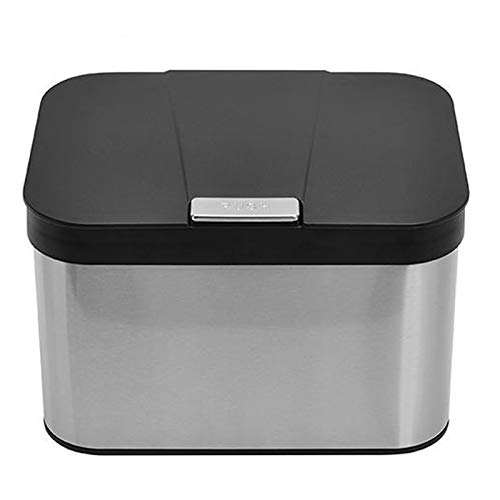
Compost Bin for Countertop 1.13 Gallon
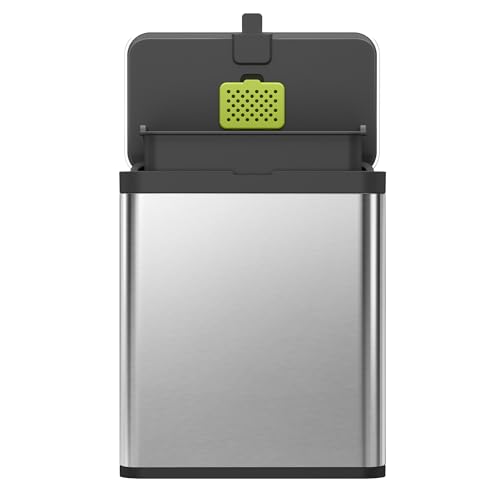
EKO Kitchen Compost Bin 7L / 1.85 Gal

EKO Kitchen Compost Bin 7L / 1.85 Gal

Stainless Steel Hanging Trash Can with Lid and Inner Bucket 2 Gallon

Beautiful Kitchen Compost Bin 1.1 Gallon
More Details On Our Top Picks
For backyard composting, this F2C bin is the one that leans into volume and airflow instead of countertop convenience. The 80-gallon size gives you room for yard trimmings and kitchen scraps together, while the black BPA-free plastic is built for outdoor exposure and colder weather.
The 80 air vents and deep fins matter because they encourage circulation through the pile, which helps reduce the stop-start feeling you get with a sealed tub. The trade-off is simple, it takes real patio or garden space, and moving it once it’s loaded won’t feel casual.
Strong Points
- Large 80-gallon capacity suits ongoing yard waste and food scraps.
- Air vents and deep fins support steadier circulation inside the bin.
- Black plastic helps the bin hold warmth in cooler weather.
- Top latch lid and bottom door make daily access less awkward.
- One-handed lid use feels convenient during busy outdoor cleanup.
Worth Noting
- It asks for yard or patio space that small balconies cannot spare.
- Once full, the large body is less nimble to shift around.
- Outdoor placement means you’ll still need routine rinsing and basic upkeep.
Core Details
Who It Suits Best
Backyard gardeners and households with steady yard waste will get the most from this size and layout.
A Better Fit Elsewhere
The Perfnique 1.3 Gal Kitchen Compost Bin suits apartment kitchens or anyone who wants scraps contained indoors before a larger outdoor transfer.
This Perfnique caddy makes sense for small kitchens that need a neat place for scraps without crowding the prep area. The 1.3-gallon size keeps it compact, and the inner bucket liner adds a practical layer for lifting out collected waste.
The carbon filter is the feature that usually matters most in a busy kitchen, because it helps the bin feel less intrusive near the sink or coffee station. The honest read is that the smaller capacity means more frequent emptying, but that’s a fair trade for apartment counters and lighter daily use.
What We Like
- Compact shape fits a cramped counter without taking over prep space.
- Inner bucket liner makes cleanup and emptying less messy.
- Carbon filter adds a more contained day-to-day kitchen setup.
- Farmhouse styling blends with warm, lived-in kitchens.
Areas To Watch
- The smaller bin size means you’ll empty it more often.
- Countertop placement still needs a spot away from heavy splashes.
- The look is softer and less utilitarian than metal bins like EKO.
Feature Rundown
Built With In Mind
Apartment dwellers, small-home cooks, and anyone with a narrow countertop will appreciate the modest footprint.
Where A Sibling Pick Shines
The F2C Compost Bin 80 Gallon is the stronger match for gardeners who need a larger outdoor collection point for yard waste.
Among countertop options, this electric composter is the most hands-off-looking choice in the group. The 4-liter chamber gives you enough room for daily kitchen scraps, and the low-noise, auto-clean, odorless design points toward a cleaner routine with less manual effort.
That convenience comes with a different mindset, though, because you’re plugging in a machine rather than setting out a simple bucket. Home cooks who generate scraps every day, especially in tighter kitchens where smell and cleanup matter, will likely appreciate the automation more than a basic caddy.
Highlights
- Electric operation reduces the hands-on side of food-scrap handling.
- 4-liter chamber suits regular small-batch kitchen waste.
- Low-noise operation is easier to live with in open kitchens.
- Auto-clean function helps lower the aftercare burden.
- White finish keeps the machine visually light on a counter.
Points To Note
- It needs a power source, so placement is less flexible than a caddy.
- Countertop machines usually ask for more space than a small pail.
- The automation makes sense for frequent use, less so for occasional scraps.
Technical Sheet
Right Fit For
Busy home cooks who want a more automated countertop setup will get the most value here.
Look Elsewhere When
The Perfnique 1.3 Gal Kitchen Compost Bin suits you better for a simpler, non-electric option near the sink.
Some kitchens just need a small, sealed place to hold scraps until trash day or transfer time. That’s where this 1.13-gallon Dullrout bin fits well, especially on counters that already carry a coffee maker, dish rack, or cutting board.
The black matte finish keeps it visually quiet, and the indoor sealed design helps it feel more contained than an open pail. The trade-off is capacity, because this size works best for light kitchen waste and regular emptying rather than bigger cooking sessions.
Upsides
- Small footprint suits tight countertops and narrow prep zones.
- Sealed design keeps scraps contained between emptying sessions.
- Matte black finish blends easily with modern appliances.
- Simple form is easy to wipe down after daily use.
Softer Spots
- Light capacity makes it a better match for modest scrap volume.
- Frequent emptying is part of the routine with this size.
- Very busy kitchens may outgrow it fast.
Quick Facts
Whose Shelf It Belongs On
Minimalist kitchens and small households that create only a modest amount of scraps will find this size easiest to live with.
Skip It When
The Ouaken 4L Electric Composter is the better fit for cooks who want a more automated countertop setup.
Metal finish and a removable inner bucket give this EKO bin a more polished feel than the plastic countertop options above it. The 7-liter size sits in that useful middle zone, roomy enough for regular kitchen scraps but still compact enough to stay near the prep area.
The deodorizer compartment is the feature that separates it from simpler caddies like the Dullrout and Perfnique bins, especially in kitchens where scraps linger longer than planned. The stainless steel body should also be easier to pair with appliances, though fingerprints and wiping are part of the routine with any polished metal surface.
Best Bits
- Stainless steel gives the bin a cleaner, more finished look.
- Removable inner bucket makes disposal and rinsing more practical.
- 7-liter size balances daily use with a compact footprint.
- Deodorizer compartment adds a helpful layer for indoor use.
Trade Offs
- Metal surfaces usually need more frequent wiping to stay neat.
- The darker finish can show smudges depending on kitchen lighting.
- It costs a bit more visual polish than basic plastic pails.
At A Glance
The Right Fit
You get the most from this bin in a kitchen where style matters as much as everyday function.
A Better Fit Elsewhere
The F2C Compost Bin 80 Gallon is the better match for outdoor composting and larger garden waste loads.
This version keeps the same 7-liter EKO layout but shifts the finish to matte black, which feels a little quieter in modern kitchens. The removable inner bucket and deodorizer compartment stay useful for the same reasons, especially when you want scraps handled neatly without a brighter metal sheen.
The main question is visual fit, because the matte black body is less reflective and often easier to place beside dark appliances or a black faucet. Same story with upkeep, though, since dark finishes can still show dust and fingerprints, just in a different way than polished steel.
Reasons To Buy
- Matte black finish blends well with darker kitchen setups.
- Removable inner bucket supports easy emptying and rinsing.
- Deodorizer compartment helps the bin feel more contained indoors.
- Middle-size capacity works for regular household scraps.
Small Caveats
- It shares the same size limits as the stainless version.
- Matte surfaces still need regular wipe-downs to stay tidy.
- The stronger design appeal may matter less in utility-first kitchens.
Details At A Glance
Made For
Modern kitchens that already use black appliances or matte hardware will suit this bin well.
Another Choice May Suit
The EKO Kitchen Compost Bin in stainless steel works better for kitchens that want a brighter metal finish.
Mounting flexibility is the reason this LINSSEN bin stands apart from the other countertop options. You can keep it on a counter, tuck it under the sink, or mount it on a wall, which makes it useful in cramped kitchens, RV setups, or utility areas where floor space is tight.
The 2-gallon size and inner bucket keep it in the practical middle for daily scraps, though the real advantage is placement rather than capacity. For small homes with awkward cabinet space, that kind of flexibility can be more useful than a slightly larger container.
Plus Points
- Multiple mounting options help it fit unusual kitchen layouts.
- Inner bucket supports easier emptying and cleaning.
- Stainless steel finish gives it a sturdier everyday feel.
- 2-gallon size handles regular scraps without crowding the room.
Room For Improvement
- Installation matters more here than with a simple countertop caddy.
- Wall or cabinet placement may not suit every kitchen.
- The form is more utilitarian than decorative.
Spec Overview
Who Should Grab It
Apartment kitchens, RV users, and under-sink organizers who need placement options will appreciate this design.
Where Shoppers Go Wrong
The KIBAGA Beautiful Kitchen Compost Bin is a better match for anyone who wants a more decorative countertop piece with a softer visual profile.
This KIBAGA bin is built for kitchens where appearance matters just as much as function. The 1.1-gallon size stays compact, and the smell-proof lid and no-filter design keep the setup simple for everyday counter use.
The rust-proof and easy-to-clean construction make it especially appealing for people who want a compost bucket that doesn’t ask for much upkeep. You may find the smaller capacity a little tight for large cooking days, but for regular households, the design stays calm and tidy on the counter.
Bright Spots
- Attractive profile sits neatly on visible kitchen counters.
- Smell-proof lid supports a more contained indoor setup.
- No-filter design simplifies maintenance and replacement planning.
- Rust-resistant build suits everyday kitchen exposure.
Honest Caveats
- Smaller capacity suits routine scraps more than heavy prep days.
- Style-forward design matters more here than sheer volume.
- You’ll still want regular emptying to keep the bin tidy.
Feature Card
Perfect Match For
You get the most value from this bin in a kitchen that wants a neat look with simple upkeep.
Reach For A Different Pick When
The LINSSEN Stainless Steel Hanging Trash Can suits cramped layouts better because it can mount under a sink or on a wall.
How To Choose The Right Composting Trash Cans
Capacity, Placement, And Daily Volume
Start with how much food waste you actually produce, not the size you wish you had. A 1 to 2 gallon countertop bin suits light everyday scraps, while a larger outdoor unit like the F2C makes sense for yard clippings and steady household compost.
Placement matters just as much. Countertop caddies work best near prep zones, under-sink or wall-mounted designs help in cramped kitchens, and electric units need a nearby outlet plus enough room for airflow around the machine.
Materials And Cleaning Habits
Plastic bins are usually lighter and easier to move, which helps in apartments and small kitchens. Stainless steel brings a more polished look and often feels sturdier, though fingerprints and wipe-downs become part of normal care.
Also pay attention to removable parts. Inner buckets, lids, and liners make emptying less awkward, and sealed lids help keep scraps contained between trips to the trash or compost pile.
Odor Control And Ventilation
Some bins rely on carbon filters or deodorizer compartments, while others use sealed lids to keep contents tucked away. Electric models add automation and low-noise operation, which suits busy kitchens that generate scraps all day.
Outdoor bins work differently, because vents and deep fins are meant to move air through the pile. That airflow can be a bigger advantage than a tight lid when your goal is garden compost rather than indoor storage.
Fit For Your Home Setup
Apartment cooks usually need compact, easy-to-clean bins that disappear into daily life. Backyard gardeners need volume, access doors, and a body that can handle weather, while style-focused kitchens often care most about finish and shape.
The best match is the one that fits the way you already cook, clean, and empty scraps. A bin that suits your routine gets used, and that matters more than a long feature list.
Things Worth Knowing First
Common Shopping Slip Ups
One common mistake is choosing capacity by headline alone. A big outdoor bin can overwhelm a small patio, while a tiny countertop caddy can become annoying in a family kitchen.
Another trap is ignoring cleanup. A smooth lid, inner bucket, or removable insert usually makes everyday maintenance easier, which matters more than a decorative shape after a week of use.
What The Higher Tier Buys
Higher-priced compost bins usually pay for materials, added parts, and more controlled odor handling. Stainless steel bodies, removable inserts, deodorizer compartments, and electric automation all raise the build cost.
That upgrade makes sense when the bin stays in sight or gets used constantly. For occasional scraps or a tucked-away utility space, a simpler model often does the job without extra complexity.
Frequently Asked Questions
What size compost bin works for a small kitchen?
A 1 to 1.5 gallon bin usually fits best on crowded counters. That size gives you enough room for daily scraps without taking over prep space.
Do countertop compost bins need filters?
Not always, because some use sealed lids instead. Filters or deodorizer compartments help more when the bin sits out in an open kitchen for long stretches.
Is stainless steel better than plastic?
Stainless steel usually feels sturdier and looks more finished. Plastic is lighter, simpler to move, and often easier for casual setups.
What makes an outdoor compost bin different?
Outdoor bins are built for volume, ventilation, and weather exposure. They suit yard waste and larger compost batches far better than a countertop caddy.
Are electric composters worth the extra complexity?
They make sense for kitchens that produce scraps every day and want less manual handling. A simple bucket still works better for light use and minimal upkeep.