Tomatoes in containers ask a lot from the mix beneath them. You want steady moisture, enough air around the roots, and support that matches the plant’s hunger without turning the pot into a soggy block.
That balance matters even more on patios, balconies, and small decks where pots dry out quickly. The picks below focus on container soils, fabric grow bags, fertilizer, lime, and a few soil blends that fit real tomato setups in everyday home spaces.
Quick Look At The Shortlist

Miracle-Gro Organic Indoor Potting Mix 16 qt.

5 Gallon Grow Bags 4 Pack 300G Non-Woven Thickened Fabric Plant Pots

FoxFarm Happy Frog Tomato & Vegetable Fertilizer 5-7-3 Blend 4 lb

Doter Organic Potting Soil Mix 1 qt

Miracle-Gro Moisture Control Potting Mix 16 qt. 2-Pack

Coast of Maine Organic & Natural Planting Soil for Vegetables & Tomatoes 20 Qt
Organic Dolomite Lime 5LB Prilled

Coast of Maine Organic & Natural Planting Soil for Vegetables & Tomatoes 20 Qt
This mix makes sense for container tomato seedlings that need a lighter, indoor-friendly starting point. The OMRI Listed organic angle helps it fit a more natural setup, and the moisture-helping formula matters in smaller pots that dry unevenly.
Compared with the fabric grow bags later in this list, this is the soil side of the equation, not the container side. You may find it more useful for transplants and starter plants than for a full patio harvest, especially once tomatoes grow into thirstier, heavier feeders.
What We Like
- Organic-certified positioning suits a gentler container routine.
- The mix is aimed at balancing wet and dry swings, which helps in small pots on sunny sills.
- Works well for seedlings and indoor starts before a larger tomato container takes over.
- Simple bag size is handy for topping up a few planters without storing a huge sack.
Things To Consider
- Indoor potting blends usually need extra feeding once tomatoes move into active fruiting.
- A 16-quart bag can run out quickly in larger patio containers.
- Packaged potting mix still calls for careful watering, since any soil in a small pot can dry faster than you expect.
Feature Snapshot
Who It Suits Best
Home gardeners starting tomatoes indoors or filling a handful of small containers will get the most from this bag.
A Better Fit Elsewhere
Coast of Maine Organic & Natural Planting Soil for Vegetables & Tomatoes fits you better once your tomato pots are larger and you want a richer outdoor-growing blend.
Grow bags change the shape of tomato care by giving roots more air through the non-woven fabric. The reinforced handles matter too, especially for balconies, stairs, or any spot where you move pots for sun or rain.
Unlike the first pick, this is not potting mix at all, it’s the container that holds the mix. In a small patio garden, that can feel like the difference between a cramped shoe box and a roomier seat, though the trade-off is faster drying and more frequent watering.
Positives
- Five-gallon size suits a single tomato plant without taking over a deck.
- Breathable fabric helps reduce waterlogging around the root zone.
- Reinforced handles make lifting and repositioning easier.
- Useful indoors or outdoors, so the same set can move with the season.
Small Caveats
- Fabric pots dry faster than rigid containers, so watering stays more hands-on.
- Soil can bulge or settle unevenly depending on how densely you fill them.
- They need a tray or smart placement on indoor floors because moisture can move through the sides.
Core Details
Right Fit For
Container gardeners who want portable tomato pots for decks, patios, or small yards will get the most from these bags.
Swap It Out When
Miracle-Gro Moisture Control Potting Mix 16 qt. 2-Pack suits you better when you need a soil blend that slows drying instead of a breathable pot.
This is the feeding pick in the group, not the soil itself, and that matters for tomatoes that have already moved past the seedling stage. The 5-7-3 ratio means the formula is built with more phosphorus and potassium than nitrogen, which generally suits flowering and fruiting phases better than leafy growth alone.
Compared with the soil and container picks above, this one fills the nutritional gap once your potting mix has settled in. The calcium and mycorrhizal fungi, a root-helping soil fungus, make it especially interesting for gardeners who want a more complete feeding routine without mixing several different amendments.
Highlights
- Tomato and vegetable focus keeps the formula pointed at fruiting crops.
- Calcium support is a useful detail in container tomato care.
- Mycorrhizal fungi can help roots explore soil more effectively.
- The 4-pound size is manageable for shelf storage and repeated feedings.
- Good fit for gardeners who already have their potting mix sorted and now need feeding support.
Points To Note
- This is an additive, so it works best alongside a solid container soil rather than on its own.
- Tomatoes in small pots can still need careful watering and airflow even with better feeding.
- Gardeners who want a simple all-in-one mix may prefer a richer planting soil instead.
Details At A Glance
Built With In Mind
Container tomato growers who already understand basic feeding schedules will appreciate this more than complete beginners.
Look Elsewhere When
Coast of Maine Organic & Natural Planting Soil for Vegetables & Tomatoes is the better first stop for you when the pot itself still needs a richer base layer.
Small tomato starts and herb pots do better with a mix sized for the job, and this 1-quart bag keeps things simple. It works across indoor and outdoor settings, so you can use it for a windowsill transplant now and a patio pot later.
Against the larger Miracle-Gro bags above, this one feels more like a refill than a main supply. You may like that restraint in a small apartment, where storage space matters as much as the pot itself.
Bright Spots
- Small volume is handy for tiny containers and one-off planting jobs.
- Broad use with herbs, vegetables, and flowers makes it versatile for mixed planters.
- Easy to store in a tight closet or utility shelf.
- Works indoors and outdoors, which suits changing spaces.
Areas To Watch
- The small bag size means it runs out quickly in larger tomato containers.
- Frequent gardeners will need multiple bags for a full patio season.
- Like many small-batch soils, it makes more sense for topping up than filling big planters.
Core Details
The Right Fit
Apartment gardeners, starter growers, and anyone repotting just a few seedlings will get the cleanest match here.
Another Choice May Suit
Miracle-Gro Organic Indoor Potting Mix 16 qt. works better for you when the tomato project is larger than a few small starter pots.
This mix is built for the tomato gardener who worries about watering swings. The moisture-control angle matters in containers because a hot afternoon can dry a pot fast, then a heavy watering can send the root zone too far in the other direction.
Compared with the first Miracle-Gro bag, this version leans harder into moisture buffering and comes as a 2-pack, which gives you more material for larger containers or multiple plants. That makes it a sensible fit for porch gardeners who want a little more breathing room between waterings.
Upsides
- Moisture-control design helps smooth out watering mistakes in container tomatoes.
- Two bags in the pack make it easier to fill several planters.
- Good match for hotter patios or spots that dry quickly.
- Simple handling and storage for gardeners who buy soil in stages.
Honest Caveats
- Moisture control is helpful, but it does not remove the need to check pots regularly.
- The pack takes more storage room than a single small bag.
- Dense watering habits can still overwhelm any potting mix in a cramped planter.
Spec Overview
Made For
Container gardeners in warm, sunny spots will get the most value from this soil blend.
Where A Sibling Pick Shines
Miracle-Gro Organic Indoor Potting Mix 16 qt. suits you better for indoor starts or smaller houseplant-style containers.
This is the most tomato-centered soil in the list, and it shows in the way it leans into vegetables and containers at the same time. The composted manure and sphagnum peat moss give it a richer, more garden-like feel than the lighter starter mixes above, which suits larger pots and longer seasons.
For a porch tomato that needs a serious base, this is the sort of blend that can carry more of the load before you start layering on fertilizer. One thing worth considering is storage, because a 20-quart bag is easier to manage when you have multiple pots to fill rather than just one tiny planter.
Reasons To Buy
- Vegetable-and-tomato focus makes the blend feel purpose-built.
- Composted manure adds a richer organic base for container growing.
- Sphagnum peat moss helps the mix hold structure while still staying workable.
- Enhanced drainage is useful in pots that would otherwise stay wet too long.
- Good size for a main tomato container or a few medium planters.
Softer Spots
- The richer blend may feel like more soil than you need for tiny starter cups.
- A 20-quart bag can be bulky to store in a cramped shed.
- Like any planting soil, it still benefits from careful feeding once tomatoes begin producing heavily.
Technical Sheet
Whose Shelf It Belongs On
Home growers filling full-size tomato containers or mixing several patio pots will appreciate this soil most.
Reach For A Different Pick When
Doter Organic Potting Soil Mix 1 qt makes more sense for very small plants, tight storage spaces, or quick top-off jobs.
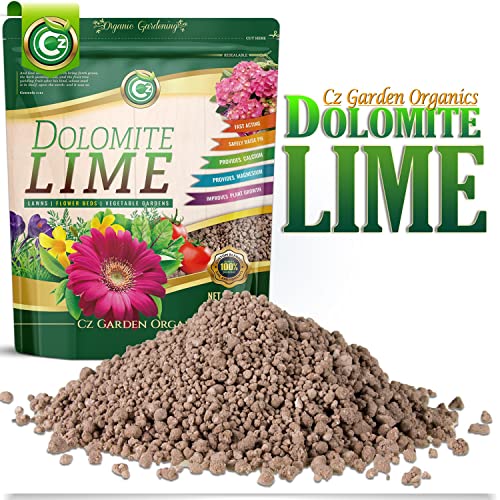
Dolomite lime is not a tomato potting soil, but it belongs in this roundup because container tomatoes often need pH support and added calcium-magnesium balance. Prilled means the particles are formed into small granules, which usually makes spreading and blending easier than using a dusty amendment.
Compared with FoxFarm Happy Frog, this is the corrective tool rather than the feeding formula. That makes it a better match for gardeners who already know their soil needs adjustment, especially in containers where nutrient balance can shift faster than in ground beds.
Best Bits
- Calcium and magnesium support can complement tomato container care.
- Prilled form is easier to distribute through potting soil.
- Made in the USA, which some shoppers prefer for sourcing clarity.
- Useful as a soil amendment rather than a full replacement mix.
Worth Noting
- This is an amendment, so it has to be paired with a proper container soil.
- Spreading any lime evenly matters, since clumps can create uneven pockets in a pot.
- Gardeners new to pH adjustment may want a simpler all-in-one soil first.
Feature Rundown
Who Should Grab It
Tomato gardeners who already watch soil balance closely will get more value here than beginners just starting their first patio pot.
Skip It When
Miracle-Gro Moisture Control Potting Mix 16 qt. 2-Pack suits you better when your main need is moisture management instead of soil correction.
This version mirrors the Coast of Maine tomato blend above, and the appeal is the same: a vegetable-first soil with composted manure, sphagnum peat moss, and enhanced drainage. For container tomatoes, that combination points toward a richer planting base that still avoids the swampy feel some potting soils can create.
The listing note about a third-party seller and a time-limited discount is a marketplace detail rather than a soil feature, so the real story here stays with the mix itself. For gardeners comparing bags for raised tubs, porch planters, or a few larger containers, this is a steady, versatile option with a more grounded feel than the lighter starter soils.
Positives
- Vegetable and tomato positioning makes the blend fit the crop naturally.
- Composted manure and peat moss give it a fuller planting profile.
- Enhanced drainage helps containers avoid staying soggy after watering.
- Works in both ground and container settings, which adds flexibility.
Minor Gripes
- The bag is better suited to medium and larger planting jobs than tiny seedlings.
- Like the earlier Coast of Maine pick, storage gets trickier in cramped sheds or apartments.
- You may still want a separate feeding plan once tomatoes start setting fruit.
Quick Facts
Perfect Match For
Container growers who want a tomato-focused soil with a fuller, garden-style feel will find the cleanest fit here.
Where Shoppers Go Wrong
Miracle-Gro Organic Indoor Potting Mix 16 qt. is the safer starting point for tiny indoor pots or early transplants that do not need this much soil volume.
How To Choose The Right Container Soils For Tomatoes
Start With Moisture Behavior
Container tomatoes live or die by how the soil handles water. A mix that drains too fast leaves you watering constantly, while a heavy blend can stay wet around the roots and slow the plant down.
For balcony pots and patio tubs, look for wording around moisture control, enhanced drainage, or a lighter texture. That balance matters even more in fabric grow bags, because breathable sides let water leave faster than in rigid plastic.
Match The Soil To The Container Size
Small starter pots need a lighter mix and less volume, while larger tomato containers can handle richer soil with more organic material. The bag size matters too, because a 1-quart refill and a 20-quart planting soil solve very different jobs.
A 5-gallon grow bag gives a single tomato plant a sensible footprint, but it also asks more from the soil inside it. You benefit most when the container and mix are chosen together instead of as separate afterthoughts.
Use Fertilizer As A Separate Job
Tomatoes are hungry plants, yet not every bag of soil is meant to feed them all season. That is why a product like FoxFarm Happy Frog Tomato & Vegetable Fertilizer sits in this roundup alongside the soil mixes, because feeding and planting are related but not identical jobs.
Rich soil gets the plant started, then fertilizer keeps pace once flowers and fruit appear. This split helps you avoid overloading the pot at planting time and still gives the plant a clearer path later on.
Think About Maintenance, Not Just Ingredients
A good tomato container mix should fit your routine, not just your planting dream. Fabric bags, moisture-control soil, and smaller bags all change how often you water, store supplies, and move pots around.
Busy gardeners usually do better with soil that forgives occasional misses, while more attentive gardeners may prefer a corrective amendment like dolomite lime. The right choice is the one you can keep up with through the whole season.
Things Worth Knowing First
Common Shopping Slip Ups
One common mistake is treating every bag labeled for plants as tomato-ready. Tomatoes in containers need better drainage and more feeding support than many decorative houseplants.
Another slip-up is buying too little soil for the container size. A large patio pot can eat through a small bag fast, so match volume to the final planting job.
What The Higher Tier Buys
More expensive container soil usually goes into structure, organic inputs, and drainage control. Richer blends often use ingredients like composted manure or peat moss, which can make a planter feel more settled and productive.
That extra spend makes the most sense for full-season tomato pots and larger containers. For a few seedlings or a short indoor start, a simpler mix is usually enough.
Frequently Asked Questions
Can regular potting mix work for tomatoes in containers?
Yes, as long as it drains well and does not stay waterlogged after watering. Tomatoes usually do better when you add feeding support later in the season.
Do tomatoes need fertilizer in potting soil?
Most container tomatoes benefit from fertilizer once they start flowering and setting fruit. Potting soil gets the plant started, but feeding keeps up with the crop’s demand.
Are fabric grow bags good for tomato plants?
Yes, because the breathable sides help roots get more air. They also dry faster, so watering needs closer attention.
What size pot works best for one tomato plant?
A 5-gallon container is a practical starting point for many patio tomatoes. Bigger varieties and long-season growing usually do better in larger tubs.
Why use dolomite lime with container tomatoes?
Dolomite lime adds calcium and magnesium while helping with soil balance. It makes the most sense when you already have a container mix that needs adjustment.