Dahlias ask a lot from the soil, especially once buds start stacking up and the weather warms. You want plant food that fits your routine, whether you mix liquid feed in a watering can, top-dress around bulbs, or keep a steady schedule in a cutting garden. The six picks below lean in different directions, from slow-release granules to concentrated liquids, so you can match the feed to your garden style instead of guessing.
Quick Look At The Shortlist

Espoma Bulb-Tone 3-5-3 4 lb. Bag

Cz Garden Supply 4-10-10 Bulb and Bloom Fertilizer
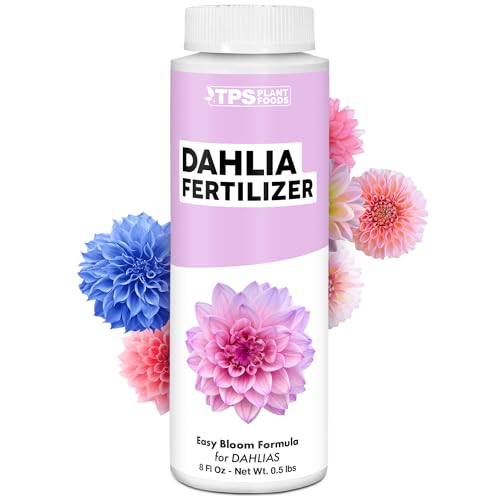
TPS NUTRIENTS Dahlia Fertilizer Liquid 8 oz

TPS NUTRIENTS Dahlia Fertilizer Liquid 32 oz

Farmer’s Secret Fruit & Bloom Booster Fertilizer 32 oz

FoxFarm Big Bloom Liquid Plant Food 1 Pint
More Details On Our Top Picks
Granular bulb food like this fits gardeners who prefer a simple, measured routine over mixing liquids every week. The 3-5-3 ratio leans away from heavy leaf growth and toward root and bloom support, which is useful around dahlias as well as spring and fall bulbs.
In a busy garden bed, that slower, soil-level approach can feel calmer than chasing a watering-can schedule. The trade-off is that granules are less nimble than liquid feed, so this suits steady maintenance more than a quick correction.
What We Like
- Granular format is easy to spread around established plants.
- Lower nitrogen with higher bloom support suits flower-focused feeding.
- 4 lb. bag is sensible for small to mid-size beds.
- Works for spring and fall bulbs, which broadens its use.
Things To Consider
- You need a soil application routine, so it asks for a bit more planning than a liquid bottle.
- Granules are not as quick to change course when foliage or bloom timing needs a faster nudge.
Feature Snapshot
Who It Suits Best
You get the most from this pick when you keep dahlias in beds with other bulbs and prefer a straightforward granular routine.
Where A Sibling Pick Shines
TPS NUTRIENTS Dahlia Fertilizer Liquid 8 oz is the better fit for container gardeners who want faster mixing and more precise feeding.
A 4-10-10 blend puts more attention on blooming and less on leafy expansion, which suits flower beds that already have a healthy start. The added iron and micronutrients give it a more complete profile than a plain bloom formula, especially in soils that need a wider nutrient spread.
That mix can work well for dahlias, flowering borders, and even trees, so it has broad utility without feeling vague. The catch is that a bloom-heavy formula is still a targeted tool, not a catchall replacement for every plant in every bed.
Highlights
- 4-10-10 ratio pushes the formula toward flowers and fruiting.
- Iron plus micronutrients add depth beyond the main NPK numbers.
- Made in the USA may matter to shoppers who prefer domestic sourcing.
- Indoor and outdoor use makes it flexible across garden setups.
- Fits more than dahlias, so one container can cover several plant groups.
Room For Improvement
- The bloom-forward profile is useful, but it is still more specialized than a general-purpose feed.
- Dry fertilizer means you need to measure and apply it with some care around roots.
- It may be more than you need for very young plants that are still building structure.
Details At A Glance
Built With In Mind
You get the best fit from this one when you want a bloom-leaning granular feed for mixed flower beds and ornamental plantings.
Another Choice May Suit
FoxFarm Big Bloom Liquid Plant Food is easier to use for gardeners who prefer liquid feeding and a gentler, stage-by-stage approach.
This small bottle makes sense for container dahlias, patio pots, or a garden where you want a focused liquid feed without taking up shelf space. Water-soluble fertilizer dissolves into watering water, so it suits gardeners who like a quick mix before heading out to the beds.
The high-potassium angle is the part that stands out most, because potassium usually matters when you care about blooms, tuber support, and color. The honest read is that the 8 oz size feels more like a targeted helper than a long-haul pantry staple.
Strong Points
- Water-soluble format mixes easily into a watering routine.
- High-potassium profile fits bloom-focused feeding.
- Compact bottle stores neatly in small sheds or potting benches.
- Made for dahlias, so the use case feels direct.
Points To Note
- The 8 oz bottle is best for smaller gardens or focused use.
- Liquid feeding asks for repeat mixing, which some gardeners will love and others will not.
Core Details
Right Fit For
You get the most out of this bottle in small spaces, patio containers, or a cutting garden where you want a dahlia-specific liquid feed.
Look Elsewhere When
Farmer’s Secret Fruit & Bloom Booster Fertilizer suits gardeners who want a larger 32 oz concentrate for broader fruit-and-flower use.
This version follows the same dahlia-specific liquid formula as the smaller bottle, but the 32 oz size makes more sense for gardeners feeding multiple plants or keeping up with a longer season. That larger format matters in cutting gardens, where repeated mixing gets old fast.
The useful part is continuity, you can stay with the same bloom-focused formula while reducing how often you need to restock. The trade-off is obvious, it takes up more storage room than the 8 oz bottle, so it suits committed dahlia care rather than casual experimenting.
Upsides
- Larger bottle supports longer feeding runs.
- Liquid format still gives you easy mixing and even distribution.
- High-potassium profile keeps the focus on flowers and tubers.
- Useful for gardeners who manage several dahlias at once.
- Good continuity with the smaller TPS NUTRIENTS bottle.
Small Caveats
- It occupies more shelf space than the 8 oz version.
- Liquid feeding still asks for routine mixing and measuring.
Feature Card
Whose Shelf It Belongs On
You should look at this bottle when your dahlia routine is already established and you want a larger liquid supply.
Swap It Out When
Espoma Bulb-Tone 3-5-3 4 lb. Bag is the cleaner fit for gardeners who prefer dry granular feeding and slower release around the root zone.
Farmer’s Secret takes a broader route than the dahlia-only liquids, which helps if your garden mixes flowers, vegetables, and fruiting plants in the same feeding routine. Super concentrated formulas usually matter most to gardeners who prefer smaller pours and more control over how much goes into each watering can.
That flexibility is handy in mixed beds, though it does mean you need a careful hand at the measuring step. In most gardens, that’s a fair trade for a bottle that can serve several plant types instead of one narrow job.
Best Bits
- Super concentrated formula stretches a little farther in routine use.
- Works across fruits, vegetables, and flowers, which adds versatility.
- 32 oz size suits gardeners with a steady feed schedule.
- Useful in mixed plantings where one bottle needs to do more.
Areas To Watch
- Concentrated liquid usually asks for careful measuring.
- The broader formula is less dahlia-specific than the TPS NUTRIENTS options.
- Storage and mixing discipline matter more with a concentrate.
Technical Sheet
Made For
You will like this most if your garden routine crosses from dahlias into vegetables and fruiting crops.
Consider Something Else When
FoxFarm Big Bloom Liquid Plant Food makes more sense for gardeners who want a gentler organic bloom formula with a softer feeding profile.
FoxFarm Big Bloom sits in a friendlier, gentler lane than the bloom boosters above it, which makes sense for gardeners who want a liquid they can use across flowering and fruiting stages. Earthworm castings and bat guano are both listed in the formula, and those ingredients tell you this bottle leans into a richer organic feed style.
The 0-0.5-0.7 NPK profile is light on heavy feeding and better suited to steady support than a dramatic push. That makes it a comfortable match for established plants, though gardeners chasing a sharper dahlia-specific bloom spike may prefer one of the higher-potassium options.
Positives
- Gentle NPK profile suits regular bloom support.
- Works for flowering and fruiting plants, so it earns a place in mixed gardens.
- Earthworm castings and bat guano give the formula an organic-leaning profile.
- Liquid format blends neatly into routine watering.
Softer Spots
- The lower nutrient numbers may feel mild for gardeners wanting a more forceful bloom push.
- 1 pint is handy for storage, but larger gardens may move through it quickly.
At A Glance
Who Should Grab It
This fits gardeners who want a gentle liquid feed for flowering plants and do not need a heavy-handed formula.
Where Another Pick Shines
Cz Garden Supply 4-10-10 Bulb and Bloom Fertilizer is the stronger match for gardeners who want a drier bloom formula with added iron and micronutrients.
How To Choose The Right Dahlia Fertilizers
Match The Form To Your Routine
Granular fertilizer suits gardeners who prefer fewer feedings and a slower release around the root zone. Liquid fertilizer fits people who already water on a schedule and want to fold feeding into that task without adding another chore.
Dahlias in beds often do well with a soil-applied product like Espoma Bulb-Tone or Cz Garden Supply’s 4-10-10 blend. Dahlias in pots usually benefit from liquids because containers dry faster and need more frequent, controlled feeding.
Read The NPK Numbers With Purpose
NPK means nitrogen, phosphorus, and potassium, the three numbers on the label that show the main nutrient balance. Nitrogen pushes leafy growth, phosphorus supports roots and flowering, and potassium helps overall plant function and bloom quality.
For dahlias, bloom-leaning formulas usually make more sense than high-nitrogen lawn-style feed. That is why the 4-10-10 and high-potassium liquids feel more targeted than a general garden product.
Think About Planting Style And Scale
A cutting garden asks for consistency, so larger bottles and repeatable liquid feeds can save time. A small patio collection benefits from compact bottles, lighter storage, and formulas you can measure without fuss.
The 8 oz TPS NUTRIENTS bottle suits a small number of plants, while the 32 oz version or Farmer’s Secret makes more sense for a longer season or a wider planting mix. In practical terms, scale matters as much as chemistry.
Choose For Soil And Season
Dahlias often respond better when the feed fits the stage of growth instead of being treated like a one-note routine. Early growth asks for restraint, while active bloom time calls for a steadier bloom-supporting blend.
Gardeners with rich soil can lean toward lighter feeds, while thinner or container soil usually benefits from more regular supplementation. That’s the part that keeps fertilizer choice from feeling abstract, because your soil and your season set the pace.
A Quick Reality Check
Hidden Buying Traps
A common mistake is grabbing a feed because the label sounds flower-friendly, then finding out it is really built for a different crop mix. Another slip-up is choosing a strong concentrate without wanting to measure every dose carefully.
You can sidestep most problems by checking the form, the nutrient balance, and whether the bottle fits your bed size. A dahlia-specific product is useful, but only when the format matches your routine.
The Upgrade Payoff
Higher-tier formulas usually cost more because of concentration, broader ingredient lists, or added nutrients like iron and micronutrients. Larger bottles also make sense for gardeners who feed often, since they reduce how often you need another container.
That extra spend is worth it when you keep a larger dahlia patch, run a cutting garden, or want a product that covers more than one crop type. For a handful of pots, the simpler bottle often feels more sensible.
Frequently Asked Questions
What kind of fertilizer suits dahlias best?
Dahlias usually do well with a bloom-leaning formula that does not overload them with nitrogen. A balanced granular feed or a high-potassium liquid both make sense, depending on how you water.
Should you use liquid or granular feed?
Liquid feed works well for containers and regular watering routines. Granular fertilizer fits beds and gardeners who prefer a slower, less frequent approach.
How often do dahlias need feeding?
Feeding usually depends on soil quality, plant size, and whether the plant is in a pot or in the ground. Container dahlias generally need closer attention than bed-grown plants.
Is a dahlia-specific fertilizer necessary?
It helps, but it is not the only workable route. A bloom-focused flower fertilizer can also suit dahlias when the nutrient balance is right.
What matters more, bottle size or nutrient ratio?
The nutrient ratio matters first because it shapes how the plant grows. Bottle size matters next because it affects how long the product lasts in your routine.