You want shrubs that pull their weight in the yard without turning into a constant browse target. The right plant can frame a walkway, soften a fence, or build privacy, while still fitting your climate, space, and maintenance habits.
This roundup leans on size, hardiness zone, bloom timing, and growth habit so you can match each pick to real yard use. Some are better for screening, some for color, and a few work best where you need compact structure near the house.
The Shortlist At A Glance

Southern Living Sunshine Ligustrum 2 Gallon

Proven Winners Spiraea Double Play Gold #3 Size Container

Brighter Blooms Thuja Green Giant Arborvitae 2-3 ft.

Karl Rosenfield Peonies Flower Root
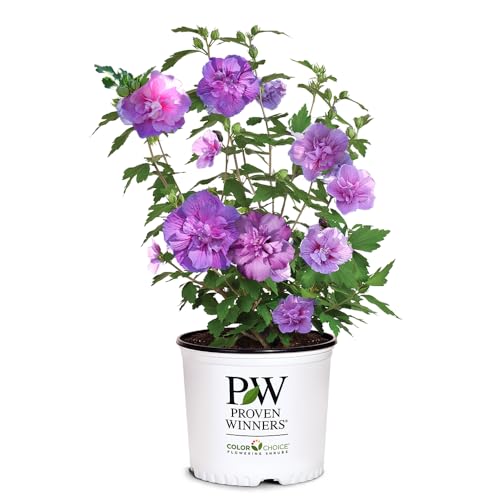
Proven Winners 2 Gal. Dark Lavender Chiffon Rose of Sharon

Perfect Plants Jubilation Gardenia Live Plant 1 Gallon

Proven Winner Sunjoy Mini Maroon Barberry Shrub 2 Gallon

Brilliantina Abelia 4' Pot
More Details On Our Top Picks
Warm-climate yards get a lot from this ligustrum because the plant size sits in that useful middle ground, tall enough to shape a border, broad enough to read as a real hedge. The foliage brings a bright, clean look without needing flowers to carry the show.
With a mature spread of 48 to 72 inches and a height of 60 to 84 inches, it fits along driveways, patios, and front walks better than a bulky screen plant. In most yards, that size makes maintenance easier, though you still want room for the shrub to breathe as it fills out.
Positives
- Works well as a mid-size hedge or accent plant.
- Bright foliage helps the shrub stand out in mixed plantings.
- Its shape suits repeated plantings along a boundary.
- The listed size gives you a clear space plan before planting.
Worth Noting
- It’s matched to USDA zones 7 to 10, so colder climates need a different shrub.
- The plant can outgrow tight spaces faster than a compact foundation shrub.
- You’ll want to keep up with trimming once it starts filling in.
Feature Snapshot
Who It Suits Best
Gardeners in warmer zones who want a clean, structured hedge with a bright finish get the most from this shrub.
A Better Fit Elsewhere
Brighter Blooms Thuja Green Giant Arborvitae is the stronger match for anyone who needs taller privacy faster than a ligustrum can provide.
This spiraea brings more color layers than the plain green shrubs in the lineup, thanks to orange foliage and pink summer flowers. The compact habit makes it friendlier for front beds and smaller foundations, where a shrub needs to stay neat without feeling stiff.
Its mature height of 24 to 30 inches and spread of 3 to 4 feet make spacing easier to judge, especially along a walkway or in a mixed border. The trade-off is simple, it gives you ornament and scale, not the tall screening height that Thuja Green Giant offers.
Strong Points
- Orange foliage adds color even before bloom time.
- Pink flowers soften the look in summer beds.
- Compact growth keeps it useful near entries and paths.
- The shipped 3-gallon pot gives you an established start.
- Care notes arrive with the plant, which helps first-time shrub plantings.
Small Caveats
- It’s a smaller shrub, so it won’t replace a screen plant.
- Planting during frozen weather or dry stress isn’t a smart move.
- Its look is more ornamental than privacy-focused.
Core Details
Made For
You get the most from this one in a smaller front bed or border where color matters as much as structure.
Another Choice May Suit
Southern Living Sunshine Ligustrum 2 Gallon works better for you when the goal shifts from compact color to a stronger hedge line.
Some shrubs are built for color, this one is about coverage. Thuja Green Giant is the kind of evergreen that makes sense when you want a living wall and you do not want to wait years for it to look useful.
Once settled, the growth rate of 3 to 5 feet per year is the headline, and the payoff is obvious in long side yards or along a property edge. The catch is space and patience at the start, since fast screening still needs proper spacing and enough root room to establish well.
Highlights
- Fast growth helps build privacy sooner than slower shrubs.
- Evergreen foliage keeps the screen useful through the year.
- Straight rows or staggered rows both work well.
- No pruning requirement keeps upkeep lighter for busy yards.
- Uniform look suits long fence lines and boundary plantings.
Points To Note
- It needs room, so small foundation beds are a poor fit.
- Three states are excluded from shipping, which narrows access.
- Young plants still need time before they form a real screen.
Details At A Glance
The Right Fit
This belongs on properties that need quick visual cover and have the space to support a tall evergreen row.
Skip It When
Proven Winners Spiraea Double Play Gold #3 Size Container makes more sense for narrow beds where a full screen would crowd the layout.
Peonies bring a different kind of presence than the evergreen shrubs above, with big late-spring blooms and foliage that keeps the plant looking composed through the season. Karl Rosenfield is a classic choice for gardeners who want a flower first, but still need a plant that can stand in a border without fuss.
The root arrives as a single premium division with 2 to 3 eyes, and those eyes are the growing points that help the plant push new stems. In a sunny border with moisture that drains well, it feels like a patient investment, though the bloom payoff is not instant and the plant needs room to settle.
Best Bits
- Large double blooms give the plant strong visual impact.
- Cut flowers use makes the blossoms more versatile.
- Its shrub-like form suits perennial borders and mixed beds.
- Zones 3 to 8 make it useful across many cooler climates.
- The foliage stays attractive beyond the bloom window.
Areas To Watch
- Bloom timing is seasonal, so you won’t get constant flowers.
- The plant performs best with drainage, not soggy soil.
- Young roots need time before the clump looks full.
Quick Facts
Best Suited To
You’ll appreciate this most in a perennial bed where spring flowers matter more than year-round screening.
A Better Fit Elsewhere
Brighter Blooms Thuja Green Giant Arborvitae suits you better when the job is screening, not seasonal bloom display.
Rose of Sharon earns its place when you need height, bloom, and a looser shrub form in the same plant. Dark Lavender Chiffon is especially useful in sunny back borders where a taller shrub can work like a soft divider instead of a hard wall.
Its mature size reaches 48 to 72 inches wide and 96 to 144 inches tall, so this is more of a statement shrub than a compact accent. The spacing recommendation of 48 inches matters here, because crowded planting would only make a tall shrub harder to manage later.
Upsides
- Tall form helps build vertical interest in the yard.
- Flowering shrub habit adds color without losing structure.
- Full sun to part shade gives you some placement flexibility.
- Large mature size can help soften tall fences.
Honest Caveats
- It needs room, so narrow beds are a poor match.
- Spacing matters more here than with smaller shrubs.
- Gardeners who want low stature will outgrow it fast.
Feature Card
Who Should Grab It
You’ll get the best fit in a sunny or partly shaded border where a taller flowering shrub can take center stage.
A Better Fit Elsewhere
Perfect Plants Jubilation Gardenia Live Plant 1 Gallon works better for a smaller warm-zone space that needs a tighter, evergreen shape.
This gardenia leans more compact and polished than the larger flowering shrubs in the roundup. It keeps a rounded shape around 3 to 4 feet tall and wide, which makes it easier to tuck into a border, pot, or tighter foundation bed.
The selling point is the long run of white blooms from late spring through fall, paired with evergreen leaves that keep the shrub looking finished even outside bloom season. For warm, humid yards, that combination makes sense, though cooler or drier climates will need a different plant.
Reasons To Buy
- Long bloom window gives the shrub extended visual interest.
- Evergreen leaves keep structure in place year-round.
- Rounded size works well near patios and paths.
- The plant suits containers better than many larger shrubs.
Softer Spots
- It stays within USDA zones 7 to 10.
- Full to partial sun is a better match than heavy shade.
- Gardenias ask for well-drained soil, so soggy ground is a problem.
At A Glance
The Right Fit
This suits gardeners who want scent, evergreen structure, and a compact footprint in a warm-zone landscape.
Look Elsewhere When
Southern Living Sunshine Ligustrum 2 Gallon is the stronger choice for a brighter hedge effect with less emphasis on bloom.
This barberry keeps its profile compact, which makes it useful where you need a clean accent without giving up garden structure. The maroon foliage gives the shrub a darker tone than the greener picks in this roundup, so it can break up a bed visually instead of blending into the background.
At 36 inches wide and 36 inches tall at maturity, it’s easier to fit than the larger screening shrubs here. The trade-off is obvious, you get shape and color, not height, so this one works best as a foreground plant or along a low border.
Bright Spots
- Compact size fits smaller planting pockets neatly.
- Maroon foliage adds contrast beside lighter shrubs.
- Full sun to partial shade broadens placement options.
- The balanced shape works well in repeated groupings.
Room For Improvement
- It won’t provide meaningful privacy or height.
- Color stays most vivid in stronger light.
- Low hedges need trimming to keep the shape crisp.
Core Details
Whose Shelf It Belongs On
This fits you well when the goal is compact structure with darker foliage rather than a tall hedge.
Swap It Out When
Brighter Blooms Thuja Green Giant Arborvitae makes more sense for long screening runs that need height more than color.
Brilliantina abelia feels easy to place because its mature height sits in the 3 to 4 foot range, which is tall enough for a soft screen but not so large that it dominates a bed. Summer bloom brings seasonal lift, and the sun to part-shade range gives you some flexibility around patios and mixed borders.
Compared with the stronger privacy plants above, this one is gentler in shape and better suited to layered plantings. You may find it especially useful where you want a shrub that fills space without turning the bed into a wall.
Positives
- Moderate height works in many suburban beds.
- Summer bloom adds a seasonal focal point.
- Sun to part shade broadens placement choices.
- The softer habit pairs well with perennials and smaller shrubs.
Areas To Watch
- It is not a full privacy plant.
- Bloom timing is limited to summer.
- Smaller pots often need more patience before the plant fills out.
Technical Sheet
Built With In Mind
This is a good match for layered landscapes where you want shape, bloom, and flexibility rather than bulk.
Where A Sibling Pick Shines
Proven Winners 2 Gal. Dark Lavender Chiffon Rose of Sharon suits you better when the plan calls for much taller flowering coverage.
How To Choose The Right Deer Resistant Shrubs
Start With Space, Not Just Style
Size is the first filter because a shrub that looks tidy in a listing can turn into a crowding problem two seasons later. A 3-foot plant like Brilliantina Abelia fits a border line very differently from a 12-foot Rose of Sharon or a fast-growing Thuja screen.
Measure width as carefully as height, since shrubs usually fail in the landscape by spreading into walkways, windows, or nearby perennials. That spacing step saves you from routine pruning that only keeps a mismatched plant in check.
Match The Plant To Your Climate
Hardiness zones tell you more than marketing copy does, because they show where a shrub can handle winter outdoors. Southern Living Sunshine Ligustrum and Jubilation Gardenia lean warm, while Karl Rosenfield Peonies and Double Play Gold reach into cooler ground.
Climate fit matters just as much as deer resistance, especially in places with dry heat, humid summers, or cold snaps that linger. A shrub can be a nice idea on paper and still be a poor long-term fit for your yard.
Think About What The Shrub Must Do
Screening shrubs need height, density, and enough growth rate to close gaps, which is why Thuja Green Giant stands apart from the compact picks. Accent shrubs work differently, because their job is to shape a bed, mark an entrance, or add color without blocking a view.
That’s where barberry, spiraea, and abelia earn attention, since they give you form and color in a smaller footprint. The honest read is that the right plant depends less on the name and more on the job you want it to do.
Look At Maintenance Before You Plant
Some shrubs ask for regular trimming to stay neat, while others are content with occasional cleanup. Ligustrum and rose of Sharon can fill space quickly, which helps with screening, but it also means you need to keep an eye on shape and spacing.
Gardeners with limited time usually do better with plants that stay naturally compact or have a steady, predictable habit. That is the quieter way to get a yard that looks planned instead of constantly in recovery.
Things Worth Knowing First
Common Shopping Slip Ups
One common mistake is picking a shrub for bloom color and forgetting the final size. Another is overlooking zone limits, which matters more than the nursery photo once the plant has to live in your soil and weather.
You also want to match light needs honestly, because a sun-hungry shrub tucked into shade usually stays sparse. That mismatch shows up fast in real yards.
Where The Extra Money Goes
Higher-tier shrubs often cost more because they arrive in larger containers, come with a stronger root start, or offer a more refined growth habit. That matters when you want faster establishment and less waiting for the plant to fill in.
The upgrade makes sense for front-yard focal points, privacy jobs, or spaces where a failed plant would be expensive to replace. For a simple filler bed, a smaller, easier shrub often does the job just fine.
Frequently Asked Questions
Are deer resistant shrubs completely ignored by deer?
No shrub is a sure thing in every yard, since deer pressure changes with food supply and season. A better way to think about these plants is that they’re less tempting than many softer ornamentals.
Which pick here works best for privacy?
Brighter Blooms Thuja Green Giant Arborvitae is the clearest screening choice in this group. Its height and faster growth make it the most practical living barrier.
Which shrubs fit smaller spaces best?
Proven Winners Spiraea Double Play Gold #3 Size Container and Brilliantina Abelia 4' Pot stay compact enough for tighter beds. Both give you shape without the bulk of a full screen plant.
Do these shrubs need full sun?
Several do better in sun or part shade, but the exact light need varies by plant. Rose of Sharon and barberry handle more sun-oriented spots, while gardenia asks for a gentler placement.
Which option gives the longest bloom season?
Perfect Plants Jubilation Gardenia Live Plant 1 Gallon stands out for bloom time because it flowers from late spring through fall. That longer window makes it useful when you want ongoing color rather than a short seasonal burst.