Your lawn’s soil can get tight, tangled, and slow to recover after a season of foot traffic, clippings, and dry spells. These combo tools help you clear out thatch, open the surface, and give roots a better path down into the ground.
That matters for busy homes where yard care has to stay practical, not fussy. You’ll see cordless, corded, manual, and heavier-duty styles here, so you can match the tool to your lawn size, storage space, and stamina.
Quick Look At The Shortlist
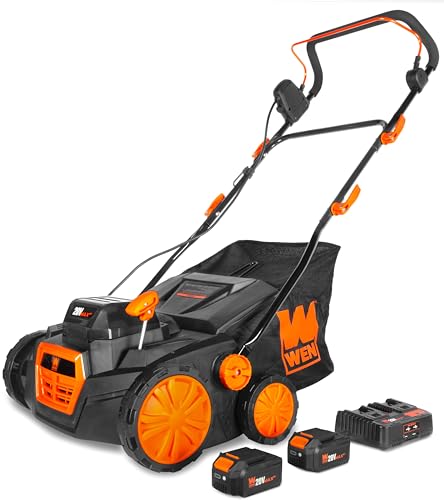
WEN 20V Max Cordless 15-Inch 2-in-1 Brushless Electric Dethatcher and Scarifier

WEN 15-Inch 13-Amp 2-in-1 Electric Dethatcher and Scarifier (DT1315)

Westinghouse 16-Inch 15-Amp 2-in-1 Electric Dethatcher and Scarifier

Westinghouse 13-Inch 12-Amp 2-in-1 Electric Dethatcher and Scarifier

Mantis Aerator/Dethatcher Combo
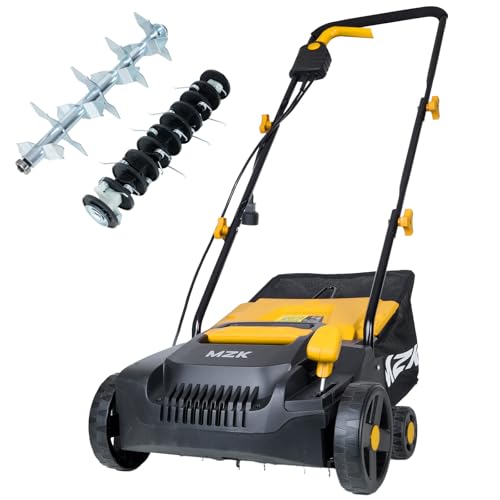
MZK 13-Inch Electric Dethatcher Scarifier

OKKMAX 2-in-1 Electric Dethatcher Scarifier, 13-Inch

DomiHapi Aerator Lawn Tool, 2-in-1 Heavy Duty Manual Aerator

EWORK Electric Dethatcher and Scarifier 14-Inch 12 Amp
More Details On Our Top Picks
Cordless yard tools make sense when your front and back lawns sit far from the garage, and this WEN gives you that freedom without dragging a cord through flower beds. The brushless motor matters because it usually means steadier power delivery and less maintenance than a brushed design, which suits regular seasonal cleanup.
The two 4.0 Ah batteries and dual-port charger give you a more realistic work rhythm for a medium yard, since one pack can charge while the other is in use. You may still find the 15-inch width more comfortable for tidy suburban lots than for sprawling turf, but the lighter routine is exactly why plenty of households look at this style first.
Strong Points
- Cordless layout keeps you moving without extension cords crossing walkways.
- Brushless drive suits repeat seasonal use and typically needs less upkeep than simpler motor builds.
- Two batteries support longer yard sessions, which helps when your lawn isn’t done in one quick pass.
- Collection bag reduces the pile-up you’d otherwise rake after dethatching.
Things To Consider
- Battery runtime always depends on grass thickness and how aggressively you set the tool.
- The 15-inch path is sensible, though very large lawns may feel a bit slow with any cordless unit this size.
- Battery storage and charging space matter more here than with a corded model.
Feature Snapshot
Who It Suits Best
Homeowners who want cordless convenience for a medium-size lawn will get the most from this one.
A Better Fit Elsewhere
WEN DT1315 suits you better when you want a corded tool with a larger 12-gallon bag and don’t mind staying near an outlet.
That larger collection bag is the first thing many homeowners will notice here, and it helps this WEN feel less stop-and-dump than smaller-capacity tools. The 13-amp corded setup makes sense for routine lawn cleanup where steady power matters more than battery swapping.
In a small to mid-size yard, the 15-inch working width gives you a reasonable middle ground between precision and coverage. Compared with the cordless WEN above, this one gives up mobility but gains a simpler power setup that some people prefer for long Saturday sessions.
What We Like
- 12-gallon bag means fewer pauses for emptying during a typical yard pass.
- 13-amp corded power keeps output consistent from start to finish.
- 15-inch working width covers ground efficiently without feeling bulky.
- 2-in-1 layout handles both thatch removal and scarifying in one machine.
Worth Noting
- The cord asks for planning around outlet location and cable management.
- Larger lawns can still take time, especially where the turf is thick.
- Collection bags need regular emptying and cleaning after damp sessions.
At A Glance
Who Should Grab It
It suits you best when you want a corded yard tool with a larger bag and predictable power for weekly or seasonal cleanup.
Another Choice May Suit
Westinghouse 16-Inch 15-Amp 2-in-1 Electric Dethatcher and Scarifier fits better for larger lawns that benefit from a wider pass and stronger motor.
A 16-inch deck gives this Westinghouse a little more ground coverage than the WEN models above, so it fits better when your yard has more open space to cover. The 15-amp motor points to a stronger setup on paper, which should help when the lawn has a thicker layer of buildup or compacted patches.
That wider pass can feel like a welcome shortcut on a bigger suburban lot, although it also asks for a bit more attention around edging and tight corners. The honest read is that this suits people who want to move efficiently and don’t mind a cord trailing behind them.
Highlights
- 16-inch working width trims the number of passes you need across open lawn areas.
- 15-amp motor gives you a stronger corded setup for routine turf refresh work.
- Collection bag keeps the cleanup step more contained.
- Good fit for homes that want a more assertive tool than the smaller 13-inch options.
Areas To Watch
- The larger deck can feel less nimble in narrow side yards or around landscaping.
- Any corded machine asks for outlet planning and storage for the cable.
- Collection bags add a cleaning step after use, especially after damp debris.
Quick Facts
Made For
It fits homeowners with larger open lawns who want a corded machine that covers more ground per pass.
Skip It When
Westinghouse 13-Inch 12-Amp 2-in-1 Electric Dethatcher and Scarifier is the gentler fit for tighter yards, narrow storage spots, or lighter cleanup needs.
This smaller Westinghouse makes a lot of sense for tighter yards, especially where you’d rather not wrestle a larger deck around shrubs and borders. Its 13-inch width keeps it nimble, while the 12-amp corded setup still gives you enough muscle for seasonal thatch work.
The product page’s explanation about dethatching and slice aeration is useful because it shows two different jobs in one machine: clearing surface buildup, then cutting narrow channels into the soil. That narrower format is less imposing than the 16-inch version above, and for many townhomes or compact lots, that’s exactly the appeal.
Bright Spots
- Compact 13-inch width makes steering around edges and landscaping easier.
- 12-amp corded power keeps the tool practical for regular lawn upkeep.
- Two-stage approach helps you handle surface debris and soil channels in one pass.
- Smaller footprint helps with storage in garages that already feel crowded.
Small Caveats
- The tighter deck means more passes on wider lawns.
- Cord management still matters, just as it does with the larger electric models here.
- Busy yards with deep buildup may need slower, more careful work.
Details At A Glance
Best Suited To
It suits you best when your lawn is compact, your storage space is limited, and you want one corded tool for two related jobs.
Where A Sibling Pick Shines
Westinghouse 16-Inch 15-Amp 2-in-1 Electric Dethatcher and Scarifier fits better for broader lawns where extra width saves time.
The Mantis name stands out here because this combo is framed more like a purpose-built garden tool than a typical walk-behind electric unit. That makes it interesting for owners who already use a compact yard-care setup and want something that feels a little more specialized.
It’s also the oldest-style solution in this group, which can be a strength or a drawback depending on your routine. For a smaller garden with careful maintenance habits, that focused design may be just right, while larger turf areas will likely feel easier with one of the electric picks above.
Plus Points
- Dedicated combo format suits homeowners who want a focused aerate-and-dethatch tool.
- Garden-oriented design can feel more natural in smaller, managed spaces.
- Less dependent on outlet access than corded electric choices.
Points To Note
- Its setup style is less straightforward than plug-in walk-behind tools.
- Larger lawn owners may prefer the faster coverage of the 15- and 16-inch electrics.
- Specialized garden tools often reward careful storage and cleaning after use.
Feature Card
Whose Shelf It Belongs On
It suits you best if you already think in terms of garden tools and want a combo that feels tailored to smaller, controlled spaces.
Look Elsewhere When
WEN 15-Inch 13-Amp 2-in-1 Electric Dethatcher and Scarifier (DT1315) makes more sense for shoppers who want a simpler corded walk-behind format.
MZK keeps the formula straightforward, which helps a lot when you want a tool that does the job without adding extra complications. The 13-inch width fits small to mid lawns nicely, and the 4 height settings give you some room to tune how closely the machine works against the turf.
The 8-gallon bag is smaller than the WEN DT1315’s 12-gallon option, so you’ll stop more often to empty debris, but the lighter setup can still be easier to manage. For homeowners who value simple controls over a larger chassis, that trade-off is easy to understand.
Best Bits
- Four height settings give you useful control over how aggressive the pass feels.
- 13-inch working width suits smaller lawns and tighter storage spaces.
- 8-gallon bag keeps debris contained without making the tool feel oversized.
- 2-in-1 function covers both dethatching and scarifying in one pass.
Room For Improvement
- Smaller bag capacity means more frequent emptying on heavier jobs.
- The narrower deck takes longer on broader yards than the 15- and 16-inch machines.
- Bag maintenance matters, especially after damp grass or spring cleanup.
Spec Overview
The Right Fit
It belongs on the shortlist of homeowners with small to mid lawns who want a simple corded machine and a few depth options.
Swap It Out When
EWORK Electric Dethatcher and Scarifier 14-Inch 12 Amp suits you better when tool-free blade changes and a larger collection bag matter more.
OKKMAX leans into everyday practicality, especially with the foldable handle that helps after the job is done. That matters in garages where wall space is tight, and the 13-inch working width keeps it approachable for regular yard maintenance rather than large-scale renovation work.
The 4-position depth adjustment gives you room to tailor the pass to your lawn’s condition, which is handy in yards that swing between light surface buildup and denser patches. You may find it a better match than the MZK when compact storage is a top concern.
Upsides
- Foldable handle design makes storage and carrying easier.
- Four depth positions help you adjust to different lawn conditions.
- 13-inch width keeps the machine controllable for routine care.
- Collection bag helps keep debris management simple.
Softer Spots
- Smaller deck size means more passes on wider lawns.
- Foldable parts are convenient, though they deserve careful handling during storage.
- Bag cleaning becomes part of the routine after each use.
Core Details
Built With In Mind
It suits homeowners who want a compact electric dethatcher that stores neatly and stays easy to steer around the yard.
A Better Fit Elsewhere
EWORK Electric Dethatcher and Scarifier 14-Inch 12 Amp suits people who want a larger bag and tool-free blade replacement.
This manual aerator is for the hands-on lawn owner who’d rather trade electricity for control and simplicity. The 15 spikes are the key detail here, because that spike count gives you a direct way to work the soil without relying on a motor or a cord.
The adjustable T-handle is useful in the real world, especially during longer sessions where grip comfort matters more than a flashy feature list. Compared with the electric options above, this tool is slower, but it also stays quiet, compact, and easy to store in a shed or small garage.
Reasons To Buy
- Manual design avoids cords, batteries, and charging.
- 15 spikes provide direct soil contact for focused aeration work.
- Adjustable T-handle supports a more comfortable working position.
- Small footprint makes storage simple after the job is done.
Honest Caveats
- Manual effort is part of the package, so bigger lawns take more time and stamina.
- It fits best for lighter, targeted lawn care rather than large renovation work.
- Spike tools can need cleaning after use, especially in damp soil.
At A Glance
Perfect Match For
It suits you best when your lawn is small, your storage space is limited, and you want a manual tool instead of a powered machine.
Reach For A Different Pick When
WEN 20V Max Cordless 15-Inch 2-in-1 Brushless Electric Dethatcher and Scarifier is a better fit for homeowners who want less physical effort and more coverage.
EWORK packs a lot into a mid-size electric format, and the tool-free blade replacement is the detail that stands out for regular lawn-care owners. That sort of convenience matters when you want to shift between tasks without turning the garage into a workshop.
The 14-inch width lands between the compact 13-inch machines and the broader 15- and 16-inch picks, so it can feel like a neat middle path for many suburban lawns. The 9.2-gallon bag also gives you more room than the smaller bags in this roundup, which means fewer pauses during cleanup.
Standout Traits
- Tool-free blade replacement makes setup changes less fiddly.
- 5-position depth adjustment gives you finer control than simpler models.
- 9.2-gallon bag is a solid middle ground for debris collection.
- 14-inch width balances maneuverability and coverage well.
- 2-in-1 layout handles both dethatching and aerator-style work.
Minor Gripes
- The mid-size deck is practical, though not as fast as the 16-inch Westinghouse on open ground.
- More features can mean a little more to learn on the first setup.
- Collection bags still need regular emptying and cleaning after use.
Feature Rundown
Who Will Love This
It suits homeowners who want a corded machine with extra adjustment, decent bag size, and an easy blade-swap setup.
Where Shoppers Go Wrong
WEN DT1315 is the better pick for anyone who wants a simpler 15-inch format with a larger 12-gallon bag and fewer moving parts to think about.
How To Choose The Right Dethatcher And Aerator Comboes
Match Power To Your Yard Size
Corded electric models usually suit homeowners who want steady output for recurring seasonal care. A 12-amp or 13-amp tool handles ordinary suburban work well, while 15-amp machines make more sense for broader lawns or thicker buildup. Cordless units trade plug-in consistency for easier movement, which helps when outlets sit far from the back fence.
Manual aerators belong in smaller spaces where you can work at your own pace. They also make sense for people who prefer simple storage and don’t want batteries, cords, or charger space taking over the garage. The trade-off is plain, because the labor comes from you.
Look Closely At Width And Capacity
Working width shapes how many passes you’ll make, and that affects both time and fatigue. A 13-inch machine is easier to steer around garden edges, while 15 to 16 inches covers more lawn with each sweep. For many homeowners, that extra inch or two feels like a small thing until the yard stretches longer than expected.
Collection bag size matters just as much, especially in spring when thatch can come up by the handful. Bigger bags mean fewer stops, but they also add bulk, weight, and cleaning time after use. That’s why a 9.2-gallon or 12-gallon bag can be a better fit than a smaller one for bigger cleanup jobs.
Depth Adjustment Changes The Job
Depth settings let you control how aggressively the tool reaches into the turf or soil. Fewer settings are fine for routine upkeep, while 4 or 5 positions give you more room to dial in performance across different lawn conditions. That matters in yards where some areas are soft and others feel packed down.
Sharper control also helps protect the grass surface from unnecessary stress. For a first-time user, simpler controls can feel less intimidating, while experienced homeowners often appreciate the finer tuning. The right balance depends on whether you want speed, precision, or a bit of both.
Think About Storage And Maintenance
Foldable handles, compact frames, and lighter builds help a lot in crowded sheds and small garages. Electric machines also need cable care, and bagged models usually require a quick clean after each use so debris does not sit damp inside the catcher. Manual tools are simpler, but they still need brushing off before storage.
Durability often comes down to the parts you handle most, like height controls, blades, bags, and folding joints. A straightforward design can be a better long-term fit than a feature-heavy one, especially for homeowners who want less to fuss with between seasons. That’s the quiet advantage of choosing with your space and routine in mind.
A Quick Reality Check Before You Choose
Wrong Turns To Avoid
One common mistake is picking a deck that feels too wide for a narrow side yard. Another is ignoring collection capacity, then ending up with a bag that fills too fast for the amount of debris your lawn actually sheds. A third is forgetting where the outlet sits, which can turn a corded tool into a hassle.
Depth adjustment matters too, and a fixed setup can feel limiting once you deal with different lawn conditions. Storage gets overlooked as well, especially with taller machines or models that don’t fold down neatly. A little planning here saves a lot of irritation later.
The Case For Spending Up
Higher-tier models usually cost more because they give you stronger motors, wider decks, larger bags, or more adjustment control. You also tend to get convenience features like brushless motors, tool-free blade changes, or foldable handles that make routine use smoother. Those extras don’t sound dramatic on paper, but they matter every time you pull the tool out of storage.
Spending more makes sense when your lawn is larger, your time is tight, or you know you’ll use the machine several times a season. A simpler model still handles light upkeep well, but a more feature-rich machine can save effort in the moments that usually wear you down. That’s where the upgrade earns its keep.
Frequently Asked Questions
What does a dethatcher and aerator combo actually do?
It clears thatch, the layer of dead grass and debris that sits above the soil, then opens the turf or soil so air and water can move better. Some models use scarifier-style blades or slice-style action, while others rely on spikes.
Are corded models better than cordless ones?
Corded tools usually give steadier runtime and less interruption for larger cleanup sessions. Cordless models make more sense when outlet access is awkward or you want easier movement around the yard.
How wide should the working path be?
Smaller lawns often do fine with 13-inch machines, since they’re easier to steer and store. Broader yards usually benefit from 15- or 16-inch coverage because you’ll make fewer passes.
Do manual aerators work for regular lawn care?
Yes, especially in small yards or for targeted spot work. They take more effort, so they suit owners who value simplicity over speed.
What maintenance matters most after use?
Cleaning the collection bag, brushing off blades or spikes, and checking for trapped debris all help the tool stay ready for the next session. Folding parts, handles, and cords also deserve careful storage so they don’t get bent or tangled.