Thatch builds quietly, then turns a lawn spongy, patchy, and harder to feed evenly. That’s where the right dethatching machine helps, whether you keep a small front yard tidy or you’re clearing a larger lot with a tractor or cordless setup.
This roundup focuses on 2026 options that fit different yard sizes, power preferences, and storage needs. You’ll see compact electric picks, cordless choices for easier movement, and a tow-behind model for bigger property work.
Quick Look At The Shortlist

WEN 15-Inch 13-Amp 2-in-1 Electric Dethatcher and Scarifier (DT1315)

Westinghouse 16-Inch 15-Amp 2-in-1 Electric Dethatcher and Scarifier
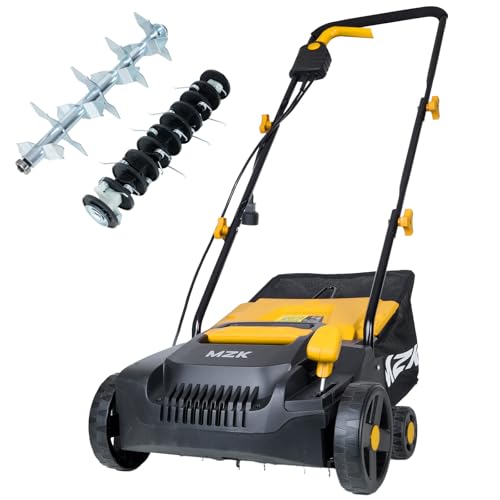
MZK 13-Inch Electric Dethatcher Scarifier, 13-Amp Lawn Tool
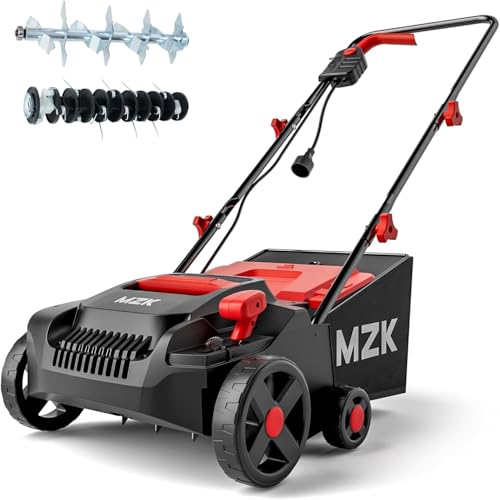
MZK 15-Inch Lawn Dethatcher, Electric Scarifier with Bag

OKKMAX 2-in-1 Electric Dethatcher Scarifier, 13-Inch Working Width

Danero Cordless Lawn Dethatcher and Scarifier, 15-Inch Brushless

Worx Cordless Lawn Dethatcher 40V 14-Inch 2-in-1, WG855

MZK 15-Inch 13-Amp 2-in-1 Electric Dethatcher and Scarifier

PPOLB 48-Inch Tow-Behind Dethatcher with 24 Spring Steel Tines

LawnMaster 48V MAX Brushless 16-Inch 2-in-1 Cordless Dethatcher and Scarifier, CLGVB4816
More Details On Our Top Picks
The WEN DT1315 sits in the middle of the pack in a useful way, with a 15-inch path and a 13-amp electric motor that suits routine lawn cleanup without pushing you into bigger equipment. The 12-gallon collection bag matters more than it sounds, because it cuts down on the back-and-forth that can slow a weekend pass.
Compared with the compact MZK 13-inch model, this one covers more ground per sweep, yet it still feels more manageable than the wide 16-inch Westinghouse. For a standard suburban yard, that balance usually makes sense, though a dense lawn will still ask for steady pacing and bag emptying.
What We Like
- 15-inch working width covers a decent amount of ground without feeling oversized.
- 13-amp power suits routine dethatching and scarifying for many home lawns.
- The 12-gallon bag reduces stop-and-dump cycles during longer yard sessions.
- Two-in-one design lets you switch between thatch removal and surface scoring.
- Electric operation keeps upkeep simpler than gas-powered yard tools.
Things To Consider
- The bag will still need frequent emptying in thicker thatch zones.
- Like most corded tools, you’ll want a careful extension-cord plan.
- Heavier yard work may call for slower passes to keep results even.
Feature Snapshot
Who It Suits Best
Homeowners with medium-size lawns and a nearby outlet will get the most from this format, especially when they want a straightforward machine that doesn’t feel oversized.
Where A Sibling Pick Shines
Westinghouse 16-Inch 15-Amp 2-in-1 Electric Dethatcher and Scarifier suits larger yards better, since the wider head can shorten the number of passes.
That 16-inch path gives the Westinghouse a practical edge on broader lawns, because each sweep covers a bit more ground than the 15-inch WEN and much more than the 13-inch MZK units. The 15-amp motor adds extra headroom for thicker buildup, which helps in yards that have gone a little too long between cleanups.
The honest trade-off is size and effort, since a wider electric machine can feel less nimble around tight beds and narrow turns. For most homeowners with open lawn sections, that’s a fair exchange, especially when you want fewer total passes.
Highlights
- 16-inch width trims the number of passes on open turf.
- 15-amp motor gives you strong corded output for seasonal work.
- Collection bag helps keep the yard cleanup contained.
- Two-in-one design supports both dethatching and scarifying tasks.
- Well suited to lawns where speed matters more than tight-turn maneuvering.
Minor Gripes
- The wider head can feel less friendly around edging and garden borders.
- Heavier-duty cord management becomes part of the routine.
Core Details
Built With In Mind
Property owners with wider open lawns and a steady outdoor power setup will benefit most from this machine’s broader working path.
Skip It When
The WEN DT1315 makes more sense for tighter suburban layouts, because its slightly smaller footprint is easier to steer around obstacles.
The MZK 13-inch model makes sense for smaller lawns where easy steering matters as much as raw coverage. Its 4 height settings give you some control over how aggressively you work the surface, and the 8-gallon bag keeps the footprint modest.
Compared with the WEN DT1315, this one gives up a bit of width for easier handling in tighter spaces. That trade-off feels sensible around narrow side yards, though larger lawns will take more passes and a little more patience.
Strong Points
- 13-inch width stays easy to guide around landscape edges.
- 4 height settings add useful control for different lawn conditions.
- 8-gallon bag fits the needs of smaller cleanup jobs.
- 2-in-1 format handles both thatch pulling and surface scoring.
- Lower bulk makes storage simpler in a packed garage.
Areas To Watch
- Smaller width means more passes on broad sections of grass.
- The compact bag may fill fast in thicker buildup.
- Best results usually come from a steady, unhurried pace.
Details At A Glance
Who Should Grab It
Homeowners with smaller or mid-size yards and limited storage space will appreciate the compact shape and simpler handling.
Look Elsewhere When
The MZK 15-Inch Lawn Dethatcher fits better for larger lawns, because the wider path shortens cleanup time.
The MZK 15-inch version threads a middle line between coverage and maneuverability. It gives you a wider pass than the 13-inch MZK model, yet it stays in the corded electric lane that many weekend lawn owners prefer.
The adjustable height helps you match the tool to lighter seasonal cleanup or a more assertive dethatching session. That flexibility is the main appeal here, though you’ll still want to manage the cord and the bag during longer runs.
Upsides
- 15-inch working width speeds up regular lawn maintenance.
- Adjustable height helps adapt to different grass conditions.
- 8-gallon bag keeps debris gathering reasonably tidy.
- Electric design keeps routine care straightforward.
- Good middle-ground option for yards that are not tiny but not huge either.
Small Caveats
- Longer lawns still call for a fair number of passes.
- The collection bag may need frequent pauses in heavy buildup.
- Cord routing takes a little planning around trees and beds.
Spec Overview
Perfect Match For
Shoppers with average suburban lawns and a preference for simple corded gear will get a lot of practical use from this model.
Another Choice May Suit
The Westinghouse 16-Inch 15-Amp 2-in-1 Electric Dethatcher and Scarifier is the better fit for larger open turf, since the extra inch adds a little more reach.
The OKKMAX unit leans into convenience, with a 13-inch working width and a foldable handle that should help in garages where space gets tight. Four depth positions give you room to tune the pass, and that matters more than it sounds once the lawn shifts between light maintenance and heavier cleanup.
Compared with the MZK 13-inch model, it feels aimed a bit more at storage-conscious households than pure coverage. The trade-off is the same as most compact dethatchers, since narrow width is easier to store but slower across larger yards.
Reasons To Buy
- Foldable handle design helps with storage and transport.
- 13-inch width suits narrow lawn sections and smaller yards.
- 4 depth positions give you useful operating control.
- Collection bag keeps debris contained during cleanup.
- Compact build works well in garages with limited room.
Points To Note
- The smaller path means more passes on wider turf.
- Storage-friendly design does not remove the need for cord management.
- Bag capacity can feel modest during thick thatch removal.
Core Details
Whose Shelf It Belongs On
Apartment garages, tight sheds, and smaller suburban homes are the natural fit for this compact corded tool.
Swap It Out When
The WEN DT1315 suits you better for a slightly broader cleaning path and a larger collection bag.
Cordless freedom changes the feel of lawn cleanup fast, especially in yards where outlets are awkward or the route snakes around trees and garden beds. This Danero model uses a brushless motor, which usually means less internal friction and a more efficient power transfer than a brushed setup.
The catch is that it is tool only, so your battery setup has to make sense before it fits smoothly into your routine. For anyone already using compatible DeWalt 20V batteries, that makes the machine easier to slot into an existing garage lineup than a full new battery system.
Best Bits
- Cordless design removes the hassle of extension-cord routing.
- 15-inch width keeps the pace respectable for a battery tool.
- Brushless motor tends to suit long regular use better than basic brushed setups.
- 5 depth settings give you real control over lawn contact.
- 12-gallon bag helps gather debris without constant interruptions.
Worth Noting
- Battery and charger are not included, so you need a compatible setup already.
- Battery runtime will depend on grass density and your chosen depth.
- The cordless format adds freedom, but charging planning becomes part of the job.
Feature Rundown
Best Suited To
Shoppers who already own compatible batteries and want a cord-free machine for medium lawn jobs will get the most from this format.
A Better Fit Elsewhere
The LawnMaster 48V MAX Brushless 16-Inch 2-in-1 Cordless Dethatcher and Scarifier suits you better if you want a wider cordless path with an included battery setup.
The Worx WG855 makes cordless use feel more complete because it ships with two 4.0Ah batteries and a charger, which spares you the compatibility puzzle that comes with tool-only machines. Its 14-inch width keeps the machine manageable, while the brushless motor suits a yard-care routine that happens more than once a season.
Compared with the Danero model, this one gives you a ready-to-run package instead of a battery-only setup. That convenience is handy for homeowners who want fewer moving parts in the purchase decision, though the 14-inch path is a little less broad than the 15-inch cordless Danero.
Positives
- Includes two batteries and a charger, which simplifies setup.
- 14-inch width stays practical for residential lawns.
- Brushless motor supports smoother cordless operation.
- 2-in-1 layout handles dethatching and scarifying in one tool.
- PowerShare ecosystem helps the tool fit into a broader Worx setup.
Areas To Watch
- The 14-inch path is a touch narrower than some larger cordless options.
- Battery runtime still depends on lawn density and use settings.
- Storage is easier than gas gear, but the batteries add charging chores.
Quick Facts
Who Will Love This
Homeowners who want cordless convenience without piecing together a battery kit will appreciate the straightforward package.
Where Shoppers Go Wrong
The Danero cordless dethatcher makes more sense for existing DeWalt battery households that want to stay inside one platform.
This MZK variant feels like the kind of machine you reach for during routine spring cleanup, because the 15-inch width and 12-gallon bag line up well with regular household lawn care. The removable, five-position height adjustment is the part that really earns its place, since it gives you a cleaner way to adapt the tool as the grass changes through the season.
Compared with the smaller MZK 13-inch unit, this one is the more efficient choice for average lawns that need periodic dethatching. It still keeps the electric format simple, though a larger yard will expose the usual cord and bag limitations pretty quickly.
Bright Spots
- 15-inch width covers more lawn than the 13-inch MZK model.
- Five height positions add useful tuning for different grass conditions.
- 12-gallon bag helps reduce the number of cleanup pauses.
- 2-in-1 design keeps the machine versatile for seasonal lawn care.
- Electric power keeps maintenance simpler than fuel-based equipment.
Room For Improvement
- Longer jobs will still involve cord handling and outlet planning.
- The bag can fill quickly in yards with heavy thatch.
- Five settings help with control, but the right setup still takes a little trial and error.
Technical Sheet
The Right Fit
This one works well for homeowners who want a practical, mid-size electric dethatcher that can handle routine seasonal lawn care without a lot of fuss.
Reach For A Different Pick When
The Worx Cordless Lawn Dethatcher 40V 14-Inch 2-in-1, WG855 is the better match for cordless convenience and an included battery package.
The PPOLB tow-behind dethatcher belongs in a different category from the walk-behind machines above, because it works from a lawn tractor instead of by hand. That 48-inch span and 24 spring-steel tines suit bigger properties, farm edges, and rougher stretches where pulling a compact electric unit would take too long.
Compared with the handheld-style options, this one is about coverage and terrain scale more than fine steering. You’ll want a tractor or mower with a tow setup already in mind, and that makes it a strong fit for sprawling yards rather than neat suburban strips.
Best For
- 48-inch width covers a lot of ground behind a tractor.
- 24 spring steel tines help lift thatch, leaves, and pine needles.
- Tow-behind design suits larger property maintenance.
- Grass rake style works well for broad seasonal cleanup.
Points To Note
- You need a compatible tractor or mower to use it.
- Storage space matters more because the unit is much wider than walk-behind picks.
- Fine edging around tight landscaping is not its strength.
Core Details
Whose Shelf It Belongs On
Property owners with a lawn tractor and wide open grass areas will get the most value from this tow-behind setup.
Skip It When
The WEN DT1315 or Westinghouse 16-inch electric machines make more sense for tighter residential yards that need hand-guided control.
The LawnMaster CLGVB4816 sits at the upscale end of this list because it combines a 16-inch cordless path with a brushless motor and a removable thatch bag. Quick-fold storage is the quiet bonus here, since it helps the machine fit more neatly in a crowded garage after the yard work is done.
Compared with the Worx WG855, this one gives you a little more width and a different cordless setup, which may suit you better for larger home lawns. It feels built for someone who wants cordless convenience without shrinking the working head too much, though the broader body can still feel like more machine than a small yard needs.
Standout Traits
- 16-inch width gives you broad cordless coverage.
- Brushless motor fits regular seasonal lawn use well.
- Removable collection bag makes debris handling easier.
- Quick-fold design helps when storage space is tight.
- Cordless format keeps yard movement simple around landscaping.
Honest Caveats
- The wider body can feel unnecessary in very small yards.
- Cordless use still depends on battery management and charging.
- Bag handling remains part of the cleanup routine.
Feature Card
Made For
Homeowners with medium to larger lawns who want cordless reach and easier storage will get the most from this upgraded format.
Where A Sibling Pick Shines
The Worx Cordless Lawn Dethatcher 40V 14-Inch 2-in-1, WG855 is a smarter fit for someone who wants batteries and charger included without stepping up to a wider machine.
How To Choose The Right Dethatching Machines
Match Width To Yard Size
Working width controls how much lawn you cover with each pass. A 13-inch machine fits narrow side yards and smaller lawns, while 15-inch and 16-inch models shorten the job on broader grass. Tow-behind 48-inch setups belong on large properties with a tractor, not tight suburban strips.
Coverage sounds simple, but it changes the whole feel of the job. Wider machines save time, yet they ask for more room around beds, walkways, and fence corners.
Choose The Power Style You Can Live With
Corded electric dethatchers bring steady output and usually simpler upkeep. Cordless units remove cord dragging, which helps in yards with lots of obstacles, but battery runtime and charging become part of the routine.
Tool-only cordless models make sense only when your battery platform already fits the machine. Bundle kits cost more up front, though they save you from piecing together a separate battery setup.
Pay Attention To Depth And Adjustment
Depth settings matter because lawns do not stay in one condition all season. Multiple positions let you ease into light grooming or go a bit more aggressively when thatch thickens.
More adjustment usually gives you more control, but it also asks for a little more attention to setup. For most lawns, that trade-off is worth it because it helps you avoid overworking thin grass.
Don’t Ignore Storage And Cleanup
Collection bag size changes how often you stop to empty debris, and that has a real effect during longer yard sessions. Foldable handles and compact frames matter too, especially in garages already crowded with mowers, bins, and tools.
Maintenance stays fairly simple on electric and cordless units, but emptying bags, checking tines, and keeping the underside clear are still part of the routine. A machine that stores neatly often gets used more often, and that’s the quiet advantage.
Things Worth Knowing Before You Choose
Common Shopping Slip Ups
Shoppers often focus on motor power and miss the part that decides day-to-day comfort, which is width. A machine that’s too wide for your layout can slow you down more than a smaller, easier-to-steer option.
Another common miss is forgetting the power setup. Cordless tools are not all the same, and tool-only models make sense only when your batteries already match the platform.
Where The Extra Money Goes
Higher-tier dethatching machines usually pay for wider working heads, brushless motors, larger collection bags, or included batteries and chargers. Those parts make the tool easier to live with, especially across a full season of yard care.
You also tend to get better storage features and more adjustment choices as the price rises. That extra spend matters most when your yard is large, irregular, or simply demanding enough that comfort and speed both count.
Frequently Asked Questions
What does a dethatching machine actually do?
A dethatching machine lifts and removes the layer of dead grass and debris that sits between soil and healthy blades. That helps your lawn breathe better and makes routine cleanup easier.
Is a scarifier the same as a dethatcher?
They’re closely related, but scarifying usually reaches a bit more aggressively into the turf surface. Many 2-in-1 machines switch between both jobs with different settings or attachments.
What width works best for a normal home lawn?
For many suburban yards, 13 to 15 inches is the most practical range. Wider units save time, but they can feel bulky in narrow spaces.
Are cordless dethatching machines worth it?
Cordless models make movement easier and remove cord management from the job. They make the most sense when your yard has obstacles or your battery system already fits the tool.
How often should you use one?
Most lawns only need dethatching during the season that calls for it, not every weekend. The right timing depends on how quickly thatch builds in your yard and how the grass responds.