

Steep edges, rough verge grass, and awkward bank lines call for more than a basic deck mower. You need a machine that matches your tractor, reaches past the wheels, and handles mixed growth without making every pass feel like a wrestling match.
This roundup keeps the focus on real job fit, from compact Category 1 options for lighter tractors to heavy-duty offset units for bigger property work. You’ll also see where a reel mower still makes sense for trim-and-maintain jobs, because not every yard edge needs the same tool.
Quick Look At The Shortlist

American Lawn Mower 1415-16SK2 16-Inch Reel Mower

MechMaxx 60-Inch VAM60 Offset Flail Ditch Bank Mower

MechMaxx 60-Inch EFS60 Standard Duty Flail Mower

MechMaxx 65-Inch VAM65 Offset Flail Ditch Bank Mower

MechMaxx 48-Inch VAM48 Offset Flail Ditch Bank Mower

MechMaxx 78-Inch VBM78 Heavy Duty Offset Ditch Bank Verge Flail Mower

GIYI 55-Inch Offset Flail Ditch Bank Mower
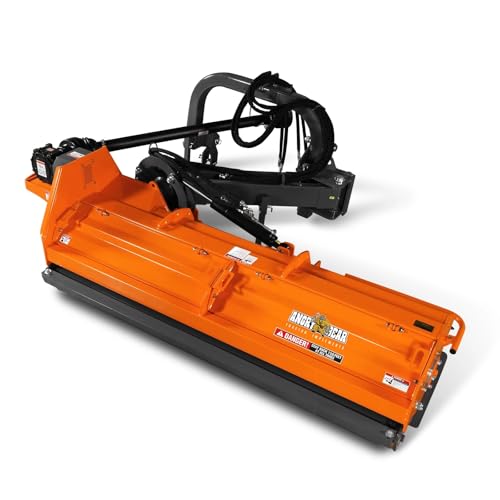
MechMaxx 86-Inch VBM86 Heavy Duty Offset Ditch Bank Verge Flail Mower

MechMaxx 48-Inch VAM48 Green Offset Flail Ditch Bank Mower

BILT HARD 53-Inch Category 1 PTO Flail Mower
More Details On Our Top Picks
For tidy yard edges and short grass, this reel mower keeps the job simple. The 16-inch width suits smaller lots and touch-up work, and the included sharpener points to easier blade upkeep over time.
That makes it a very different kind of pick from the heavier MechMaxx attachment models, which need a tractor and PTO setup. You’ll appreciate this one most for walk-behind control, lighter storage needs, and low-noise mowing around fences or narrow strips.
Strong Points
- Five-blade reel setup gives you a clean, scissor-style cut on trimmed grass.
- The 16-inch deck stays manageable in tight side yards and along paths.
- A sharpener is included, which helps you stay ahead of dull cutting edges.
- Walk-behind use keeps maneuvering simple around garden beds and corners.
Things To Consider
- It fits upkeep work better than tall or heavy growth.
- Reel mowers ask for more frequent blade care than powered flail setups.
Feature Snapshot
Who It Suits Best
You’ll get the most from this on small residential lawns, especially around pathways, edging strips, and fenced corners.
Where A Sibling Pick Shines
MechMaxx 48-Inch VAM48 Green is a better fit for tractor owners who need to manage banks, rough verge grass, or offset reaches.
This 60-inch offset mower is built for roadside work where reach matters as much as cut width. The 77-inch offset distance and 60 degree to 90 degree rotation range give you room to work past the tractor line, which is the whole point on ditch banks and awkward verges.
The 24 hammers also hint at a more aggressive chopping setup than the reel mower above, so rough grass and mixed growth feel more in its wheelhouse. Tractor owners in the 25 to 60 horsepower range should find the match more practical than oversized commercial units, though setup space and weight still deserve respect.
What We Like
- Offset reach helps you cover ground without hugging the ditch edge.
- Three-point PTO setup keeps it aimed at tractor-driven property work.
- The rotation range helps you adapt to slopes and changing bank angles.
- Twenty-four hammers give you a working edge for denser growth.
Worth Noting
- You need a tractor in the stated horsepower range for a sensible fit.
- Offset equipment takes more room to store than a compact mower deck.
- Routine inspection matters, since hammer wear and linkage hardware see real workload.
Core Details
Built With In Mind
Tractor owners who work along drains, banks, and road shoulders will get the clearest value from this attachment.
Another Choice May Suit
MechMaxx 65-Inch VAM65 Orange suits you better when the property is broader and you want a larger cutting path with more hammer coverage.
Compared with the offset models, this one keeps the setup more straightforward. It’s built for 15 to 35 horsepower tractors, so the fit leans toward smaller acreage and owners who want a flail attachment without moving into bigger commercial territory.
One important detail stands out: it’s not meant for a quick hitch, so connection style matters before anything else. That trade-off is worth accepting for the right tractor, especially in fields, fence lines, or rougher turf where a flail mower does better than a basic finish deck.
Highlights
- 60-inch width gives you a useful pass size for routine acreage work.
- The 15 to 35 horsepower range makes it relevant to many compact tractors.
- Standard duty construction keeps the setup more approachable than heavy-duty units.
- It avoids the extra reach complexity of offset ditch bank models.
Small Caveats
- The no-quick-hitch note can rule it out for some tractor setups.
- Standard duty framing is a step below the heavier MechMaxx VAM series.
At A Glance
Who Should Grab It
You’ll appreciate this most on a smaller tractor where a simple flail attachment is a better match than a large offset machine.
A Better Fit Elsewhere
GIYI 55-Inch Offset Flail Ditch Bank Mower is the stronger choice for uneven banks where angle control matters more than basic straight-on mowing.
This 65-inch model steps up reach and width at the same time, so it suits larger banks and broader roadside runs. The 85-inch offset distance and 28 hammers give it more working presence than the 60-inch VAM60, which matters once your edges get less tidy.
The 30 to 60 horsepower window keeps it in the mid-size tractor lane, and that’s where it makes the most sense. In practical terms, you gain more coverage per pass without jumping all the way to the larger commercial-class machines.
Reasons To Buy
- 65-inch width gives you more coverage than the 60-inch options.
- Thirty to 60 horsepower compatibility suits a useful middle tractor range.
- Offset distance helps you keep the tractor out of the roughest edge work.
- Twenty-eight hammers add a sturdier cutting setup than lighter models.
- Rotation through 60 degrees and 90 degrees adds angle flexibility.
Areas To Watch
- The larger frame asks for more storage space and turning room.
- Owners with smaller compact tractors will need to look elsewhere.
Technical Sheet
Right Fit For
You’ll get the most from this on larger rural properties, especially where ditch banks and shoulder edges need regular coverage.
Skip It When
MechMaxx 48-Inch VAM48 is the easier match for tighter spaces and smaller tractors that don’t need this much reach.
This 48-inch version lands in a sweet spot for smaller tractors that still need offset reach. It carries the same 69-inch offset distance and 60 degree to 90 degree rotation range as the green variant later in the list, but the orange model is paired to 25 to 50 horsepower tractors instead.
That makes it a sensible middle-weight choice for property owners handling banks, fence lines, and lighter roadside cleanup. The 20 hammers give you a more serious cutting layout than the reel mower, though the smaller width means more passes on wider ground.
Upsides
- 48-inch width is easier to handle than the bigger MechMaxx offset units.
- Twenty hammers give you useful cutting density for rougher growth.
- Offset layout helps keep the tractor farther from the edge.
- It fits a broad 25 to 50 horsepower tractor range.
Points To Note
- Smaller cutting width means more passes on larger parcels.
- The attachment format still calls for careful hitch setup and regular grease checks.
Feature Rundown
Best Suited To
You’ll like this most on compact to mid-size tractors where a smaller offset mower still needs real reach.
Swap It Out When
MechMaxx 65-Inch VAM65 Orange is the smarter move for bigger fields where extra width saves time.
This is where the category starts feeling commercial. The 78-inch width, 122-inch offset distance, and 80 to 110 horsepower requirement all point to serious acreage work, while the 55 degree to 90 degree rotation range helps the mower follow uneven verge lines.
Because the listing also notes coverage for malfunctions after the manufacturer’s warranty, it has a more service-minded profile than the lighter units above. That doesn’t make it simple, though, since the size, storage demands, and tractor match all need to line up before you commit.
Best Bits
- Big width helps cover long runs with fewer passes.
- The 122-inch offset distance gives you serious side reach.
- CAT 2 fit places it in a stronger tractor class.
- Malfunction coverage after the maker’s warranty adds peace of mind for longer ownership.
- Twenty hammers support substantial cutting work.
Honest Caveats
- The tractor requirement rules this out for lighter equipment.
- Storage, transport, and turning space matter a lot with a frame this large.
- Big offset mowers usually reward steady maintenance, especially on pins and driveline parts.
Details At A Glance
Whose Shelf It Belongs On
You’ll want this for larger land maintenance jobs where a heavy tractor and wide working path are already part of the plan.
Look Elsewhere When
MechMaxx 65-Inch VAM65 Orange is the easier fit for mid-size tractor owners who do not need this much reach.
The GIYI sits between the smaller 48-inch models and the bigger 65-inch MechMaxx units, which makes its place easy to understand. At 55 inches wide with a 70-inch offset distance and 22 hammers, it looks suited to tractor owners who need a balanced attachment for banks, verge edges, and broad enough passes.
The 45 to 70 horsepower range, along with Category 1 and 2 compatibility, makes it more flexible than several rivals here. That flexibility comes with the usual trade-off, namely that the attachment still asks for proper tractor capacity and enough yard room to turn cleanly.
Pigments?
- 55-inch width gives you a useful middle ground for coverage.
- Category 1 and 2 compatibility broadens tractor matching.
- Rotation through 55 degrees and 90 degrees helps on changing slopes.
- Twenty-two hammers offer a solid cutting layout without jumping to the largest frame.
Room For Improvement
- The offset format still needs careful setup and transport planning.
- It sits between categories, so exact tractor fit deserves a close look.
Spec Overview
The Right Fit
You’ll get strong value from this on midrange tractors that need a useful blend of width, reach, and flexibility.
Where Shoppers Go Wrong
MechMaxx 48-Inch VAM48 Orange makes more sense for smaller spaces where a lighter offset mower is easier to live with.
The 86-inch width makes this feel like a serious step up from the 78-inch VBM78, and the 130-inch offset distance pushes reach even farther. That kind of scale fits large properties, long roadside cuts, and tractor owners who already work in the 90 to 120 horsepower range.
Because the listing mentions malfunction coverage after the maker’s warranty, it carries the same maintenance-minded profile as the other heavy MechMaxx units. The catch is that bigger always asks more of the rest of the setup, from storage to transport to the room you have for turning at headlands.
Standout Traits
- 86-inch width lets you cover broad areas fast.
- 130-inch offset reach is built for serious side extension.
- Category 2 fit aligns it with heavier tractors.
- Twenty hammers give you a solid cutting platform for demanding edges.
- Post-warranty malfunction coverage adds a useful ownership layer.
Minor Gripes
- The tractor requirement keeps it out of small-farm territory.
- Its footprint demands more parking and storage room.
Key Specs
Perfect Match For
You’ll suit this best if you manage large acreage or roadside stretches with a high-horsepower tractor.
A Better Fit Elsewhere
GIYI 55-Inch Offset Flail Ditch Bank Mower is friendlier for midrange tractors and less demanding storage conditions.
This green 48-inch version is close to the orange VAM48, but it shifts the tractor fit down to 20 to 50 horsepower. That makes it the more approachable option for compact tractor owners who still want the 69-inch offset distance and 20-hammer layout.
The smaller frame keeps it easier to store than the 65-inch and 78-inch units, and the 60 degree to 90 degree rotation range still gives you meaningful bank control. The honest trade-off is simple: you gain compact handling, but you’ll make more passes on wider ground.
Positives
- 48-inch width keeps maneuvering simpler on tighter parcels.
- Twenty hammers give the mower real cutting substance.
- 69-inch offset distance helps you stay clear of the shoulder edge.
- Rotation range gives you decent angle control on rough banks.
Softer Spots
- The smaller width can slow work on long, open stretches.
- Owners of larger tractors may want a wider model instead.
Core Details
Made For
You’ll like this for compact tractor work where reach matters, but a full-size offset mower would feel oversized.
Reach For A Different Pick When
MechMaxx 65-Inch VAM65 Orange suits you better once the acreage gets wider and you want fewer passes.
The BILT HARD takes a different path from the offset ditch bank machines and focuses on a more direct tractor-mounted setup. Its 53-inch width, Category 1 hitch fit, triple-belt transmission, adjustable rear roller, and 40Cr alloy steel hammer blades point toward practical field use for 15 to 35 horsepower tractors.
That makes it a strong fit for owners who want a flail mower with useful build details but do not need the long side reach of the MechMaxx and GIYI offset models. The trade-off is reach, since this one is built more for straightforward mowing than angled ditch-bank work.
Bright Spots
- 40Cr alloy steel hammer blades add a more durable-feeling cutting setup.
- Triple-belt transmission gives the drive system a more serious layout.
- Adjustable rear roller helps with ground contact and finish control.
- Category 1 hitch fit suits many smaller tractors.
- Fifty-three inches gives you a workable width without going oversized.
Small Caveats
- It does not bring the offset reach found on ditch bank models.
- Fifteen to 35 horsepower compatibility narrows the tractor match.
- Drive components and roller adjustments benefit from routine upkeep.
Quick Facts
Who Will Love This
You’ll appreciate this if you want a compact tractor flail mower with useful drive and blade details for routine land care.
Not Your Match When
MechMaxx 60-Inch VAM60 is better for ditch lines and roadside angles that need offset reach.
How To Choose The Right Ditch Bank Flail Mowers
Match The Mower To Your Tractor First
Horsepower and hitch category sit at the center of this category. A 25 to 60 horsepower Category 1 tractor can handle a very different attachment than a 90 to 120 horsepower Category 2 machine, so the tractor spec should lead the search before cutting width does.
PTO means power take-off, the shaft that transfers engine power to the attachment. Once that match is right, you can think about whether you need a lighter standard-duty unit or a heavier offset mower with more hammer count and a wider frame.
Reach Matters More Than Raw Width
On ditch banks, shoulder edges, and verge lines, offset distance often matters more than the headline width. A mower that sits farther out from the tractor keeps the tires away from rough ground and lets you work across slopes without crowding the edge.
Rotation angle matters too, because bank work rarely stays flat. Models with 55 degree, 60 degree, or 90 degree movement give you more freedom to follow the terrain, and that makes a real difference along drainage lines and roadway cuts.
Think About Growth, Not Just Grass
Light turf and light brush call for different cutting behavior. A reel mower suits maintained grass, while flail mowers with hammers are built for rougher edges, mixed growth, and the kind of neglected strips that turn into chores fast.
Hammer count, blade style, and working width all affect how the machine handles those jobs. More hammers and a wider deck can help with coverage, but they also ask for more tractor and more storage space, so there’s a trade-off every time.
Don’t Ignore Storage And Maintenance
Offset mowers are awkward in the same way a long ladder is awkward, useful, but never small. You’ll want room for transport, room for turns, and a plan for regular checks on belts, rollers, linkages, and mounting hardware.
That’s also where the simpler attachments earn their place. A compact flail mower or walk-behind reel mower can be easier to live with for smaller properties, especially when the work happens close to the house and not far out on the property line.
What To Weigh Before You Decide
Common Shopping Slip Ups
Plenty of shoppers start with width and forget tractor fit. That usually leads to an attachment that looks right on paper but asks for more horsepower, a different hitch category, or too much storage room.
Another easy miss is confusing ditch-bank work with general mowing. A straight deck may handle open ground, while offset reach and rotation angle matter much more along steep shoulders and irregular edges.
What The Higher Tier Buys
Higher-tier models usually buy you more reach, larger cutting width, and heavier build pieces such as more hammers or a Category 2 frame. In this category, those features help when you cover long runs, rough banks, or bigger acreage where repeated passes would waste time.
You also tend to get more capability in the rotation range and more confidence in long-session use. The trade-off is size and complexity, so the upgrade makes sense only when your tractor, storage space, and property layout can use it well.
Frequently Asked Questions
What horsepower range do ditch bank flail mowers usually need?
That depends on the model, and the list here spans from 15 to 120 horsepower. The safe move is to match the mower to your tractor range instead of stretching beyond it.
Why choose a flail mower instead of a standard deck mower?
A flail mower handles rougher growth and uneven edges with more control than a simple finish deck. It also suits roadside shoulders and ditch banks better because the cutting layout is built for tougher terrain.
What does offset distance actually do?
Offset distance tells you how far the mower can sit away from the tractor. That extra reach helps keep the tractor farther from a ditch edge or roadside drop.
Do hammer count and width matter more than one another?
They do different jobs, so neither should be treated as the only spec that matters. Width affects coverage, while hammer count influences how the mower is set up to handle heavier growth.
Can a smaller tractor handle a ditch bank flail mower?
Yes, as long as the mower’s horsepower and hitch match are in range. The smaller MechMaxx and BILT HARD options here are the better place to start for compact tractors.
