

You want a feeder setup that keeps grain where it belongs and cuts down on the daily sweep-up. These DIY-friendly picks focus on bucket-mounted ports, hanging tubs, jar bases, water cups, and simple fill-through designs that suit backyard flocks, brooders, and small coops.
The right choice depends on your space, flock size, and how hands-on you want the setup to be. Some options are better for quick installs on a bucket or barrel, while others work better in a brooder or for a small group of chicks that need easy access.
The Shortlist At A Glance


0.4Gal Top Fill Chick Feeder and Waterer

Chicken Picnic Table No Waste Wooden Feeder Kit
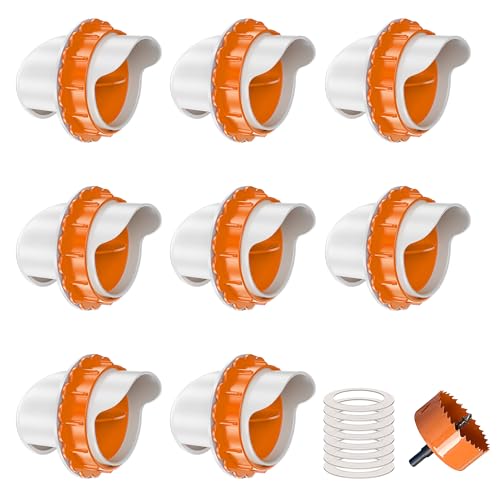
No Waste Chicken Feeders 8 Ports Orange

Terminalia Hanging Chicken Feeder Duck Waterer 2.6 Quart

Automatic Chicken Feeder and Waterer Set with 3 Ports

Essilnn DIY Chicken Feeder and Waterer Kit 6 Ports

Chicken Feeders No Waste 8 Ports Red

Rocky Mountain Goods Chick Feeder Base for Jar

Automatic Chicken Waterer Nipples with Drill Bit 10 Pack
More Details On Our Top Picks
These cups suit a bucket-fed setup that needs a cleaner water edge than open bowls usually provide. The 3/8 inch hole saw included in the title points to a straightforward install, which matters for a coop where you want to get back to the flock fast.
Compared with the feeder-focused picks lower in the list, this one is for hydration, not grain. Poultry keepers with muddy runs or bedding that gets splashed will appreciate the drip control, though a bucket or trough still needs a stable mounting spot.
Strong Points
- Six cups give you multiple drinking points for a small flock.
- Gravity-fed operation helps keep water available without constant topping off.
- The included hole saw makes the DIY step more approachable.
- Cleaner water access suits coops where spills turn into soggy bedding.
Things To Consider
- You still need a compatible bucket, trough, or similar container.
- Cup-style watering means regular checking for grime around the fittings.
- The setup feels more useful in a fixed coop than in a movable pen.
Feature Snapshot
Who It Suits Best
Backyard keepers who want a bucket waterer that stays neater than an open pan will get the most from this set.
Where A Sibling Pick Shines
ZenxyHoC Automatic Chicken Waterer Nipples with Drill Bit is the better fit for someone who wants side-mounted watering rather than cup-style access.
A brooder calls for small, controlled portions, and this blue feeder-and-waterer pair is built around that kind of early-stage care. The 3-height scoop idea keeps the setup adjustable as chicks grow, which is handy in the first weeks when everything seems to change by the day.
Unlike the larger bucket conversions in this roundup, this one stays compact and beginner-friendly. Keep it in a warm indoor brooder or a sheltered pen, and the modest 0.4 gallon size makes sense for close supervision rather than a large flock.
What We Like
- Matched feeder and waterer keep the brooder organized.
- Small capacity suits young chicks better than oversized containers.
- Three scoop heights give you some flexibility as birds grow.
- The smaller footprint works well on tight nursery shelves or trays.
Room For Improvement
- The low capacity means more frequent refills in active brooders.
- It fits best in controlled spaces, not a full-sized yard setup.
Core Details
Made For
New chick keepers who want a tidy brooder setup with small servings and simple placement will find this an easy fit.
Another Choice May Suit
Suplklz Automatic Chicken Feeder and Waterer Set works better for you once the flock needs a larger, hangable setup outside the brooder.
The table-style silhouette gives this one a more decorative feel than the bucket and port kits above it. That matters in a backyard run where you want feeding gear that looks intentional, not like a random utility piece left on the ground.
The mesh bottom is the useful part, because it helps keep feed lifted and better aired than a flat tray would. Assembly sounds approachable too, since the kit includes the wooden pieces, screws, screwdriver, and directions, though the trade-off is a more hands-on setup than a drop-in feeder.
Highlights
- The picnic-table layout gives the coop a tidy, styled look.
- Mesh underlay helps feed stay drier and easier to manage.
- Assembly parts are bundled together, which simplifies the build process.
- The design can suit chickens as well as some backyard wildlife use cases.
- Cleaning the feeding area is easier than with a deep trough.
Areas To Watch
- Wood needs more care than molded plastic in wet weather.
- The build takes more effort than a simple bucket-mounted port.
- Decorative form can be less space-efficient than a wall-mounted feeder.
Details At A Glance
Best Suited To
Backyard keepers who enjoy a more decorative feeder and do not mind a bit of assembly will get the most from this kit.
Swap It Out When
CHTSJQW Chicken Waterer Cups 6 Pack makes more sense for a keeper who wants a quicker, bucket-based water setup instead of a wooden feeding station.
This orange eight-port feeder is built for the kind of coop where several birds arrive at once and nobody wants to wait. The gravity-fed layout matters here, because feed drops as it’s used, so the opening stays simpler than a scoop-and-refill tray.
Compared with the six-cup waterer earlier, this one is aimed at dry feed and higher-traffic use. It also leans toward larger containers such as buckets, barrels, and troughs, so it makes sense for backyard keepers who want a more permanent feeder point.
Positives
- Eight ports spread access across more birds.
- Gravity flow reduces the need for constant manual topping up.
- The port style helps keep feed off the floor.
- Works with several common container types.
Softer Spots
- Large openings still need routine checking for debris and damp feed.
- More ports can invite more sprawl if the bucket sits too low.
- The setup is better for steady placement than for frequent moving.
Spec Overview
Whose Shelf It Belongs On
Keepers with a growing flock and a fixed feeding station will get the most from this port-style setup.
Look Elsewhere When
Terminalia Hanging Chicken Feeder Duck Waterer is the easier choice for a smaller, hanging arrangement that stays more compact.
This hanging unit sits in a useful middle zone, bigger than brooder gear but less committed than the larger bucket systems. A 2.6 quart capacity gives you enough room for routine backyard use without making the setup bulky.
The no-spill angle matters most in pens where feed or water mess tends to collect around the base. You may still want to keep an eye on where it hangs, because a stable hook point matters more here than on the flat-bottom styles in this roundup.
Bright Spots
- Hanging format keeps the floor area freer.
- Medium capacity suits a modest backyard flock.
- One unit can serve chickens or ducks.
- Simple shape makes cleaning and refilling less fussy.
Points To Note
- Hanging gear depends on a secure support point.
- Medium size can still feel small for larger flocks.
Quick Facts
Built With In Mind
Backyard keepers who want a straightforward hanging feeder-waterer for a modest flock will find this the most natural fit.
Where A Sibling Pick Shines
Rocky Mountain Goods Chick Feeder Base for Jar suits someone who prefers a jar-fed setup for chicks or small birds instead of a hanging unit.
This set covers both feed and water in one go, which is handy for keepers who want to simplify the daily routine. The listed bundle of a 2.6 gallon water barrel, a 16 pound feeder bucket, three cups, and three feed ports points to a setup that’s meant to carry more of the load between refills.
Compared with the smaller brooder pair earlier in the list, this feels better suited to an established coop. Hanging it on a wire fence or wall also helps keep the floor clearer, though that means you need a solid mounting surface to make the most of it.
Best Bits
- Feed and water arrive as a matched set.
- Larger containers mean fewer refill trips in normal use.
- Three ports and three cups spread access well.
- Hang-on installation suits fences and coop walls.
Worth Noting
- The larger bundle takes more room than single-purpose gear.
- Wall or fence mounting works best on sturdy structures.
- Keeping both parts clean adds a bit more routine care.
Feature Rundown
Right Fit For
Households with a small to mid-sized flock that want one matched feed-and-water setup will get strong everyday value from this kit.
Skip It When
Essilnn DIY Chicken Feeder and Waterer Kit is the better route for a keeper who wants more container flexibility and six ports instead of three.
Essilnn gives you the most container freedom in this group, because it’s meant to turn buckets, barrels, bins, or troughs into working feeder and waterer setups. That flexibility matters on a farm yard or in a mixed backyard, where the container you already own can be the one that does the job.
The six ports and six water cups also make this feel less cramped than the three-port bundle above. The trade-off is that a more customizable kit asks a little more from your setup planning, especially around hole placement and container fit.
Upsides
- Fits several container shapes and sizes.
- Six feed ports and six water cups spread access well.
- Turns common storage containers into coop gear.
- Reported feed savings can be meaningful in routine use.
Small Caveats
- You need to match the kit to the container carefully.
- DIY builds work best when you’re comfortable making openings cleanly.
- More parts mean a little more setup attention.
Technical Sheet
Who Should Grab It
Keepers who already have a bucket, barrel, or bin in mind and want to turn it into a larger DIY feeding station will appreciate this kit most.
Reach For A Different Pick When
Rocky Mountain Goods Chick Feeder Base for Jar is the better fit for a simple jar feeder that serves chicks or small birds with less planning.
This red eight-port version follows the same broad port-feeder idea as the orange model, but it adds a practical night plug that helps keep the opening closed after dark. That makes sense in a yard where you want to keep feed tucked away from unwanted visitors and stray debris.
The 3.15 inch opening is a useful detail because it points to a generous feed flow without turning the port into a messier opening. In most backyards, that kind of balance works better than a very small port that clogs too easily or a very large one that invites waste.
Reasons To Buy
- Eight ports help several birds eat at once.
- The included plug adds practical night-time closure.
- Gravity flow supports a steady feed drop.
- Red color makes the feeder easier to spot in a busy coop.
Honest Caveats
- The opening still needs periodic cleaning to stay clear.
- Large-port feeding works best with a stable container height.
- As with other port kits, the install is only as neat as the hole you make.
Core Details
The Right Fit
Backyard flock owners who want a straightforward, large-port feeder with a simple closure option will appreciate this design.
A Better Fit Elsewhere
ZenxyHoC Automatic Chicken Waterer Nipples with Drill Bit is better for a keeper building a side-mounted watering line instead of a feed port system.
Jar feeders stay appealing because they keep the design simple, and this galvanized steel base leans hard into that no-fuss approach. The eight feed holes matter most for chicks and small birds, where easy access beats a big, complicated trough every time.
Compared with the larger bucket kits in this roundup, this one asks less of your setup and less of your space. It fits glass or plastic jars, which gives you some flexibility, though the jar itself becomes part of the balancing act and needs a stable, upright placement.
Standout Traits
- Galvanized steel gives it a sturdier feel than lightweight plastic bases.
- Eight feed holes spread access across a small group.
- Fits either glass or plastic jars.
- Good match for chicks and small birds.
Minor Gripes
- The jar is part of the setup, so stability matters.
- Small-bird use is the clear strength, not big-flock feeding.
- Steel builds are easy to wipe down but still need routine drying.
Feature Card
Perfect Match For
Keepers of chicks, game birds, or small birds who want a compact jar feeder with simple upkeep will get the most from this base.
Where Shoppers Go Wrong
Tiflev 0.4Gal Top Fill Chick Feeder and Waterer is the better fit for a brooder owner who wants both feed and water in a matched small-bird set.
Horizontal nipples are a smart move for keepers who want a tidier watering line than open bowls usually provide. This ten-pack includes a drill bit, so the setup is aimed at a do-it-yourself bucket or side-mount build rather than a ready-made tray.
That side-mount layout also helps explain why it belongs at the upgrade end of the list. Compared with the cup system at the top, it feels more modular and more suited to a keeper who likes a custom watering setup and doesn’t mind making the openings themselves.
What We Like
- Ten nipples give you plenty of installation points.
- The included drill bit removes one extra shopping step.
- Horizontal placement suits bucket and side-wall builds.
- The design keeps drinking closer to the container wall.
Points To Note
- DIY installation needs careful hole placement.
- Side-mount gear works best with a container you’re happy to modify.
- The setup is more customized than a simple hanging feeder.
Details At A Glance
Who Will Love This
Hands-on keepers building a custom waterer from a bucket or wall-mounted container will appreciate the flexibility here.
Where Another Pick Fits Better
ZenxyHoC Chicken Waterer Cups 6 Pack is a better match for someone who wants a cup-style waterer with a more direct drinking surface.
How To Choose The Right Diy Chicken Feeders
Match The Feeder To The Flock
Start with flock size, then look at how many birds need access at once. Eight-port bucket feeders make sense for busier coops, while jar bases and brooder sets fit smaller groups better.
Capacity matters just as much as port count, because a larger opening does not help much if the container empties too fast. For a flock that eats steadily through the day, a bigger reservoir can cut down on repeat filling.
Pick The Format That Fits Your Space
Wall-mounted, hanging, and bucket-mounted designs each solve a different space problem. Hanging gear keeps the floor clearer, while bucket and barrel kits work better when you already have a stable spot to hang or drill.
Brooders usually call for compact, easy-to-clean pieces, and decorative table-style kits suit a more fixed backyard run. The honest read is that the most elegant feeder is still the one that matches your coop layout.
Think Through Cleaning And Maintenance
Smooth plastic and galvanized steel usually wipe down faster than wood, which matters in wet weather or dusty coops. Wooden builds can look nicer, but they ask for more care around moisture and storage.
Ports, nipples, and cups also collect different kinds of buildup. Wider openings are easier to rinse, while smaller watering parts need more regular attention around the fittings.
Look For Installation Details That Save Time
Some kits include a hole saw or drill bit, and that small addition can make the first setup less intimidating. The right accessory matters most when you plan to modify your own bucket, bin, or barrel.
Check whether the feeder is meant for hanging, side mounting, or direct placement on a flat surface. That single detail often decides whether the product feels easy on day one or awkward from the start.
Things Worth Knowing First
Common Shopping Slip Ups
One common mistake is choosing a feeder by capacity alone and overlooking the container it needs. A bucket kit still needs a bucket, and a jar base still needs a jar that sits securely.
Another slip-up is ignoring the cleanup burden. Wood looks charming, but wet bedding, spilled mash, and dusty feed ask more of a wooden setup than a molded or metal one.
The Upgrade Payoff
Higher-tier DIY feeding gear usually costs more because it gives you more ports, more included accessories, or more material strength. That extra spend also buys convenience, especially when a drill bit, hole saw, or matched water cups come in the package.
That upgrade makes the most sense for keepers who are feeding daily and want fewer refill trips or cleaner floors. For a small trial coop, a simpler base often does the job just fine.
Frequently Asked Questions
What Size Feeder Works For A Small Backyard Flock?
A smaller flock usually does well with a hanging unit, a jar base, or a compact bucket setup. Larger port counts matter more once several birds gather at the same opening.
Are Wooden Chicken Feeders Harder To Maintain?
Wood usually needs more attention because moisture can affect it more quickly than steel or molded plastic. A covered run helps, but drying and storage still matter.
Do DIY Feeders Really Help Reduce Waste?
Port-style and gravity-fed designs usually keep feed off the ground better than open pans. Less spillage means less scrubbing and less grain getting kicked around the coop.
What Is The Advantage Of A Hanging Feeder?
A hanging feeder keeps the floor area clearer and can make cleaning around the coop easier. It also helps the feeder stay in one place instead of getting nudged around.
Should You Choose Cups, Nipples, Or Open Bowls For Water?
Cups and nipples usually keep water more contained than open bowls. Open bowls are simpler, but they tend to invite more mess in active runs.
