

Clean lawn edges do a lot of quiet work. They make a yard look finished, keep mulch where it belongs, and save you from fighting overgrown borders every few weekends.
This roundup focuses on manual edger shovels for home yards, garden beds, sidewalks, and trenching jobs. You’ll see a mix of heavy steel builds, serrated blades, longer handles, and lighter picks, so you can match the tool to your soil, space, and back comfort.
Quick Look at the Shortlist
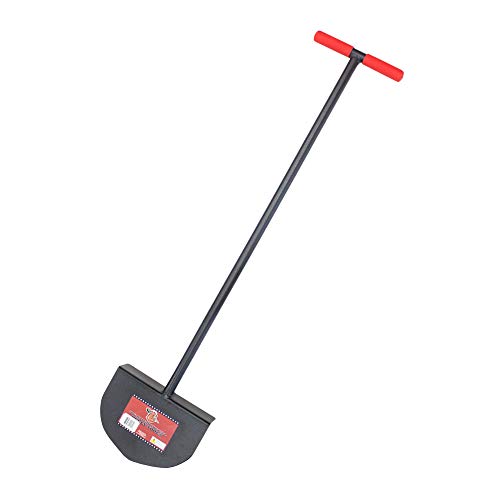
BULLY TOOLS 12-Gauge Manual Lawn Edger 61.5′ Steel T-Style Grip

Ashman Heavy-Duty Digging Shovel 41-Inch with Trenching Blade

Root Slayer 22611 Serrated Garden Edger Red

Root Slayer RS226 Serrated Garden Edger Black

Radius Garden 206 PRO Garden Stainless Steel Edger Green

Professional Edge Lawn Tool Heavy Duty Steel Half Moon Saw-Tooth Blade

Radius Garden 25602 Pro-Lite Carbon Steel Edger Green
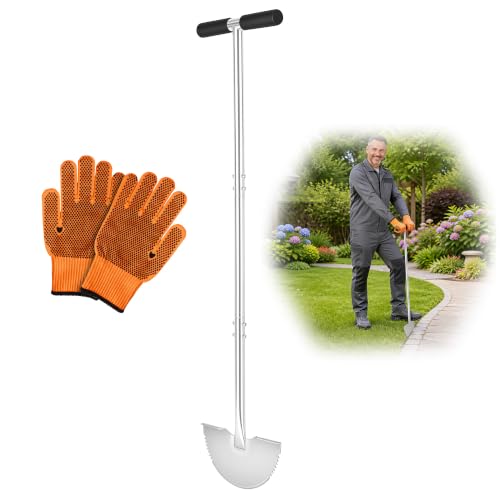
Serrated Edger Lawn Tool Half Moon Shovel with Softer T-Handle 38

Garden Flat Shovel Floor Scraper 60 Multifunctional Garden Cleaning Shovels
More Details On Our Top Picks
That steel T-style grip is the main story here, because it gives you a stable hold for long border runs along beds, sidewalks, and patios. The 12-gauge steel build leans toward serious yard work, and in a larger property that extra heft can feel reassuring rather than tiring.
The honest trade-off is weight, which suits steady edging better than quick touch-ups. For someone who wants a straight, old-school manual tool with American-made construction, this is a very sensible place to start.
Strong Points
- Steel T-handle gives you firm leverage during straight edging passes.
- 12-gauge construction suits repeated contact with packed soil and turf.
- 61.5-inch length helps you work without constant stooping.
- Made in the USA appeals to shoppers who value domestic build origin.
- The simple manual layout keeps maintenance straightforward over time.
Things To Consider
- The heavier steel build may feel tiring on long, detailed sessions.
- Manual edging demands more effort in hard or very dry ground.
- Storage takes a bit more room than a compact garden hand tool.
Feature Snapshot
Who It Suits Best
Homeowners with medium to large lawns and regular border cleanups will get the most from it.
A Better Fit Elsewhere
Radius Garden 206 PRO Garden Stainless Steel Edger Green suits you better for more controlled, finish-focused edging around beds and walkways.
This one reads more like a digging shovel with edging chores in mind, so it fits trenching and soil-moving better than decorative border work. The 41-inch length keeps the tool compact enough for tighter storage, though the shorter reach can put you closer to the ground than the long-handled picks above.
For yard projects that spill beyond lawn edging, that flexibility helps a lot. In a garden bed with mixed dirt and gravel, the trenching blade makes more sense than a flat, pure-edging shape.
What We Like
- Trenching blade suits digging, border shaping, and soil removal.
- Comfortable handle should help during repeated passes in rough ground.
- 41-inch length is easier to store than many full-length yard tools.
- Good match for landscaping work that goes beyond lawn edges alone.
Minor Gripes
- Less specialized for crisp ornamental edging than the Root Slayer or Radius Garden picks.
- Shorter length may ask more from your back on larger jobs.
- Mixed-purpose design can feel less exact for fine curb lines.
Core Details
Made For
Gardeners who want one manual tool for edging, trenching, and digging in the same weekend will appreciate it.
Look Elsewhere When
BULLY TOOLS 12-Gauge Manual Lawn Edger 61.5′ Steel T-Style Grip is a better match for long, straight lawn borders and heavier edging duty.
The serrated blade is the reason this model stands out, because teeth along the edge tend to grab into tougher turf and stubborn roots more confidently than a plain blade. In a yard with packed soil or older borders, that extra bite can save a lot of awkward shuffling.
It feels like a tool for tougher-than-average lawns rather than casual touch-ups. The trade-off is a more aggressive feel, so it suits spaces where clean cutting matters more than a soft, lawn-care-only touch.
Highlights
- Serrated edge helps cut through roots and compact turf.
- Good fit for gardeners dealing with neglected or dense borders.
- Works well for edging, trenching, and rough soil separation.
- Red finish gives it a distinct, easy-to-spot look in storage.
Room For Improvement
- The aggressive cutting style may feel like more tool than you need for soft soil.
- Root-heavy jobs usually demand more cleanup afterward.
- Its specific edge profile is less about broad versatility and more about cutting power.
Spec Overview
Whose Shelf It Belongs On
Homeowners with stubborn soil, rooty lawn edges, or older landscape borders will get the most from it.
Where A Sibling Pick Shines
Root Slayer RS226 Serrated Garden Edger Black is the smarter fit for you if you want the same cutting style with a more polished control feel.
Compared with the red Root Slayer, this black RS226 leans harder into controlled edging and cleaner visual lines. The serrated steel blade, inverted V tip, and O-handle work together in a way that should help you cut into compact soil without feeling like the tool is wandering off course.
For sidewalks, garden beds, and driveways, that shape makes a lot of sense. It’s a little more specialized than the BULLY TOOLS pick, but for precise landscape borders, that specialization pays off.
Upsides
- Serrated steel blade helps with rooty ground and compact turf.
- Inverted V tip supports cleaner penetration at the start of each cut.
- O-handle gives you a broader grip than a standard D-handle.
- Narrow blade profile helps with straight runs and curved borders alike.
- Useful for lawn lines, walkways, and flower bed definition.
Softer Spots
- It is more focused on edging than on general digging chores.
- Sharper geometry can feel less forgiving in very soft ground.
- Cleaning teeth and blade edges takes a little more attention after muddy use.
Feature Rundown
Right Fit For
Shoppers who want a precise edging tool for beds, sidewalks, and driveway lines will appreciate this one.
Another Choice May Suit
Radius Garden 206 PRO Garden Stainless Steel Edger Green is a better fit for you if you prefer a smoother, more finish-focused step-in tool.
The forward step is the detail to notice here, because it helps you press into the ground with more confidence and less wobble. Stainless steel on the blade also makes sense for damp soil and routine cleanup work, while the resin-encased carbon steel shaft adds a more finished, sealed feel than bare metal alone.
For tidy borders around flower beds and paths, this pick feels especially well judged. It is not the roughest-looking tool in the group, but that cleaner build is part of the appeal.
Bright Spots
- Stainless steel blade suits repeated contact with soil and moisture.
- Resin-encased carbon steel shaft adds a more protected structural feel.
- Extra-wide forward step helps you transfer pressure more confidently.
- Good choice for polished edge work around landscaped spaces.
Small Caveats
- More focused on edging finesse than on heavy trenching.
- Stainless steel can still need cleaning after muddy lawn work.
- The clean, specialized shape may feel a touch narrow for broader digging tasks.
Details At A Glance
The Right Fit
Detail-minded home gardeners who want a tidy, controlled edging tool for regular border maintenance will get the best match here.
Skip It When
Root Slayer 22611 Serrated Garden Edger Red suits you better for rougher, root-heavy soil where a more aggressive blade matters more than a polished step plate.
The long handle changes the whole experience here, because you can stay more upright during repeated edging passes. The saw-tooth blade cuts differently from a plain half-moon edge, and in tougher turf that tooth pattern can feel less like pushing and more like slicing.
That matters most in larger yards where back strain becomes part of the job. It is a straightforward manual tool, but the extra reach and foot support make it feel aimed at regular use rather than occasional cleanup.
Best Bits
- Saw-tooth edge helps it bite into grass, roots, and soil.
- Long handle reduces the need to bend as much.
- Non-slip grip should help in damp or sweaty conditions.
- Wide footplate gives you a steadier place to press.
Worth Noting
- The toothy blade may be more tool than you need for soft, clean turf.
- Long handle storage can be awkward in small sheds.
- After muddy jobs, the teeth call for a little more cleaning attention.
Core Details
Built With In Mind
Homeowners handling bigger border projects or frequent touch-ups on dense turf will feel the benefit of the longer handle.
A Better Fit Elsewhere
Radius Garden 206 PRO Garden Stainless Steel Edger Green is the calmer choice for you if your yard work is more about neat finish lines than cutting through stubborn growth.
Compared with the heavier Radius 206 PRO, this Pro-Lite version sounds built for lighter handling and less tiring border maintenance. Carbon steel usually brings a firmer feel than ultra-light materials, so you get a practical middle ground for regular yard touch-ups.
For smaller yards, patio edges, or weekend cleanup, that can be enough. You may not want it for the roughest root-cutting jobs, but for controlled edging in a tidy garden, the simpler build makes sense.
Reasons To Buy
- Carbon steel blade supports standard edging work with a firm feel.
- Lighter concept should suit quicker sessions and smaller spaces.
- Green finish helps it stand apart in storage.
- Good fit for routine border maintenance rather than heavy trenching.
Areas To Watch
- Less specialized for very dense roots than the serrated Root Slayer picks.
- May feel a bit simple for hard-packed or neglected lawn edges.
- Carbon steel needs routine care after wet use to stay in good shape.
Technical Sheet
Perfect Match For
Owners of smaller yards who want a lighter edging tool for regular maintenance will appreciate this one.
Where Shoppers Go Wrong
Root Slayer RS226 Serrated Garden Edger Black is the better call for you if your yard has packed soil and stubborn roots that need a more aggressive blade.
The softer T-handle is the first thing you notice, and that matters because hand comfort can decide whether a small edging job feels manageable or annoying. At 38 inches, it keeps the tool fairly compact, which suits tighter storage spaces and shorter, more direct work sessions.
The serrated steel blade and wide footrest round things out nicely. In a yard with sidewalks, cable burial work, or quick border cleanup, this feels like a sensible, no-fuss manual tool.
Positives
- Soft T-handle should feel easier on your hands during repeated use.
- 38-inch length is convenient for storage and smaller work zones.
- Serrated blade helps it cut better than a flat shovel shape.
- Wide footrest adds stability when you press into the ground.
Small Caveats
- The shorter handle may ask for more bending on larger yards.
- Comfort focus means it is less specialized than the heavier-duty root-cutting picks.
- After muddy use, the serrated edge needs a bit of cleanup attention.
Feature Card
Who Should Grab It
Shoppers who want a compact edging tool for routine yard work and cable burial tasks will find it easy to live with.
Swap It Out When
BULLY TOOLS 12-Gauge Manual Lawn Edger 61.5′ Steel T-Style Grip is the stronger choice for you if you want longer reach and a tougher steel feel.
This is the most multipurpose shape in the group, so you get a flat blade that can move from lawn edging to floor scraping and cleanup work. That kind of flexibility helps in a garage, driveway, or yard where one tool often has to do several dull jobs.
The 60-inch handle also gives you a more upright stance than shorter scrapers, which matters during repetitive cleanup. It’s less of a specialist edger than the Root Slayer or Radius Garden options, but for mixed chores, that wide use range is useful.
Best Bits
- Flat scraper shape fits edging and cleanup chores in one tool.
- 60-inch handle helps you work without bending as much.
- Good for soil, lawn, snow, and surface scraping tasks.
- Practical choice for garages, driveways, and yard edges alike.
Points To Note
- Flat-blade design is less exact for crisp ornamental lawn borders.
- Multi-use focus can make it feel less specialized than dedicated edgers.
- Long handle storage needs a bit more wall or shed space.
Feature Rundown
Made For
Homeowners who want one long-handled scraper for edging, cleanup, and surface removal jobs will get strong utility from it.
Reach For A Different Pick When
Radius Garden 206 PRO Garden Stainless Steel Edger Green is the better fit for you if your main goal is crisp lawn borders rather than mixed scraping work.
How To Choose The Right Edger Shovels
Blade Shape And Cutting Style
Half-moon blades work well for crisp border cuts because the curved edge rides the turf cleanly. Serrated blades add bite, which helps in root-heavy ground or compact soil where a smooth edge can stall.
A flat shovel or scraper makes more sense for cleanup-heavy jobs than for fine lawn lines. For a yard that needs tidy beds and sidewalks, the blade shape matters more than marketing language.
Handle Length And Body Position
Long handles reduce how much you bend, which helps on bigger properties or during longer sessions. Shorter tools are easier to store and feel more controlled in tight spaces, but they ask more from your back and knees.
T-handles suit steady, two-handed pressure. O-handles can feel roomier and more secure, while softer grips help when hand comfort matters more than raw leverage.
Materials And Durability Trade-Offs
Steel builds usually bring strength and firm edge control, which matters if your soil has roots, gravel, or compacted patches. Stainless steel tends to be easier to keep clean after damp yard work, while carbon steel often rewards basic upkeep with a solid feel.
Heavier gauges can last longer under repeated pressure, though they also add fatigue. For routine touch-ups, lighter builds feel easier to live with; for neglected borders, the sturdier tools earn their keep.
Match The Tool To The Job
Clean ornamental borders call for precision, not brute force. Trenching, gravel, and older turf lean toward stronger blades and firmer handles, while quick seasonal touch-ups suit lighter, simpler tools.
The best choice is the one that fits your yard’s worst spots, not just the neat sections. That’s the difference between a tool that stays in the shed and one you actually reach for.
Things Worth Knowing First
Common Shopping Slip Ups
Many people focus on blade shape and forget handle length, which can turn a simple edging job into a sore-back chore. Another easy miss is buying a serious root-cutter for soft, tidy turf, where a calmer tool would feel easier to control.
Storage also gets overlooked. A long-handled edger can be awkward in a small shed, so matching tool length to your space saves annoyance later.
When Paying More Pays Off
Higher-tier edger shovels usually cost more because of stronger steels, better grip design, and more careful handle construction. Those details matter most on dense soil, larger properties, or jobs that repeat every week during growing season.
The upgrade makes less sense for the occasional trim around a small patio. For regular use on rough borders, the extra structure and comfort can feel worth it.
Frequently Asked Questions
What Is The Best Blade Type For Lawn Edging?
A serrated blade helps most in packed soil and rooty areas. A plain half-moon edge feels smoother for cleaner border lines.
Do Long Handles Really Help?
Yes, long handles reduce bending and can make repeated edging less tiring. They also feel easier to control on straight runs.
Which Material Needs Less Upkeep?
Stainless steel usually feels easier to clean after damp yard work. Carbon steel can still hold up well with basic drying and storage care.
Can One Tool Handle Edging And Digging?
Some can, especially trenching shovels and flat scrapers. Dedicated edgers still do a cleaner job on narrow lawn borders.
What Size Works Best For Smaller Yards?
Shorter or lighter tools are easier to store and move around tight spaces. A compact handle also helps around patios and narrow side yards.
