
Fast-sprouting crops that forgive a few mistakes and still reward you before frustration sets in make beginner gardening far less intimidating. Lettuce, radishes, and spinach fit that definition well in a small bed or a few containers near the kitchen door.
For a first season, this beginner-friendly overview covers easy vegetables to plant, from quick harvests and space-saving crops to steadier summer staples, so the job feels manageable for a new gardener or a busy one.
The Easiest Vegetables That Deliver Quick Wins
In just a few days, radishes can push color through the soil, and that kind of speed changes how a new garden feels. Lettuce and spinach follow a similar pattern, with germination that shows progress before the season drags on.
Lettuce belongs near the top of any list of vegetables for beginners because you can harvest outer leaves while the center keeps growing. Radishes are the small shock of the group, since you pull them before most garden problems have time to show up. Spinach rounds out the trio with cool-weather growth and a harvest window that works in spring or fall.
These easy vegetables to plant also fit awkward spaces. A 10-inch pot, a narrow raised bed, or a strip along a sunny fence can all handle a quick crop rotation. That flexibility matters because a beginner vegetable garden usually starts with the spaces you already have, not the perfect layout you wish you had.
Lettuce Gives You Fast Leaf Harvests
A cut-and-come-again planting gives you repeated harvests from the same plants. Looseleaf types are less fussy than head lettuce, and they recover faster after a light harvest.
Direct sowing works well once the soil stays cool and workable. The seed is small, so shallow planting and steady moisture matter more than deep covering, and a thin layer of fine soil helps it emerge evenly.
Radishes Show Results Quickly
Radishes finish so fast that they suit impatient starts and short growing windows. Cherry Belle and French Breakfast are familiar examples, and both fit into tight beds without crowding much else.
The root swells unevenly in hard soil, so a loose seedbed gives you straighter bulbs and cleaner texture. Burpee and Johnny’s Selected Seeds both carry common beginner varieties, and that matters because seed labels usually tell you the mature size and days to harvest.
Spinach Handles Cool Weather Well
Spinach prefers cooler soil temperature and slows down once heat builds. That makes it a smart spring crop for northern gardens and a solid fall sowing in mild climates.
Succession planting helps here. A small sowing every 10 to 14 days gives you a longer harvest window, and you can keep the bed productive without a big upfront commitment. Once those quick wins are working, space and structure become the next question.
Space becomes the real currency when a bed is already producing, and compact crops make every square foot count.
Small-Space Crops That Still Pull Their Weight
That next question shows up fast when you only have a patio, a narrow bed, or one sunny fence line. Green beans earn their spot because a short row can feed you for weeks. Bush beans stay compact, while pole beans climb and turn vertical space into food, which is exactly what small beds and patio setups need.
Peas do their best work in cool weather, and their vines make use of trellis height rather than ground area. Snow peas and shelling peas both fit that pattern, and the plants like the early season better than summer heat. Compact, low-maintenance vegetables like these are often the fastest route to confidence because the results are visible without much fuss.
Raised beds, half-barrel containers, and narrow fence lines all suit this group. A 4-by-4-foot bed can handle a short bean run and a pea trellis, and that kind of layout keeps your first season manageable. The next crops ask for a little more attention, but they also pay you back in a different way.
Green Beans Fill Space Efficiently
Bush beans stay low and finish in a tight footprint. Pole beans need support, yet they often keep producing longer because the vines keep climbing and setting pods as you pick.
The plant fixes nitrogen through a root nodule partnership with Rhizobium bacteria, which is a real soil biology advantage in a mixed bed. That process does not make beans magic, but it does help explain why they fit so well beside heavy feeders in a beginner plot.
Peas Use Height Instead Of Width
Peas put on a spring show on a simple trellis or tomato cage. Sugar snap peas give you crisp pods, while shelling peas reward you with fuller seeds later in the season.
Cool days matter because heat shortens flowering and pods get tough sooner. A placement near a north-south fence can reduce shading on nearby crops, so your layout stays efficient without feeling crowded.
Choose a support before planting peas or pole beans. A trellis added later usually disturbs roots, and that delay can cost you a clean climbing habit.
That support decision also affects the warm-season crops that need more structure, so the next section shifts from quick wins to bigger payoffs.
That kind of payoff depends on crops that tolerate a little inexperience, which is why a few dependable choices stand out.
Reliable Favorites For First-Time Gardeners
The familiar summer crops ask for more sun and water, but they also give you a clearer reward when you get the basics right. Tomatoes and zucchini are common starter crops because they answer to attention in direct ways. Water them well, give them space, and they reward you with steady picking rather than one short flush.
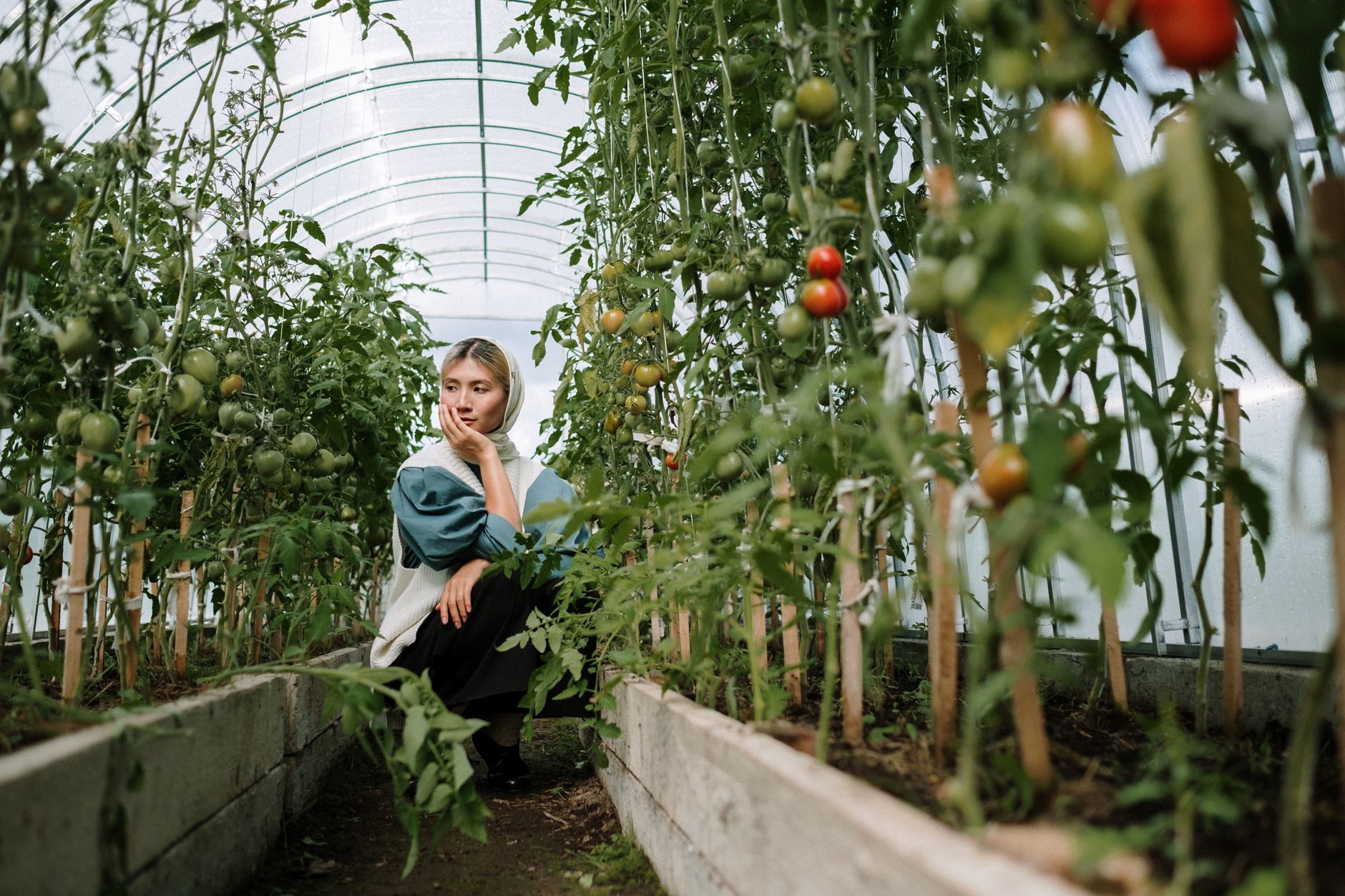
Tomatoes need full sun and a cage, stake, or trellis to keep stems off the ground. Roma, cherry, and slicer types all work, but cherry tomatoes tend to recover from small errors faster because they set fruit on smaller plants. Zucchini is more forgiving in warm weather, yet it spreads fast and drinks more water than lettuce or beans.
This is where the easiest vegetables to grow stop being the shortest list and start becoming a set of choices. The crop that fits your plot is not always the crop with the smallest seed packet, and that distinction saves trouble later.
Tomatoes Reward Structure
Transplants usually give you a stronger start than direct sowing for tomatoes because they skip the cold-soil stall that delays germination. A deep planting depth helps the stem form extra roots, which gives the plant a stronger base in summer heat.
The practical move is to prune lightly and keep foliage dry, since crowded leaves hold moisture and slow drying after rain or watering. That means your watering can and cage are part of the same plan, not separate chores. Guidance from university extension programs backs that approach.
Zucchini Fills The Summer Basket
Zucchini grows fast enough to feel almost impatient, and that speed can work for you. A single plant can spread several feet wide, so a corner that looked empty in May can feel full by July.
Regular watering keeps fruit from turning lumpy or stalling at a tiny size. Soil that dries hard between waterings also pushes stress into the plant, and that shows up as thin fruit, male-heavy flowering, or sudden wilt on hot afternoons.
Sun And Support Shape Success
Full sun matters more for these crops than for lettuce or peas. Six to eight hours of direct light gives tomatoes the energy to ripen fruit and helps zucchini keep up its growth rate.
Stakes, cages, and twine are not extras. They keep stems upright, improve airflow, and make harvest easier because you can see fruit before it hides under leaves. Once those warm-season crops are in place, the soil itself becomes the next deciding factor.
Visible harvests are satisfying, but hidden roots demand looser, better-balanced ground to reach their best shape.
Soil Conditions That Make Root Crops Succeed
That next deciding factor shows up under the surface, where carrots expose soil problems faster than almost any other crop. A pebble, clod, or hard layer can bend the root, split the tip, or leave you with a forked shape that never looks right on the plate.
Loose, stone-free soil gives the taproot a straight path downward. That is why garden centers, seed catalogs, and university extension bulletins all lean hard on soil preparation for roots, not just seed choice. The plant can only follow the path the bed gives it.
A tidy seedbed also improves harvest quality. Straight carrots pull cleanly, store better after harvest, and waste less of the root to trimming. That is the kind of payoff that makes beginner vegetable gardens feel less random and more predictable.
Carrots Need Fine Texture
Sandy loam or deeply loosened garden soil gives carrots the least resistance. Fresh compost helps with structure, but chunky manure or half-rotted debris can leave obstacles that shape the root in ugly ways.
The plant responds to physical pressure more than fertility alone. That simple fact explains why rich soil still produces poor carrots when it is compacted, and why a broad fork or hand fork can matter as much as fertilizer.
Beets And Turnips Tolerate Less Perfection
Beets and turnips handle imperfect beds better than carrots, though they still prefer loose soil. Their edible roots are rounder, so a small clod causes less distortion than it would in a long orange taproot.
These crops also give you a useful fallback in cooler soil. Early sowing works in many regions because they germinate at lower temperatures than warm-season vegetables, which helps extend the spring harvest window.
Work the top 8 to 10 inches before sowing root crops. A shallow rake pass after rain can save you from hard crust that blocks sprouting.
That soil prep matters most when sun and water start pushing growth, because root shape only pays off if the rest of the bed stays steady.
Good soil only gets you partway there; steady moisture and sunlight keep those roots developing evenly.
Sun And Water Habits That Keep Plants Growing
Most easy vegetables do best with at least 6 hours of sunlight a day, and some, like tomatoes and zucchini, want more. Light drives leaf growth, flowering, and sugar production, so a dim corner creates weak plants even when the soil is rich.
Consistent watering matters just as much. Dry spells followed by a flood can split radishes, stress beans, and cause tomatoes to crack near the stem. A steady routine gives the root zone time to absorb water evenly, which keeps growth stable through the week.
The real difference between an average crop and a better one is often rhythm, not effort. A short morning check, a finger pushed an inch into the soil, and a calm soak at the base can do more than a long, random watering binge. That routine is what turns low-maintenance vegetables into reliable ones.
Sunlight Sets The Pace
Leaf crops tolerate partial shade better than fruiting crops, so lettuce may succeed where tomatoes struggle. The USDA Plant Hardiness Zone Map helps you choose planting dates, but your actual light pattern decides what the bed can carry during the season.
Observe the shadow line at noon and again in late afternoon. A bed that gets full morning light and only light shade later can still handle several beginner crops, while a spot under a tree may be better for spinach than peppers.
Watering Needs A Repeatable Rhythm
Drip lines and soaker hoses put water near the roots and leave leaves drier. That setup works well in container gardening too, especially for zucchini and tomatoes that dry out fast in warm weather.
Clay soil holds moisture longer than sandy soil, so your interval changes with texture. A container can need water daily in July, while a deep bed in loam may hold longer between soakings. The plant tells you through leaf posture and surface dryness, not a calendar alone.
- Check soil depth. Push a finger in 1 inch before watering.
- Water at the base. Wet leaves dry slower and waste water to evaporation.
- Mulch lightly. Straw or shredded leaves slow surface loss.
- Soak deeply. Shallow splashes train shallow roots.
- Use morning timing. Early water gives roots the whole day to use it.
That routine sets up the final decision, which is where a simple starter plan helps more than a long crop wish list.
Consistency in the bed matters most when it comes time to choose a simple routine that fits real weekends.
A Practical Starter Plan For The First Season
A small plan beats a crowded wish list because you learn faster from a few crops than from fifteen. Split your space into fast harvests, space-savers, and a couple of rewarding warm-season plants, and your first year stays readable.
For quick wins, start with lettuce, radishes, and spinach. For vertical or tight spots, use green beans and peas. For a bigger payoff, add tomatoes and zucchini. Carrots, beets, and turnips round out the root side, and that makes ten beginner-friendly picks without forcing you to grow everything at once.
The 70 30 rule for gardening fits that approach well. Keep about 70 percent of your space on reliable crops and reserve the other 30 percent for experiments, such as a new tomato type or a different lettuce mix. That balance gives you food on the table and room to learn from a crop that behaves differently than expected.
Start Small And Read The Bed
Four to six crops are enough for a first season, especially in a raised bed or a few containers. A 4-by-8-foot bed can hold a neat mix of salad greens, beans, one tomato, and a short row of roots without feeling crowded.
Seed packets and transplants from Burpee or Johnny’s Selected Seeds can help you compare days to maturity, plant height, and spacing. Those numbers matter more than glossy photos because they tell you whether the crop fits your time and your space.
Group Crops By Harvest Style
Fast harvests give you confidence, space-savers keep the layout efficient, and bigger crops teach you support and watering discipline. That mix keeps your beginner vegetable garden balanced instead of lopsided.
Succession planting can extend the season without adding more land. A second sowing of lettuce after the first row thins out, or a late beet sowing after spring peas finish, keeps the bed working while you learn how the season moves.
A small plan leaves room for succession sowing, and that flexibility is what keeps a beginner’s garden productive.
Wrap Up
The smartest start is not the biggest one. You get better results by choosing crops that match your light, watering habits, and space, then letting a few quick harvests build your rhythm before you add harder plants. That is how easy vegetables to plant turn into a habit instead of a gamble.
FAQ
What are the 10 easiest vegetables to grow?
Lettuce, radishes, spinach, green beans, peas, tomatoes, zucchini, carrots, beets, and turnips fit most beginner gardens. They cover cool-season crops, warm-season crops, and root crops, so you can match them to your space and your weather.
What vegetables are easiest for beginners?
Leafy greens, radishes, beans, peas, and cherry tomatoes are strong starts because they show progress quickly and tolerate small mistakes. Those crops also fit raised beds and container gardening better than plants that need long root runs or a long harvest window.
What are the easiest vegetables to plant for beginners?
Direct sowing works well for radishes, lettuce, spinach, beans, peas, carrots, beets, and turnips. Transplants make tomatoes and zucchini easier to start, since they skip the slow early stage in cool soil.
What is the 70/30 rule for gardening?
About 70 percent of your garden goes to dependable crops, while the remaining 30 percent is reserved for experiments. That split protects your harvest while still giving you room to try a new variety or a crop that needs more attention.
How much sun do beginner vegetables need?
Many easy vegetables do best with at least 6 hours of direct sunlight, while tomatoes and zucchini perform better with more. Leaf crops handle partial shade more gracefully, which makes them a safer fit for a less sunny spot.