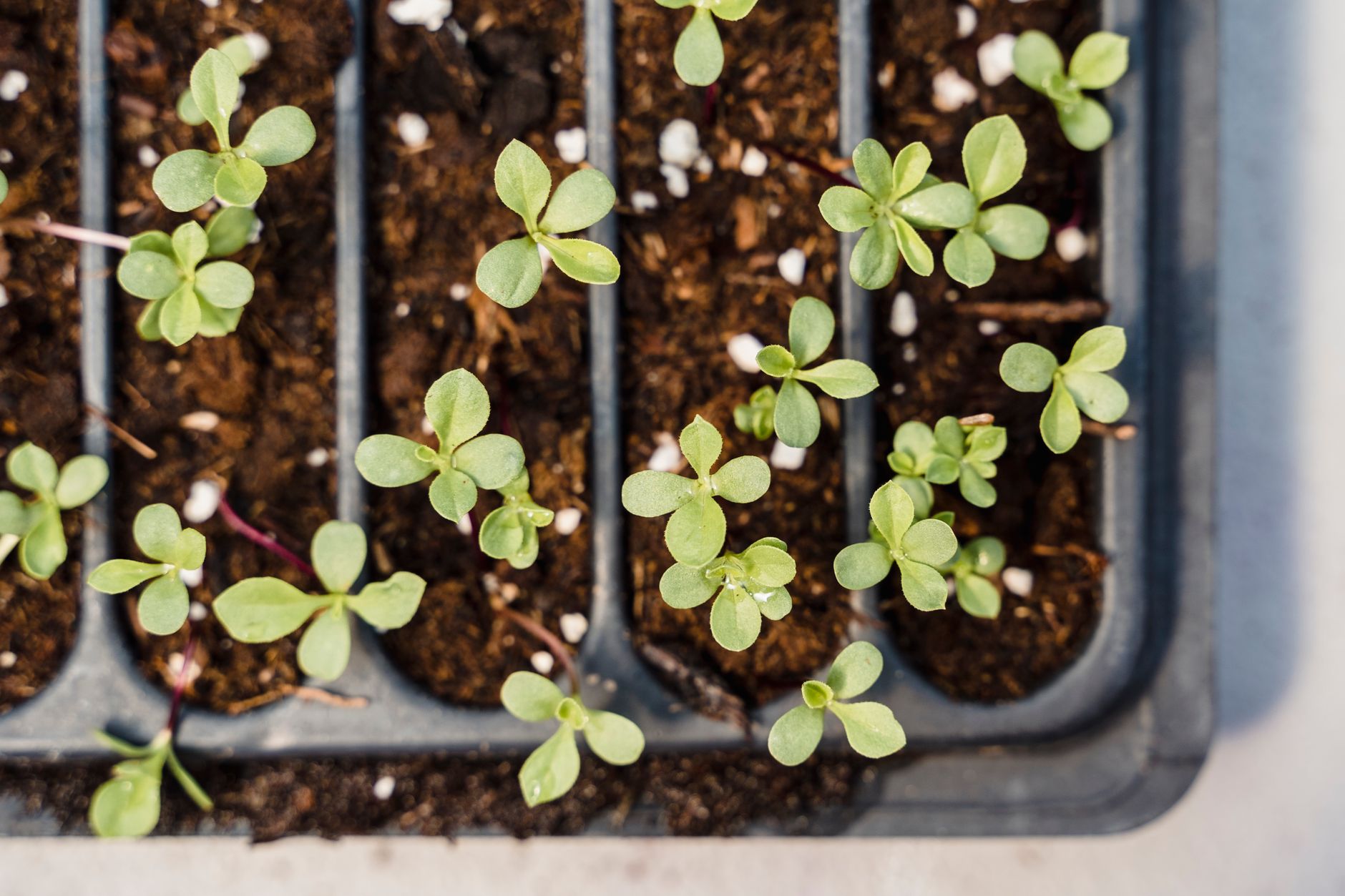

Annuals can fill a sunny bed with color in a single season, especially when you choose fast-blooming varieties that flower soon after sprouting. Zinnias, cosmos, marigolds, and sunflowers can turn bare soil into flowers in a matter of weeks, so the wait is usually shorter than people expect.
This guide covers speedy seed choices for gardeners who want a lively border without a long wait, and it walks through sowing methods, timing, and care that help young plants bloom quickly.
Fast-Growing Annuals That Deliver Early Color
That quick payoff starts with warm-weather annuals. Zinnias, cosmos, marigolds, and sunflowers move from germination to bloom with little fuss, so the work you do now turns into color before summer slips away.
Zinnias do especially well in hot, sunny spots. Their thick seed coats handle direct sowing, and the seedlings still pop up quickly in warm soil. Sunflowers follow the same pattern, only bigger, with roots that drive down before the stem races upward.
Zinnias For Quick, Dense Color
Zinnias rank among the easiest flowers to grow from seed because the seeds are large, easy to handle, and fast to sprout in warm conditions. Burpee and Johnny’s Selected Seeds both list compact garden varieties that fit small beds, borders, and cutting patches.
Strong sun keeps the stems firm, and that light makes a real difference. Weak light pushes zinnias to stretch, which leaves you with floppy growth and fewer blooms. In full sun, the same plant puts more energy into buds, which is why seed-started annuals can feel so efficient.
Sunflowers, Cosmos, And Marigolds
Sunflowers show progress fast because the seedlings rise with thick stems and broad leaves. Cosmos sprout readily, then build feathery foliage before the first daisy-like flower opens. Marigolds stay compact, reliable, and useful along edges where you want color without much pruning.
These fast-growing flowers from seed share one simple trait: they do not sit in the ground for months before doing anything useful. That short wait makes them a smart fit for a new bed, a child-friendly patch, or any sunny strip that needs structure quickly.
That speed matters even more in mild weather, where a few cool nights can stretch the season without slowing the right crops.
A few extra degrees can be a gift, especially for seeds that thrive before summer heat settles in.
Cool-Season Seeds That Handle Mild Weather
Cool nights can help some seed starts instead of holding them back. Calendula and sweet alyssum handle mild weather well, so they bridge the gap before full summer heat settles in and stresses tender growth.
Calendula seedlings often take off in spring soil that still feels cool to the touch. Sweet alyssum stays low and finishes its bloom cycle quickly, which makes it useful for path edges, containers, and spots where you want a soft border before heat-loving plants get going.
Calendula For Spring And Autumn Beds
Calendula is one of the most forgiving flowers from seed for cool shoulder seasons. The seeds germinate in mild conditions, and the plants keep growing when nights still dip briskly above the frost line.
The petals look cheerful, but the plant itself is sturdier than it seems. That toughness matters in spring because soil temperature can swing from one day to the next, and calendula handles that swing with less sulking than many warm-season annuals.
Sweet Alyssum For Edges And Fill-Ins
Sweet alyssum germinates quickly and stays small enough to tuck into gaps between larger plants. Its fine stems spread low, so you can use it as a living edge that softens hard lines in a bed or container.
Because it tolerates cooler weather, alyssum can hold a space while larger annuals are still in the seed tray or waiting for safer outdoor conditions. That makes it a good bridge plant, which matters more than the flowers look at first glance.
Once the weather turns warm enough for direct sowing, planting method becomes the main factor behind speed.
That advantage becomes clearest when seeds go straight into the ground and get a head start immediately.
Direct Sowing For The Fastest Results
Seed dropped straight into warm soil skips transplant shock, and that saves time. Sunflowers and zinnias are classic direct-sow choices because their roots dislike being handled, and their seedlings move quickly once they settle in.
Soil temperature drives the pace. Warm-season flowers should wait until frost danger has passed and the ground has warmed enough for steady germination. Cold, wet soil can rot seed or leave it sitting still for too long, which is why timing matters as much as the packet itself.
Clear, Plant, Water
Start with a weed-free bed so young roots do not have to compete from day one. Set seed at the depth listed on the packet, which is usually two to three times the seed width for small flower seed and a bit deeper for larger seed.
Water with a gentle spray so the soil settles around the seed without washing it aside. A hard stream can push light seed into clumps, and clumps germinate unevenly, leaving you with bare spots and crowded patches in the same row.
- Loosen the top inch: Fine soil contact helps small seed hold moisture without crusting over.
- Match depth to size: Bigger seed can sit deeper, while tiny seed needs light coverage.
- Mark the row: A simple label keeps you from disturbing dormant seed with later weeding.
- Water softly: A mist or rose-head watering can keeps seed in place.
Direct sowing works best in a bed that drains well after rain. Standing water cools the root zone and slows the push from seed to sprout.
At this point, the packet matters more than the catalog photo. Burpee and Johnny’s Selected Seeds both print sowing depth, spacing, and days-to-sprout ranges on packets, and those details are the fastest way to match the crop to your site. For flowers from seed, that packet is the real instruction sheet.
If your spring stays cold, an indoor head start can keep the season moving without waiting on the soil.
When the ground stays cold, a protected indoor start keeps tender seedlings from stalling outdoors.
Indoor Starts When The Garden Still Runs Cold
A cold spring can still work in favor of indoor seed starting. Seed trays under bright light give slower bloomers a head start, and that extra time matters in short summers or in yards that stay cool after neighboring beds warm up.
The setup stays simple: a clean tray, a light seed mix, steady moisture, and strong light from a south-facing window or grow light. Ordinary room light is too weak for most seedlings, so stems stretch toward the glass and turn thin before they ever meet outdoor weather.
Seeds Worth Starting Inside
Certain flowers to start indoors from seed gain a clear advantage from an early start, especially with a late planting window. Snapdragons, petunias, and long-season zinnias can all benefit from a head start in a controlled space.
That head start matters because germination is only the first stage. A seed can sprout fast and still stall later when cool nights or short days slow leaf growth, so indoor seed starting gives you more control over that gap.
Light, Moisture, And Transplanting
Bright light should sit close to the seedlings, and the soil should stay damp rather than soggy. Too much water blocks air from the root zone, and roots need oxygen just as much as they need moisture.
Move seedlings outside slowly so they can adapt to wind and full sun. A hard shift from indoor calm to outdoor exposure can scorch tender leaves or slow root growth for a week, and that pause steals the speed you wanted from seed starting in the first place.
Tomato seedlings and basil are famous for this kind of indoor head start, but flower starts follow the same biological rule. The plant has to shift from stored seed energy to steady photosynthesis, and that switch works best under strong light and modest moisture.
Once seedlings are in the garden, simple spacing and cleanup keep the bloom cycle moving.
Once they move outside, careful spacing and cleanup help young plants channel energy into flowers.
Simple Care That Turns Seedlings Into Blooms
Crowded sprouts spend energy fighting for space, not building flowers. Thinning is the quiet fix, and it gives the strongest plant enough room to set roots, lift foliage, and open buds without wobbling.
Full sun does most of the heavy lifting after that. Most beginner-friendly flowers from seed need at least six hours of direct light for sturdy stems and a better bloom count, and a shaded bed will show the difference within a few weeks.
Thin For Air And Space
Leave the healthiest seedling in each spot and clip the rest at soil level. Pulling crowded sprouts can disturb nearby roots, so scissors do cleaner work than fingers in a tight row.
That one job pays twice. You reduce crowding above ground, and you also improve airflow, which helps leaves dry faster after rain or overhead watering. Drier foliage means fewer fungal problems in damp weather.
Deadhead To Keep The Cycle Going
Regular deadheading sends energy away from seed formation and back toward more bloom buds. Marigolds, zinnias, and cosmos respond well, and the plant often looks fuller after a few clean cuts.
The mechanism is simple. A flower that has finished making seed shifts resources elsewhere, while a flower with spent blooms removed keeps trying to replace what it lost. That is why a few minutes with snips can stretch the display through much of the season.
- Thin early: Waiting too long lets roots tangle and weakens the final stand.
- Feed sparingly: Excess nitrogen pushes leaves at the expense of flowers.
- Give airflow: Open spacing keeps foliage drier after rain.
- Deadhead often: Repeated bloom keeps color coming on many annuals.
A bare patch after thinning is better than a crowded mat. Space now gives you stronger stems, fuller flowers, and fewer failures later.
That timing question leads straight to the best list of plants for a fast return, since some seeds earn their place far more quickly than others.
That timing question points to the strongest candidates, since some blooms repay the wait much faster than others.
The Flowers Worth Planting For Fast Payoff
The quickest flowers from seed are the ones that germinate in one to two weeks under suitable warmth and light. Some seed, like sweet alyssum, can pop in just a few days, but most beginner favorites still move at a normal plant pace, not a magic one.
That timeline matters because impatience causes more mistakes than weather does. A warm bed, steady moisture, and the right sowing depth matter more than any shortcut, and they explain why some packets bloom fast while others sit still.
Reliable Choices For Fast Return
Zinnia, cosmos, marigold, sunflower, calendula, and sweet alyssum sit near the top of the list for easy flowers to grow from seed. Each one is forgiving in a different way, which gives you room to match the plant to the season and the space you have now.
For a blazing summer border, zinnias and sunflowers fit the job. For a cool spring edge, calendula and sweet alyssum step in early. For a long, easy bloom run, marigolds and cosmos keep going with less fuss than many fussier annuals.
| Flower | Best Sowing Method | Typical Strength |
|---|---|---|
| Zinnia | Direct sow in warm soil | Fast sprout, bold color |
| Sunflower | Direct sow after frost | Tall stems, quick growth |
| Cosmos | Direct sow or start inside | Feathery foliage, long bloom |
| Marigold | Direct sow or start inside | Compact habit, steady flower set |
| Calendula | Direct sow in mild weather | Cool-season color, easy care |
| Sweet alyssum | Direct sow or light indoor start | Low edging, quick cover |
For a USDA Plant Hardiness Zone Map zone with a short frost-free window, your smartest move is to favor quick annuals and use indoor starts only for the slower bloomers. The Royal Horticultural Society notes the same basic logic in its seed-starting advice, which puts timing and light ahead of guesswork.
That gives you a simple filter: choose the flower that fits your season, then treat the packet like a schedule. They reward steady hands and good timing far more than elaborate setups, and the fastest payoff comes from matching the seed to the weather you actually have.
Those quick results depend on good timing as much as technique, and the weather should guide every choice.
What To Remember
The fastest bloom comes from a seed that suits your site, not from a fancy trick. Warm soil, enough sun, the right depth, and a little patience will get you to color faster than most shortcuts ever will.
FAQ
What flowers grow really fast from seed?
Zinnias, cosmos, marigolds, sunflowers, calendula, and sweet alyssum are dependable fast-growing it. Under warm, moist conditions, many of them sprout in 7 to 14 days and begin flowering soon after, with some quick types moving even faster.
Which flower seeds germinate in 3 days?
Sweet alyssum can sprout in about 3 to 5 days in warm, evenly moist soil, and a few other fine seed types can move that fast too. Seed age, soil temperature, and moisture control the pace more than the plant name alone.
What flowers are easy to grow from seed for beginners?
Marigolds, zinnias, sunflowers, cosmos, calendula, and sweet alyssum are beginner-friendly it because they germinate reliably and forgive small mistakes. Their seeds are easy to handle, and most do well with plain garden soil and full sun.
What flowers can I grow from seed now?
Your best choice depends on season and soil warmth. In cool weather, calendula and sweet alyssum fit well; once frost danger has passed, zinnias, sunflowers, cosmos, and marigolds belong in the bed.
How long does it take for flowers to grow from seed?
Fast-growing it often germinate in 1 to 2 weeks, then need several more weeks before the first blooms open. Direct-sown annuals in warm weather can flower in roughly 6 to 10 weeks, while indoor starts may shave time off the wait.