
Easy herbs to grow are beginner-friendly plants that give you fresh flavor without demanding much space, gear, or experience. Basil, mint, chives, parsley, thyme, rosemary, oregano, and cilantro all fit that description, though your light, temperature, and container choice will decide which ones do best.
If you want a small kitchen garden, this overview covers indoor windowsills, patios, and compact beds, along with the sun, watering, and harvest habits that help each herb settle in and keep producing.
The Beginner Herbs Worth Planting First
Fast results matter most at the start, and basil, mint, and chives usually deliver them. They bounce back after pruning, tolerate the odd missed watering, and do well in a pot that isn’t perfectly sized.
Parsley, thyme, rosemary, oregano, and cilantro round out the starter list, with each one filling a different spot in the kitchen. Basil and cilantro suit fresh dishes, thyme and oregano hold up in roasted food, while parsley and chives work almost anywhere you want a bright finish.
Start With Plants That Match Your Space
Temperature and sunlight do more than fancy soil ever will. A warm balcony suits basil and rosemary, while a cooler windowsill often keeps parsley and cilantro happier than a hot patio in July.
Indoors, the pace changes again. A pot on a south-facing windowsill gets steady light, but a shaded apartment may steer you toward chives, parsley, and mint, which cope better with less dramatic conditions.
Choose The Herb You Will Use
A plant that shows up in dinner gets harvested more often and ignored less. Basil belongs near tomato sauce, pesto, and pizza, while oregano pulls its weight in roasted vegetables and red-sauce dishes.
That practical fit matters more than chasing a long list of seedlings. A small tray of herbs you cook with every week gives you fresher flavor than ten plants you barely touch, and that brings the focus to containers.
Containers make that easy to manage, especially when a quick-growing herb needs a little space to stay in check.
Containers Keep Fast Spreaders Under Control
Small pots solve two problems at once: they save room and keep aggressive growers where you put them. That matters in tight spaces, where one unruly plant can crowd out everything else.
Mint is the clearest example, because its roots move quickly and can overrun nearby plants in open ground. Container growing also suits herbs to grow indoors and herbs to grow outdoors on patios, windowsills, and balconies.
Why Mint Belongs In Its Own Pot
Mint spreads by underground stems called rhizomes, and those stems keep sending up new shoots into nearby soil. That growth habit makes mint a classic escape artist, so a pot, planter, or buried root barrier keeps it useful instead of unruly.
You can keep mint near the kitchen door for quick snips, and it still regrows after repeated cuts. Keeping it separate from slower herbs protects the rest of your small garden and keeps maintenance simple.
Patios And Windowsills Make Herb Care Easier
Containers warm up faster than garden soil, drain faster after watering, and let you move plants into better light. That flexibility helps when your balcony gets afternoon shade or your windowsill only sees half a day of sun.
Herbs in pots also make pruning and harvest cleaner. You can trim stems at arm height instead of kneeling in damp soil, and the next section shows why sun-loving herbs reward that steady routine.
That kind of careful trimming also matters when warmth and direct light shape how strongly herbs grow.
Sun-Loving Herbs That Reward Steady Care
Bright, hot conditions suit herbs with thicker leaves and firmer stems, especially basil, rosemary, thyme, and oregano. They respond well to full sun and regular watering, but each one still wants a different amount of moisture around the roots.
Rosemary and thyme carry more oil glands in their leaves than soft herbs like parsley. Those oils help the plant lose less water through the leaf surface, which is why dry air and well-drained soil fit them better than soggy pots.
Basil Wants Heat And Consistent Water
Basil grows quickly once nights stay warm, and it sulks in cold soil. Give it strong sun, steady watering, and pinched tops so the plant branches instead of shooting tall and thin.
A tomato pot beside basil is a practical pairing because both plants like warmth and regular moisture. The leaves stay larger and more tender when the roots never sit in a dry clump for long.
Rosemary Prefers Dry Roots And Bright Light
Rosemary does best in full sun and sharply drained soil, not a rich, wet mix. In colder regions, a pot you can move to shelter before hard freezes gives you a better shot at keeping the plant alive through winter.
Woody stems tell you a lot here. Once rosemary thickens, it grows more like a small shrub than a soft herb, so overwatering becomes the bigger mistake than dryness.
Thyme And Oregano Thrive In Lean Soil
Thyme and oregano handle dry stretches better than rich, soggy compost. A gritty potting mix with perlite or coarse sand keeps air around the roots, which matters more than feeding them heavily.
These Mediterranean herbs grow compactly, so they suit a small kitchen bed or a shallow planter. That compact habit sets up the next group, because cooler-weather herbs follow a different rhythm.
Even with steady sun, some herbs stay compact enough to thrive where temperatures never get too harsh.
Cool-Season Herbs That Handle Mild Weather Well
Parsley and cilantro grow best before heat pushes them into a rush of flowers and seed. In spring or fall, they stay leafy longer, and partial shade can ease the stress that summer sun brings to a small garden.
That slower pace helps you, too. A plant that grows at a calmer rate gives you more time to learn watering, spacing, and harvest timing without watching it bolt after a week of hot weather.
Parsley Stays Useful For A Long Stretch
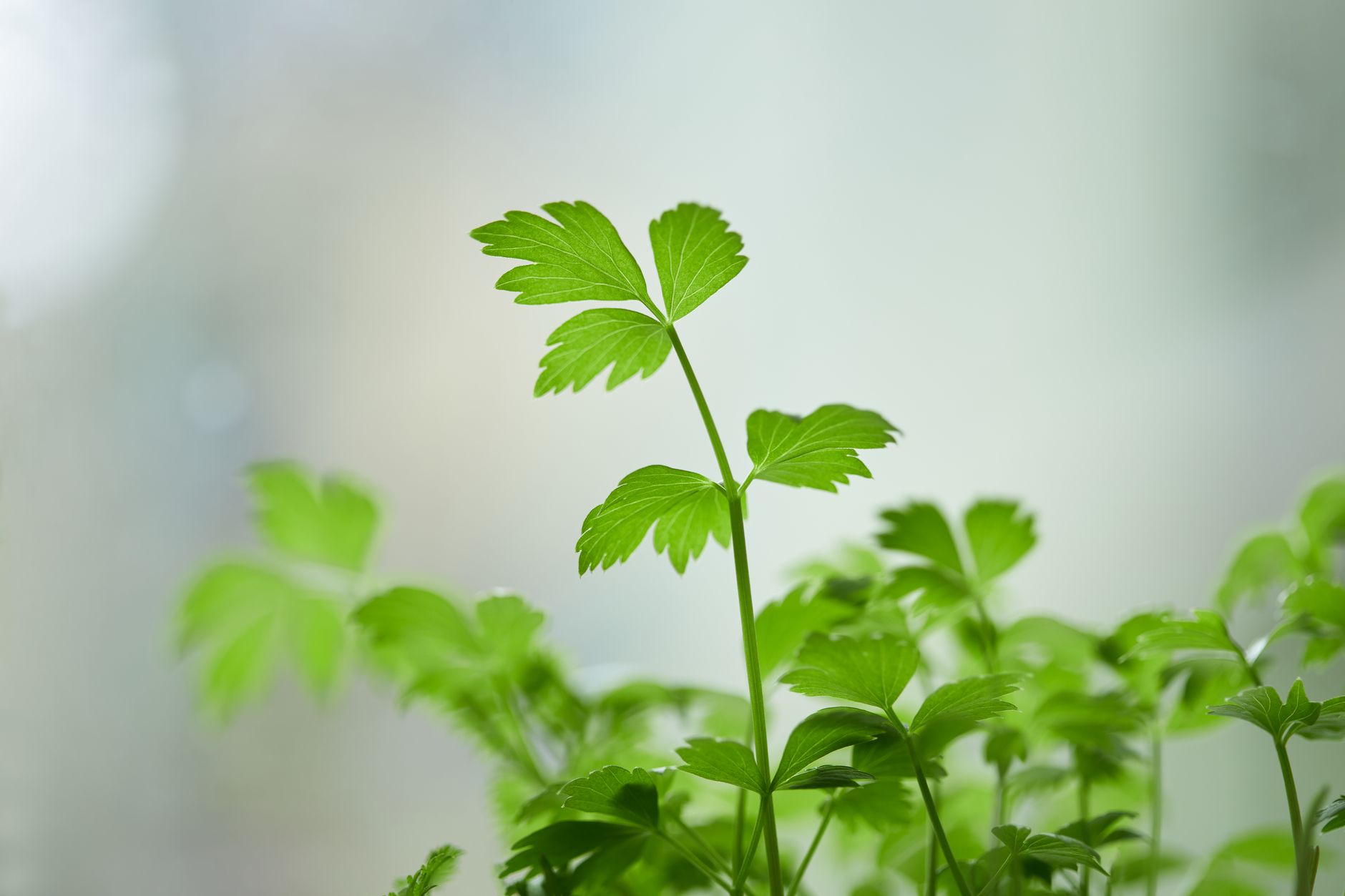
Parsley can handle cooler air and a bit of shade, which makes it useful near a fence line or on the east side of a porch. Flat-leaf parsley usually works better for cooking than curly types because the flavor is stronger and the leaves chop cleanly.
Germination takes patience, so a nursery start saves time in the first season. That slower start is not a flaw; it’s part of why parsley fits a beginner who wants a manageable plant rather than a sprinting one.
Cilantro Prefers A Cooler Window
Cilantro likes the same cool window that parsley enjoys, and heat makes it flower fast. Once it sends up a flowering stalk, the leaves shift in flavor and the plant finishes its leafy phase much sooner.
That trait makes cilantro a good choice for early spring sowing or a partly shaded spot that stays gentler through the afternoon. The tradeoff is simple: you get quick leaves, then a shorter season, and that rhythm pairs well with repeated-cut herbs.
Because those herbs rebound quickly after cutting, they fit naturally into a harvest style that keeps paying off.
Repeated Harvests From Chives, Thyme, And Oregano
Frequent snipping keeps chives, thyme, and oregano productive, because each cut tells the plant to branch and replace what was removed. Chives are the easiest example, since they regrow from the base after you shear the leaves a couple of inches above the soil.
That recovery pattern matters in a kitchen garden. A plant that rebounds after harvest feels more useful than one that forces you to wait for a single big cut, and that’s where low-maintenance herbs really earn their place.
Clip chives with scissors instead of tearing them by hand. Clean cuts leave less bruising, so the blades stay neat and the plant pushes fresh growth faster.
Chives Handle Frequent Snipping
Chives are hardy perennials in many U.S. climates, and they return from the crown year after year. Their hollow leaves are ideal for eggs, potatoes, and soups, so you can cut them a little at a time without draining the plant.
Because the leaves grow in tight clumps, you don’t need much root space. A small container near the kitchen sink gives you a steady supply for fast meals, and that’s hard to beat.
Thyme And Oregano Keep Going With Modest Water
Thyme and oregano stay productive when you avoid heavy feeding and keep the soil on the drier side. Rich soil can push weak, sprawling growth, while leaner conditions encourage tighter stems and stronger flavor.
That balance turns harvest into routine rather than chore. You trim a little, the plant replaces it, and fresh leaves keep showing up for pasta, roast chicken, and sheet-pan vegetables.
That dependable rhythm makes it easier to build a kitchen garden around the meals you actually cook.
A Small Kitchen Garden Built Around Everyday Cooking
The easiest way to choose herbs is to start with the dishes you cook every week. Basil fits pasta and caprese salads, cilantro brightens tacos and rice bowls, chives finish eggs, and thyme settles into soups and roasted vegetables.
You can mix indoor and outdoor spots so the garden stays useful across seasons. A sunny windowsill can hold chives and parsley in winter, while a patio pot can carry basil, oregano, and rosemary through the warm months.
Match Herbs To The Meals You Make
A short list beats a crowded tray. Pick two herbs for daily cooking, one for bright flavor, and one for a woody, savory note, then expand only after the routine feels natural.
Practical picks:
- Basil for pasta, because a warm, leafy plant gives you quick sauce garnish and pesto-ready leaves.
- Chives for eggs, because a clump near the door supplies fast snips for breakfast and soups.
- Cilantro for salsa, because cool-weather growth gives you fresh leaves before summer heat rushes the plant.
- Thyme for roasting, because dry soil and full sun keep the flavor tight and the plant compact.
- Rosemary for meats, because sun and lean soil produce sturdy stems for long cooking.
Narrow The List To What You Will Actually Use
Cluttered herb pots waste light, water, and space. Two or three plants you harvest every week will give better results than a crowded shelf of seedlings that sit untouched.
That’s the real secret behind easy herbs to grow: choose plants that fit your climate, your light, and your dinner plan, then keep the list short enough that you can care for every pot well.
Once that list is set, the whole garden feels simpler to maintain and much easier to enjoy.
Wrap Up
The simplest herb garden starts with plants that match your weather and your cooking, not with a dozen labels from the nursery rack. A few steady pots of basil, chives, parsley, thyme, oregano, cilantro, mint, or rosemary can give you fresh flavor in a small space without turning care into a project.
FAQ
What are the easiest herbs to grow for beginners?
Basil, mint, chives, parsley, thyme, rosemary, oregano, and cilantro are strong starter choices. They handle pots well, stay compact, and give you useful leaves without demanding much room.
What is the quickest herb to grow?
Chives and mint give fast visible growth, while basil also fills out quickly in warm weather. Parsley and cilantro can take longer to establish, so they fit best when you want a slower pace.
What herbs are low maintenance?
Thyme, oregano, chives, and mint are among the easier herbs to keep up with. Thyme and oregano want less water, chives regrow after cutting, and mint stays manageable in its own pot.
What is the most useful herb to grow?
Basil is a strong all-purpose choice for pasta, sauces, and salads, while chives cover eggs, potatoes, and soups. Your best pick depends on the meals you cook most and the light you can give the plant.
Can herbs be grown indoors on a windowsill?
Yes, a bright windowsill can work well for chives, parsley, mint, and smaller basil plants. South-facing light helps most, and a pot with drainage keeps the roots from staying wet too long.