
On tomato stems and rose leaves, tiny leaf-colored insects blend in so well that the damage often appears before the bug does. Curled pepper leaves, sticky tomato stems, ragged bean edges, and pale speckling all point to feeding that’s already under way.
This article covers the green insects most likely to turn up in vegetable beds and ornamentals, helping gardeners tell harmful visitors from helpful ones while choosing sensible next steps for small infestations.
Why So Many Garden Pests Blend In
Bright foliage gives tiny insects cover right where they feed. Green bodies match stems, buds, and new growth, so a quick look often misses them.
That camouflage helps both pests and predators. Aphids, leafhoppers, and plant bugs use it to feed, while lacewing larvae use it to reach prey without drawing attention. That shared disguise is why garden pest identification starts with close inspection, not guesswork.
Small infestations become visible plant stress fast. A handful of sap-suckers can distort new growth in days, and the first clue is often yellowing, curling, or a sticky sheen rather than the insect itself.
New Growth Gives The Best Clues
The softest tissue draws the most feeding. Buds, shoot tips, and leaf undersides hold the youngest sap, so that is where you’ll get the clearest sign of green insects on leaves.
Early detection helps limit plant stress in home landscapes, according to APHIS, the U.S. Department of Agriculture’s Animal and Plant Health Inspection Service. A quick scan every few days gives you a better shot at spotting a fresh infestation before leaf shape changes for good.
Camouflage Also Protects Natural Predators
Green bodies do not always mean trouble. Lacewings, minute pirate bugs, and some lady beetle stages use the same color to move among aphids and mites without becoming bird food.
That overlap matters because spray decisions hinge on garden pest identification. A wrong guess can clear out helpers along with pests, and then aphids rebound with less competition.
That misstep often opens the door to sap-sucking invaders that multiply fast once competition disappears.
Aphids And Other Sap-Feeding Troubles
Aphids are among the most common green garden pests, and they love tender shoots. They cluster at growing tips, new leaves, and flower stems, where their needle-like mouthparts tap phloem and pull out plant sugars.
That feeding pattern explains the damage. Curled leaves, yellowing, sticky residue, and stunted growth follow because the plant loses energy and reacts to the wound. Honeydew, the sugary waste aphids excrete, can also attract ants and lead to sooty mold on nearby surfaces.
Leafhoppers, whiteflies, and plant bugs sit in the same broad sap-feeding group, though each leaves a slightly different sign. Leafhoppers can cause stippling and leaf edge scorch. Whiteflies gather under leaves and flutter up in a cloud. Plant bugs may leave misshapen fruit or blotchy tissue where they fed.
Aphids On Tender Shoots
Aphids come in several green shades, from pale lime to dull olive, and many live in tight colonies. Wingless adults, called apterous forms, feed and reproduce quickly on soft growth, so a small cluster can multiply fast in warm weather.
Check the undersides of young leaves and the joints where a stem meets a leaf. Those spots give you the highest chance of seeing the insects before leaf stress spreads into the rest of the plant.
Other Sap-Feeders Leave Different Signs
Leafhoppers move sideways and leave tiny pale dots where cells were emptied. Whiteflies hide low on the plant and launch upward all at once, which makes them easy to miss until the plant gets shaken.
Plant bugs are a broad group, but several garden species feed on buds and fruit, then leave corky marks or distorted growth. That pattern helps you separate them from chewing insects, which leave a very different kind of damage.
Visible distortion is only part of the story; the next clue comes from insects that announce themselves with their feeding style.
Chewers That Leave A Clear Signature
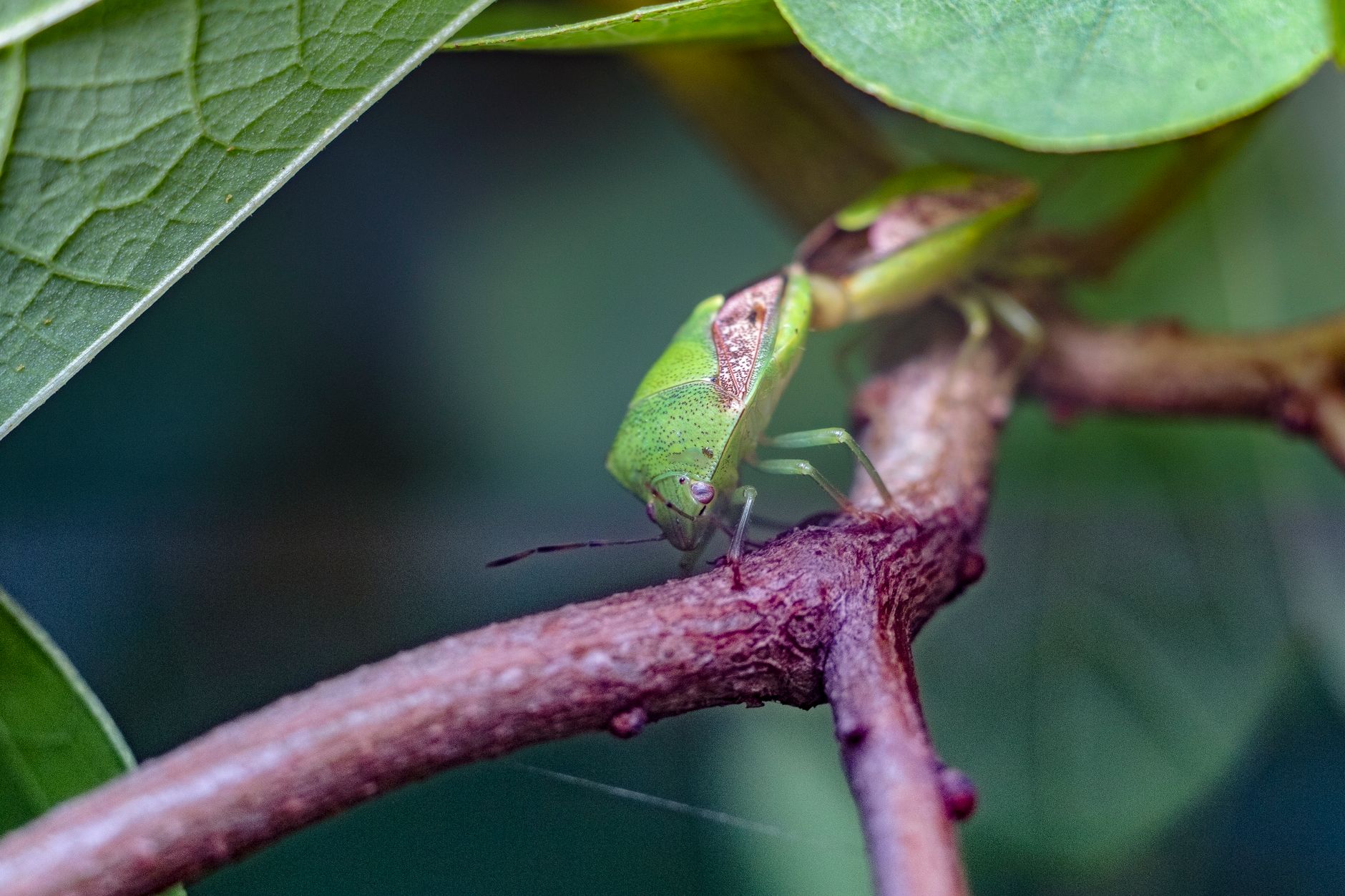
Holes tell a cleaner story than sap loss. Chewing insects cut away tissue, so the first clue is damage pattern rather than color or motion.
Small green caterpillars and beetles hide well at the start. A cabbage looper can sit tight along a leaf vein and look like a twig curl. A cucumber beetle may blend into vine foliage until the edge of the leaf turns ragged.
The shape of the injury points you in the right direction. Round holes often signal beetles. Ragged edges suggest caterpillars or grasshoppers. Skeletonized leaves, where veins remain and tissue is gone, usually mean the feeder stayed long enough to work through a patch of leaf tissue. That difference matters for control choices, because the fix for a chewing insect is not the same as the fix for a sap-sucker.
Leaf Damage Tells A Story
Single bites on a few leaves suggest a scout or a passing feeder. Large scallops, missing sections, or a stripped seedling mean the insect stayed long enough to feed in place.
Garden pest identification gets easier once you read that signature. The damage on beans, brassicas, squash, and herbs often points to a short list of likely types of green garden insects.
Small Green Caterpillars Hide In Plain Sight
Cabbage loopers and imported cabbageworm larvae can match leaf color so closely that they vanish against kale or broccoli. Their motion gives them away, since loopers move with a looping arch that looks like a bent thread.
Early feeding tends to cluster near veins and leaf margins. Once that pattern appears, the plant has already lost leaf area that helps fuel growth and fruit set.
Those small scars can hide an insect that actually helps the garden, so a closer look matters.
Beneficial Green Insects That Deserve A Closer Look
Some little green bugs on plants are predators, not pests. Lacewing larvae, for example, feed on aphids, thrips, and soft-bodied eggs, and their sickle-shaped mouthparts make them efficient hunters.
Green lacewing adults are delicate and harmless to your crops. The larvae are the real workers, often called aphid lions because they clear colonies so quickly in a small patch of growth. That kind of predator-prey pressure is a core part of integrated pest management, or IPM, the standard approach used by University Extension programs.
Certain beetles also deserve a pause before you reach for a spray bottle. Some predatory beetles and their larvae move through foliage in the same greenish tones as the plants around them. A hasty spray can remove the very insects that would have kept aphids in check.
Lacewing Larvae Look Like Trouble
Lacewing larvae carry no bright warning colors. They look narrow, slightly rough, and easy to mistake for a pest nymph at a glance.
Their value shows up in the prey count. One active larva can clear many aphids in a small area, which is why plant inspection should include a careful look at body shape, not just color.
Beetles Can Be Allies Too
Lady beetle adults and larvae help by feeding on soft-bodied pests, and some are green or yellow-green on the wing covers. Ground beetles work closer to the soil line and catch pests that drop or crawl down to rest.
Neem oil and insecticidal soap can still be used on problem plants, but only after you separate helpful insects from harmful ones. The wrong choice can strip your bed of natural predators and make the next pest wave harder to slow.
Because the benefit is easy to miss, careful handling protects allies while you decide how much intervention is warranted.
| Insect type | What you see | Main clue |
|---|---|---|
| Aphids | Small green clusters on tips and undersides | Curled leaves and sticky honeydew |
| Leafhoppers | Slender jumpers that move fast | Tiny pale specks and leaf stress |
| Caterpillars | Soft-bodied larvae on leaf edges | Holes, ragged edges, stripped tissue |
| Lacewing larvae | Alligatorlike hunters in foliage | Aphid colonies shrink nearby |
Practical Ways To Handle Small Infestations
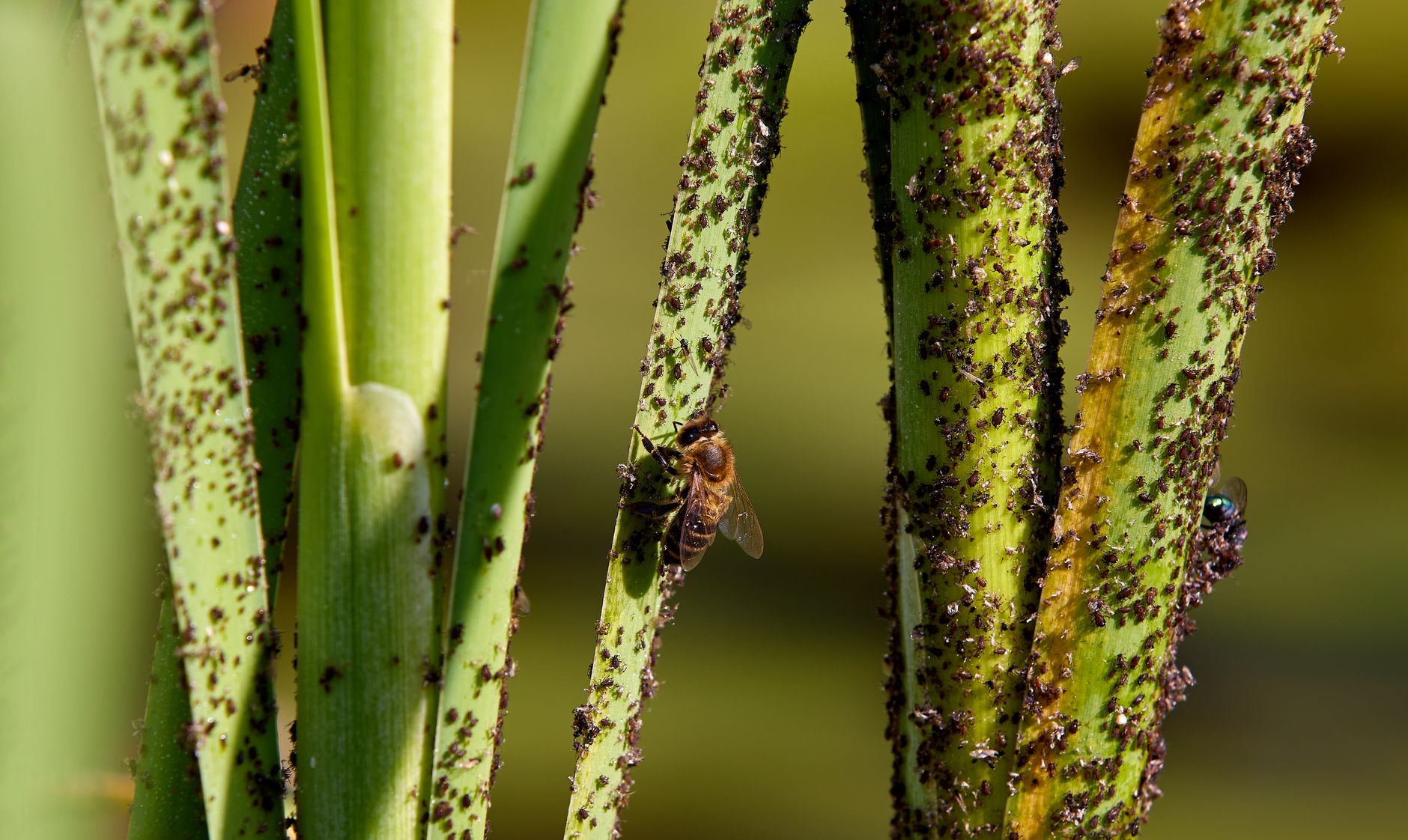
A small cluster on one plant calls for direct action, not a broad sweep across the whole bed. Physical removal, a hard spray of water, and pruning of badly infested growth can lower pressure fast without disturbing the rest of the garden.
Strong water works because many soft-bodied pests cling loosely to stems and leaves. A jet from the hose dislodges aphids, whiteflies, and young leafhoppers, and many of them do not return well once they hit the soil. Pruning helps when a tip is packed with eggs or dense colonies, since removing that growth also removes the source.
For softer pests, insecticidal soap and horticultural oil can help when used carefully on the plant surface they contact. Coverage has to reach the pest body, especially under leaves, and fresh growth should be checked after the spray dries. Row covers add another layer for seedlings and young transplants, especially where flea beetles or caterpillars keep showing up.
Start with the least disruptive step that fits the infestation size. A few aphids on one stem need a different response than a plant covered in sticky residue and curled new growth.
Direct Removal Works On Small Clusters
Pinching off a badly hit tip can stop a colony from spreading to nearby shoots. A bucket of water with a drop of soap gives you a place to drop insects you remove by hand.
That simple step matters most on herbs, beans, and ornamentals with compact growth, where one crowded shoot can seed the rest of the plant in days.
Row Covers Block Repeated Pressure
Light fabric covers keep moths, beetles, and some flying pests from reaching vulnerable seedlings. They work best before an outbreak gets established, since a covered plant stays cleaner only when the pests never land.
Check edges and seams so gaps do not become entry points. Once blossoms open, remove the cover from crops that need pollination and shift to close scouting instead.
Prevention works best when barriers and scouting are paired before pests have a chance to settle in.
Keeping Green Insect Problems From Returning
Healthy plants resist pressure better than stressed ones. Deep watering, mulching, steady sunlight, and balanced fertility help tissue stay firm enough to withstand light feeding from common green garden pests.
Diverse habitat also changes the odds in your favor. Flowering borders, mixed plantings, and undisturbed spots for predatory insects support lacewings, parasitoid wasps, and lady beetles. Those natural predators do not erase every outbreak, but they can hold pest numbers below the point where leaves fold, yellow, or stall.
Regular scouting closes the loop. Check new growth, undersides of leaves, and tender stems at least once a week during active growth. A small problem is easier to identify than a full infestation, and that early look saves you from choosing a broad fix after the plant has already shown stress.
Healthy Growth Lowers Stress
Plants under drought or nitrogen swings are easier targets because tissue stays soft or weak. Firm, even growth gives you a better margin before feeding turns into visible injury.
That is why soil moisture and mulch matter as much as insect identification. The plant’s condition shapes the severity of the damage that follows.
Scouting Beats Guessing
A quick weekly look under leaves catches aphids, leafhopper nymphs, and young caterpillars before they spread. A hand lens helps, but even a slow scan with good light can reveal movement, clustered eggs, or a patch of fresh chewing.
University Extension programs and IPM calendars push this habit for a reason. The earlier you spot green insects on leaves, the narrower the fix can be.
Regular early checks keep minor outbreaks from becoming costly surprises later on.
What To Remember
Green insects are hard to see because foliage hides them well, but the damage they leave is easier to read. You get the best results from careful identification, since sap-feeders, chewers, and beneficial predators each call for a different response. A calm look at the plant tells you more than a rushed spray ever will.
FAQ
What are common green garden pests?
Aphids are the usual answer, followed by leafhoppers, whiteflies, and small caterpillars that blend into foliage. These pests feed on sap or leaf tissue and leave curling, yellowing, holes, or ragged edges.
What are the little green bugs in my garden?
They could be aphids, lacewing larvae, leafhopper nymphs, or young caterpillars. Body shape, movement, and the kind of leaf damage nearby give you the best clue before you choose any control step.
How do I identify green insects on my plants?
Check the undersides of leaves, tender stems, and new growth with bright light. Look at how the plant is hurt, since sticky residue points toward sap-feeders, while holes and stripped edges point toward chewers.
What are the common types of green bugs?
The main types are sap-sucking pests like aphids and leafhoppers, chewing pests like caterpillars and some beetles, and helpful predators like lacewing larvae. The difference matters because the wrong response can remove useful insects from the bed.
What are the most common garden pests?
Aphids, caterpillars, whiteflies, leafhoppers, and plant bugs show up again and again in home gardens. Healthy plants, diverse habitat, and regular scouting help keep those pests from gaining a strong foothold.