
Lawn grub damage signs usually begin below the surface, where root-feeding larvae strip turfgrass roots and leave grass brown, thin, and soft underfoot. A lawn that looks thirsty after watering may actually be starved from below, so grub injury is easy to mistake for drought or disease.
This article shows how to tell grub damage in grass from look-alikes, what loose sod and wildlife digging mean, and where lawn brown patches from grubs usually appear.
The Early Surface Clues Grubs Leave Behind
Irregular brown patches are usually the first clue, and they rarely appear in a neat circle. The grass loses color, turns dull, and thins in spots because beetle larvae are feeding where the roots should anchor the plant.
Late summer and early fall expose lawn grub damage signs most clearly. Japanese beetle, European chafer, and June beetle larvae feed hardest then, so turf can fade fast after looking fine in June.
Thinning Grass And Dull Color
Patchy thinning matters more than a full lawn-wide fade. Drought usually paints a yard in broader, even stress, while grub injury leaves uneven pockets that stand out like weak seams in a rug.
Extension notes often point to this pattern because turfgrass roots fail in clusters, not in a uniform sheet. That root loss explains why the grass can stay green in one strip and collapse three feet away, which sends you toward soil inspection instead of guesswork.
Late Season Decline In Turf
A strong lawn can look normal through midsummer and then slip fast as grub feeding peaks. That timing matters because the soil still holds heat, roots are active, and the larvae have plenty to eat right when stress becomes visible.
One useful detail is the feel of the area at dusk or after a soak. Dry-spell damage often follows heat and wind, while grub damage in grass can show up after recent watering because the problem sits in the root zone, not on the blade tips.
Those timing clues matter even more once you compare them with how roots and water move through the plant.
That connection becomes clearer when the plant’s roots start struggling to move water upward.
Why Root Damage Changes How Turf Looks and Feels
Roots act like straws and anchors at the same time. Once grubs chew them through, the plant cannot draw water well, so the blades wilt even while the soil below still feels damp.
That moisture failure is why grub damage in grass can mimic watering stress so closely. The crown may still be alive for a while, but the turf has lost support, and the surface starts to feel loose, soft, or spongy.
Water Stress Without Drought
Wilt after irrigation is a classic clue because the lawn is not thirsty in the usual way. It is disconnected, so the roots cannot move water upward with enough force to keep the blades firm.
Healthy roots maintain water flow through pressure differences inside the plant, and that flow drops when feeding cuts the roots away. You may see the same droop on a hot afternoon, but the context changes the meaning of the symptom.
Soft Turf And Root Failure
A spongy lawn feels wrong underfoot because the mat beneath the blades no longer grips the soil well. Press your shoe into the area and the surface may spring back slowly, as though the ground is padded.
That feel shows up before full collapse in some yards, especially where white grubs in turf have been active for several weeks. Once that texture appears, the next clue is often the pull test, which separates root loss from shallow disease or compaction.
From there, the pull test gives you a fast way to confirm whether the damage is structural.
When roots fail, the turf gives way under a simple tug instead of holding firm.
The Telltale Pull-Test for Severe Infestations

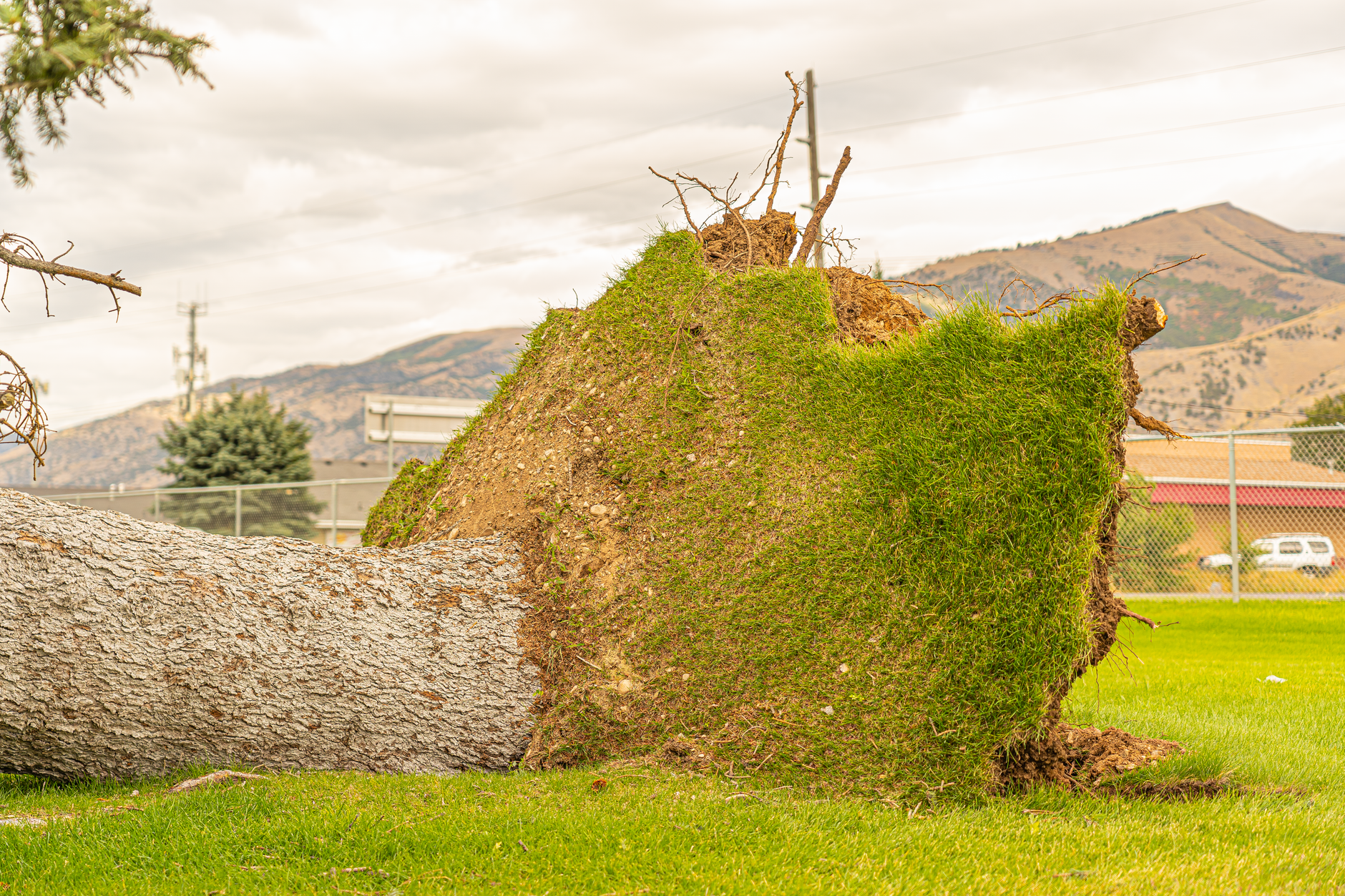
A healthy sod piece resists like fabric with backing; infested turf can lift like a loose carpet square. Severe infestations strip enough roots that the grass sheet peels back with very little force.
This is one of the clearest lawn grub damage signs because the problem is mechanical, not cosmetic. Compacted soil stays attached because roots are packed into place, but grub-fed turf loses the grip that should hold the surface down.
Sod That Peels Back Easily
Slide a hand under the edge of a damaged patch and tug gently. Lifted sod that comes away in broad sheets points to serious root feeding, not a surface blemish.
Large areas can roll up with almost no resistance in heavy cases, especially where Japanese beetle or June beetle larvae have clustered. That kind of failure tells you the injury has moved past the early stage and into structural loss.
Separating Grub Injury From Compaction And Disease
Soil compaction makes grass thin, but it does not usually let the turf peel away like a rug. Disease can discolor blades, yet the crown still tends to hold because the root system has not been chewed through in the same way.
The pull test gives you a quick soil inspection shortcut, and it works best after a light watering. A moist but not soggy patch reveals whether the root mass is still gripping or has been stripped down to stubs.
Check the edge of a damaged patch before you assume drought. A few inches of easy lift can tell you more than a week of guessing.
Once the turf starts lifting, wildlife often confirms the problem from above.
Once the soil loosens that easily, foraging animals often leave unmistakable evidence behind.
Wildlife Disturbance That Points to Grubs Below
Birds pecking at turf, skunks digging in lawn, raccoons, and moles often leave the next clue before the grass fully fails. They are hunting beetle larvae, and their feeding pattern can uncover a problem you have not seen yet.
Scattered torn spots across one section of yard matter more than a single random dig. Those animals do not pick turf at random; they follow a food source, and grubs are an easy one to dig up near the surface.
Fresh Digging And Tearing
Look for shallow holes, flipped tufts, and torn sod edges in the same zone as the browning. Animal damage and grub feeding often travel together because the wildlife comes after the larvae, then leaves the lawn roughened.
The pattern can be especially clear after a damp night. Worm activity draws some species too, but grub hunting leaves a wider, messier tear that fits the kind of root feeding pest damage signs you see in lawns with layered stress.
Disturbed Spots Deserve Soil Checks
Exposed earth near a torn patch deserves a closer look because the animals may have done the inspection for you. Grubs hide just below the surface, and a turned-over piece of sod can reveal them before the surrounding grass turns fully brown.
That is also where a local extension bulletin becomes useful, since extension offices often describe how many larvae per square foot justify concern in your region. The number matters because a few beetle larvae can be tolerated, while a cluster can strain turf fast.
Those field clues can look dramatic, but drought, disease, and compaction still create some of the same symptoms.
Even so, similar patchy damage can come from stresses that have nothing to do with insects.
Conditions That Look Similar but Tell a Different Story
Drought, disease, and compacted soil can all leave brown patches, and each one can be mistaken for lawn grub damage signs. The trick is reading the pattern, the texture, and the timing together instead of chasing color alone.
Brown turf is not proof of grubs. Dry heat, fungal disease, and poor soil structure can all shift the color map, so a careful look keeps you from treating the wrong problem.
| Cause | Patch Shape | Feel Underfoot | Extra Clue |
|---|---|---|---|
| Grubs | Irregular clusters | Loose or spongy | Sod lifts easily |
| Drought | Broader, even zones | Firm and dry | Leaf blades curl |
| Disease | Ringed or blotchy | Surface stays anchored | Fungal growth may appear |
| Compaction | Traffic lanes or worn sites | Hard and dense | Water runs off |
Timing Tells The Story
Late summer and early fall fit grub feeding best, while drought can hit hard anytime heat and wind stack up. Disease patterns often follow humid stretches, and compaction shows up where foot traffic is constant, such as paths, play spots, and driveway edges.
You can also compare how the lawn responds after water. A drought-stressed yard may green up at the tips after a soaking, while a grub-damaged patch can stay weak because the turfgrass roots no longer deliver moisture well.
Other Pests And Problems That Confuse The Picture
Fall armyworm injury can create fast chewing damage above ground, but the blades look shredded rather than root-starved. That difference matters because white grubs in turf act below the crown, while armyworms work on the leaf tissue first.
Fungal spots and heat stress can share the brown color, yet neither tends to create the carpet-lift feel that follows severe root feeding. A careful diagnosis saves you from an unnecessary treatment path and points you toward the real cause.
Severe feeding leaves a loose, carpet-lift feel that’s hard to ignore.
The Point at Which Grub Damage Demands Action
Widespread browning, loose turf, and visible animal activity signal a larger infestation than a few scattered larvae. At that point, you are no longer looking at cosmetic wear; you are looking at root zone failure that can spread across a lawn in patches.
The next step is to confirm the grubs before you decide whether to treat lawn grubs. A quick soil inspection in several damaged spots gives you the clearest read, especially where the grass feels spongy or lifts in sheets.
Do not wait for a patch to collapse before you act. Deep root injury is harder to recover from once the sod loses its anchor.
What A Confirmed Infestation Changes
Once you find larvae in the damaged zone, your timing matters more than the color of the blades. Early fall often gives you the best window for action because the grubs are active near the surface and the turf still has a chance to regrow roots.
Milky spore and Bacillus thuringiensis galleriae are two biological tools that gardeners sometimes discuss for scarab beetle grubs, but each has limits tied to species and timing. Their role is narrower than casual advice suggests, so local guidance from an extension source is the safer place to start.
Recovery Starts With The Root Zone
Recovered turf needs living roots, steady moisture, and relief from active feeding. Dense bare spots can fill in later, but only after the underlying cause is addressed and the soil can support new growth.
That is why the serious lawn grub damage signs matter so much. A lawn can survive a few chewed roots, yet once the root mat thins across broad areas, the repair work gets slower and more expensive in time, water, and patience.
A short checklist can keep the next decision grounded in what the lawn is actually showing.
With the threshold in mind, a closer look helps separate true damage from a false alarm.
What To Look For Before You Decide On The Next Step
A few careful checks can keep you from chasing the wrong fix. The useful pattern is simple: irregular brown patches, soft turf, and late season decline point toward grubs, while even drought stress, hard compacted soil, or ringed disease patterns point elsewhere.
Use the pull test, watch for birds pecking at turf or skunks digging in lawn, and dig a small sample where the grass feels loose. Those three moves expose the root zone fast and show whether lawn brown patches from grubs are part of the story.
FAQ
What are the signs of lawn grub damage?
The clearest signs are thinning grass, dull color, irregular brown patches, and a soft feel underfoot. Severe cases let sod peel back easily because the turfgrass roots have been eaten away.
How can you tell if brown patches are caused by grubs?
Look for patchy browning in late summer or early fall, then try a gentle pull test. Grub injury often feels spongy and lifts like carpet, while drought usually looks broader and more even.
How do you check for grubs in your lawn?
Cut a small flap of turf in the damaged area and fold it back a few inches. Search the soil and the root mat for white grubs in turf, especially near spots where birds or skunks have already disturbed the ground.
When should you treat lawn grubs?
Action makes sense after you confirm larvae in damaged patches and see the problem spreading. Early fall is a common time to respond because active feeding and visible turf failure often overlap then.
Will a lawn recover from grub damage?
Yes, a lawn can recover if enough roots remain and the feeding stops. Thin patches may fill in later, but areas that have lost large sections of sod often need reseeding or repair after the root zone is stabilized.