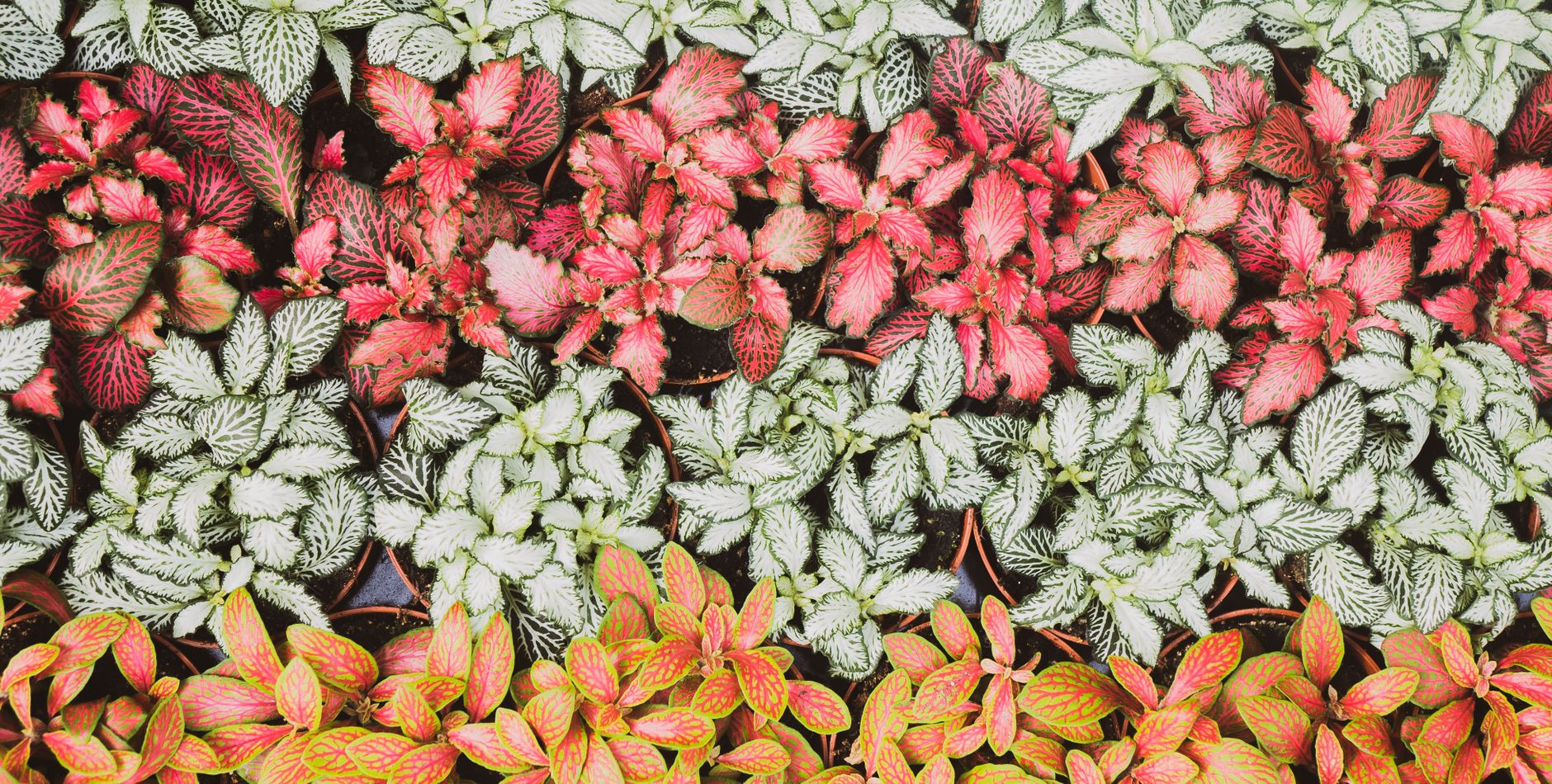

Deep burgundy, crimson, or purple tones often appear in foliage plants because anthocyanin pigments color the leaves rather than the flowers. Bright light, cool nights, plant genetics, and steady care all shape how intense the color looks, so a sunny coleus can appear far richer than one grown in shade.
This overview covers beds, borders, containers, and shade plantings for anyone choosing color that fits a climate, a site, or a specific design goal.
Why Red Foliage Stays So Bright
That color comes from pigment balance, not a single dye. Chlorophyll keeps leaves green, while anthocyanins add red, wine, and purple tones. In maples, pigment production often rises as nights cool and sugars collect in the leaf, which is why autumn color can intensify quickly.
Light drives pigment strength
Bright sun usually deepens color because the plant responds with more anthocyanins and less visible chlorophyll. Shade softens that response, so a plant that looked crimson in spring may drift toward bronze or green as canopy cover thickens.
Temperature and moisture matter just as much. Cool nights help many species hold richer tones, while heat stress and dry soil can dull leaf edges or trigger early leaf drop. Your watering rhythm and site choice shape color as much as the cultivar label does.
Plant vigor changes the color you see
Fast, soft growth often looks greener because fresh leaves carry more chlorophyll. Heavy nitrogen feeds can do the same thing, which is why lush growth and deep red foliage rarely peak at the same time. On coleus, too much fertilizer can make the scarlet fade.
Smoke bush and Japanese maple show the same pattern in woody form. Good drainage, steady moisture, and bright exposure keep pigments visible longer, and that sets up the real design question of where those colors work hardest in the garden.
That practical question points to the plants that can carry the color where it matters most.
Standout Plants For Beds, Borders, And Containers
A pot at the front walk can change the feel of an entry in a week. Colorful foliage plants do that faster than most flowering annuals because the color is already on the leaf, so bloom cycles do not affect the impact.
Coleus and caladium carry fast seasonal color
Coleus brings bold leaves in green, red, burgundy, and copper, and it thrives in container gardening where color schemes can shift each season. Caladium contributes heart-shaped leaves with red veins or red centers, and it shines in warm, humid weather after the soil has warmed.
Both are prized for leaf variegation and quick effect. In a mixed urn, a red coleus can read like a brushstroke beside chartreuse sweet potato vine, while caladium gives softer, more tropical contrast under porch shade.
Heuchera, loropetalum, and begonias scale down well
Heuchera, also called coral bells, keeps tidy mounds that work along edges and path lines. Loropetalum adds purple-red foliage on evergreen shrubs, and red-leaf begonias fill smaller pots with glossy leaves that hold color through warm months.
These plants with red leaves help build foliage contrast without crowding the space. A border that mixes brick-red heuchera with green hosta and silver lamb’s ear reads layered instead of busy, which matters once the design moves from accents to structural plants.
Quick ways to place them well
- Use one focal plant: A single red-leaf specimen near a doorway anchors the whole scene.
- Repeat the color: Echo the same red in two or three spots so the eye moves cleanly.
- Pair with green: Green neighbors make red foliage plants look deeper and cleaner.
- Watch container size: Small pots dry fast, and dry roots blur leaf color.
That placement logic matters even more with shrubs and trees, where scale and spacing can make or break the effect, and the next section shows which woody choices hold color without constant replanting.
Scale shifts the focus from accents to long-lived structure that can hold the scene together.
Woody Ornamentals That Anchor The Garden

That scale shift shows up most clearly in shrubs and small trees. Japanese maple and smoke bush bring red foliage into the permanent structure of landscape design, so the color does not depend on annual replanting or constant editing.
Japanese maple brings refined red texture
Japanese maple, or Acer palmatum, offers finely cut leaves, compact patio forms, and larger small-tree shapes. Cultivars such as Bloodgood and Crimson Queen keep burgundy to red tones in good sun, though intense afternoon heat can scorch thin leaves in hot climates.
That tree matters because the color is paired with form. A laceleaf maple gives a softer silhouette than a broadleaf shrub, so the plant delivers leaf pigmentation and architectural shape in one package.
Smoke bush makes a strong backdrop
Smoke bush, Cotinus coggygria, pushes broad purple-red leaves and airy flower plumes that look like colored mist. It works behind lower plantings, along property edges, or as a single specimen where a bold block of color fits better than a fine pattern.
Its size changes the whole composition. Left unpruned, it can become a large shrub or small tree, so room, drainage, and winter cold tolerance matter before you place it beside a walkway or a compact patio.
Establishment care keeps woody color steady
New shrubs and trees need even watering during the root-building phase, especially through the first growing season. Good drainage matters because soggy roots weaken uptake, and weak uptake shows up in leaf color before it shows up anywhere else.
Check mature width before planting. A red shrub that outgrows its space loses the crisp edge that made it attractive in the first place.
Once those anchors are set, the next layer is season-long color from plants that fill gaps fast and keep the design active.
With the framework in place, smaller plants can keep the color moving through changing months.
Perennials And Annuals That Carry Color Through The Season
That gap-filling role is where smaller plants earn their place. Red leaf annuals and perennials let you tune the color plan around heat, frost, and the timing of your local growing season.
Seasonal favorites fill the gap fast
Iresine, Alternanthera, and coleus are common choices for quick color because they root fast and respond well to warm soil. Alternanthera, often called Joseph’s coat, gives small leaves in red, magenta, or copper tones, which makes it useful for edging and low mounds.
Iresine adds vivid red stems and leaves in humid climates, and croton brings bright indoor foliage in warm conditions where frost never touches it. These red foliage plants work best where immediate color matters more than waiting for woody growth.
Warm climates favor frost-sensitive performers
Caladium and croton both slow down once nights cool, so they suit long warm seasons and protected sites. In frost-prone regions, they can serve as annual color or move indoors before the first cold snap.
That seasonal habit changes how you plan. A plant that looks soft in May may be dazzling by July, but it still needs warm soil, rich planting mix, and room for roots to spread before the color peaks.
Healthy foliage needs clean water and drainage
Regular watering keeps the leaf surface full and helps pigments read clearly in sunlight. Rich, well-drained soil supports that balance, while waterlogged beds leave roots starved for air and the foliage duller than it should be.
The pattern is simple: healthy leaves show stronger color. That leads straight into the light question, because exposure decides whether red stays red or slides toward green.
Light changes everything, because the same foliage can look dramatic in one spot and dull in another.
Matching Red Leaf Plants To Sun Or Shade
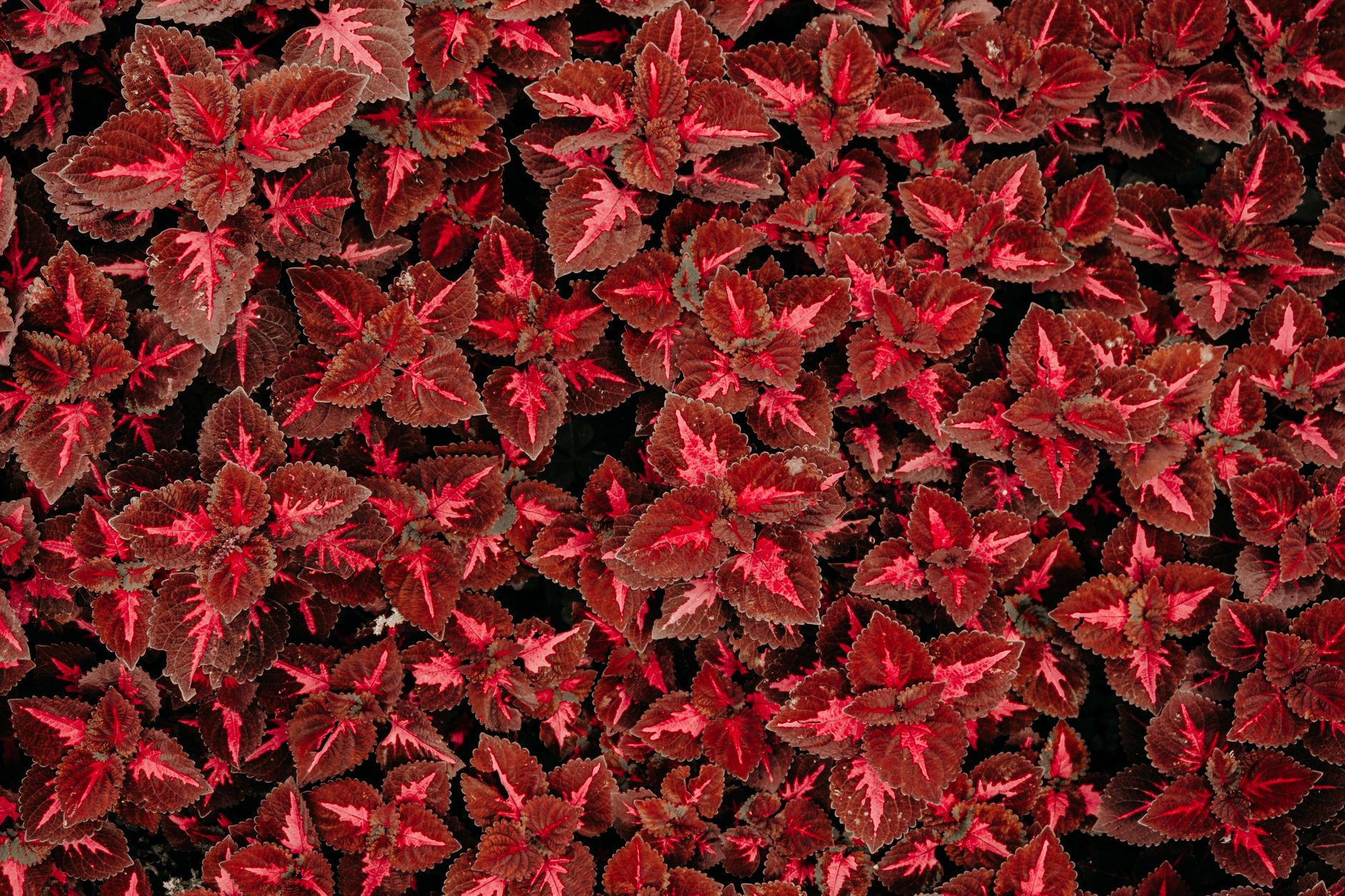
That light shift is the switch that changes the whole display. A plant bred for red foliage can still move toward olive or bronze if the site is too dim, and that is one of the fastest ways color schemes lose their punch.
Bright sites deepen color
Sun-loving selections usually hold the strongest pigment in direct light, especially in morning sun or through full-day exposure that stays warm but not scorching. Japanese maple cultivars with red leaves and many coleus types keep richer tones there than they do under dense tree cover.
Color stability depends on cultivar as much as exposure. Red geraniums, loropetalum, and some heuchera cultivars keep stronger contrast in higher light, while the same plant may soften in shade and blend into the background.
Shade tolerant types still need real light
Partial-shade plants can look excellent, but dense canopy shade lowers pigment intensity and raises green chlorophyll visibility. Heuchera and caladium handle filtered light well, yet deep shade trims the color edge and lengthens the stems.
That is why label reading matters. A cultivar bred for red coloration can green up fast outside its preferred exposure, and the result is a plant that looks healthy but misses the design goal.
| Light setting | Color result | Good matches |
|---|---|---|
| Full sun | Deepest pigment, stronger contrast | Smoke bush, red Japanese maple, some coleus |
| Bright partial shade | Rich color with less scorch risk | Heuchera, caladium, loropetalum |
| Dense shade | Muted color, more green shift | Few red foliage plants hold intensity here |
Light sets the tone, but care practices decide how long the foliage stays clean and vivid once the plant is in place, and that is where maintenance makes or breaks the display.
Those conditions set the stage for routine care that preserves the color after planting.
Care That Keeps Ornamental Foliage Looking Fresh
Soggy roots and heavy feeding can dull red tones faster than most garden problems. Red leaf plants need a care plan that favors drainage, measured fertility, and the right mature size for the space they occupy.
Drainage matters as much as watering
Roots need oxygen to move water and minerals through the plant. In heavy clay or standing water, that exchange slows down, so leaves lose strength and color looks flat before any obvious wilt appears.
A raised bed, a porous potting mix, or coarse organic matter can improve the root zone. For container gardening, a pot with open drainage holes matters more than decorative style, because wet feet quickly spoil the foliage effect.
Feeding less can sharpen color
Too much nitrogen pushes soft green growth and reduces the red pigments you want to see. A balanced feed, applied lightly, keeps growth steady without forcing the plant into a chlorophyll-heavy flush.
Use fertilizer as quiet support, not a color booster. Leaf color comes from the plant’s genetics and light, not from a heavy feeding schedule.
Match size, climate, and season
A compact heuchera suits a front edge, while smoke bush fits a broad backdrop or hedge line. Cold hardiness, heat tolerance, and mature spread all matter before you settle on a plant, since a good match keeps the color readable for years rather than one season.
That pairing step is where red foliage plants become part of the structure, not just a temporary accent. Once the plant fits the site, the color reads cleaner and the whole design holds together.
That kind of fit leaves a few clear takeaways worth keeping in mind.
What To Remember
Red foliage stays strongest when pigment, light, and root conditions line up. Choose the plant for the site, not the other way around, and the color will stay richer because the leaves get the exposure, moisture, and space they need.
FAQ
What plants have naturally red leaves?
Coleus, Japanese maple, smoke bush, heuchera, caladium, loropetalum, iresine, alternanthera, croton, and some begonias can all show red foliage. The shade of red depends on cultivar, exposure, and season, so the same genus can look very different from plant to plant.
How do you keep red foliage plants from turning green?
Give them stronger light, avoid excess nitrogen, and keep the roots evenly moist without soggy soil. Many red foliage plants shift greener in shade because chlorophyll becomes more visible when anthocyanin production drops.
Do red leaf plants need full sun or shade?
Some need full sun, while others hold better color in bright partial shade. Japanese maple, smoke bush, and many coleus selections like brighter sites, while heuchera and caladium often look best with filtered light.
Which red foliage plants are best for indoor growing?
Croton, iresine, and some coleus cultivars adapt well indoors near bright windows. Indoor space is still a challenge, so steady light, warm temperatures, and careful watering matter more than with outdoor beds.
Are red leaf plants perennials or annuals?
Both types exist. Japanese maple, smoke bush, and heuchera are perennials or woody ornamentals, while coleus, caladium, alternanthera, and many begonias are grown as annuals in colder climates.