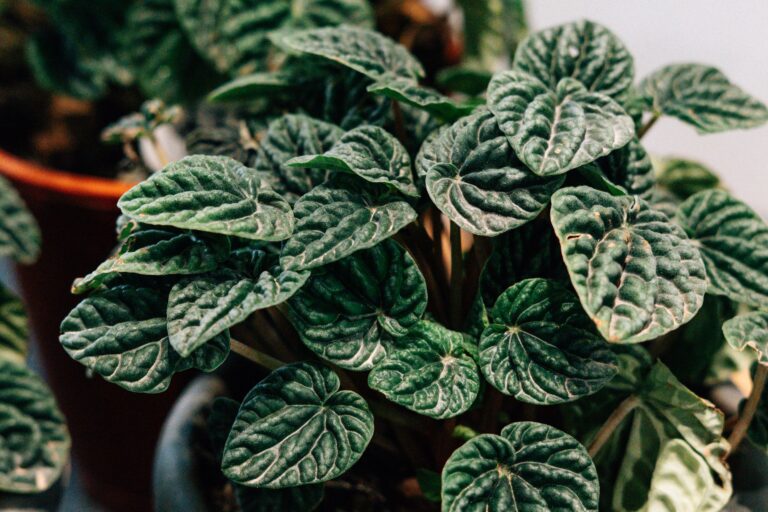

Many species keep growing with less irrigation once they’re established because their roots, leaves, or stems store moisture or lose it slowly. A rosemary hedge can stay tidy through an August heat wave, while sedum holds color with far fewer hose runs.
This overview covers the best plant types for dry sites, how soil changes the outcome, and how to keep a water-wise garden attractive in full sun or lean beds.
Reading Your Climate Before You Buy
One plant tag can look promising and still fail fast if it doesn’t match your rainfall, summer heat, and winter cold. A tender lavender may thrive in a mild valley, then struggle in a humid coastal winter or a hard inland freeze.
Start with the climate you actually live in, not the one you wish for. USDA hardiness zone ratings help with winter lows, but summer heat, wind, and sun exposure still decide what survives on less water.
Match Sun, Heat, And Winter Cold
Full-sun plants belong in the hottest parts of the yard, where soil bakes by midafternoon. Shade lovers need cooler corners, or they’ll burn through water just to keep leaves from scorching.
A south-facing foundation bed and an open driveway strip can call for very different plant choices. Drought-tolerant landscaping works best as a site-matching exercise, not a catalog search.
Start With Native Plants For Dry Gardens
Native species often use water more efficiently in their home region because they evolved under the same rainfall pattern and soil biology. That fit can matter more than bloom size, especially after the establishment period.
Switchgrass, little bluestem, and California poppy show the idea well in different regions. Each brings a different look, yet each can cut irrigation demand once roots settle and local weather takes over.
Check the plant tag against your coldest winter night and your hottest summer stretch. A plant that likes bright light but hates wet roots can fail for different reasons than a shade perennial, so the location matters as much as the species.
That climate match matters even more once you sort plants by how they handle dry heat and lean soil.
Dry sites reward plant choices that can handle stress, and the next step is narrowing in on the toughest water savers.
The Plant Types That Save The Most Water
Some plant groups handle dry spells by storing water, while others keep going with narrow leaves, deep roots, or slow growth. That difference matters because your garden beds don’t all dry at the same rate.
You can use the right plant type for the right spot and stop fighting the site. Succulents, low-water perennials, and heat-tolerant garden plants each solve a different watering problem, which makes mixed plantings more useful than one style everywhere.
Succulents Handle Dry Spells Through Storage
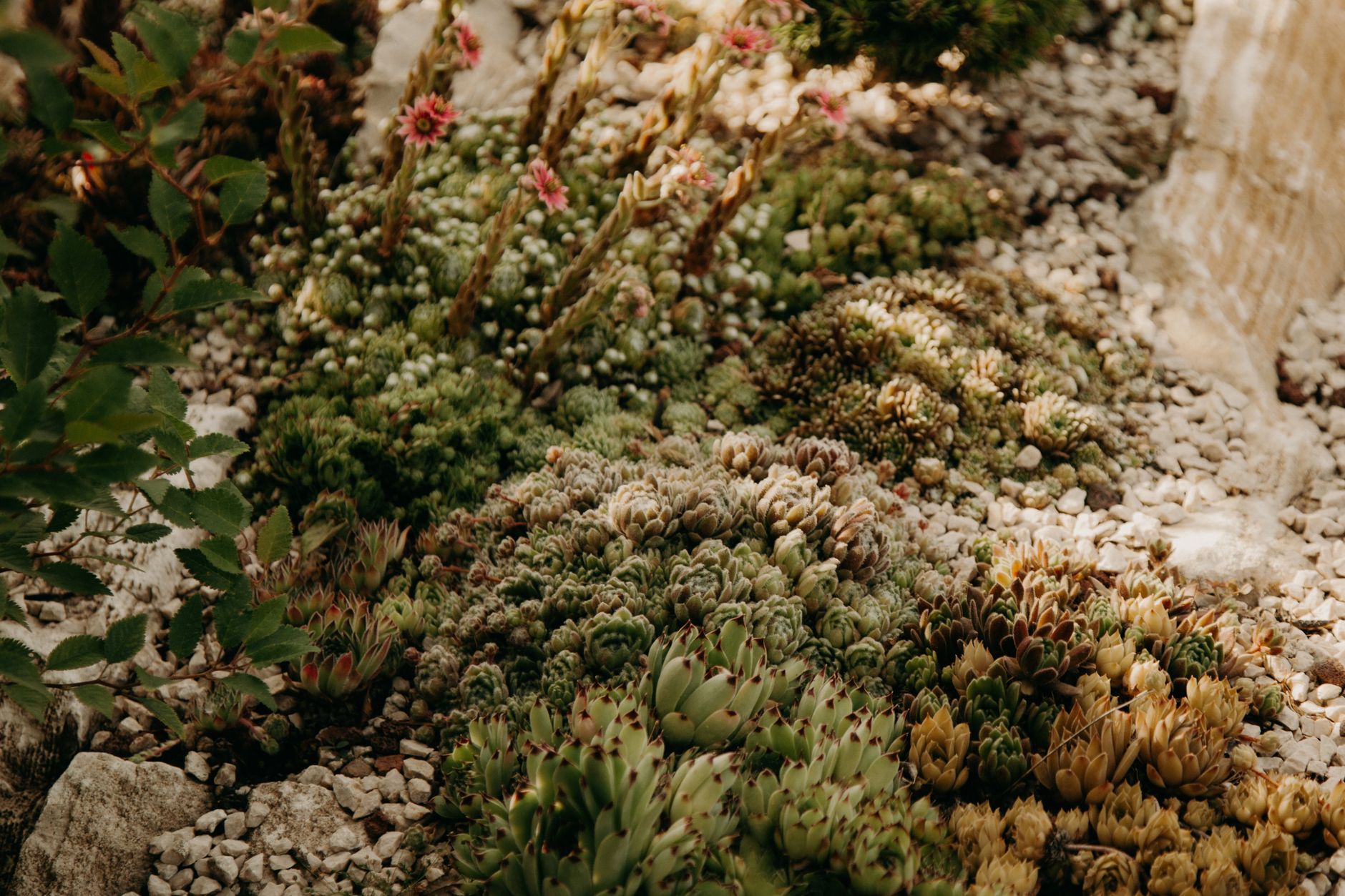
Succulents store water in thick leaves or stems, which helps them ride through long dry periods. Sedum is the classic example, and agave or echeveria do the same job in warmer regions.
Their shape tells you how they work: a fleshy leaf is a reservoir, not a decoration. That storage lets you water deeply, then wait longer before the next irrigation cycle, which is exactly what water-saving garden plants are built for.
Low-Water Perennials Keep Color Coming Back
Low-water perennials give you repeat bloom and leaf texture without the constant demand of thirstier bedding plants. Lavender, salvia, yarrow, and coreopsis all hold up well once roots are established and the bed drains cleanly.
These plants matter because they carry a season, not just a moment. A clump of Russian sage can look airy in midsummer, then stay standing long after flashier annuals have collapsed in heat.
Heat-Tolerant Herbs Earn Their Place In Bright Beds
Rosemary and thyme handle bright exposure with little irrigation once they root into the bed. Basil is far thirstier, so mixing herbs without sorting by water need can waste both water and effort.
Herbs do double duty in a dry garden because many stay compact and aromatic, which suits paths, corners, and raised beds. That makes them useful where ornamental grasses or shrubs would feel too large.
| Plant type | Best use | Water behavior |
|---|---|---|
| Succulents | Hot, sunny pockets | Store water in leaves or stems |
| Low-water perennials | Season-long color | Need less irrigation after rooting in |
| Heat-tolerant herbs | Paths and raised beds | Handle bright light with modest watering |
| Ornamental grasses | Movement and structure | Deep roots help them ride dry weather |
That mix gives you more than drought survival. It gives you structure, bloom, and scent without turning every bed into a thirsty patchwork.
Once you know which plant types fit the heat, drainage becomes the next filter that decides whether they thrive or fail.
Even tough plants can fail in the wrong ground, so drainage and texture become the deciding factors.
Choosing Species That Fit The Soil
Well-drained soil changes everything for dry-garden plants. Even strong drought-resistant plants can suffer root rot in heavy, waterlogged beds because roots need air as much as moisture.
Clay that stays soggy after rain is a warning sign, not a challenge to ignore. The fix is often raised planting zones, coarse organic matter, or plant selection that fits the drainage you already have.
Well-Drained Soil Gives Roots Room To Breathe
Succulents, many ornamental grasses, and several Mediterranean herbs prefer soil that dries between waterings. Their roots spread faster in airy soil because oxygen moves through the pore spaces more easily.
That physical detail matters. In compacted soil, water fills the pores and roots can suffocate before drought ever becomes the problem.
Group Plants By Moisture Need
Plants with similar needs belong in the same bed or irrigation zone, so drip irrigation can deliver water where it helps most. A rosemary plant next to a thirsty hydrangea usually means somebody loses.
Groupings also make maintenance predictable. A dry pocket of sedum and lavender can share a longer watering interval, while a shadier pocket with slightly richer soil gets a different schedule without waste.
Read The Bed, Not Just The Label
A low spot near a downspout behaves differently from a slope that sheds water fast. One may stay damp for days after a storm, and the other may need mulch plus a slow soak to hold soil moisture.
That’s where many dry gardens go wrong. Plants fail less from drought than from the wrong drainage pattern, which is why the soil deserves the same attention as the plant tag.
Use a shovel test before planting a whole bed. A hole that stays shiny and wet on the sides points to poor drainage, and that is a setup for root trouble in many tough plants.
With soil sorted, the layout can do more of the work and make the space feel fuller without increasing water use.
When roots have the right footing, the design can trade irrigation for density and still feel abundant.
Designing A Xeriscape That Still Feels Lush
Xeriscaping saves water by pairing smart plant selection with a layout that cuts evaporation. Sparse spacing wastes that advantage because bare soil heats fast and loses moisture between irrigations.
You can make the space feel full without making it thirsty. Repeating drifts of xeriscaping plants, layered heights, and a few bold textures give the garden a finished look while keeping water use low.
Repeat Shapes And Heights For A Full Look
Three drifts of blue fescue read as intentional, while three random single plants read as unfinished. Repetition also helps the eye move through the bed, which makes a small planting feel larger.
Mix fine leaves with broader leaves and add one vertical element, such as Mexican feather grass or red yucca. That contrast gives you depth without crowding the root zones that need air and drainage.
Use Flowering Plants For Pollinator Activity
Flowering drought-tolerant plants can feed bees and butterflies during dry weather, especially salvias, blanket flower, and echinacea in the right region. Pollinator-friendly planting matters more in midsummer, when many lush annuals are fading.
Those flowers also keep the garden from looking rigid. Color on a lean watering schedule is what keeps a xeriscape from feeling like a gravel yard with a few survivors in it.
Let Hardscape And Mulch Do Part Of The Work
Stone paths, gravel, and patios reduce the total square footage that needs irrigation. Mulch does the rest by shading soil, slowing evaporation, and suppressing weeds that steal water.
A 2- to 3-inch layer of mulch around shrubs and perennials can change how often you reach for the hose. It also protects shallow roots from heat that radiates off bare ground in late afternoon.
That layout pays off most after planting, when the watering schedule needs to shift from establishment care to deeper, less frequent watering.
That fuller look only lasts if young roots are trained carefully, with water spaced farther apart over time.
Watering Less Without Weakening New Plantings
New plants need a different rhythm than established ones. During the establishment period, roots are still short, so they need moisture deeper in the soil profile to spread outward and downward.
Deep watering works better than frequent splashes because it trains roots to chase moisture below the surface. That habit is what gives drought-resistant plants their staying power later, after the first season or two.
Water Deeply And On A Slower Schedule
Long, slow soakings encourage roots to grow into cooler soil. A quick spray wets only the top inch, which dries fast and keeps roots shallow.
Drip irrigation excels here because it releases water near the root zone instead of spraying leaves and sidewalks. For a new bed, that means fewer dry pockets and less waste from runoff.
Watch The Establishment Period Closely
After planting, the root ball dries faster than the surrounding soil, so a young shrub may need attention even in a water-wise bed. That need fades as roots extend into the native soil.
Many drought-tolerant plants reduce irrigation needs most reliably after they settle in, not the day they go in. A first-year lavender can want steady care, while the same plant in year three may need water only during a long heat spell.
Mulch Protects Soil Moisture
Organic mulch holds humidity at the surface and blocks weed seed from getting light. That matters because weeds pull water from the same root zone you want to protect.
Keep mulch a few inches back from stems so air still moves around the crown. Piling it against bark traps moisture in the wrong spot and can invite rot on young trunks.
- Soak slowly Give new beds a long drink so water reaches below the top layer.
- Check soil depth Finger-test the root zone before adding more water.
- Keep mulch loose Fluffed mulch shades soil without sealing it off.
- Separate water zones Place thirsty plants away from dry-loving neighbors.
That routine stays simple over time, as long as you keep reading the bed instead of watering by habit.
A lighter touch works best when the garden is watched closely, because plants signal when they need a drink.
Keeping A Dry Garden Healthy Over Time
Seasonal care keeps the water-saving habit from slipping. A bed that looked tidy in May can lose its edge by August if irrigation drifts upward, mulch thins out, or plants crowd one another.
You don’t need a heavy maintenance routine. Light pruning, drainage checks after storms, and small irrigation adjustments as plants mature are enough for most drought-tolerant landscaping.
Prune Lightly And Watch Drainage
Spent stems and dead wood block airflow, which can keep leaves damp after rain. Light pruning opens the plant and helps sun and wind dry the canopy faster.
After a heavy storm, scan for standing water near crowns and along low edges. A puddle that lingers for a day points to a drainage fix, not a watering need.
Read Stress Signals Before You Water
Heat waves change how plants look at midday, so drooping alone is not enough to panic. Soil that feels cool and damp below the surface means the plant still has access to moisture.
Leaf curl, edge scorch, and pale new growth give you better clues than a brief slump in afternoon sun. That’s where dry-garden skill pays off, because you water the root zone only when the soil is truly dry.
Refresh Spacing And Mulch Each Season
Fast growers can close gaps and block airflow in a single season. Trim back runners, divide crowded perennials, and add fresh mulch before bare soil starts to shine in the sun.
That yearly reset keeps the garden efficient. It also keeps drought-resistant plants from competing with each other for the little moisture that remains after rain or irrigation.
Those adjustments keep the planting resilient and prevent thirsty neighbors from draining the bed dry.
What To Remember
The smartest water-saving garden starts with fit, not scarcity. Match plants to your climate, soil, and sun, then give them deep water during establishment so they can carry themselves later with far less help.
FAQ
What are the best drought-resistant plants for a garden?
Lavender, sedum, rosemary, yarrow, salvia, and many ornamental grasses are strong choices in the right climate. Your local rainfall, winter cold, and soil drainage still decide which of those will settle in cleanly.
How do you care for drought-tolerant plants when they are first planted?
Water deeply, keep the root ball evenly moist through the establishment period, and mulch around the plant without burying the stem. That approach helps roots grow outward instead of staying trapped near the surface.
Do drought-resistant plants still need regular watering?
Yes, especially during the first season and during long heat waves. Once rooted, many need only occasional deep watering, but a completely dry bed can still stress even tough species.
Which drought-tolerant plants work best in full sun?
Lavender, sedum, rosemary, blanket flower, yarrow, and many ornamental grasses handle bright exposure well. Full sun often brings stronger bloom and tighter form, as long as the soil drains well.
What is xeriscaping and how does it save water?
Xeriscaping is a landscape approach that matches plant choice, spacing, mulch, and irrigation to dry conditions. It saves water by reducing bare soil, grouping plants by need, and limiting runoff and evaporation.