
Many hardy indoor and outdoor varieties need less watering, pruning, and feeding while still staying healthy in ordinary homes and yards. Pick types that fit the light, climate, and watering pattern you already have, and you’ll spend far less time rescuing them.
This guide covers dependable indoor and outdoor picks, from bright-window houseplants to hardy yard favorites, and shows how light, placement, and a few simple habits keep them looking good with minimal fuss.
Why Some Plants Stay Easy From Day One
Some plants settle in fast because their roots, leaves, and stems store water or handle lean conditions well. That biology matters, since a snake plant can sit in a dim office corner far longer than a fern that wants constant moisture and humidity.
Easy-care plants also cut down the work around them. Less pruning, less fertilizer, and fewer rescue repots keep your routine short, which matters in a kitchen shelf, a porch pot, or a rental yard.
Built For Less Intervention
Snake plant and ZZ plant are classic houseplants that need little care because their thick leaves and roots hold moisture between waterings. Pothos and spider plant also stay flexible, which is why they show up in homes and offices with mixed light.
That flexibility pays off for you. A plant that tolerates a skipped watering on Thursday does not demand a schedule built around it, and that keeps plant care from crowding out the rest of your week.
Right Plant, Right Site
Light and climate matter more than plant drama. A drought-tolerant plant placed in the wrong shade, or a shade lover pushed into full sun, spends energy on survival, and you end up doing more cleanup, more watering, and more replacing.
The University of Florida IFAS often stresses site matching for landscape planting, and the reason is simple physics and plant biology. A plant rooted in the right soil and light uses water more slowly, so your care routine gets easier instead of heavier. That same rule shapes the indoor choices next.
That same slower pace makes a few houseplants especially forgiving when watering slips from memory.
Indoor Favorites That Forgive Missed Watering
A dry pot usually does less harm than a pot that stays wet for days. Roots need oxygen as much as water, so the easiest indoor choices are the plants that can dry a bit between drinks without collapsing.
You can get strong results with a few common picks. Snake plant, ZZ plant, pothos, spider plant, and peace lily each brings a different tolerance for light and moisture, which gives you room to match the plant to the room instead of forcing the room to fit the plant.
Snake Plant And ZZ Plant For Low Fuss Corners
Snake plant handles bright indirect light and lower light, while ZZ plant stores water in thick rhizomes below the soil surface. That storage acts like a reserve tank, so short dry periods do not send the plant into immediate decline.
Aloe vera belongs in this group too, but only in a bright spot with strong drainage. It stores water in its fleshy leaves, which helps it through dry spells, yet it sulks fast in a soggy pot. That pattern explains many houseplant failures: not neglect, but excess water.
Pothos, Spider Plant, And Peace Lily In Everyday Spaces
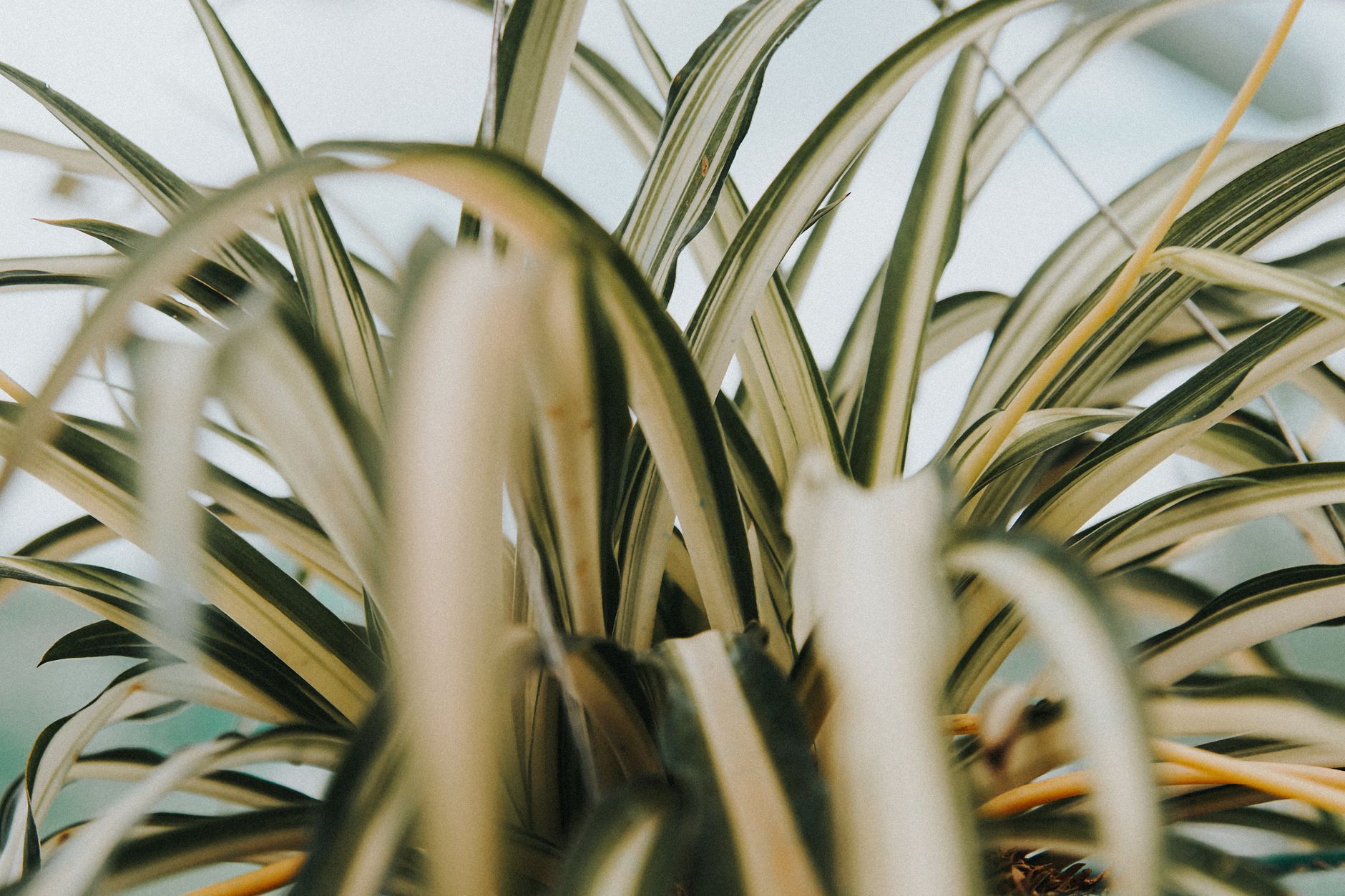
Pothos grows well in bright indirect light and can handle lower light better than many trailing plants. Spider plant adapts to homes and offices with moderate light, and its arching leaves keep looking clean even when your attention wanders for a week.
Peace lily is not the driest plant on the list, but it does communicate clearly by drooping before long-term damage sets in. That visible signal helps you read the plant itself rather than following a rigid watering schedule that ignores humidity, container drainage, and room temperature.
Check the pot before you reach for the watering can. A dry top inch can be normal for drought-tolerant houseplants, but a damp, cool mix means the roots still have enough moisture.
Overwatering Causes More Trouble Than Dry Soil
Roots need air spaces in the growing mix, and water fills those spaces fast. Once that happens, root cells struggle to exchange oxygen, and the plant begins to stall, yellow, or drop leaves even though the soil looks cared for.
That is why low maintenance plants often fail in well-meaning hands. The problem is not lack of attention; it is too much attention in the wrong form, so a simple wait-and-check habit works better than a fixed calendar.
A better routine starts with matching each plant’s thirst and brightness to the room it actually lives in.
Choosing Houseplants By Light And Water Needs

A dim hallway and a sunny south window call for different plants, full stop. Matching the plant to the space keeps growth steady and makes your routine simpler, because the plant does not spend energy fighting the conditions around it.
Grouping plants by watering needs helps even more. A pothos beside a peace lily can work, but a snake plant beside a thirsty fern creates mixed signals, and mixed signals lead to either dry roots or soggy roots.
Use Light As The First Filter
Low-light plants belong in low-light rooms, not as a compromise for sun lovers. Bright indirect light suits many easy care indoor plants, while direct sun can scorch tender leaves on a windowsill that turns hot by noon.
That simple filter saves time later. A plant placed for its light range grows with less stress, and stress is what brings on leaf drop, weak stems, and the slow decline that sends a plant to the trash can.
Group By Moisture Demand
A watering schedule gets simpler when every plant in the cluster wants the same pace. Cactus and succulents can live with longer dry intervals, while pothos and spider plants prefer a bit more regular moisture.
Grouping also helps humidity management. A bathroom fern, a shelf pothos, and a dry-window snake plant each behaves differently, so splitting them by need keeps your care notes short and your chances of overwatering much lower.
Read Leaves And Soil Instead Of The Calendar
Leaf texture tells you more than a date on the phone. Firm leaves and slightly dry soil usually mean you can wait, while limp growth, pale color, or soil that pulls from the pot edge can mean the plant needs water soon.
The best plants for beginners teach this lesson quickly. You stop watering by habit and start watering by evidence, which is how you keep houseplants that need little care healthy without turning your shelf into a chore list.
Once those needs are clear, it becomes easier to spot outdoor plants that handle neglect without complaint.
Outdoor Plants That Thrive With Less Attention
Sun, airflow, and well-drained soil shape outdoor success more than fertilizer ever will. Many low maintenance outdoor plants grow best where rain drains away fast and the roots do not sit in mud after a summer storm.
That is why some landscape beds stay easy while others never settle down. Climate-appropriate plants root faster, ask for less rescue watering, and recover from heat with fewer bruised leaves or burned tips.
Succulents And Sedums Store Water Well
Succulents keep moisture in leaves or stems, which helps them ride through dry stretches. Sedums do the same thing in a wider range of forms, from low groundcovers to upright clumps that brighten a border.
Those water reserves are a built-in survival tool, but they still need drainage. A pot or bed that stays wet turns a drought-tolerant plant into a stressed plant, so gravelly soil and container drainage matter as much as sunlight.
Sun Lovers That Ask For Little After Establishment
Lantana, Russian sage, black-eyed Susan, and rosemary all fit the low-work category in the right climate. They like full sun, and once roots settle in, they need far less handholding than tender annuals that ask for constant replanting.
You get the easiest outdoor routine by placing these plants in a spot that drains well after rain. A plant with wet feet in heavy clay will need repeated rescue care, while the same plant in looser soil can settle into a simple rhythm.
Climate Match Beats Extra Care
Heat zone and winter cold shape survival more than wishful thinking. A plant that suits your region spends less energy on survival and more on new growth, which means fewer replacements and fewer problem spots in the yard.
That principle shows up in the work of extension programs nationwide, including the University of Florida IFAS, because plant choice affects water use, timing, and long-term upkeep. Once that fit is right, the next step is keeping care light instead of fussy.
Good plant fits reduce extra watering, and the easiest care comes from habits that avoid overdoing it.
Simple Habits That Keep Care Light

Mulch, drip lines, and a lean feeding plan can do more for a yard than a shelf full of sprays and bottles. The goal is steady moisture and clean growth, not constant intervention.
A little structure saves time. You set the soil up to hold moisture, then you let roots do their job, which is how low maintenance plants stay low maintenance after the first season.
Use Mulch To Hold Moisture
Two to three inches of mulch slows evaporation and softens temperature swings at the soil surface. That means less watering during hot spells and fewer crusty patches that shed water instead of soaking it in.
Wood chips, shredded bark, and pine needles all work in different settings. Keep mulch a few inches away from trunks and stems so the crown stays dry and the base does not trap moisture.
Let Drip Irrigation Work Slowly
Drip irrigation sends water to the root zone at a slow pace, which reduces runoff and keeps leaves drier than overhead watering. That matters during heat waves, because water that hits the soil has a better chance of reaching roots before it evaporates.
For a patio bed or vegetable border, a simple timer can keep the routine steady without overdoing it. You still need to check the soil now and then, but the system does the heavy lifting.
Feed Lightly And Clean Up Occasionally
A light feeding schedule is enough for many easy-care plants, especially indoors. Too much fertilizer pushes weak, floppy growth, and too much nitrogen can leave foliage soft instead of sturdy.
Remove yellow leaves, spent blooms, and broken stems as you see them. That small cleanup improves airflow, cuts down on clutter in pots and borders, and keeps the plant focused on healthy growth rather than old material.
Even with easy plants, small routines keep maintenance low while helping every pot and border stay tidy.
Use fertilizer as a season tool, not a weekly habit. A slow, modest feeding plan keeps growth controlled and reduces the need for constant trimming.
Building A Reliable Mix For Home And Garden
Start with a small set of plants that match the light and soil you already have. A shelf with a snake plant and pothos, plus a sunny bed with sedum and black-eyed Susan, gives you a dependable base without forcing a complicated routine.
You can expand after you see what survives easily in your space. That approach works better than filling every corner at once, because the plants that settle fastest show you what your home and climate can support.
Begin Small And Add Slowly
Three or four beginner-friendly plants tell you a lot. You learn which window dries fastest, which pot holds water too long, and which outdoor spots bake under afternoon sun.
From there, you can add Peace Lily for a brighter interior spot or rosemary for a dry border that drains well. That slow build keeps mistakes small and lets your routine stay calm.
Mix Indoor And Outdoor Choices With The Same Logic
The same rules guide both spaces. Bright indirect light, partial shade, well-draining soil, and a simple watering schedule make plant care feel consistent from one room to the next.
A cohesive setup also helps your memory. A snake plant by the desk, a pothos on a cabinet, and sedum outside the door all share the same low-drama style, so your daily habits stay easy to repeat.
Let Your Habits Set The Standard
The best setup is the one that fits your actual habits, not the one that sounds ideal in a store aisle. A plant you can check once a week will serve you better than a beautiful plant that needs a misting routine you never keep.
That is the real promise of low maintenance plants. They fit the life you already have, and when that match is right, the garden and the house both stay greener with less work.
That balance matters most when you choose plants for the way you actually live every day.
Bottom Line
Choose plants that fit your light, soil, and climate, then keep the routine simple. Snake plants, ZZ plants, pothos, spider plants, succulents, and sedums make that easier because they tolerate ordinary care and forgive small lapses without turning your space into a full-time project.
FAQ
What are the easiest low maintenance plants to grow indoors?
Snake plant, ZZ plant, pothos, and spider plant are the safest starting points. They handle bright indirect light or lower light, and they recover better from missed watering than fussier houseplants.
Which outdoor plants need the least care?
Succulents, sedums, lavender in dry climates, rosemary, lantana, black-eyed Susan, and Russian sage all ask for less attention once established. They do best in full sun with well-draining soil.
How often should low maintenance plants be watered?
There is no fixed schedule that fits every plant. Check the soil with your finger, then water only after the top layer dries enough for the plant in front of you.
Do low maintenance plants need direct sunlight?
Not all of them. Many easy care indoor plants prefer bright indirect light, while several outdoor choices want full sun; the plant tag or species needs should guide the placement.
What plants survive with little watering?
Snake plants, ZZ plants, aloe vera, many succulents, and sedums handle dry spells well because they store water in leaves or roots. They still need drainage, though, so wet soil can undo that advantage.
Are low maintenance plants good for beginners?
Yes, because they give you a wider margin for small mistakes. You still need to match the plant to light and moisture, but the learning curve stays gentler than with high-demand varieties.