

Keeping rabbits out of a garden usually comes down to two things, barrier height and how well the bottom edge stays put. The right pick depends on whether you need a tidy border around flower beds, a broader perimeter for vegetables, or a lighter netting roll that blends into plantings. Some of these options feel more decorative, while others lean hard into coverage and layout flexibility.
That mix matters because a backyard with soft soil, raised beds, or winding edging asks for a different setup than a straight run along a fence line. The eight picks below cover compact panels, taller barriers, and roll-out netting, so you can match the material and size to your space without overbuying.
Quick Look At The Shortlist

OUSHENG Decorative Garden Fence 36in x 10ft
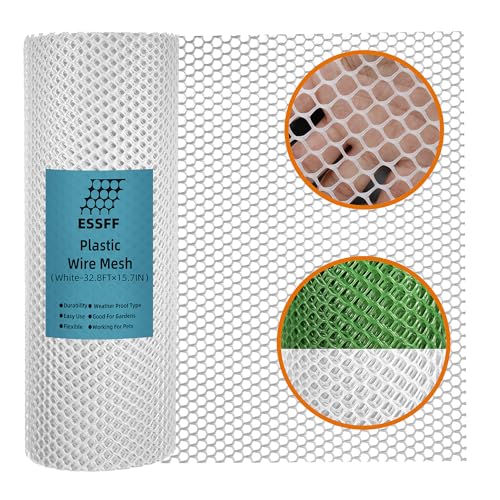
ESSFF Pet & Garden Safeguard Roll 15.7in x 32.8ft

HIHADUUM 20ft x 13in Animal Barrier Fence, 14 Panels
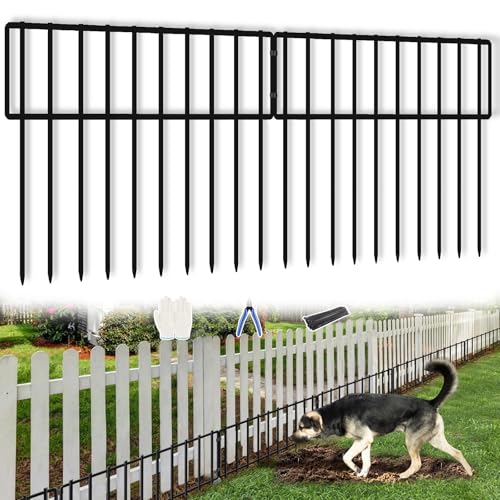
KYATE 45.33ft x 13in Animal Barrier Fence, 32 Panels

FEED GARDEN Deer Fence Netting 7x100ft

AVELOTUUG 45ft x 13in Animal Barrier Fence, 32 Panels
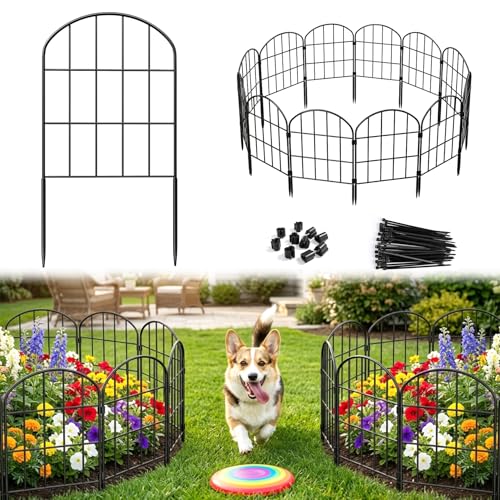
Ticanros Decorative Garden Fence Panels 24in x 11ft

CHTSJQW Decorative Garden Fence 26 Pack 22in x 28ft
More Details On Our Top Picks
Gardeners who want a barrier that also looks finished will notice the appeal here right away. The 36-inch height gives you more visual presence than the shorter panel sets in this list, and the 10-panel layout works well along a patio edge or around a planting bed. The arched shape leans decorative, so it suits front-yard spaces and tidier backyards.
The trade-off is straightforward, it takes up more visual space than low border fencing. That makes it a better fit for boundary definition than for discreet, nearly invisible containment, and the smaller packaged size suggests easier storage than some longer-run choices.
What We Like
- 36-inch height gives a stronger vertical line around beds.
- Ten-panel layout helps you shape a neat border.
- Arched metal look suits landscaped yards and patios.
- Rust-resistant framing is easier to live with outdoors.
Points To Note
- Its decorative profile stands out more than plain mesh.
- The 10-panel format fits moderate runs better than very long perimeters.
- Metal edging usually asks for occasional checking after seasonal weather.
Feature Snapshot
Who It Suits Best
You’ll get the most from this around decorative beds, patio borders, and neat yard edges where appearance matters as much as spacing.
A Better Fit Elsewhere
AVELOTUUG 45ft x 13in Animal Barrier Fence, 32 Panels suits gardeners who want more ground coverage and a lower profile than the OUSHENG set.
A roll format changes the game for long or awkward garden edges, because you can cut and place it across spaces that panel fencing handles less gracefully. The white plastic netting is lighter in appearance than the metal picks above, so it blends better where you want a softer visual line. It also gives you one long span instead of a set number of rigid sections.
The honest read is that flexible netting suits layout control more than heavy visual structure. For poultry areas, rabbit runs, or broad perimeter use, that flexibility helps, though it won’t feel as solid or decorative as the metal-border options.
Best Bits
- 32.8-foot roll covers long runs with fewer breaks.
- Plastic netting keeps the look light in planted spaces.
- Works across several enclosure and garden layouts.
- Roll format stores more neatly than large panel stacks.
Softer Spots
- It reads more utilitarian than decorative metal fencing.
- Roll fencing often needs careful anchoring along the bottom edge.
- Soft material can feel less rigid in open stretches.
Core Details
Who Will Love This
You’re the best match for this roll if your garden needs flexible coverage across longer edges, mixed pet areas, or irregular shapes.
Another Choice May Suit
Ticanros Decorative Garden Fence Panels 24in x 11ft is the cleaner fit for you if you want a taller, more structured border around smaller beds.
This panel set sits in a useful middle zone, taller than the shortest border fence but still low enough to keep a garden line looking open. The 14-panel layout should suit beds, border runs, and spots where you want a low visual wall rather than a tall enclosure. For most backyards, that balance makes setup feel less fussy than longer, heavier kits.
Compared with OUSHENG’s decorative arched fence, this one looks more utilitarian and less formal. That can be a plus in side yards or vegetable plots, though the lower height means it’s better for shaping edges than for making a statement.
Highlights
- Low 13-inch height keeps sightlines open.
- Fourteen panels give you a flexible border line.
- Metal build should suit outdoor wear better than soft mesh.
- Works well for beds that need light edging support.
Things To Consider
- Thirteen inches is modest for more determined digging areas.
- The look is plain compared with arched decorative fencing.
- Panel joints may need occasional rechecking after repositioning.
Quick Facts
Perfect Match For
You’ll appreciate this most around small garden edges, short bed runs, and places where you want structure without a tall visual barrier.
Where A Sibling Pick Shines
KYATE 45.33ft x 13in Animal Barrier Fence, 32 Panels fits larger perimeter work better than the HIHADUUM set.
Length is the headline here, and that’s what makes this one stand out for broader garden perimeters. At 45.33 feet long with 32 panels, it gives you more room to shape a substantial border without piecing together multiple short kits. The 13-inch height keeps the look restrained, which helps along lawns and patio edges.
Compared with HIHADUUM’s 20-foot set, this is the better fit for larger spaces that need a continuous run. The longer layout can mean more planning during installation, though, especially around curves or uneven ground.
Reasons To Buy
- Long 45.33-foot reach covers wide borders well.
- Thirty-two panels help you adapt the line to corners.
- Low height keeps the border from feeling bulky.
- Rustproof metal should hold up well outdoors.
Small Caveats
- The longer run takes more time to lay out cleanly.
- Thirteen inches is modest for taller containment needs.
- Large panel counts can be less convenient to store.
Technical Sheet
Whose Shelf It Belongs On
You should look here for larger yards, longer bed runs, and perimeter edging that needs real coverage without adding much height.
Look Elsewhere When
OUSHENG Decorative Garden Fence 36in x 10ft is the smarter match for you if style and taller presence matter more than span.
Netting like this serves a different job from the metal border sets above, because the emphasis is coverage rather than a hard architectural edge. The 7 by 100 foot size gives you a large span for planting rows, orchard sections, or broader garden protection, and the fine mesh helps keep the visual footprint light. In a busy kitchen garden, that broad reach can save a lot of patchwork.
The included stakes and zip ties add practical value, since they reduce the number of separate parts you need to source on your own. The trade-off is that netting takes a little more attention at ground level, where loose edges can matter more than they do with fixed panels.
Upsides
- Very long run suits large planting areas.
- Fine mesh is better for small openings.
- Included stakes and ties simplify setup.
- UV protection helps the material suit outdoor use.
Worth Noting
- Netting needs more careful anchoring along the bottom.
- It looks less structured than metal border fencing.
- Large rolls can feel awkward to trim neatly.
Details At A Glance
Built With In Mind
You’re the right fit for this roll if your priority is broad plant coverage across rows, beds, or long garden stretches.
Swap It Out When
AVELOTUUG 45ft x 13in Animal Barrier Fence, 32 Panels suits you better when you want a firmer metal border instead of flexible mesh.
This is the kind of fence that makes sense when you want a long edge with a cleaner profile than netting. The 45-foot length and 32 panels give you enough material for wider runs, and the arched decorative shape keeps it from looking too plain. For lawns, beds, and patio borders, that middle ground can feel easier to live with.
Compared with KYATE’s similarly sized set, this one brings the same broad coverage idea with a slightly different decorative lean. The lower height still means it’s more about boundary shaping than tall containment, so it works best where you want to guide movement rather than build a wall.
Positives
- Long run works well around larger borders.
- Arched panels add a softer decorative line.
- Low height keeps the yard view open.
- Metal construction is a sensible outdoor choice.
Areas To Watch
- Longer layouts take more planning around corners.
- Low height won’t suit taller containment needs.
- Decorative shapes still need regular placement checks after storms.
Feature Rundown
The Right Fit
You’ll like this most for long garden edges, patio borders, and areas where the fence should stay low and neat.
Reach For A Different Pick When
CHTSJQW Decorative Garden Fence 26 Pack 22in x 28ft suits you better if you want more vertical presence and a denser section count.
Shorter panel fencing has its place, especially around compact beds where a tall border would feel out of scale. At 24 inches high and 11 feet long, this set works well for sections that need a visible line without taking over the garden view. It sits nicely between the more decorative OUSHENG fence and the lower HIHADUUM panel set.
The ten-panel format helps with shaping a neat outline, though it’s clearly better for smaller runs than large enclosures. That makes it feel easy to place in raised beds, narrow borders, or front-yard planting pockets.
Strong Points
- Twenty-four-inch height adds a clear but modest boundary.
- Ten panels give you simple layout flexibility.
- Metal build suits outdoor border use.
- Compact span is easier to place in smaller gardens.
Room For Improvement
- Eleven feet is better for short runs than broad perimeters.
- The height stays on the modest side for active digging spots.
- Compact sets may need more frequent repositioning on uneven soil.
Core Details
Who Should Grab It
You’re the best match for this if your garden areas are small, tidy, and better suited to a short metal border than a long roll.
Not Your Match When
KYATE 45.33ft x 13in Animal Barrier Fence, 32 Panels is the more practical pick for larger yards and longer fence lines.
This set is built for shaping, not just enclosing, and the 26-panel count gives you more pieces to work with than the shorter kits. At 22 inches high and 28 feet long, it can outline garden beds with a bit more presence while still keeping the look fairly open. The arched form helps it read as decorative rather than purely functional.
Compared with Ticanros, this one gives you more total coverage and a taller profile, which helps in mixed-use yards. The larger panel count can take a little more time to arrange, but that flexibility is useful when your layout has curves or broken edges.
Bright Spots
- Twenty-six panels give you lots of layout options.
- Twenty-two-inch height adds a stronger border presence.
- Arched shape keeps the fence looking polished.
- Rustproof metal suits outdoor edging needs.
Minor Gripes
- More pieces mean a longer setup than short sets.
- It still sits below tall enclosure fencing.
- Large border runs may need careful alignment to stay tidy.
Feature Card
Whose Shelf It Belongs On
You’ll get the most value from this if you want a decorative border with enough material to frame a larger bed or yard section.
Where Another Pick Suits Better
ESSFF Pet & Garden Safeguard Roll 15.7in x 32.8ft is the easier choice when you need a long flexible line rather than segmented panels.
How To Choose The Right Fences For Keeping Rabbits Out Of Garden
Start With Height And Bottom Control
Rabbit barriers live or die on the bottom edge, because a neat top line means little when the base leaves room to squeeze under. Taller panels help with visibility and presence, but a lower fence with better ground contact can still serve a small bed well. The better choice depends on whether your biggest issue is nibbling at the edge, shallow digging, or both.
Mesh rolls and segmented panels solve that problem in different ways. Roll fencing bends more easily around curves, while rigid sections hold shape and create a cleaner border. In soft soil, the piece that stays anchored best often matters more than the one with the prettiest profile.
Match The Material To The Job
Metal fencing usually brings more structure, which helps along lawns, patios, and permanent beds. Plastic netting is lighter and easier to blend into planting areas, but it asks for more attention during fastening and trimming. A border that looks tidy on day one can drift out of line fast without the right material for the space.
For decorative front yards, coated metal feels more polished. For broader vegetable areas, netting can be the more sensible tool because it covers more ground with less visual weight. The honest read is that you’re choosing between structure and flexibility more than between good and bad.
Think About Layout, Storage, And Maintenance
Panel counts matter more than many shoppers expect. More panels usually mean more shaping options, yet they also mean more joints to align and more pieces to store. Short kits are simpler, while long runs help when you want to handle a larger perimeter in one go.
Storage matters too, especially for seasonal gardens. Metal sections stack differently from rolls, and both will be easier to manage when you have a dry spot for off-season storage. A setup you can reset quickly is worth a lot when you change planting beds from year to year.
Choose For The Space You Actually Have
Small beds call for compact sets like the Ticanros or OUSHENG fence, while broader runs suit KYATE, AVELOTUUG, or the FEED GARDEN roll. Mixed-use yards often benefit from a softer border in the front and a longer run in the back. That split approach can feel less forced than trying to make one fence do everything.
Ground conditions also shape the choice. Uneven soil, tight corners, and raised borders all reward different lengths and heights, so measure the run before you commit. Once the size and layout are clear, the rest of the decision gets much easier.
Things Worth Knowing First
Wrong Turns To Avoid
One common mistake is choosing a fence by height alone and ignoring how well it anchors at the bottom. Another is buying a short decorative set for a long perimeter, then ending up with gaps or awkward overlaps. It helps to map the actual run before you settle on a material or panel count.
People also overlook storage and seasonal handling. A large panel stack can be awkward in a small shed, while a long roll can be harder to trim neatly than it first looks. Matching the format to your space keeps the setup from becoming a second chore.
The Upgrade Payoff
Higher-tier fence sets usually spend the extra money on more material, more panels, or a more polished finish. That matters when you need longer coverage, a neater decorative edge, or a shape that follows curves without looking improvised. In practical terms, you’re often paying for easier layout and a cleaner result.
The upgrade makes the most sense for larger gardens, front-yard beds, or spaces where the fence stays visible all season. Smaller plots can do well with simpler kits, but broader runs tend to reward the extra flexibility. The nicer-looking option also tends to feel more settled once it’s in place.
Frequently Asked Questions
How tall should rabbit fencing be in a garden?
Taller fencing helps create more presence, but the bottom edge matters just as much. For low beds, a 22 to 36 inch range often gives a better balance of visibility and coverage.
Are panel fences better than netting?
Panel fences usually look sturdier and more decorative, while netting gives you more flexible coverage across long runs. Your yard layout usually decides which one feels easier to live with.
Do no-dig fences work in soft soil?
They can, but loose ground makes anchoring more important. Ground stakes, panel alignment, and bottom-edge contact all matter more in softer soil.
What fence style works best around vegetable beds?
Long mesh rolls often suit vegetable beds because they cover wide sections without a heavy visual frame. Shorter metal panels work better when you want a neater border around a compact bed.
How do you choose between a short kit and a long one?
Measure the full edge first, then add a little room for corners and curves. Short kits fit tidy spaces, while long runs make more sense for broad borders or larger yards.
Closing Thoughts
The right fence for rabbits depends on how your garden is laid out, not just on height or appearance. Decorative metal panels make sense when the border stays visible, while netting and longer runs fit spaces that need broad coverage with less visual weight. Match the style to the soil, the corners, and the length of the run, and the whole setup feels easier to keep in place. Pick the shape that suits your yard, and the rest becomes much more manageable.
