

Shade spots can be tricky, especially when your porch, patio, or indoor corner gets filtered light and not much else. The right fern brings texture without demanding a lot of visual space, and that matters in homes where every plant needs to pull its weight.
These seven picks cover live plants, spores, and seed options, so you can choose based on patience, setup, and how much hands-on care you want. Some are better for instant impact, while others suit gardeners who enjoy growing from the ground up.
The Shortlist At A Glance

American Plant Exchange Live Foxtail Fern Plant 10" Pot

Nephrolepsis cordifolia ‘Lemon Button Fern’
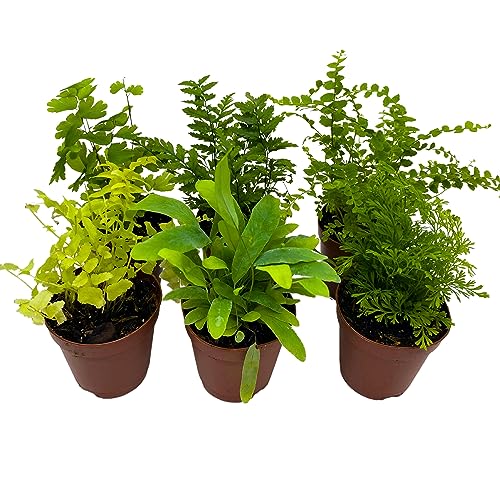
BubbleBlooms Fern Variety Assortment 2 inch Pots


1500 Seeds Western Swordfern Spores Polystichum Munitum #SDF01

American Plant Exchange Holly Fern 6-Inch Pot

Foxtail Fern Seeds (Asparagus Meyerii) 10 Seeds
This foxtail fern leans decorative first, practical second, which suits a front entry, covered patio, or bright indoor corner that needs shape without fuss. The 10-inch pot gives you a fuller starting point than a tiny nursery plug, so the plant reads as a finished accent right away.
Compared with the smaller options later in this list, it feels like the easiest way to get an established look without starting from scratch. The honest read is that a larger live plant asks for steadier watering and more room, but that trade-off usually makes sense for you if visual impact matters more than a slow start.
Strong Points
- 10-inch pot gives you a more substantial starting display.
- Foxtail form adds texture that fits shade-side decor well.
- Works in home, garden, or patio settings without looking delicate.
- Established size helps fill empty corners faster.
Small Caveats
- Larger live plants usually need more consistent watering.
- The fuller form takes more shelf or floor space than compact ferns.
- Indoor placement works best with enough indirect light.
Feature Card
Who Will Love This
You want a ready-to-place fern with a fuller look for a porch, patio, or living area with gentle light.
Where A Sibling Pick Shines
BubbleBlooms Fern Variety Assortment fits you better when you want several smaller plants for a mixed indoor display instead of one larger accent piece.
Small button-style fronds make this fern feel tidy, which is handy on a plant shelf, desk, or kitchen ledge that gets indirect light. Josh’s Frogs positions it as easy to care for, and that lines up well with you wanting a lower-drama indoor plant rather than something that needs constant attention.
The listing also notes a live arrival window tied to temperature, so shipping conditions matter more here than with a potted plant from the first pick. You may find it best suited to plant owners who already understand the basics of evenly moist soil, since that keeps the look compact and healthy over time.
What We Like
- Compact button fronds fit smaller indoor surfaces neatly.
- Indirect light guidance simplifies placement in real homes.
- Easy-care positioning lowers the learning curve for new plant owners.
- Temperature-aware arrival guidance shows a more careful shipping setup.
Things To Consider
- Even moisture matters, so drying out between waterings can become a problem.
- Shipping depends on temperature limits, which adds a timing constraint.
- Small-scale growth is tidy, but it won’t fill a large planter quickly.
Details At A Glance
Right Fit For
You want a compact fern for indoor shade and you do not mind a steady watering routine.
Swap It Out When
American Plant Exchange Live Foxtail Fern Plant suits you better when you want a larger, already-presented plant for an entryway or patio.
This assortment is the most flexible-looking option in the lineup, because you get multiple live ferns in small 2-inch pots rather than a single specimen. That makes it useful for windowsills, grouped planters, or a layered indoor shelf where one plant alone can feel a little lonely.
Because the plants are hand-selected and shipped in nursery containers, the appeal sits in curation and presentation more than raw size. The trade-off shows up in patience, since tiny plants need time before they look like the fuller options such as American Plant Exchange Holly Fern.
Reasons To Buy
- Six-plant assortment gives you variety in one order.
- Small pots make it easy to stage multiple spots at once.
- Indoor decorative use suits bright, indirect light rooms.
- Natural variation gives each plant a slightly different character.
- Works well for gifting or for building a grouped display.
Areas To Watch
- Two-inch pots are tiny, so the display starts small.
- Grouped plant care can become a little more involved than caring for one pot.
- Visible size growth takes time, which may not suit instant-decor plans.
Core Details
Whose Shelf It Belongs On
You enjoy a mixed plant display and want several small fern starts rather than one larger centerpiece.
Look Elsewhere When
American Plant Exchange Live Foxtail Fern Plant fits you better when you want one fuller plant that looks finished on day one.
This one is all about simplicity: a bird’s nest fern in a 4-inch pot, grown for medium light to shade with moderately moist soil. That size makes it easy to tuck onto a shelf, plant stand, or desk without taking over the room.
Compared with the foxtail and holly options, it feels more compact and more personal, almost like a small green anchor point in a busy corner. You may find the modest pot size useful for apartment living, though the smaller footprint also means you’ll want to stay on top of watering and repotting.
Highlights
- 4-inch pot fits tight spaces easily.
- Medium light to shade guidance broadens placement options.
- Moderately moist soil fits a steady, manageable routine.
- Small size works well for desks and side tables.
Points To Note
- Smaller pots dry faster than larger containers.
- Limited size means it serves as an accent more than a focal plant.
- Regular upkeep matters more in warm indoor rooms.
Quick Facts
Best Suited To
You want a small fern for a compact indoor spot with filtered light.
Another Choice May Suit
BubbleBlooms Fern Variety Assortment fits you better when you want several small plants to style across a shelf or windowsill.
This is the long-game option in the group, because spores ask for patience in a way potted plants never do. The payoff is obvious for gardeners who enjoy starting from the beginning and want a Western swordfern, also known as giant holly fern, with a more involved growing process.
Shade or part shade, average soil and water, and a mature height around 3 to 4 feet make it better suited to a planned landscape space than a quick indoor accent. The honest read is that this is not the easiest path, but it rewards you with a stronger sense of progression if growing from spores is part of the fun.
Best Bits
- Large spore count gives you plenty to work with.
- Suited to shade and part shade outdoor planting.
- Mature height supports a full landscape feel.
- Good fit for gardeners who like starting from seed-stage material.
Minor Gripes
- Spore growing takes far more patience than buying a live plant.
- Outdoor timing matters, so weather planning becomes part of the process.
- Results depend on careful handling, which is less convenient for casual decorating.
Technical Sheet
Built With In Mind
You already enjoy propagation and want a fern project for a shaded outdoor bed or container setup.
Skip It When
American Plant Exchange Holly Fern suits you better when you want a live shade plant with far less waiting.
The holly fern earns its spot by staying versatile without looking plain, which makes it a good bridge between indoor decor and outdoor shade planting. A 6-inch pot is a sensible middle ground, larger than the bird’s nest fern but easier to place than the foxtail fern in a tighter setup.
American Plant Exchange also frames it as easy care, and that matters for anyone who wants green structure without a high-maintenance routine. You may find it especially useful in a mixed patio arrangement, though the trade-off is that a mid-size fern can still need regular moisture to stay crisp-looking.
Positives
- 6-inch pot gives you a usable middle size for many spaces.
- Shade-loving foliage suits covered patios and indoor corners.
- Versatile placement makes staging easier across rooms and outdoor spots.
- Easy-care positioning lowers the upkeep burden.
- Green texture pairs well with other shade plants in grouped containers.
Softer Spots
- Mid-size pots still need routine watering attention.
- Versatile placement is helpful, though it does not replace proper light.
- It can feel less dramatic than the fuller foxtail fern.
Feature Rundown
The Right Fit
You want a middle-size live fern that fits both shade garden use and indoor display without much drama.
Reach For A Different Pick When
American Plant Exchange Live Foxtail Fern Plant suits you better if you want a fuller-looking accent with more immediate visual presence.
This seed packet is for you if the joy is in the process as much as the plant itself. Asparagus Meyerii, often called plume asparagus, is described here as a perennial fern or fern-like ornamental for foliage and container shade gardens, so the use case is clearly more hands-on than the live plant options above.
Ten seeds is a modest starting point, and that suits a small patio project or a container experiment where you want to control the pace. The trade-off is obvious: seeds demand more waiting and attention than the live foxtail or holly fern, but they reward gardeners who like a slow build.
Bright Spots
- Seed format gives you a low-profile way to start a project.
- Container garden use suits compact outdoor spaces.
- Foliage-focused growth matches shade-oriented planting plans.
- Perennial nature makes it appealing for a longer-term garden idea.
Worth Noting
- Seeds need more patience than a live nursery plant.
- Early care matters, so consistent attention is part of the routine.
- The fern-like label means you should keep expectations tied to foliage rather than a flashy bloom display.
Core Details
Who Should Grab It
You like starting ornamental plants from seed and want a container-friendly shade project with a slower timeline.
A Better Fit Elsewhere
Nephrolepsis cordifolia ‘Lemon Button Fern’ suits you better when you want an easier indoor fern with more immediate structure.
How To Choose The Right Ferns For Shade
Match Light To Placement
Shade does not always mean the same thing in every home or yard. Medium light near a north-facing window is different from deep patio shade, and that difference matters more than most people expect.
Bird’s Nest Fern and Lemon Button Fern suit gentler indoor light, while the holly fern and foxtail fern cope better with broader placement options. For a covered porch, a fuller live plant usually feels easier to style than tiny starts that disappear in the corner.
Choose Your Starting Point
Live plants give you shape right away, which is helpful for decor and quick coverage. Seeds and spores ask for patience, but they also give you more involvement and a slower, hands-on grow cycle.
That trade-off matters most in busy households. A potted fern is simpler for everyday upkeep, while spores like the Western Swordfern packet suit you better when the gardening process itself is the point.
Think About Size And Maintenance
Small pots are easier to place, but they dry out faster and need closer attention. Larger containers hold moisture longer and usually look more complete from day one, though they take up more room.
BubbleBlooms is useful for a layered indoor display, while American Plant Exchange Live Foxtail Fern Plant works better as a single statement piece. The right choice comes down to whether you want one focal plant or a group you can spread around a space.
Plan For Your Level Of Patience
Some shade fern options reward consistency more than skill. Even moisture, filtered light, and stable placement go a long way.
That means you do not need a complicated setup, just a realistic one. The simpler your routine, the more sense a live plant makes over seeds or spores.
Things Worth Knowing First
Common Shopping Slip Ups
Many fern shoppers focus on appearance and forget the container size. A 2-inch pot or a small seed packet can look charming online, then feel underwhelming in a living room that needs presence.
Another common miss is ignoring light. Shade plants still need the right kind of shade, and a plant marked for indirect light usually behaves better in bright indoor rooms than in a dim hallway.
What The Higher Tier Buys
Higher-priced fern options usually reflect size, plant maturity, or the work involved in preparation. A live, well-shaped plant generally costs more than seeds because it has already passed through more growing time and handling.
That can be worth it for entryways, gifting, or rooms where you want immediate visual balance. Seeds and spores make more sense when you care more about process and less about instant form.
Frequently Asked Questions
Which fern handles indoor shade best?
Nephrolepsis cordifolia ‘Lemon Button Fern’ fits indoor shade well because it likes indirect light and stays compact. Bird’s Nest Fern also works nicely in softer light, especially on shelves or tables.
Which option is easiest for beginners?
American Plant Exchange Holly Fern is the simplest live-plant choice in this list because it is framed as easy care and flexible in placement. The Lemon Button Fern also suits a beginner who can keep soil evenly moist.
Are seeds or spores a good shade choice?
Yes, but only for someone who enjoys patience and a slower process. The Western Swordfern spores and Foxtail Fern Seeds both fit that kind of project better than a ready-grown plant.
Which pick works best for a small space?
Bird’s Nest Fern is the most compact live plant here because it comes in a 4-inch pot. BubbleBlooms also suits small spaces when you want several mini plants instead of one large accent.
Which one looks most finished out of the box?
American Plant Exchange Live Foxtail Fern Plant looks the most complete right away because it arrives in a 10-inch pot. The holly fern is a close second for a more modest, versatile display.
Closing Thoughts
The best fern for shade is the one that matches your space, your patience, and your watering habits. For instant structure, go with a live plant like the foxtail or holly fern. For a smaller indoor shelf, the Lemon Button Fern or Bird’s Nest Fern makes a cleaner fit. For gardeners who enjoy the process, spores and seeds bring a slower kind of satisfaction that still belongs in a shaded corner. Pick the one that fits your rhythm, and the rest gets easier.
