

Bird of paradise plants can look dramatic, but their feeding needs stay fairly practical. You want a fertilizer that matches your setup, whether that’s a bright apartment corner, a patio pot, or a larger tropical display with room to spread. The right formula helps you avoid guesswork, especially when you’re balancing leaf growth, flowering, and container care. That’s where this shortlist earns its place.
The Shortlist At A Glance
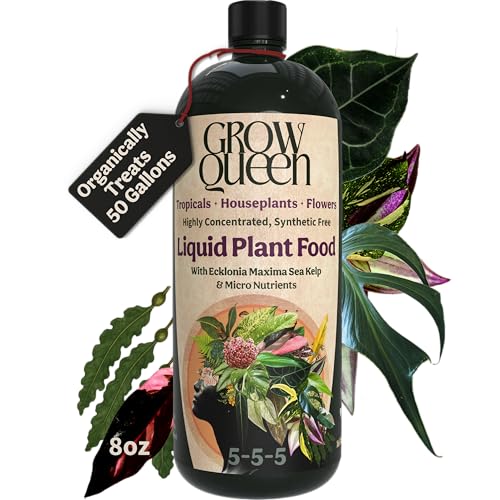
Grow Queen Organic Liquid Indoor Plant Food 5-5-5 with Sea Kelp 8oz

TPS Nutrients Hibiscus Fertilizer Liquid Plant Food 8 oz

Miracle-Gro Organic Plant Food 32 fl. oz.

TPS Nutrients Bird of Paradise Fertilizer Liquid Plant Food 8 oz

Eco Solutions Slow Release Lawn Fertilizer 25-5-10 NPK 20kg

TPS Nutrients Tropical Plant Fertilizer Liquid Plant Food 8 oz

Cute Farms Indoor Potted Exotic Flower & Tropical Plant Fertilizer
More Details On Our Top Picks
Grow Queen keeps this one broad enough for a mixed indoor plant shelf, which matters in a home where the bird of paradise shares space with other tropicals. The 5-5-5 blend gives you an even nutrient profile, and the sea kelp adds a more specialized tropical-leaning angle without making the formula feel narrow.
The compact 8 oz bottle suits smaller homes, travel-heavy routines, or anyone who prefers not to store a big jug under the sink. Compared with the more targeted TPS Nutrients options later in this list, this pick is less specific but easier to fold into everyday plant care.
What We Like
- Balanced 5-5-5 ratio supports steady, general feeding.
- Sea kelp gives the formula a tropical-plant fit.
- Small bottle is easy to store on a shelf.
- Works well for homes with several indoor plant types.
Points To Note
- Broad formula is less specialized than a bird-of-paradise-specific pick.
- 8 oz size may feel modest for large collections.
Feature Snapshot
Who It Suits Best
You benefit most from this pick when your bird of paradise shares care time with a wider indoor plant mix and you want one bottle to handle the job.
A Better Fit Elsewhere
TPS Nutrients Bird of Paradise Fertilizer suits you better when you want a more targeted formula for the plant itself rather than a general tropical blend.
Flowering tropical plants tend to respond best to feeds that stay focused on blooms, and this TPS Nutrients option leans that way more than the general-purpose Grow Queen bottle above. The small 8 oz format keeps it easy to handle in a balcony pot setup, though the tighter focus means it makes less sense as a one-bottle cure-all.
For bird of paradise care, that flower-first angle matters most when your plant is mature enough to bloom and you want cleaner feeding habits. You may find it better suited to potted tropicals than to a scattered houseplant shelf.
Reasons To Buy
- Built around bloom support, which suits flowering tropicals.
- Liquid format makes routine mixing straightforward.
- Compact bottle works well for tight storage spaces.
- Flower-color support gives it a clear purpose.
- Fits both potted and outdoor plant setups.
Small Caveats
- Less flexible than a general indoor plant fertilizer.
- Small bottle size may not suit frequent feeders.
- Flower-focused feeding can feel narrow for mixed collections.
Core Details
Made For
You’ll like this most when your bird of paradise is already flowering or close to it and you want a feeding plan built around blooms.
Swap It Out When
Grow Queen Organic Liquid Indoor Plant Food fits better for you when you want a gentler all-purpose bottle that can cover more than one tropical plant type.
This bottle leans toward households that feed plants regularly and want one larger container to cover more than a single pot. Compared with the smaller 8 oz options from TPS Nutrients, the 32 fl. oz. size makes more sense for plant-heavy spaces, container gardens, or anyone who dislikes running out mid-season.
The organic liquid format keeps the routine familiar, and the indoor-or-outdoor wording gives it a wider job description than the more specialized hibiscus and bird-of-paradise formulas. The honest read is that broad versatility helps, but it also means you’re not getting a highly targeted tropical recipe.
Highlights
- Larger bottle suits frequent feeding routines.
- Works indoors and outdoors, which adds flexibility.
- Organic liquid format is easy to mix into care schedules.
- Container and in-ground use broadens the setup options.
Areas To Watch
- General formula is less specialized than tropical-focused picks.
- Bulkier size takes more storage space than 8 oz bottles.
At A Glance
Right Fit For
You benefit most from this pick when your plant care stretches across several pots or garden beds and you want one organic liquid to cover both.
Where Another Pick Suits Better
TPS Nutrients Bird of Paradise Fertilizer fits more neatly for a single tropical specimen that needs a more specific feeding plan.
This is the most direct match in the roundup for a bird of paradise plant, and that focus shows in the formula’s lean toward larger leaves and flowering support. Compared with the broader Grow Queen and Miracle-Gro bottles, it speaks more clearly to a tropical plant owner who wants the feed to feel tailored instead of general.
The 8 oz bottle keeps storage simple, which helps in apartments, sunrooms, or smaller patios where gardening supplies tend to pile up fast. One thing worth considering, though, is that a specialized formula only pays off when your main goal is care for this exact plant type.
Best Bits
- Designed specifically for bird of paradise plants.
- Kelp and micronutrients give it a tropical-leaning profile.
- Indoor and outdoor use adds flexibility.
- Small bottle stores neatly near other supplies.
- Monthly-feeding positioning simplifies routine planning.
Honest Caveats
- Specialized focus makes it less useful for mixed plant collections.
- Small size may not stretch far in larger gardens.
- Monthly feeding still depends on your plant’s pace and light.
Details At A Glance
Whose Shelf It Belongs On
You’ll get the most from this pick when your main priority is feeding a bird of paradise and you want a formula built around that plant’s habits.
Look Elsewhere When
Grow Queen Organic Liquid Indoor Plant Food makes more sense for you when your plant shelf includes several species and you want a broader all-purpose bottle.
This one sits outside the tropical indoor lane and speaks to a much broader outdoor feeding job. The 25-5-10 analysis and slow-release format point toward long-gap lawn care, so it belongs here mainly as a reminder that bird of paradise feeding does not need to borrow from lawn products.
Large yards and people who prefer fewer feeding cycles may appreciate the 110-day claim, though the bag size clearly makes it a storage commitment. Compared with the small liquid bottles above, it is useful for volume, but not a natural match for potted bird of paradise care.
Positives
- Slow-release format reduces how often you need to reapply.
- Large 20kg bag suits broad outdoor coverage.
- High nitrogen share supports dense green growth in lawns.
Minor Gripes
- Built for lawns, not tropical container plants.
- Large bag requires dry storage space.
- More product than most bird of paradise homes need.
Quick Facts
The Right Fit
You suit this pick only when your priority is a large lawn and long intervals between applications, not tropical potted care.
A Better Fit Elsewhere
TPS Nutrients Bird of Paradise Fertilizer is the more sensible match for you when the plant in question is a bird of paradise in a pot or indoor corner.
This TPS Nutrients bottle takes the same tropical-leaning approach as the bird-of-paradise version, but the focus shifts toward general lush growth and new leaves. That makes it handy for mixed tropical corners, especially when your plant shelf includes philodendrons, monstera, or other foliage-first plants alongside a bird of paradise.
Compared with the hibiscus formula, this one is less about blooms and more about growth structure, so the trade-off is a little less flower emphasis. The compact 8 oz size still keeps it easy to store and rotate into a normal weekly routine.
Standout Traits
- Tropical focus suits foliage-heavy plant collections.
- Kelp and micronutrients add a more complete liquid profile.
- Encourages new leaves, which helps active growers.
- Indoor and outdoor use widen the placement options.
Room For Improvement
- Less targeted than the bird-of-paradise-specific TPS formula.
- Leaf-growth emphasis may not satisfy bloom-first goals.
- Small bottle can run out quickly in larger homes.
Feature Rundown
Made For
You fit this pick best when your tropical collection needs support for leaf growth more than flower output.
Skip It When
TPS Nutrients Bird of Paradise Fertilizer makes more sense if your main plant is a mature bird of paradise and you want a more exact match.
Cute Farms leans into a gentle, weekly rhythm, which makes sense for smaller potted tropicals that do better with consistency than heavy feeding. The three-bottle format gives you a little breathing room for storage and rotation, and it feels friendlier for apartment growers than the larger lawn bag or bulkier all-purpose bottle.
Compared with the more specialized TPS bird-of-paradise formula, this one is broader and less exact, but it may suit a mixed indoor display better. For most busy plant shelves, that softer weekly pace is a comfort rather than a drawback.
Upsides
- Gentle weekly routine is easy to remember.
- Three bottles give you practical storage flexibility.
- Works well for exotic flowers and tropical houseplants.
- Good fit for smaller potted setups indoors.
Things To Consider
- Less targeted than a bird-of-paradise-specific formula.
- Weekly use may feel frequent for casual gardeners.
- Spray bottles add a bit of handling compared with pour bottles.
Core Details
Perfect Match For
You fit this pick best when your tropical plants live indoors in smaller pots and you want a gentle routine that stays easy to track.
Another Choice May Suit
TPS Nutrients Bird of Paradise Fertilizer fits better for you when the plant is a single bird of paradise and you want a tighter formula match.
How To Choose The Right Fertilisers For Bird Of Paradise
Match The Feed To The Plant’s Job
Bird of paradise care gets easier once you decide whether your goal is steady foliage, better bloom support, or simple general feeding. A balanced liquid like Grow Queen makes sense for mixed plant shelves, while TPS Nutrients Bird of Paradise Fertilizer gives you a tighter tropical focus. The best match is the one that fits the plant’s role in your home, not just the plant name on the label.
Container plants usually need a more controllable formula than outdoor beds because potting mix can dry out and flush nutrients faster. That makes liquid feeds handy for balcony pots, sunrooms, and bright indoor corners where you want a clean routine without hauling around a heavy bag.
Think About Form And Storage
Liquid fertilizer suits most bird of paradise setups because it mixes into watering without much effort. Small bottles are easier to store near your watering can, while larger containers make more sense for plant-heavy homes that feed often.
Slow-release granules can be useful in some outdoor situations, but they are a poor fit for an indoor tropical plant that needs closer attention. The trade-off is simple: liquid gives you more control, while larger bulk formats reduce how often you restock.
Look Closely At Nutrient Balance
NPK, which stands for nitrogen, phosphorus, and potassium, tells you how a fertilizer leans. Nitrogen supports leafy growth, phosphorus relates to flowering support, and potassium helps with overall plant function, so the ratio tells you where the formula puts its emphasis.
For bird of paradise, a balanced or tropical-focused liquid usually makes the most sense because the plant can be slow to bloom in ordinary home conditions. A flower-heavy product works better for mature plants that already have strong light and a stable routine.
Choose For Your Real Routine
A weekly spray bottle works well for a careful indoor grower who likes a light, repeatable habit. A monthly liquid feeding plan feels easier for many busy homes, especially when several plants share the same care shelf.
In practice, the right bottle is the one you’ll actually keep using without making a mess or cluttering your storage. That small practical detail often matters more than any single label claim.
Things Worth Knowing First
Traps First Timers Fall Into
One common mistake is choosing a lawn product for a tropical potted plant. Another is picking a bloom-heavy formula for a young bird of paradise that still needs stronger leaves first.
Storage trips people up too, especially with large bottles or bags that crowd a small apartment cabinet. A compact liquid is usually easier to live with than a heavy, long-term supply.
Why Top Tier Costs More
Higher-tier formulas usually add targeted ingredients like kelp, micronutrients, or a more specialized nutrient balance. That extra precision can make sense for a bird of paradise that already sits in strong light and gets regular care.
You pay more for a tighter use case, not just a fancier label. When your plant is a centerpiece and you want a more exact feeding plan, that extra focus can be worth it.
Frequently Asked Questions
How often should you feed a bird of paradise?
Most home setups do well with a steady, moderate routine rather than heavy feeding. The label directions on the product you choose should set the final pace.
Is a liquid fertilizer better than granules?
Liquid fertilizer usually fits bird of paradise care better indoors because it mixes easily and gives you more control. Granules make more sense for larger outdoor spaces than for a single pot.
Should you choose a bloom-focused formula or an all-purpose one?
A bloom-focused formula fits mature plants that already get strong light and regular care. An all-purpose option is easier for mixed plant shelves and less specialized routines.
Do small bottles make sense for bird of paradise plants?
Yes, especially for one or two potted plants. Small bottles are easier to store and keep the feeding routine simple.
Can one fertilizer cover both bird of paradise and other tropical plants?
A broad tropical formula can handle both, especially in a mixed indoor collection. A plant-specific formula is better when the bird of paradise is the main focus.
Final Thoughts
Your best choice depends less on the plant’s dramatic look and more on how you actually care for it. A broad bottle like Grow Queen works well for mixed shelves, TPS Nutrients Bird of Paradise Fertilizer suits a plant-first routine, and Cute Farms makes weekly care feel easy. For a larger outdoor job, the slow-release lawn bag belongs in a different conversation entirely. Choose the formula that matches your space, your schedule, and the kind of growth you want to encourage.
