
Bright corners, a pot with drainage, and an unhurried watering rhythm help these forgiving houseplants thrive with very little fuss. Missed weeks usually cause less trouble than soggy soil, so they’re a solid fit for busy homes and new plant owners.
This overview covers the best beginner-friendly indoor plants for dim corners, sunny windows, and everything between, with care tips for anyone who wants greenery that won’t demand constant attention.
What Makes a Houseplant Easy to Keep Alive
A forgiving plant gives you room to learn without punishing every mistake. Bright to moderate indirect light, a pot with drainage holes, and a potting mix that dries between waterings matter more than a strict schedule, because indoor roots fail fast in wet soil.
Overwatering is one of the most common causes of houseplant trouble, and the University of Florida IFAS Extension has long flagged it as a major issue. Root hairs need oxygen as well as water, so saturated mix crowds out air and slows nutrient uptake. That’s why low-care houseplants usually fail from too much attention, not too little.
Light That Fits Real Homes
Most easy-care houseplants want bright indirect light, such as the glow near an east window or a few feet back from a south-facing pane. Harsh midday sun can scorch thin leaves, while deep shade slows growth until the plant looks stalled.
A plant that tolerates medium light gives you more placement options in apartments, offices, and rooms that never get direct rays. That flexibility matters more than flower count or glossy leaves, because your light level sets the ceiling for long-term health. Next comes the watering routine, where most mistakes start.
Watering That Leaves Room For Error
Soil texture tells you more than the calendar. A finger test down 1 to 2 inches gives a better signal than a fixed watering schedule, because room heat, pot size, and humidity change drying time from week to week.
Overwatering drives yellow leaves, soft stems, and a sour smell near the roots. Letting the top layer dry first gives the root zone oxygen, which is the quiet reason hard-to-kill houseplants stay upright while fussy ones decline after a few well-meant pours.
That same resilience matters even more when a room never gets much sun, where a few dependable plants can still settle in.
The Most Reliable Picks for Low-Light Rooms
That balance of light and restraint shows up fastest in dim corners, where Snake Plant and ZZ Plant hold water in thick tissues and handle missed watering without collapsing. Pothos and philodendrons add speed, stretching toward available light and filling a shelf with vines faster than slow growers can.
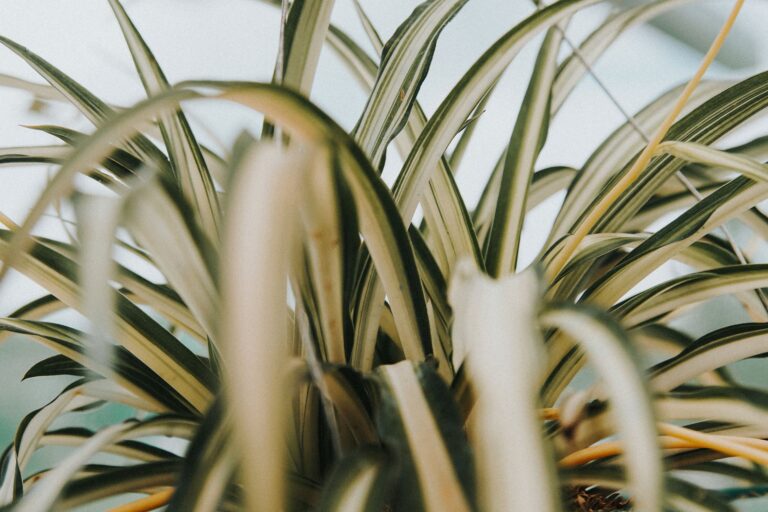
Spider plant belongs here too. The Royal Horticultural Society notes that it is easy to grow and propagate, which suits a beginner who wants a plant that recovers after a rough patch. Its plantlets root quickly in water or mix, so one healthy plant can become three.
Snake Plant And ZZ Plant
Thick leaves and underground rhizomes let Snake Plant, also called Sansevieria or Dracaena trifasciata in current plant naming, store water for long stretches. That structure slows moisture loss, so you can wait for the pot to dry almost fully before watering again.
ZZ Plant, or Zamioculcas zamiifolia, uses swollen underground stems called rhizomes. Those rhizomes hold water and starch, which is why the plant keeps its shape in low-light indoor plants settings where other foliage would sulk.
Pothos And Philodendrons
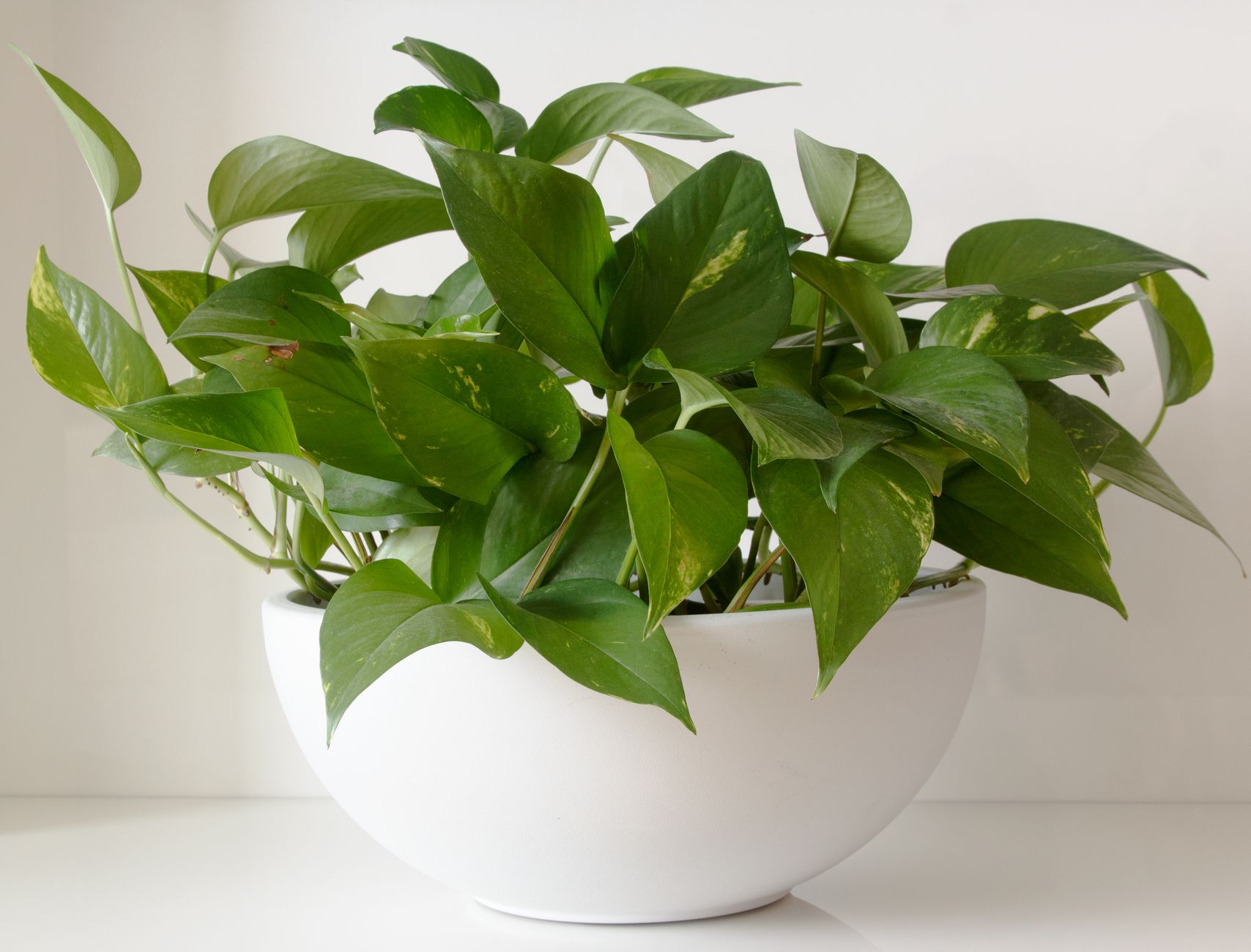
Pothos earns its place because it tolerates a wide range of indoor light and rebounds fast after pruning. A trailing stem can turn a bare bookcase into a green line in a few months, which is useful when you want visible growth without constant fuss.
Heartleaf philodendron behaves in a similar way, though it likes a little more moisture than pothos. Both plants adapt to hanging baskets, high shelves, and office corners, which makes them practical easy indoor plants for shared spaces.
Spider Plant For Quick Success
Spider plant sends out arching leaves and little plantlets on long stems. Those plantlets are ready-made starts, so you can root them in a small glass of water or pin them into soil and watch new growth form around the edge.
This plant forgives missed care better than many striped-leaf options, and it also tells you a lot through its leaves. Brown tips can point to mineral-heavy water, while limp growth often signals a pot that has outgrown its space. That brings you to plants that speak even louder when they need attention.
Watering clues become far easier to trust when the leaves and stems start sending their own warnings.
Plants That Tell You When They Need Water
Peace lilies stand out because they droop in a dramatic, readable way before watering. The leaves fold and fall with a tired look, then lift after a drink, which gives you a clear signal that your timing is right. That feedback builds confidence fast.
Peace lily is a useful training plant for indoor plants for beginners because the plant shows stress before the damage gets severe. A missed day rarely ends the story, and that visible response helps you link soil feel to plant behavior instead of guessing from a calendar.
Peace Lily As A Watering Signal
A peace lily needs moist, not soggy, soil, and it reacts fast to dryness in a warm room. The droop comes from loss of turgor pressure, the internal water pressure that keeps leaf cells firm and upright.
That mechanism matters because it gives you a real-time cue. After a few cycles, you start reading the plant’s posture rather than the date, which is a better habit than chasing a watering schedule that ignores room heat and pot size.
Signs That Still Need A Cooler Head
Some easy-care houseplants stay calm longer, so a droop is not the only signal. Pothos and snake plants can look fine while the soil still feels damp, which is why leaf color, stem firmness, and pot weight matter together.
Peace lily offers the clearest lesson, but tolerance helps in shared offices and weekend homes. A plant that stays steady through a missed watering gives you breathing room, while a plant that signals thirst teaches you how the cycle works. Bright spots need a different kind of judgment.
Even a thirsty plant can only tell you so much, because light often decides how quickly the pot dries out.
Where Bright Light Still Matters
Succulents such as aloe vera need brighter exposure than most easy-care plants because their leaves are built for storage, not shade. Thin light makes them stretch, which creates long gaps between leaves and a weak, leaning shape that never looks stable.
Well-draining potting mix matters just as much. Aloe vera and other succulents hate sitting wet, so gritty soil, clay pots, and fast drainage protect the roots from staying damp after each watering. That rule also helps jade plants and haworthias on sunny windowsills.
Aloe Vera And Similar Sun Lovers
Aloe vera suits a south- or west-facing window where the plant gets several hours of bright light. A desk beside a sunny pane works well, as long as the leaves do not press against hot glass.
These plants do best when the top half of the pot dries fully before the next watering. Their thick leaves hold moisture, so the plant uses a slow rhythm rather than frequent sips, which is very different from a peace lily or pothos.
Drainage And Pot Choice
Drainage holes are not optional for succulents. Water trapped under the root ball creates a wet pocket that lingers far longer than the surface suggests, and that hidden moisture is where rot starts.
Clay pots help because porous walls let some water evaporate through the sides. Pair that with a cactus mix or a similar well-draining potting mix, and you get a setup that matches the plant’s desert habits far better than a general-purpose blend.
That kind of tailored setup keeps problems from starting, especially when watering and drainage work together.
Tip: A sunny windowsill is only useful when the pot can dry at the same pace as the light warms it. A heavy container with no drainage hole turns that bright spot into a swamp.
Simple Care Habits That Prevent Most Problems
A quick soil check beats a fixed day on the calendar. Press a finger into the top layer, lift the pot to judge weight, and water only after the mix has lost most of its surface moisture. That habit cuts down on overwatering, which remains the most common indoor plant mistake.
Room conditions change the care plan. Heat vents, low humidity, and repotting into a larger container all alter how fast soil dries. A plant near a radiator may need water sooner than the same plant across the room, and a dense root ball can drink a pot dry faster than fresh mix can.
Read The Room, Not The Label
Plant tags give a starting point, but your room sets the real pace. A north-facing office, a bathroom with higher humidity, and a kitchen with warm air all push watering in different directions.
That is why the right placement beats rescue work later. A plant matched to light and moisture from day one has a far better chance of staying healthy than one shoved into a dim shelf and blamed for slow growth.
Small Adjustments That Pay Off
- Use drainage holes, so excess water leaves the pot instead of pooling around roots.
- Shift by window light, because a plant can dry faster on a sunny sill than in a back corner.
- Change pot size slowly, since oversized containers hold wet mix too long.
- Trim tired stems, which directs energy into new growth and keeps vines from tangling.
- Watch leaf yellowing, because that often points to wet roots before collapse starts.
Those small changes matter more than fancy fertilizer or repotting gear. A simple plant like pothos or snake plant becomes much easier to manage once the pot, the window, and the watering rhythm all match the room.
When those basics line up, choosing a practical plant becomes less about luck and more about fit.
A Shortlist for Homes, Offices, and Forgetful Waterers
Low-light corners call for snake plant, ZZ plant, pothos, philodendron, and spider plant. Bright windows fit aloe vera, jade, and haworthia. Irregular watering suits snake plant and ZZ plant best, while peace lily gives the clearest thirst signal and spider plant gives you the easiest backup starts.
You can sort easy indoor plants by the kind of care you actually give, not the kind you hope to give. Fast growers reward regular attention, drought-tolerant plants forgive lapses, and signal plants train your eye. The best match is the one that fits your room, your light, and your routine, not the trend with the prettiest tag.
A short list only helps once those choices are weighed against real living conditions and daily habits.
Note: The best beginner plant is the one that matches your window, your work hours, and your habits. A modest pothos in the right corner outperforms a dramatic plant in the wrong one.
Putting It Together
Your success with easy indoor plants comes down to fit, not luck. Match the plant to the light you have, let soil dry at the top before watering, and choose a pot that drains well. A snake plant in a dim office, a peace lily near a bright doorway, or aloe vera on a sunny sill each succeeds for a different reason.
FAQ
What are the easiest indoor plants to care for?
Snake plant, ZZ plant, pothos, spider plant, and peace lily sit near the top because they handle ordinary indoor light and forgive small mistakes. Each of these low-maintenance houseplants gives you a clear path from beginner habits to steady growth.
Which indoor plants need the least light?
Snake plant and ZZ plant handle the lowest light among the common choices, followed by pothos and heartleaf philodendron. A dim room still needs some daylight, but these low-light indoor plants cope better than sun-loving succulents.
How often should I water easy indoor plants?
Water by soil feel, not by a fixed day. Check the top 1 to 2 inches, then water only after it feels dry for most leafy plants, and let succulents dry further between drinks.
What houseplants are hardest to kill?
Snake plant, ZZ plant, pothos, and spider plant have the strongest reputation for resilience. They handle missed waterings, indirect light, and ordinary room changes better than fussy tropical species.
How do I know if my indoor plant is getting too much water?
Leaf yellowing, soft stems, a musty soil smell, and a pot that stays heavy for days all point to excess moisture. Cut back watering, improve drainage, and let the mix dry farther before the next drink.