
Easy plants to grow for beginners are plants that keep going through missed waterings, uneven light, and a bit of neglect without crashing fast. Pothos, snake plant, and ZZ plant fit that pattern well, and they do best in plain potting mix with drainage holes and a steadier routine than a strict schedule.
Here’s a simple way to choose the right plant for a new room, a busy home, or a first-time setup. It covers indoor picks, a few outdoor options, and the light-and-water rules that matter most.
The Traits That Make A Plant Easy
Root health is the real test, because a forgiving plant can wait through short dry spells without sulking. That matters when your week gets messy, since a sturdy plant gives you time between waterings instead of punishing a delay.
Missed Waterings Do Not Turn Into Fast Decline
Thick stems, fleshy roots, and slow growth help a plant ride out dry soil. ZZ plant stores water in rhizomes, and snake plant holds moisture in its leaves, so both can stay dry longer than a fern or calathea.
That drought tolerance is a big reason easy plants to grow for beginners stay popular in apartments, offices, and rooms that don’t get daily attention. The plant stays steady while you learn what your home actually asks for.
Light Range Matters More Than Perfect Sun
A forgiving plant doesn’t need a bright south window to survive. Pothos and snake plant both handle lower light, while a sunny sill can still suit them if the glare isn’t harsh and the soil doesn’t dry into dust too fast.
Light changes growth speed, leaf color, and how often you water. A plant in brighter light uses moisture faster, so your routine has to shift with the room instead of staying fixed on a calendar.
Drainage Keeps The Root Zone Stable
Well-draining soil gives roots room to breathe, and that matters because roots need oxygen as much as water. A pot with drainage holes lets extra moisture escape, which lowers the chance of soggy media turning sour.
Use a potting mix that feels loose, not sticky. Heavy soil holds water around the roots too long, and that’s where many beginner plants start to slip.
RHS guidance on container planting has long stressed drainage for a reason, and the same logic applies indoors. Once you choose that base, the plants themselves become much easier to judge.
That same foundation makes the easier indoor choices stand out for good reason.
Houseplants That Earn Their Reputation
Three houseplants show up again and again because they tolerate ordinary mistakes without dramatic fallout. Each one handles a different part of the beginner problem, so your choice can match the room rather than fight it.
Pothos Handles Flexible Indoor Conditions
Pothos is a vining aroid with waxy leaves that hold up through dry spells and mixed light. It grows well in hanging baskets, on shelves, or trained along a pole, and it roots from cuttings in water or soil with very little fuss.
A pothos gives clear feedback without being needy. Leaves that fade or droop tell you the spot is too dim or too dry, and a trim at the stem node keeps the plant full instead of stringy. Monstera deliciosa is related, but it asks for more room, more light, and more patience.
Snake Plant Survives Low Light And Sparse Water
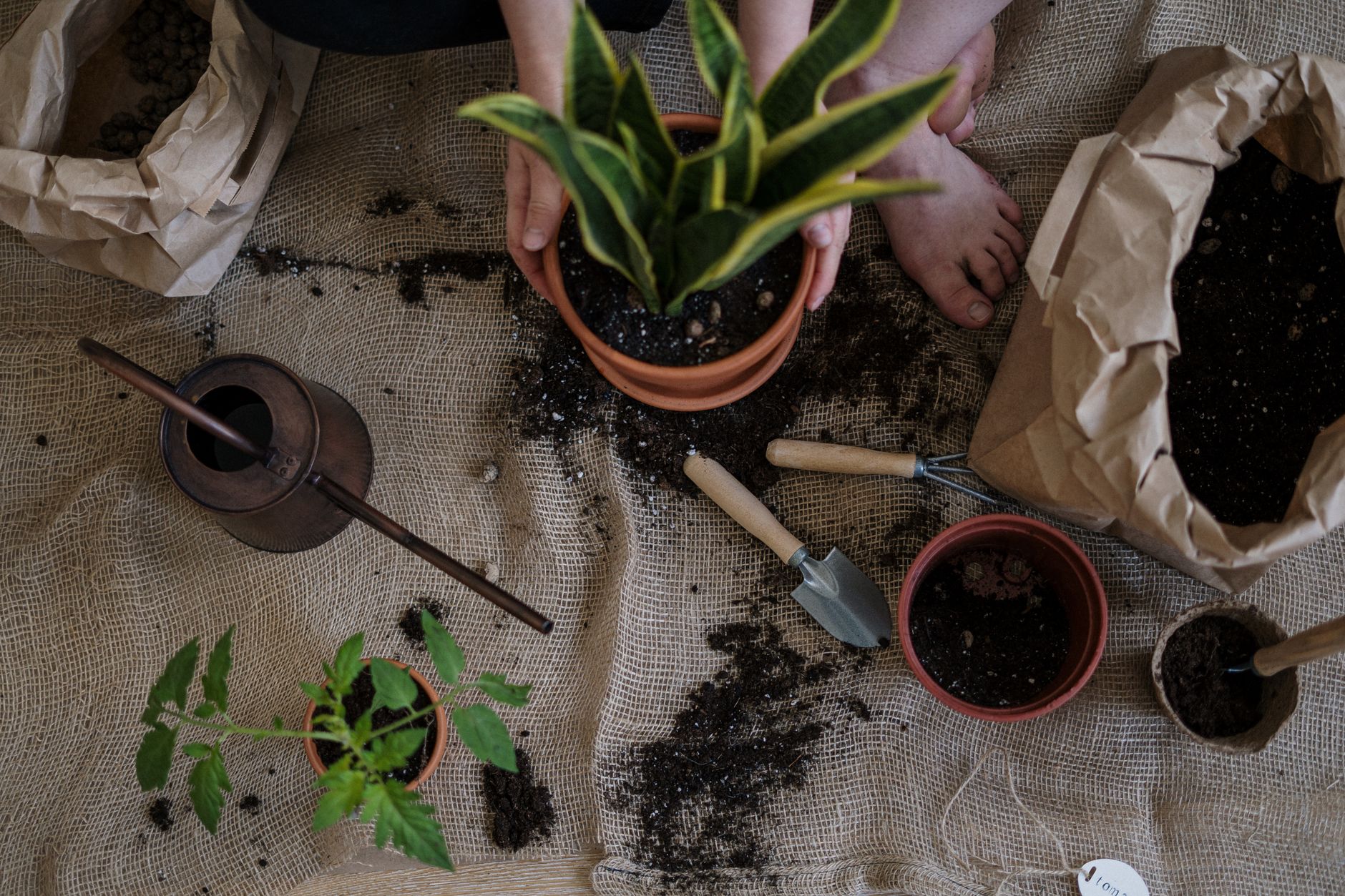
Snake plant, also called Dracaena trifasciata, stores moisture in upright leaves and grows at a slow pace. That structure means you can miss a watering round for a while and the plant will still look presentable.
NASA’s older indoor plant work made snake plant famous, but the practical reason it stays on beginner lists is simpler: it tolerates a dim corner better than most foliage plants. It also dislikes sitting wet, so the safest move is to let the mix dry well before watering again.
ZZ Plant Keeps Going Through Dry Indoor Air
ZZ plant, or Zamioculcas zamiifolia, has underground rhizomes that store water the way a pantry stores dry goods. That hidden reserve gives it drought tolerance that suits heated homes, offices, and rooms where humidity runs low in winter.
The leaves are glossy because they limit water loss, not because they need extra misting. Skip the mist bottle, use a loose mix, and give it a small pot until roots fill the space. That approach keeps the plant compact and steady, which is exactly what you want at the start.
A steady start often matters more than an impressive label on the pot.
Reliable Picks For Softer Light And Busy Schedules
Past the toughest first choices, softer-light rooms need different plants. A windowsill with bright morning light and a hall table under indirect light each call for a plant with its own tolerance for water and shade.
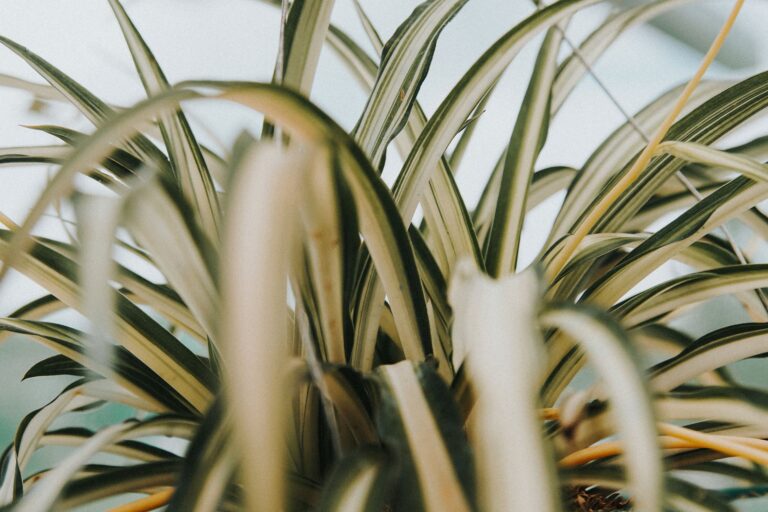
Spider Plant Fills Space And Makes Plantlets
Spider plant sends out arching leaves and small plantlets on long stems, so you get both a display plant and easy propagation material. Those plantlets root fast in water or moist mix, which gives you a cheap way to expand your collection.
The plant likes bright, indirect light and steady, not soggy, moisture. Brown tips usually point to mineral-heavy tap water, dry air, or fertilizer buildup, and a plain rinse-through with cleaner water can help the root zone reset.
Peace Lily Shows Water Stress Clearly
Peace lily looks dramatic in a good way, but it also gives a visible water cue by drooping when the soil runs dry. That signal helps you learn timing without guessing, especially in a room that dries faster than you expect.
Its broad leaves move that much because thin cell walls lose turgor pressure as water drops, so the whole plant slumps before damage sets in. A deep watering restores firmness within hours, and that quick rebound teaches you more than a wall calendar ever could.
Your Room Decides The Winner
The same plant can feel forgiving in one room and fussy in another. A pothos near a north window may stay fine, while a peace lily in the same spot can need water less often but still flower less.
Your schedule matters just as much as your sunlight. A plant that matches your routine will look stable, while one that fights your room can turn every watering round into guesswork. That is the real dividing line among beginner-friendly houseplants.
Cause and effect show up quickly once those conditions stop matching the room.
Simple Care Habits That Prevent Most Problems
Repeated care errors kill faster than one missed day. Small habits, done with attention, keep the soil, roots, and leaves in a range the plant can handle.
Check Soil Before Watering
- Use a finger test. Push down an inch or two and water only after the mix feels dry below the surface.
- Lift the pot. A lighter pot often means the root zone has dried enough for another round.
- Watch the leaves. Soft droop in a peace lily or curling in a snake plant can point to thirst.
- Skip fixed dates. Heat, pot size, and light change the timing far more than the calendar does.
This habit matters because water use changes with season, room temperature, and airflow. A plant under a ceiling vent dries faster than the same plant on a cool shelf, so your eyes beat a rigid routine every time.
Keep The Root Zone Draining Freely
Soil that stays wet for days invites trouble because fine roots need oxygen to work well. A cactus mix, orchid bark blend, or a standard potting mix cut with perlite gives more air space than dense garden soil.
That extra pore space also helps during repotting. Root balls can slide out cleanly, and new roots can spread into the fresh mix instead of sitting in a compacted plug that stays wet for too long.
Choose the pot for the plant, not for the shelf. A pretty container without drainage holes can trap water and turn an easy plant into a chronic problem.
Match The Plant To The Job The Room Can Do
A low-light species should not be placed in a bright, hot window just because the spot is open. Snake plant handles shade better than most, while succulents need the brighter position that a north-facing room cannot give them.
The plant and the room have to share the same load. That pairing is what separates hardy plants for beginners from plants that merely look simple in the store.
The same contrast helps explain why some supposedly easy plants still frustrate newcomers.
Where Succulents Fit In A Beginner Collection
Succulents can be excellent starter plants, but only in the right light. They’re not plug-in décor for dark corners; they’re compact, sun-driven plants that stay neat when the room gives them enough brightness.
Bright Light Keeps Them Compact
Echeveria, jade plant, and haworthia stay tighter and healthier in strong light because their leaves don’t stretch as much. In weaker light, the stems elongate and the rosettes loosen, which is a sign the plant is searching for sun.
The physics is simple: less light means less fuel for photosynthesis, so growth slows and shape changes. A sunny windowsill or bright patio can work well, but a dim bathroom can leave succulents thin and awkward.
Rot Starts With Too Much Moisture
Succulent roots sit close to the surface and need air movement around them. Overwatering fills those spaces with water, and the tissue can soften before the leaves show much trouble.
That is why a gritty, fast-draining mix matters so much here. A terracotta pot can help the media dry more evenly, and a small container is safer than an oversized one that stays damp after each watering.
Sun Should Lead The Choice
Beginners who have a bright window or a sheltered outdoor ledge can handle succulents well. Beginners who rely on shade tolerance should start elsewhere and add these later, after the room’s light has proved itself.
That same logic applies outdoors, where hardiness and exposure shape success. The USDA Plant Hardiness Zone Map helps with cold tolerance, but sunlight and drainage still decide whether a plant looks compact or stretched.
Even with that guidance, a few forgiving plants are ideal for building confidence.
| Plant | Light Need | Watering Pattern |
|---|---|---|
| Pothos | Low to bright indirect | Let the top layer dry before watering |
| Snake Plant | Low light to bright indirect | Water sparingly after full drying |
| ZZ Plant | Low to medium light | Deep drought tolerance, then dry again |
| Spider Plant | Bright indirect | Even moisture without soggy soil |
| Succulents | Bright light | Infrequent water, fast drying mix |
Starting Small With Confident First Wins
A small collection teaches faster than a crowded shelf. One pothos and one snake plant give you two different moisture patterns, and that contrast tells you far more about your room than six plants with the same needs.
Begin With One Or Two Hardy Plants
Start with plants that forgive the kind of oversight you already know your schedule has. A pothos for the brighter corner and a ZZ plant for the lower-light side make a sensible pair because each handles a different kind of ordinary home condition.
That same starter logic works outside, too. Hardy plants for beginners should match your local light, summer heat, frost dates, and wind exposure before anything else.
Use Plantlets And Cuttings To Expand Slowly
Spider plant plantlets root quickly in water or damp mix, and pothos cuttings root from a node in a clear glass on a windowsill. Those small wins help you learn propagation without spending much or crowding a shelf too soon.
Repotting should wait until roots circle the pot or poke through the drainage holes. Moving a plant too early often leaves too much wet mix around the roots, which slows growth instead of helping it.
Leave Room For Outdoor Picks
Easy outdoor plants to grow depend on your zone, frost dates, and how much sun the bed gets through the day. Marigold, zinnia, sedum, and rosemary each ask for different light and drainage, so the plant tag matters more than a generic label.
For warm patios, basil and coleus can give quick color and texture, while lavender needs sharper drainage and stronger sun. Once you see how the indoor plants respond, the outdoor side of your space starts making more sense.
Those early wins make the difference between guessing and gardening with intent.
Wrap Up
The best starter plant is the one that matches your light, your watering habit, and the amount of attention you can give without stress. Choose a plant with drainage, a room it can live in, and a pace you can keep, and the whole setup gets easier fast.
FAQ
What is the most beginner-friendly plant to grow?
Pothos handles mixed light, rebounds from missed waterings, and roots from cuttings with little trouble, which makes it a favorite starter plant. Snake plant is close behind for darker rooms with a slow schedule.
What is the easiest plant for beginners?
Snake plant tolerates low light and dry soil better than many common foliage plants, so indoor beginners often find it the easiest choice. ZZ plant is another strong pick if your room stays on the dim side.
What plants should a beginner grow first?
Start with one or two hardy houseplants such as pothos, snake plant, ZZ plant, or spider plant. Those choices teach watering, light reading, and repotting without asking for perfect timing.
What is the 70/30 rule for gardening?
In simple gardening terms, about 70 percent of your effort goes to plant basics and 30 percent to extras such as pruning, feeding, or display. For beginners, that often means focusing on light, water, drainage, and placement before anything decorative.
Which plants are easiest to keep alive indoors?
Pothos, snake plant, ZZ plant, spider plant, and peace lily are among the easiest indoor picks because each gives visible cues and tolerates minor care gaps. Your best choice still depends on room light and how often you can water.