
In shallow balconies and sunny patios, plants grown in pots, tubs, or planters can still support healthy growth in tight spaces. The best results come from matching light, pot size, and watering needs to the plant instead of hoping it adapts.
This piece covers plant picks, containers, soil, watering, feeding, and seasonal care for balconies, patios, and windowsills. It’s aimed at anyone filling a tight spot indoors or out and wanting a simpler routine.
Picking Plants That Stay Happy in Pots
Compact choices like succulents, pothos, basil, marigolds, and geraniums are easier to keep steady because they handle missed care better than fussier plants. They also give you color, texture, or edible leaves without taking over the whole pot.
Light matters more than the name on the tag. Jade plants and echeveria want bright light, pothos tolerates medium indoor light, and basil needs strong sun for tight, leafy growth. Pick for the spot first, and the plant list gets much shorter.
Begin With Low-Drift Plants
Herbs such as basil, chives, and mint earn their place because you can harvest them while they keep growing. Succulents store water in thick leaves, so they stay firm even when watering slips. Annual flowers like petunias and zinnias bring steady color for one season and fit neatly into small-space container gardening.
Match Light Before Style
A south-facing ledge can support full-sun plants, while a north-facing window works better for pothos and other shade-tolerant picks. Morning sun is gentler than afternoon sun, which helps protect delicate leaves from scorching at a hot window. That simple light check prevents most placement mistakes.
Choose Plants That Tolerate Some Neglect
Low-maintenance potted plants matter because pots dry out faster than ground beds and recover more slowly from stress. Snake plant, pothos, rosemary, and sedum handle dry spells better than many tropicals. For potted plants for container gardening, that resilience buys breathing room while you learn the space. Next comes the container itself, and it decides how much air and drainage the roots actually get.
That extra breathing room matters only if the pot itself leaves roots space to breathe and drain well.
Containers That Support Healthy Roots
Drainage holes do the real work of moving extra water away from roots, which lowers the risk of rot in crowded potting media. Terra cotta dries faster than glazed ceramic, so it suits succulents and herbs that hate soggy conditions. Self-watering planters can help on a hot patio, but only for plants that can handle steady moisture.
Pot size affects root behavior just as much as shape does. Roots in a tiny pot circle quickly and dry out fast, while oversized containers hold wet mix around a small root ball for too long. The right container gives roots room to grow without turning the root zone into a swamp.
Use Drainage Holes Every Time
Standing water suffocates roots because oxygen moves poorly through saturated mix. Root cells need oxygen for respiration, the same energy process that keeps leaves and stems working. Without that exchange, roots weaken and decay can move into the lower stem.
Match Container Size To Growth Rate
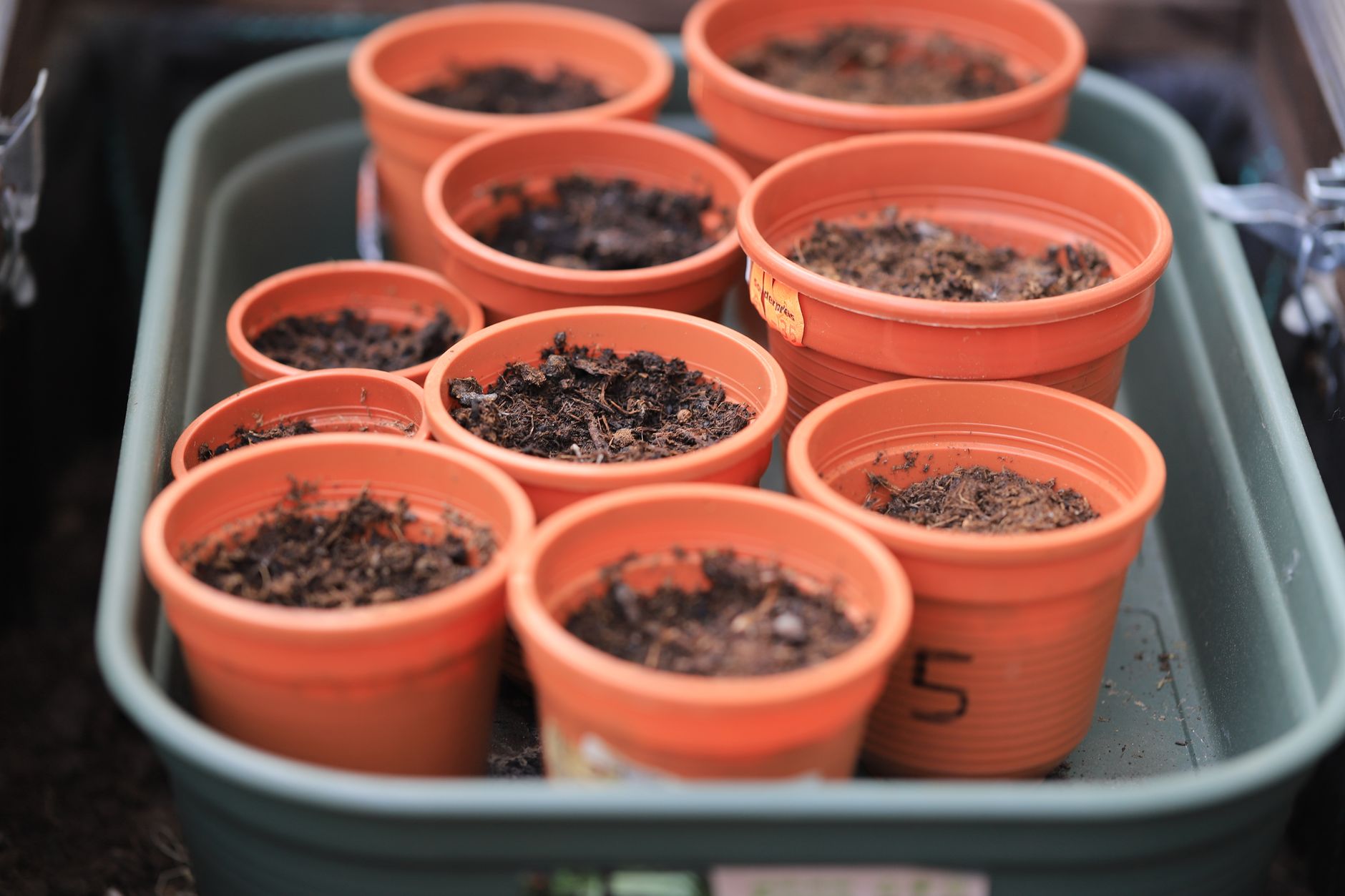
A four-inch nursery pot suits a basil start, but a tomato or shrub-sized herb needs much more room once roots fill the ball. Pots that are too large can hold excess water for days, while pots that are too small force daily watering. The plant settles faster when the vessel fits its stage of growth.
Pick Materials For The Site
Terra cotta breathes, plastic holds moisture, and metal heats up fast in direct sun. A narrow windowsill planter works for chives or thyme, while a 16- to 20-inch patio container gives tomatoes, peppers, or dwarf shrubs more root room. Material choice changes water retention and heat, so the pot itself becomes part of the care plan. That setup only works if the soil drains well enough to use the space you gave it.
Even the best container can fail when the mix holds too much water for crowded roots.
Soil Mixes Built for Container Success
Garden soil is too dense for pots because it packs down and slows drainage. Potting mix stays lighter, holds air around roots, and drains well enough for container plants that need regular watering. Miracle-Gro potting mix is one familiar example on store shelves, but the structure inside the bag matters more than the label.
Roots breathe through tiny spaces in the mix, not through mud. That’s why a peat- or coir-based potting soil with perlite, bark, or pumice works better than backyard dirt. For potted plants for container gardening, air space matters as much as moisture.
Use Potting Mix Rather Than Garden Soil
Potting mix contains ingredients sized for containers, so water moves through instead of pooling at the bottom. Garden soil brings clay, silt, and heavy organic matter that can seal shut in a pot. That difference matters most in small containers, where there’s little room for error.
Adjust Drainage With Extra Ingredients
Perlite, pumice, orchid bark, and coarse sand can shift a mix toward faster drainage or a looser texture. Succulents like a sharper blend with more grit, while ferns and tropicals do better with more moisture-holding material. You can tailor the mix to the plant instead of forcing every pot into the same recipe.
Refresh Old Mix Between Seasons
Container media settles, shrinks, and loses structure after a growing season. Fertilizer salts also build up from repeated feeding, especially in small pots with frequent watering. Replacing part or all of the mix each year gives roots fresher texture and a cleaner start.
Fresh mix helps, but steady moisture and light feeding keep container plants performing through the season.
Rinse a stubborn pot thoroughly before reusing it, then refill it with fresh potting mix. Salt crust on the inside rim is a clue that the old mix has been working hard.
Watering and Feeding Without the Fuss
Small pots dry fast because they hold less moisture and expose more surface area to sun and wind. A six-inch container can swing from wet to bone dry in a single hot afternoon, especially on a patio. That’s why potted plants for container gardening need closer attention than ground beds.
Water should reach the full root zone, not just dampen the top inch. A deep soak followed by full drainage encourages roots to move downward, where moisture lasts longer. Feeding matters too, because each watering can carry nutrients out of the potting mix.
Check Small Pots More Often
Lightweight containers deserve a finger test before each watering. Dry topsoil does not always mean the whole pot is dry, but a pot that feels noticeably light has likely lost much of its stored moisture. Your schedule should change with heat, wind, pot size, and sun exposure.
Water Deeply Then Drain Fully
Pour until water runs from the drainage holes, then empty the saucer after a few minutes. That pattern wets the whole root ball and clears stagnant water from the bottom. Shallow sips teach roots to stay near the surface, which makes heat stress worse on summer days.
Feed On A Steady Rhythm
Container nutrients wash out faster than garden nutrients because water has nowhere else to go. A balanced liquid fertilizer every 2 to 4 weeks works for many annuals and herbs during active growth, while slow-release granules suit longer seasons. You can follow the label on a product such as Miracle-Gro, but dilute liquid feed for tender plants if leaf tips start to brown.
Good care pays off when small spaces start looking intentional instead of merely crowded.
- Check by weight A light pot usually needs water sooner than a heavy one.
- Use room-temperature water Cold water can shock roots in hot weather.
- Feed after watering Moist mix spreads fertilizer more evenly through the root zone.
- Watch leaf edges Brown tips often point to salt buildup or irregular watering.
Small-Space Arrangements With Real Impact
A good patio grouping uses height, texture, and color the way a room uses furniture. Tall rosemary, mounded geraniums, and trailing sweet potato vine create a layered look without crowding the floor. The result feels fuller than one large pot, and each plant gets a better chance at the light it wants.
Windowsills and balconies work well for herbs, compact flowering annuals, and trailing vines because they keep plants close to the places you use them. That closeness matters in daily care. A pot near the door or kitchen sink gets watered faster than one tucked in a far corner.
Group Pots For Patios
Cluster three to five containers with different heights to break up a flat surface. Use one thriller plant, one filler, and one spiller for an arrangement that reads clearly from a few steps away. Patio container gardening ideas work best when the tallest pot sits behind the smaller ones, not in a random line.
Use Narrow Spaces Well
A 24-inch rail planter can hold thyme, parsley, and trailing lobelia without taking over the balcony. Windowsill pots suit chives, compact basil, and small succulents because the root space is limited but the access is excellent. Small space container gardening rewards clean placement more than crowded abundance.
Place Pots For Light And Access
Wind dries pots faster than many people expect, especially on upper-story balconies. A sheltered spot can cut water loss, while a sunny edge suits herbs that need strong light. Put thirsty containers near the hose or watering can, because convenience shapes consistency more than any schedule does.
Convenience often decides daily success, and the same principle keeps pots thriving through changing seasons.
| Spot | Good Plant Types | Key Reason |
|---|---|---|
| South window | Succulents, basil, rosemary | Strong light supports compact growth. |
| Shaded porch | Pothos, ferns, impatiens | Lower light suits leaf-focused growth. |
| Hot patio | Geraniums, marigolds, peppers | Heat-loving plants hold up in full sun. |
| Balcony rail | Chives, thyme, trailing flowers | Narrow planters fit tight spaces well. |
Seasonal Care That Keeps Pots Going Longer
Winter changes the rules for outdoor containers because roots in pots sit above ground and feel cold more quickly than roots in beds. USDA Hardiness Zone maps tell you which outdoor plants can survive local winter lows, and that matters more in a container than in the ground. A plant that survives outdoors in one zone may fail in the same zone once it’s trapped in a pot.
Frost heaves, cold wind, and frozen mix stress containers in ways a backyard bed never sees. Move tender plants to a garage, bright indoor window, or sheltered wall before hard freezes start. Hardiness zone awareness makes the shift from summer growth to winter storage much cleaner.
Check Zone Limits Before Winter
Annuals are meant to finish their cycle in one season, while perennials and shrubs vary widely in cold tolerance. A rosemary plant in a pot may survive a mild winter indoors, yet fail outside in a colder hardiness zone. That mismatch explains why zone labels matter more for containers than for plant tags alone.
Move Tender Pots To Shelter
Raised porches, garage floors, and bright entryways protect roots from harsh freeze-thaw swings. Terra cotta can crack in repeated freezing, so store those pots where they stay dry or move them indoors. A pot with damp mix and freezing nights can split faster than the plant itself fails.
Trim, Rotate, And Repot
Light pruning keeps stems from getting leggy, and rotating pots every week helps plants grow evenly toward the sun. Repot rootbound plants into a container one size larger only after roots circle the bottom or the mix drains too fast. That rhythm keeps everything cleaner and steadier from one season to the next.
Bottom Line
The easiest container plantings start with the right match, not the fanciest plant. Pick species that fit your light, give roots enough room, use potting mix, and stay ahead of drying and winter stress. That simple sequence makes balconies, patios, and windowsills far more forgiving.
FAQ
What are the easiest potted plants to grow?
Succulents, pothos, basil, marigolds, and geraniums are solid starters because they handle container life well and recover from missed care. Their main advantage is flexibility, since each one works in a different light level and still gives you a visible payoff.
How do you choose the right pot for container gardening?
Start with drainage holes, then size the pot to the plant’s root ball and growth rate. Terra cotta helps dry-loving plants, while plastic or glazed containers hold moisture longer for plants that want more even dampness.
How often should potted plants be watered?
Watering depends on pot size, sun, wind, and the plant itself. Small pots may need water every day in hot weather, while larger containers can hold moisture for several days, so the finger test and pot weight tell you more than a calendar.
What plants do well in pots in full sun?
Basil, rosemary, geraniums, marigolds, peppers, and many succulents do well in strong sun. Those plants handle heat and bright light better than shade lovers, which makes them useful for south-facing patios and balconies.
What is the best soil for container plants?
Potting mix is the right choice for most containers because it stays lighter and drains better than garden soil. Add perlite, bark, or pumice for plants that need more airflow and faster drainage, especially succulents and herbs.