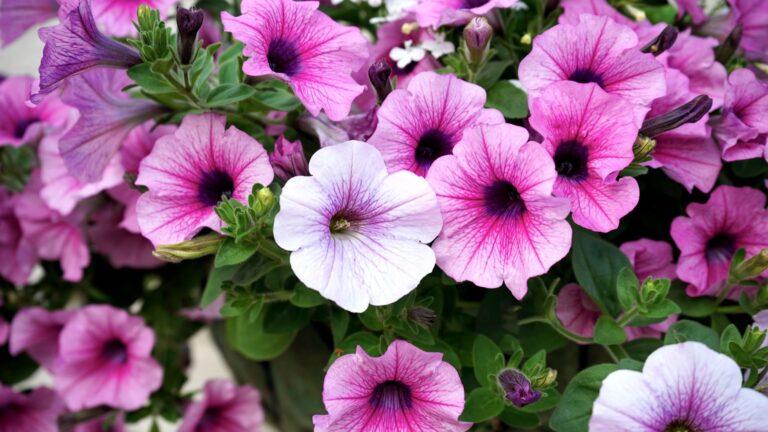
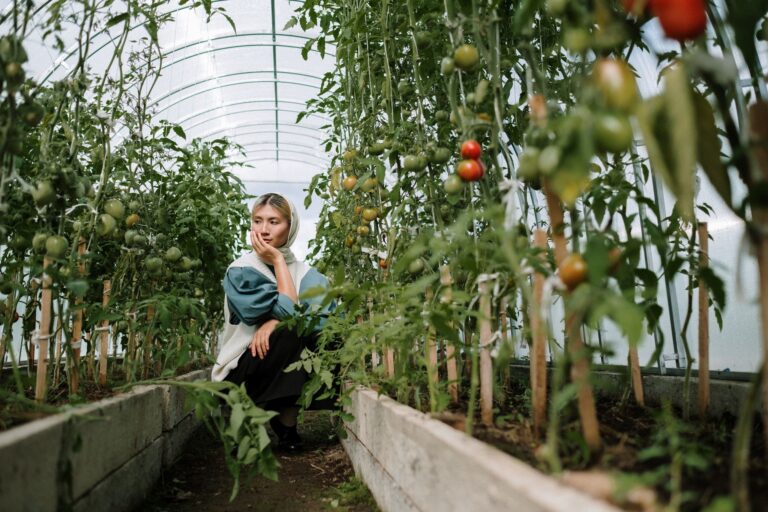
Shallow-rooted plants thrive in beds, borders, and containers with limited soil depth. They grow near the surface, needing light, consistent shallow watering and loose soil. Herbs, leafy greens and many flowering annuals perform well in tight spaces. These plants save space while providing color, flavor and quick harvests. Choose species with roots that stay within a few inches to create a productive shallow garden.
What Counts as a Shallow Rooted Plant
So, what counts as a shallow rooted plant? You’re looking at a plant that keeps most of its roots near the top few inches of soil. That means it often spreads sideways more than it plunges deep. You’ll notice this in many flowers, herbs, and compact garden plants that feel right at home in beds or containers.
Should you’ve ever seen root bound seedlings, you already know how tight root space can get before growth slows. Shallow rooted plants also rely more on surface nutrient uptake, so they gather what they need close to the top layer. That’s why they can seem a little needy, but they’re not fussy, just different. Once you learn their style, you’ll spot them fast and feel more confident caring for them.
Best Soil Mix for Shallow Rooted Plants
A good soil mix can make shallow rooted plants feel right at home, because their roots need steady support near the surface, not a heavy, packed-down bed that shuts them out.
You can build that comfort with loose, well drained soil that still holds a little moisture. Try these soil amendments:
- Compost for gentle nutrients
- Perlite or coarse sand for air space
- Leaf mold for light texture
Mix them into your top layer, and you’ll give roots room to breathe and spread.
Should your bed sits near hard edges, add root barriers so stronger neighbors don’t crowd your plants out.
With the right balance, you’re not just filling a space. You’re making a small, welcoming home where shallow roots can settle in and grow with confidence.
Creeping Thyme for Sunny Edges
Creeping thyme can really light up a sunny edge, and once it settles in, it spills across the ground like a soft green carpet with tiny blooms. You get an aromatic groundcover that feels friendly underfoot and asks for little in return. Its drought tolerance helps you relax whenever rain stays away, so you won’t worry every dry week.
| Feature | Benefit | Use |
|---|---|---|
| Low height | Keeps borders neat | Frame paths |
| Tiny flowers | Adds charm | Invite pollinators |
| Tough roots | Handles heat | Fill bare spots |
You can tuck it along stones, beds, or walls, and it hugs the space with ease. Should you want a border that feels welcoming and low-stress, creeping thyme gives you that easy, shared-garden feeling without making you do all the heavy lifting.
Lettuce and Leafy Greens for Small Beds
Lettuce and leafy greens can fit beautifully into small beds, and they often give you more fresh harvests than you’d expect from such a tight space. You can tuck them into corners, edges, and mixed rows, then keep picking tender leaves as they grow. That steady harvest helps you feel like the bed is really working with you.
- Choose loose, rich soil so roots spread easily.
- Give plants morning sun and afternoon shade for bolting prevention.
- Use microgreens cultivation for quick indoor or tray starts.
Because these greens grow fast, you can sow new patches often and keep your bed full of color and life. Should you’re craving a garden that feels welcoming and easy to manage, these plants make it simple to join in and enjoy fresh bites with confidence.
Fast-Growing Radishes for Shallow Soil
Radishes suit your shallow soil well because they grow fast and don’t need deep space to form crisp roots.
You can plant them in thin beds, then enjoy a harvest in just a few weeks, which makes them a great win whenever you want quick results.
Should your soil feels a little tight or light, radishes still give you a friendly start and a satisfying crunch.
Quick Harvest Timing
Should your garden space feel tight, fast-growing radishes can still give you a quick win. Whenever you plant them, watch for premature maturity so you can harvest before the roots get woody. That timing makes the difference between crisp bites and disappointment. In case you love a microgreens harvest, you’ll feel right at home with this pace.
- Sow seeds evenly and keep the soil lightly moist.
- Check tops after a week, then try one root gently.
- Pull them once they feel round and bright, usually soon after sprouting.
This quick rhythm helps you stay connected to your patch, even in shallow soil. You’re not waiting forever, and that makes the garden feel friendly, not fussy. Plus, radishes reward your attention with a fresh crunch you can share.
Thin Soil Success
Working with thin soil can feel tricky at initially, but fast-growing radishes make it surprisingly doable because they don’t ask for a deep bed to give you something worth picking. You can start with soil testing to check pH and looseness, then clear out rocks so roots can slide through. Should nearby root barriers steal moisture, give your radishes a small open strip and water it often. Their quick pace lets you feel progress fast, which helps whenever you want a garden that welcomes you back.
| Soil move | What you notice |
|---|---|
| Assess it | You spot weak spots |
| Thin it | Roots breathe easier |
| Water it | Tops stay bright |
| Harvest it | Crisp bulbs fit your bowl |
With a little care, you’ll grow along with them, one tidy bite at a time.
Alyssum for Color and Ground Cover
Alyssum is often the little plant that does more than people expect, because it brings a soft carpet of color right where bare soil can look tired and empty.
You can tuck fragrant alyssum into thin spots, and it settles in fast without asking for much room.
Its tiny blooms help alyssum pollinators find a welcome stop, so your space feels lively and cared for.
- Plant it along edges to soften hard lines.
- Let it spill between stones for a full look.
- Give it steady water until it settles.
Because you want your garden to feel inviting, alyssum can help you build that shared, cheerful feeling in a small space.
It stays low, fills gaps, and makes your garden look like it belongs to you.
Chives for Pots and Borders
You can grow chives in pots with very little fuss, and they’ll still give you a steady, fresh harvest on a sunny windowsill or patio.
In borders, they add neat texture and a soft green edge that blends well with flowers and herbs.
Whenever you snip the stems often, you keep them coming back, so you’ve always got a quick, tasty garnish ready.
Growing Chives In Pots
Chives fit pots beautifully, and they make a smart choice whenever space is tight or the soil in your yard stays wet. You can grow container chives in one of your favorite culinary containers and still feel like part of a tiny herb crew. Give them a pot with drainage holes, loose soil, and a sunny spot. Then water whenever the top inch feels dry.
- Choose a pot at least 8 inches wide.
- Plant clumps a few inches apart.
- Snip leaves often so new growth stays tender.
Because roots stay shallow, chives settle in fast and keep growing with little fuss. Should you want easy flavor on your windowsill, you’ve got this.
Border Planting Benefits
As soon as a pot of herbs starts doing well, it’s easy to see why the same plant can shine along a garden edge too.
You can tuck chives into a border and get tidy lines, soft texture, and seasonal color without crowding your beds. Their slim leaves move gently in the breeze, so they help your border feel alive and welcoming.
Because chives stay low and compact, you can pair them with flowers or leafy plants and still keep a clean path. They also support a small wildlife habitat by drawing bees and other helpful visitors.
Should you want a border that feels like it belongs, chives make it straightforward. They give you a simple, friendly edge that looks cared for and never fussy.
Harvesting Fresh Chive Stems
A quick snip can keep your chive patch fresh and productive.
Whenever harvest timing feels right, cut stems in the morning, after dew dries, so your plants stay crisp and ready for regrowth.
You’re part of a small, rewarding rhythm here, and stem snipping makes it easy to share in the bounty.
- Choose outer stems initially.
- Cut about two inches above the soil.
- Rotate where you snip, so the clump stays full.
Then, you’ll give the center room to keep growing.
In case you use clean scissors, you’ll protect tender stems and avoid rough tears.
In pots and borders, chives bounce back fast, so you can enjoy repeated harvests without stress.
That little cut can feel like gardening with friends.
Strawberries for Shallow Containers
Strawberries can really brighten up a shallow container, and they don’t need deep soil to do well. You can choose compact container varieties that stay neat and fruit kindly in tight spaces. Pick a pot that’s at least 8 inches deep, then fill it with rich, fast draining mix. Set each plant so the crown sits above the soil line, and water often enough to keep roots evenly moist. For runner prevention, pinch off new runners promptly so energy goes into berries, not extra vines.
| Care step | Why it helps |
|---|---|
| Full sun | Sweetens fruit |
| Mulch | Holds moisture |
| Feed lightly | Supports blooms |
| Harvest often | Encourages more berries |
Begonias for Shade and Limited Soil
Begonias can brighten your shady spots whenever other plants seem to give up, and their tuberous types bring rich color without needing deep ground.
You’ll also like their compact roots, since they fit nicely into containers with limited soil. With the right pot and steady moisture, you can enjoy a lush, easygoing display that feels tailor-made for your space.
Shade-Loving Tuberous Types
Where can you place flowers while your garden gives you more shade than sun? You can welcome begonias, those friendly shade tubers, into the quiet spots where woodland bulbs also thrive.
Their soft stems and bright blooms lift dim corners and make you feel like you belong there too. Because tubers store energy, they handle limited soil with grace.
- Pick a spot with filtered light.
- Keep the soil loose and lightly moist.
- Let the tubers rest once growth slows.
Next, you can pair them with mossy stones or ferns so the whole bed feels calm and complete. Their roots stay near the surface, so you won’t need deep digging or heavy work.
With a little care, your shaded space can feel warm, welcoming, and alive.
Compact Roots For Containers
A small pot can do a lot for shade-loving begonias provided you give it the right setup.
You can tuck them into compact containers and still give their roots room to breathe. Choose a mix that drains well, then water only whenever the top feels dry.
Because begonias like snug conditions, you won’t need a huge planter to help them thrive. Should roots start circling, gentle root pruning can refresh the plant and keep growth balanced.
You can also lift and divide crowded clumps in spring, which makes the whole pot feel new again. With a little care, your shaded corner can look calm, bright, and welcoming, and you’ll feel right at home tending it.
Sedum for Dry, Shallow Beds
Sedum can really save the day while you’re working with dry, shallow beds that other plants seem to ignore. You get sturdy color, low fuss care, and real drought tolerance.
In a rock garden, sedum fits in like it was always meant to be there. Its roots stay close to the surface, so you can tuck it into tight spots without worry.
- Choose a sunny place with fast-draining soil.
- Set each plant where water won’t pool.
- Give it a light drink until it settles in.
After that, you can mostly step back and let it do its thing. You’ll feel welcome through its easy nature, and your bed won’t look bare or neglected. Sedum helps you build a space that feels calm, tough, and inviting.
Nasturtiums for Trailing Color
Nasturtiums can spill over the edge of a bed and instantly soften the whole space. You get a lively curtain of leaves and bright blooms that makes your garden feel welcoming fast.
Their shallow roots stay happy in light soil, so you can tuck them into small spaces, raised beds, or vertical planters without much fuss. As they grow, you’ll enjoy edible flowers that add a peppery kick to salads and snacks, which makes the plant feel useful and cheerful at once.
Give them sun, modest water, and room to trail, and they’ll keep showing up for you with color. Should your garden feels a little bare, nasturtiums can bridge the gap and help you feel like you belong there too.
Annual Pansies for Cool-Season Charm
As cool air settles in, annual pansies wake up the garden with easy charm. You can tuck them into cool season beds and container displays, where their faces greet you like old friends. They stay low and suit shallow soil, so you don’t need much room to feel included in the bloom show.
Try these cultural tips:
- Give them morning sun and light shade later.
- Plant in rich, loose soil with steady drainage.
- Choose mixes that stay bright until warmer days arrive.
They’re not heat tolerant, yet they shine whenever the weather feels crisp and kind. Should you want quick color without fuss, pansies help you claim a cheerful corner that feels yours.
How to Water Shallow Rooted Plants
Watering shallow rooted plants is a little like sharing a sip instead of a flood. You want steady moisture, because their root zone depth stays near the surface and dries fast. Check the soil with your finger, then water whenever the top inch feels dry.
| Check | Action |
|---|---|
| Morning heat | Water promptly |
| Dry top inch | Add moisture |
| soggy soil | Pause watering |
| mulch timing | Refresh after watering |
| root zone depth | Keep water shallow |
Use a gentle stream so the roots can drink without runoff. Then wait a bit, and water again only provided the soil still feels light. Mulch helps, but place it after watering so it locks in moisture. Assuming you stay calm and consistent, your plants settle in and you do too.
Frequently Asked Questions
Can Shallow-Rooted Plants Grow in Containers Without Drainage Holes?
Yes, you can, but you will face waterlogging risks and root bound issues. You will need to water sparingly, choose breathable pots, and feel confident joining a community of gardeners who adapt carefully and keep plants thriving.
Which Shallow-Rooted Plants Tolerate Partial Shade Best?
Like a welcoming porch light, you’ll find hostas, astilbes, and shade perennials thrive best in partial shade; woodland ferns love it too. You’ll grow a cozy, belonging filled border that feels inviting and easy.
How Often Should Shallow-Rooted Plants Be Fertilized?
You should fertilize shallow rooted plants lightly every 4 to 6 weeks during active growth; monthly applications work well. For a gentler lift, you can use foliar feeding between feedings, helping your garden crew thrive together.
Do Shallow-Rooted Plants Need Mulching in Summer?
Yes, you should mulch shallow rooted plants in summer. You’ll enhance moisture retention, support soil cooling, and help your garden feel cared for. Use a light layer, keep it off stems, and your plants will thrive together.
Which Shallow-Rooted Plants Attract Pollinators Most?
You’ll attract the most pollinators with native milkweed, blazing star, bee balm, coneflower, and asters. You can create a welcoming, lively garden that feeds bees, butterflies, and hummingbirds while helping your plants thrive.