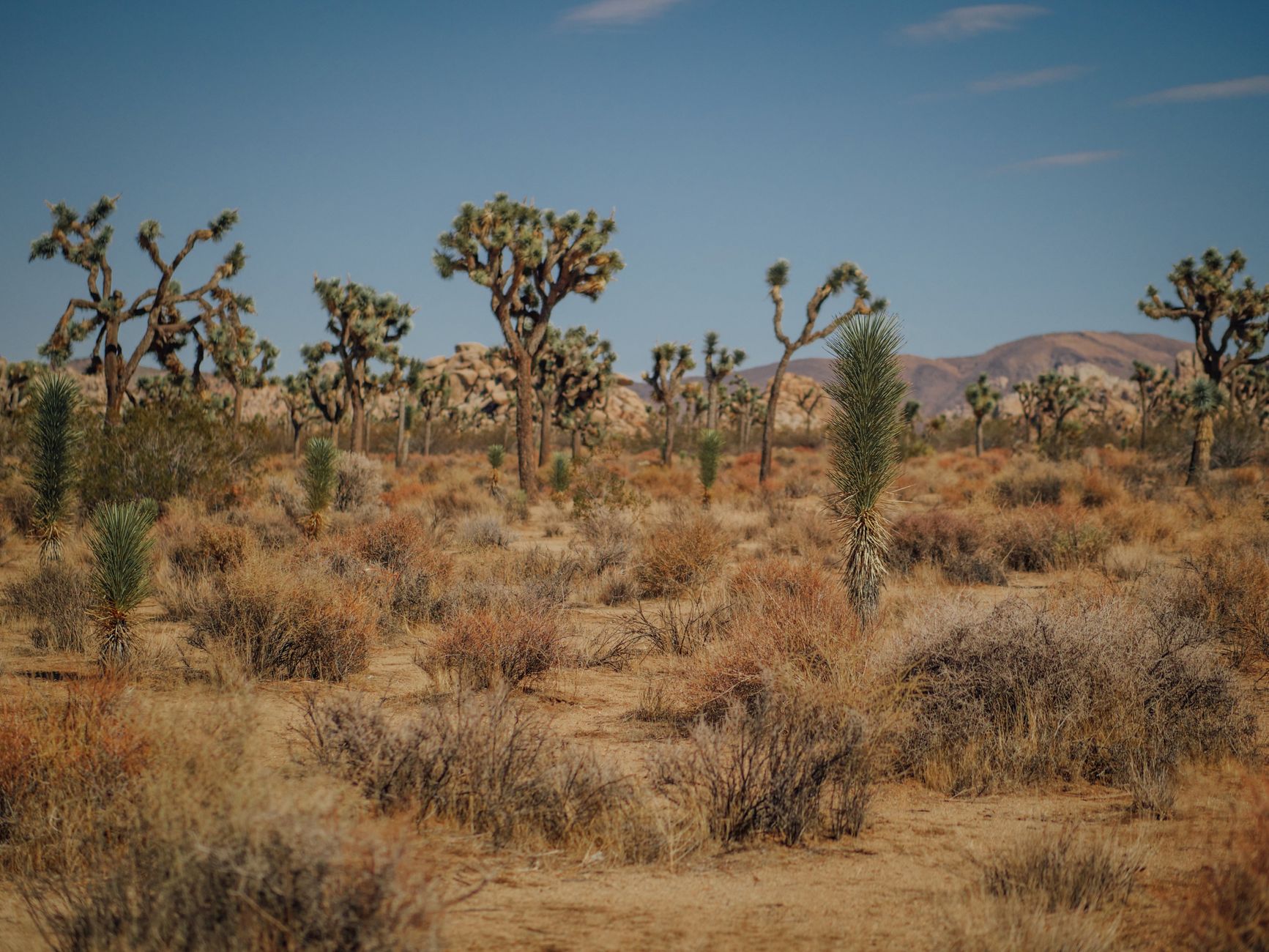

Drought tolerant trees are trees that keep growing with far less irrigation once their roots settle into the soil. In hot yards, they still deliver shade, structure, and seasonal color without turning watering into a weekly chore.
This guide covers eight drought-tolerant trees and the planting details that help them thrive in hot, dry landscapes, giving homeowners practical options for building a resilient, low-water yard.
Choosing Trees That Fit Hot, Dry Conditions
West-facing walls, paved drives, and open corners take the hardest heat, so the planting choice has to match that stress. Native and desert-adapted trees usually handle those spots better because their roots and leaves are built for lean water and long dry stretches.
That’s where drought tolerant trees earn their place in full sun, reflected heat, and poor soils. The USDA Plant Hardiness Zone Map still matters for winter lows, and Texas A&M AgriLife Extension plus University of California Agriculture and Natural Resources both stress site match over wishful planting.
Match Species To The Site, Not The Catalog Photo
A tree that looks graceful in a park may struggle beside a stucco wall that radiates heat after sunset. Desert willow, Texas ebony, and Chinese pistache handle those conditions better than moisture-loving ornamentals because their growth habit and leaf load limit water loss.
Full sun changes the math fast. Broad canopies cast more shade, but they also need stronger roots and a longer establishment period, so the tree has to earn its place before it can earn its shade.
Choose Structure That Holds Up Over Time
Reliable branch form matters as much as drought tolerance because weak crotches and brittle wood create cleanup later. Arbor Day Foundation planting notes also point out that mature size should fit the space from day one, since aggressive pruning distorts canopy shade and adds future labor.
Think in terms of trunk caliper, canopy spread, and leaf drop. A deciduous tree may give you winter sun and summer cooling, while an evergreen keeps screening year-round; your choice should follow the job the tree has to do in your yard.
Those different jobs point to a short list of trees that can carry a dry yard without constant care.
The 8 Trees That Anchor A Low-Water Yard
Eight trees cover most low water landscape ideas because they solve different jobs, from privacy to bloom color to narrow-space shade. You do not need a huge collection, just a small palette that fits your climate, soil drainage, and maintenance tolerance.
Evergreen drought tolerant trees give year-round structure, while flowering trees add spring or summer color without turning irrigation into a second job. The table below compares mature size, canopy shape, leaf drop, and care load so you can sort the match quickly.
| Tree | Mature Size | Canopy And Habit | Care Profile |
|---|---|---|---|
| Desert willow | 15 to 25 feet | Open, airy, deciduous, pink to lavender bloom | Light cleanup, best in hot, dry sites |
| Texas mountain laurel | 10 to 20 feet | Evergreen, dense form, purple flower clusters | Slow growth, low pruning demand |
| Western redbud | 15 to 25 feet | Small deciduous tree, rounded shape, spring bloom | Modest litter, good accent tree |
| Olive | 25 to 40 feet | Evergreen to semi-evergreen, silvery foliage | Needs fruit cleanup in some cultivars |
| Chinese pistache | 35 to 50 feet | Deciduous, broad shade canopy, strong fall color | Leaf drop in autumn, good long-term shade |
| Crape myrtle | 15 to 30 feet | Multi-stem or small tree form, summer bloom | Regular pruning keeps shape clean |
| Desert ironwood | 15 to 30 feet | Evergreen, fine texture, compact shade | Excellent heat tolerance, slow growth |
| Holly oak | 20 to 40 feet | Evergreen, dense screening, sturdy branch structure | Good for privacy, lower litter than many broadleaf trees |
Flowering Trees Give Color Without Heavy Irrigation
Desert willow and western redbud earn their place because they deliver bloom without asking for lawn-level watering. Desert willow handles reflected heat with a long flowering season, while western redbud brings a sharper spring display and a smaller footprint for tighter yards.
Crape myrtle adds summer color where you need a small canopy near a porch or front walk. Chinese pistache, by contrast, is the workhorse for larger yards because its broad canopy shade cools a patio while its fall color adds a second season of interest.
Evergreen Trees Hold The Bones Of The Yard
Texas mountain laurel, desert ironwood, olive, and holly oak give the site structure even in January. That matters in xeriscaping because a yard that loses all shape in winter can feel unfinished, even with healthy plants.
Desert ironwood stands out for its heat tolerance and compact, filtered shade, which works well near gravel beds and boulders. Holly oak provides a denser screen, so it suits a side yard or boundary where privacy matters more than bloom.
Once a tree is chosen, its first months decide whether it settles into that low-water rhythm.
Place bigger shade trees where they cool the hardest surfaces, not where they merely fill space. A west wall or paved driveway gives you the biggest temperature payoff from the same root system.
Establishment Watering Still Makes The Difference
Freshly planted trees need regular watering because roots spend the establishment period rebuilding after transplant shock. Texas A&M AgriLife Extension and Colorado State University Extension both stress deep watering in the early years, since short surface soaking trains roots to stay shallow.
Deep, infrequent watering sends moisture farther down the soil profile, and that pushes the root system lower where soil stays cooler and wetter longer. Shallow sprinkling does the opposite, which leaves a young tree tied to your hose and less stable in heat and wind.
Water Deeply And On A Slower Rhythm
Soak the root zone so water reaches 8 to 12 inches down rather than dampening only the top layer. A slow trickle, a basin, or a low-flow drip ring works better than a quick splash because the soil can absorb moisture instead of shedding it sideways.
A practical schedule during the establishment period is once or twice weekly for many plantings, then less often as the canopy and roots expand. The exact timing shifts with soil type, wind, and temperature, so sandy ground needs closer attention than clay.
Use Growth Clues Instead Of Guesswork
Leaves that stay firm through the afternoon heat suggest the tree is drawing moisture from depth, while a limp canopy can signal a dry root ball or poor infiltration. Scratch the soil 6 inches out from the trunk zone, not against the bark, because trunk moisture is a bad guide for root moisture.
Patience pays off here. A tree that looks thirsty for the first season can become far more self-reliant in year two, which is why low-water landscaping is really a long setup, not an instant condition.
That early support works best when the ground around it is prepared to hold moisture without staying soggy.
Soil, Drainage, And Mulch Shape Long-Term Success
Drainage sets the ceiling for performance because many drought tolerant trees fail in waterlogged soil long before heat does any damage. Roots need oxygen as much as water, and saturated ground squeezes out air pockets, which can slow root function and invite decline.
Mulch helps conserve moisture and cut evaporation around the root zone, especially in hot, windy yards. The best ring stays a few inches away from the trunk, because bark that stays wet too long can stay vulnerable to decay.
Fix Waterlogged Ground Before You Plant
Clay pockets and hardpan layers can trap irrigation in the hole you dug, turning a dry site into a soggy bowl. Slight grading, a raised planting area, or a wider planting basin can move excess water away from the root crown and help the tree breathe.
Some sites need a gravel layer around the bed edge for clean drainage lines, but gravel alone does not solve poor soil. The planting pit still has to drain into the surrounding ground, or the roots sit in a bathtub effect after every irrigation cycle.
Mulch Keeps The Root Zone Cooler
Two to four inches of shredded bark, wood chips, or similar organic mulch slows evaporation and keeps soil temperatures steadier. That lower temperature matters because fine feeder roots do most of the water uptake, and they work better in cooler, moister soil.
A coarse topdress also limits crusting after rain or watering, so air and water move more easily through the surface. In practical terms, you water less often, the soil stays softer, and the tree spends less energy fighting heat at ground level.
With the root zone protected, the rest of the planting can be arranged to reinforce that cooler, steadier environment.
Layering Trees With Shrubs And Ground Cover
A bare tree in gravel can look stranded, while a layered bed feels finished and uses water more efficiently. Low-water landscapes often combine trees with drought tolerant shrubs, tough ground cover, and mulch because each layer shades the next and reduces evaporation.
This approach also keeps the design from looking sparse during the establishment period. A few well-spaced plants do more for the eye than a crowded bed, and they compete less for the same irrigation.
Use Shrubs As The Middle Layer
Pair desert willow with rosemary, dwarf ruellia, or cenizo where winter cold permits, since each shrub tolerates heat and shares the same light watering rhythm. Under a taller evergreen, compact manzanita, Texas sage, or dwarf yaupon holly can fill the visual gap without crowding the trunk.
That mix gives you seasonal change without resetting the whole bed every few years. You get bloom, texture, and some evergreen mass, which keeps the yard useful even in a dry spell.
Keep The Surface Clean And Water Demand Low
Gravel paths, mulch islands, and clear spacing reduce maintenance because you can spot stress, broken limbs, or weed pressure quickly. A cluttered bed traps heat and makes drip lines harder to inspect, which leads to overwatering in one spot and dryness in another.
One concrete example works well in a side yard: a holly oak for screening, rosemary underneath, and a gravel strip along the fence. The tree shades the bed, the shrubs soften the base, and the surface stays easy to maintain with modest irrigation.
That layered effect also creates a cleaner framework for the whole yard, tying function to a simpler overall layout.
Soil texture changes watering speed. Sandy ground drains fast, clay holds water longer, and your watering rhythm has to follow the soil rather than the calendar.
Designing For Shade, Structure, And Lower Maintenance
Shade trees save the most water when they block heat before it hits masonry, glass, or pavement. A tree placed 15 to 25 feet from a west wall can cool the structure without crowding the foundation, and that placement matters more than chasing a plant tag with a pretty flower photo.
Balancing evergreen and flowering trees gives you privacy, color, and drought resilience in one plan. The strongest yards use a smaller species palette because repeated pruning, leaf cleanup, and mismatched irrigation zones all rise when too many tree types share one site.
Place Trees Where Heat Hits Hardest
Driveways and patios gain the biggest cooling benefit from canopy shade, especially in the afternoon. Chinese pistache or desert ironwood can reduce surface glare and make the space feel usable longer into the day, while a smaller flowering tree can soften the entry path.
Urban forestry specialists at Colorado State University Extension often stress canopy placement because the shade effect is physical, not decorative. Block the sun before it warms the surface, and you lower heat load before your cooling system or your feet have to cope with it.
Keep The Palette Small And Reliable
Three to five species can carry an entire yard if they repeat in the right places. That kind of repetition cuts pruning complexity, simplifies irrigation zones, and avoids a patchwork look that asks for more care than the site can give.
For a front yard, a combination like olive, western redbud, and Texas mountain laurel gives evergreen mass, spring bloom, and manageable size. For a larger rear yard, Chinese pistache, desert willow, and desert ironwood can cover shade, flowers, and screening without crowding each other out.
Those combinations work best when the final pick matches the yard’s scale and the results you want most.
What To Remember
The strongest low-water yard starts with site fit, not wishful planting. Choose drought tolerant trees that suit your sun, heat, drainage, and mature space, then give them deep watering while roots are still forming. After that, mulch, spacing, and a small plant palette do the quiet work that keeps the whole design steady.
FAQ
What trees are most drought tolerant?
Desert willow, Texas mountain laurel, desert ironwood, olive, holly oak, and Chinese pistache rank high for dry sites because they handle heat, lean irrigation, and strong sun. Native and desert-adapted species usually give you the best results in water-wise landscaping because their growth habits match the climate.
How often should drought tolerant trees be watered after planting?
New trees need regular watering through the establishment period, which can last one to three growing seasons depending on species, soil, and weather. Deep, infrequent watering works better than shallow sprinkling because it drives roots downward and helps the tree stand on its own.
What is the best way to landscape with low water trees?
Place trees where they can shade hard surfaces, then layer the bed with drought tolerant shrubs, mulch, and clear spacing. That mix reduces evaporation, keeps the soil cooler, and gives your yard structure without pushing irrigation higher than the site can support.
Do drought tolerant trees need irrigation once established?
Many do, but far less than during the first few years. A mature tree in suitable soil may need only occasional deep watering during long dry stretches, especially in hot inland climates where reflected heat and wind dry the root zone faster.
Which trees provide shade with little water?
Chinese pistache, holly oak, desert ironwood, and olive all provide useful canopy shade with modest irrigation needs. Your best pick depends on whether you want dense screening, filtered shade, or a smaller ornamental form near a patio or entry.