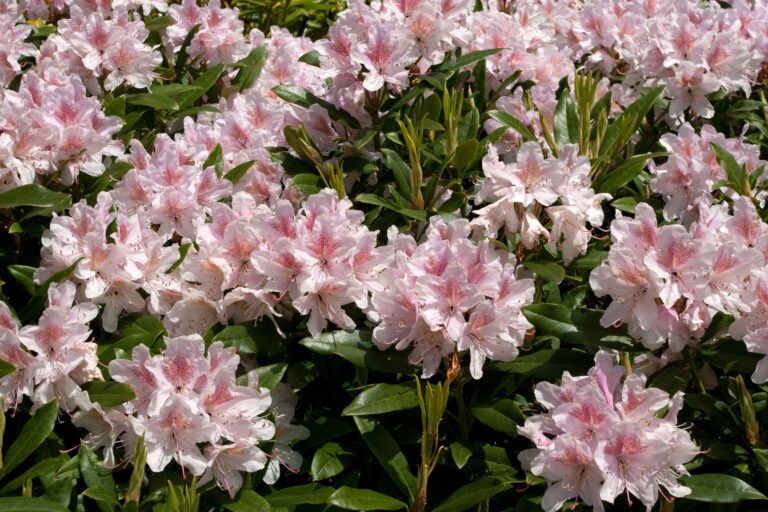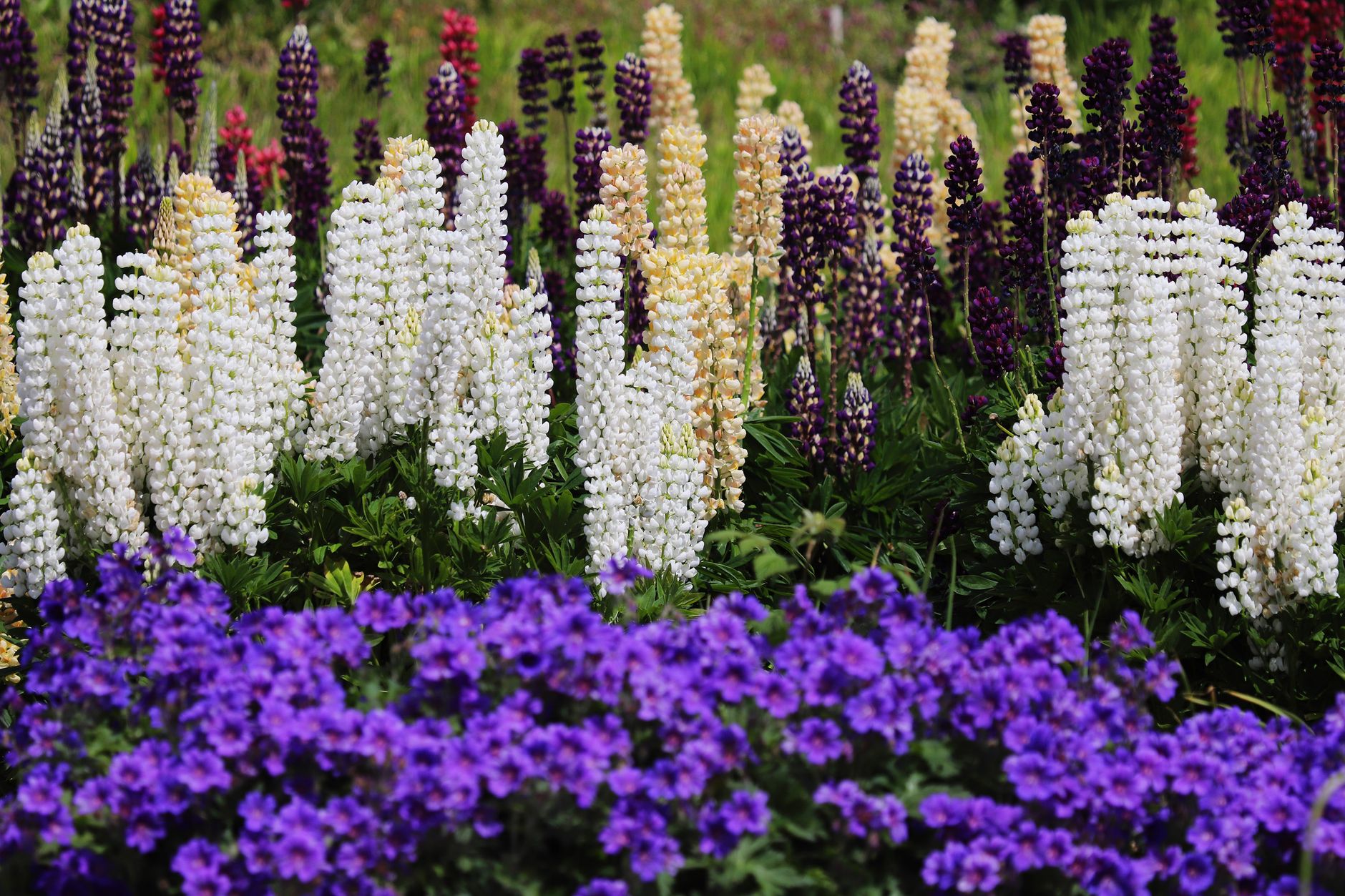

Fragrant leaves, coarse textures, bitterness, or mild toxicity make these plants less appealing to hungry deer. Nothing is deer-proof, but the right mix can cut visible damage fast and keep a border looking full.
If you’re planting in a deer-prone yard, this overview covers the best choices for sun and shade, plus simple natural deer deterrents for gardens that help the planting hold up.
Why Deer Leave Some Perennials Alone
Strong scent, fuzzy leaves, sharp edges, and bitter sap do most of the work. Deer rely on smell and taste before they commit to browsing, so fragrant foliage or rough texture can turn a plant into a poor meal right away.
Plant chemistry matters just as much. Many deer avoid alkaloids, glycosides, and similar defensive compounds because those tissues taste bad or can trigger nausea. That matches guidance from Rutgers New Jersey Agricultural Experiment Station, University of Illinois Extension, and NC State Extension: resistance comes down to preference, not a hard barrier.
Texture And Chemistry Shape The Menu
Fuzzy leaves can feel dusty and dry in a deer’s mouth, which lowers grazing appeal. Spines and stiff stems add a physical cost, while bitterness and toxicity add a chemical one. Foxglove is a clear example, because its glycosides make it poor forage even before texture comes into play.
That mix gives you a practical shortcut in deer-prone yards. Plants with strong fragrance, textured leaves, or toxic sap belong near exposed edges, where browse pressure lands hardest and where you need the strongest defense.
Resistance Is Not The Same As Safety
Scarcity changes behavior. During winter, drought, or heavy herd pressure, deer browse plants they would normally leave alone, including deer-resistant flowers for shade and sun. New growth is the easiest target because it holds more water and less fiber than older tissue.
That is why your plant list should read like a margin of safety, not a promise. The more scent, bitterness, and texture you stack into the bed, the less likely a casual pass turns into visible damage. That sets up the next choice, which is the plant list itself.
That logic makes the plant shortlist more than a preference; it becomes the backbone of the border.
The Perennials That Earn A Place In Deer-Prone Borders
Lavender, catmint, Russian sage, alliums, and foxglove form a dependable starting group for deer-prone gardens. Each brings a different kind of defense, from resinous fragrance to toxicity, so you can mix them into garden borders without making the planting look defensive.
Lavender and catmint are classic plants deer don’t eat with much enthusiasm because their oils are strong and their stems stay a little wiry. Russian sage adds silvery, aromatic foliage, while alliums carry sulfur compounds that deer tend to skip. Foxglove adds height, color, and a toxicity profile that keeps most browsing to a minimum.
Sunny Border Choices
Russian sage handles heat and lean soil with ease, which makes it a strong fit for low-maintenance perennials for deer-prone areas. Lavender does well in full sun and sharp drainage, so it works best where wet roots are not an issue.
Alliums bring spring structure, then disappear neatly as summer plants fill in. That timing matters for your layout because you can place them through the front edge of a border and get seasonal color before later bloomers take over.
Shade Tolerant Options
Foxglove fits partial shade, especially in beds with morning sun and afternoon cover. Hellebores, brunnera, and fern textures also help in shade, though each gives a different browse profile, so you can layer them with stronger fragrance plants nearby.
Native plants often make the cleanest long-term fit because they match local rainfall and soil better than thirsty ornamentals. Coneflower, bee balm, and many salvia selections can fit that role in many regions, and drought-tolerant perennials lower upkeep while still holding their ground under pressure.
A Short Planting Shortlist
- Lavender Strong scent and dry-soil tolerance make it useful in hot, open borders.
- Catmint Soft blue bloom and aromatic foliage give you color deer often pass over.
- Russian sage Airy stems and silver leaves add height without inviting much browsing.
- Alliums Sulfur scent and bulb structure work well at the front of sunny beds.
- Foxglove Tall bloom spikes bring shade interest, while toxicity discourages feeding.
That mix does more than fill a wish list. It gives you repetition, height, and seasonal rhythm, which becomes the real advantage once the planting plan starts to spread across the yard.
Spacing and repetition turn a few safe choices into a planting scheme that feels deliberate, not defensive.
Designing A Garden Deer Tend To Skip
Large patches work better than scattered singles. A lone lavender plant in a sea of tender hostas is a snack with a disguise, while three or five plants in a drift create a stronger visual and sensory cue.
Group deer-resistant perennials into repeated masses along edges, around entry paths, and at corners where deer step out of cover. The pattern matters because deer look for easy routes, and a continuous strip of fragrance or tough foliage makes the border feel less inviting.
Repeat Plants In Drifts And Borders
Repeated blocks of the same plant send a clear signal. Catmint in a run of five, for example, creates a wider aromatic zone than catmint used as a lone accent between tender annuals.
That repetition also helps the design read as intentional rather than defensive. You get seasonal color, fewer bare spots, and a stronger visual line that can reduce browsing at the edge of the bed.
Match Sun And Shade Across The Yard
Sun beds can carry lavender, alliums, catmint, and Russian sage with ease. Shadier zones can use foxglove, hellebores, brunnera, and ferns, which gives you deer-resistant flowers for shade without forcing every corner into the same plant palette.
Established plants hold up better than fresh transplants, because roots and stems have more stored energy and more tissue to recover from nipping. Young plants need a buffer, so use mulch, temporary netting, or a wire cage until they root in and start filling space.
Give new plantings the same attention you would give a ripe fruit tree near a fence line. A week of extra protection early in the season saves months of ragged regrowth later.
Use Structure To Keep Pressure Low
Stronger stems near the outside edge help shelter softer plants farther in. A front row of lavender or catmint can soften the browse line before deer reach dahlias, hostas, or other tender favorites farther back.
That layered structure leads naturally into the next question, because even the best plant palette works better when something else backs it up.
Even a strong layout benefits from extra friction, especially when scent and texture can tip the odds further.
Natural Deterrents That Strengthen The Planting Plan
Barriers and scent cues work best as support, not as the whole plan. A 7-foot fence changes access far more than a spray bottle does, but many yards do not need full fencing if the planting is already resistant and the edges stay tidy.
Habitat management helps more than most people expect. Trim brushy cover, store bird seed carefully, and keep fallen fruit cleaned up, because cover and food near the garden draw deer closer and make browsing more likely.
Use Barriers Where Pressure Runs High
Temporary netting protects young plants, and low wire cages can shield perennials that deer keep sampling. In beds that sit near woods or open fields, even short physical barriers can buy the roots enough time to anchor.
Pressure rises fast in late winter, so a barrier that looks unnecessary in June may matter a great deal in March. That seasonal swing is why mixed tactics work better than betting on one method alone.
Use Scent And Habitat Shifts Together
Scent-based products can help around the perimeter, especially after rain washes the first application off foliage. Deer repellent products work as a warning layer, not as a wall, and hungry animals can still move through them.
Coffee grounds deserve a careful mention. They may add a mild scent disruption for a short time, but they are not a dependable fix, and their smell fades fast after watering. Rhythmic upkeep beats novelty here, because deer learn weak signals quickly.
Keep the area open beneath shrubs and clear away dropped apples, acorns, and heavy mulch piles. A cleaner border gives deer fewer reasons to linger at the edge.
Let Plant Choice Carry Most Of The Load
Natural deer deterrents for gardens work best when the plants themselves already taste wrong or smell wrong. That is the logic behind mixing lavender with stronger stems, or setting alliums beside other spring bloomers that deer pass by.
Once you pair the right plants with a little structure and cleanup, the garden stops advertising itself as easy grazing. The next layer is reading the signals deer notice before they take a bite.
Once those cues are in place, the question shifts from first impressions to how the planting keeps its edge.
Smells, Spacing, And Other Signals Deer Notice
There is no single smell deer absolutely hate. Strong aromatic foliage, sulfur-rich bulbs, and bitter sap create a mixed signal that keeps browse interest low, and that combination matters more than chasing one magical scent.
Deer read a border the way a person reads a trail. Open sight lines, repeated texture, and the absence of shelter all change the odds, so a planting that feels dense and intentional is less appealing than a loose scatter of tender stems.
Aromatic Foliage Does More Than Smell Pleasant
Lavender, catmint, rosemary, and sage all release oils when leaves are brushed or crushed. Those oils are part of the plant’s defense system, and they create a sensory hit that can lower browsing interest before the mouth ever gets involved.
That is why scent should be paired with form. A broad swath of fragrant foliage works better than a single scented plant tucked into a row of soft-leaved ornamentals.
Spacing Changes The Feeding Pattern
Dense repetition forces a deer to step through a zone that smells and feels unfamiliar. Wide gaps do the opposite, because they create an easy stepping path straight to the tender center of the bed.
Shade beds need the same logic. Deer-resistant flowers for shade work best when fern texture, foxglove spires, and broader-leaved companions overlap enough to break the visual line.
Consistency Beats A Single Trick
One scent cue fades, one rainy week washes it away, and one ignored bed teaches deer that the risk is low. Consistent placement, repeated species, and routine cleanup keep the whole border harder to read.
The University of Illinois Extension and Missouri Botanical Garden both stress the same broad pattern in deer-prone plantings: no plant is completely deer-proof, but layered signals lower browsing pressure enough to make the bed hold together better over time.
The same mix of signals only works if the garden stays adaptable, since deer habits and plant growth keep changing.
Keeping A Deer-Resistant Garden Resilient Over Time
Seasonal pressure changes the whole equation. Spring growth is tender, summer growth can harden off, and winter scarcity pushes deer toward plants they ignored in July, so your planting plan needs room to adapt.
Deer-resistant perennials lower the need for fencing or sprays, yet they work best as part of a layered plan that includes mulch, cleanup, and a few physical barriers near the most exposed spots. That keeps the yard natural in appearance while still reducing damage.
Maintain Plants So They Stay Less Tempting
Deep, infrequent watering helps roots spread, and that root spread makes stems tougher after heat or nipping. Cut back spent growth at the right time for each species, because ragged, stressed plants are easier for deer to sample and harder for the bed to recover from.
Soil health matters too. A bed with steady organic matter and decent drainage grows sturdier foliage, and sturdy foliage tends to draw less browsing than weak, lush growth pushed by excess nitrogen.
Watch For Pressure Shifts Through The Year
New transplants need the most protection in their first season, especially along woods, field edges, and driveways where deer travel at dusk. Once roots anchor and stems thicken, the same planting can hold up far better with less intervention.
That long view is the real payoff. You are not building a fortress, you are shaping a border that asks for less from fencing, less from spray, and less from constant repair while still looking like a garden.
All of that comes down to a simple principle: consistency in the planting pays off in easier upkeep later.
What To Remember
The best deer garden is built on layered friction, not a single miracle plant. Strong fragrance, fuzzy texture, bitterness, and toxicity give you the edge, while repetition, spacing, and clean borders keep that edge in place as seasons change.
FAQ
What perennials do deer hate the most?
Lavender, catmint, Russian sage, alliums, and foxglove are among the strongest choices because scent, texture, or toxicity discourages browsing. No plant is entirely ignored forever, but these fit well where deer pressure stays high.
What will keep deer out of your garden naturally?
A layered plan works best, with deer-resistant plants, physical barriers around young transplants, and cleanup that removes cover and dropped fruit. Scent products can help at the edge, but they work best as support rather than the main defense.
What smell do deer absolutely hate?
There is no single smell deer reject every time. Strong aromatic foliage, especially lavender, sage, catmint, and similar herbs, creates a scent profile that many deer avoid because it signals low food value and a harsher mouthfeel.
Do coffee grounds keep deer away from plants?
Coffee grounds may add a short-lived scent disruption, but they are not a dependable answer. Rain, irrigation, and soil life dull the smell quickly, so they work, at best, as a minor extra layer around plants already chosen for deer resistance.
Which flowering perennials are most deer resistant?
Lavender, catmint, Russian sage, alliums, and foxglove are common flowering picks for deer-prone beds. Each offers a different defense, from aromatic foliage to toxicity, so you can mix bloom times without making the bed look repetitive.