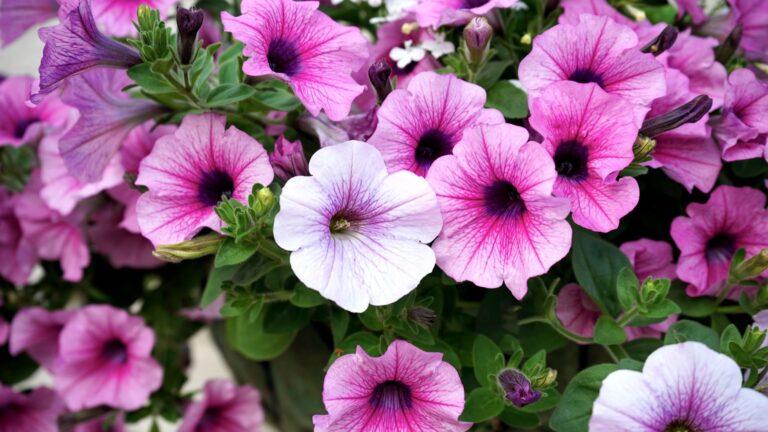
Yes — more than bare soil can thrive beneath evergreen trees. Acid-loving, dry-shade tolerant plants like hostas, astilbes, hellebores, foamflower, ferns, heuchera, lily of the valley, azaleas and rhododendrons perform well. Success depends on preparing soil with organic matter and testing pH for acidity. Mulch carefully and avoid heavy cultivation that damages tree roots. Choose shallow-rooted, shade-adapted varieties and water thoughtfully to establish them.
Best Acid-Loving Plants for Evergreen Shade
Because evergreen trees cast thick shade and their roots often leave the soil dry and acidic, you need plants that can handle tough conditions without fuss. You can lean on acid-loving favorites like astilbe, hellebores, foamflower, hosta, and Japanese painted fern.
These plants fit in well, and they help your shady corner feel welcoming instead of lonely. Their roots work with soil microbes that thrive in lower pH, so they settle in more smoothly. You’ll also notice they cope better with root competition from the tree above, which gives them a real edge.
Should you desire color, try azaleas or rhododendrons nearby. In case you crave texture, mix in heuchera for bright leaves. Together, they create a calm, layered space that feels like yours.
Key Conditions for Plants Under Evergreens
Under evergreen trees, success starts with grasping the site itself. You’re often working in dry shade, where needles block rain and the canopy steals light. The soil can stay acidic, but it could also face soil compaction from foot traffic or dense roots. That makes water sink slowly and air move poorly.
You’ll also meet strong root competition, since the tree drinks up moisture and nutrients before smaller plants can reach them. So, you need plants that handle lean, shaded ground without fuss. You’ll do best once you notice how much sun slips through, how fast the soil drains, and how often the area stays dry. Once you read those clues, you can choose plants that feel right there.
Hostas for Bare Spots Under Trees
Hostas can quickly fill those bare spots under your trees, and you can choose shade-tolerant varieties that handle low light well.
Give them steady moisture and a layer of mulch so the soil stays cool and roots stay happier.
Space them with enough room to spread, and you’ll get fuller coverage without crowding.
Shade-Tolerant Varieties
Shade-loving hostas are often the easiest way to fill those stubborn bare spots under evergreen trees, and they can make a thin, tired patch look soft and welcoming fast.
You can choose bold blue, bright chartreuse, or striped leaves to lift the whole space.
In dappled light, these plants keep their color better and stay fuller. They also handle root competition well, so you don’t have to fight the tree’s hungry roots every day.
Should you want a neat edge, pick smaller mounding types. In case you prefer a fuller look, use larger leaves that spread gently.
Whenever you group a few together, you create a calm, friendly spot that feels like it belongs there.
Moisture And Mulch
Even the toughest hosta can struggle should the soil under an evergreen tree dries out too fast, so moisture matters as much as light. You can help it settle in through watering deeply and often enough to keep the root zone evenly damp, not soggy. A drip irrigation line does this quietly and saves you from playing hose hero. Then spread a compost layer over the bed to hold water and feed the soil.
| Task | Why it helps | Easy cue |
|---|---|---|
| Water deeply | Reaches roots | Soil feels cool |
| Add compost | Holds moisture | Dark, crumbly top |
| Mulch lightly | Slows drying | Fewer bare crumbs |
When you keep that balance, your hostas can join the shady crowd and feel right at home.
Spacing For Coverage
Once you’ve kept the soil moist enough, the next job is giving each hosta room to spread and cover the bare ground without crowding its neighbors.
Space them so their leaves can meet at maturity, but not overlap too tightly. That helps you avoid root competition and lets each plant settle in with less stress. You’ll also improve light interception, since the leaves can catch what little filtered sun reaches under the branches.
Should you be filling a wide patch, place larger hostas farther apart and tuck smaller ones in groups for a fuller look. As they grow, they’ll knit together like a friendly team, and you’ll get coverage that feels calm, lush, and welcoming.
Step back often and adjust before planting holes are finished.
Ferns for Dry Shade
Whenever the ground beneath an evergreen tree stays dry, you could suppose ferns are off the table, but a few tough kinds can still make that spot feel alive. You’ll feel more at home with Christmas fern, leatherleaf fern, and autumn fern because they handle lean soil better than fussy types. Maidenhair ferns look lovely, but they usually want more moisture, so save them for a gentler corner. With oak fern care, give roots a little compost and steady shade, then keep mulch loose so water remains near the surface.
| Fern | Dry Shade Fit | Key Care |
|---|---|---|
| Christmas fern | High | Mulch well |
| Leatherleaf fern | Medium | Protect roots |
| Autumn fern | Medium | Water at dawn |
Azaleas for Color Under Evergreens
A few well-chosen azaleas can turn the dim ground under evergreen trees into a bright, welcoming pocket of color. You can give that shaded space a softer, friendlier feel with shrubs that enjoy the same acidic soil. Pink azaleas work especially well whenever you crave warmth without shouting for attention. They bloom against dark needles and make the whole area feel cared for.
Choose evergreen compatible hybrids provided you desire dependable growth and a tidy look. Then plant them where they get morning light and sheltered afternoon shade. You should also loosen the soil, add leaf mold, and water deeply while they settle in. With a little patience, you’ll build a small garden that feels like it belongs right at home.
Rhododendrons That Love Acid Soil
Because rhododendrons naturally thrive in acidic soil, they can feel like a perfect match for the ground beneath evergreen trees. You can choose them with confidence, because they often settle in where other shrubs struggle.
Elepidote rhododendrons bring broad, glossy leaves and a strong, calm presence, while compact hybrids fit snug spaces and still give you rich blooms. To help them belong, give them loose, humus rich soil that stays moist but never soggy.
Then tuck them where they get morning light and gentle afternoon shade. As you care for them, you’ll notice they reward your effort with steady growth and color that softens dark evergreen backdrops.
They don’t demand perfection, just a little patience and the right acidic home.
Bleeding Heart for Woodland Texture
Watching bleeding heart nod under evergreen boughs can bring a soft, calming charm to a shady garden. You can use this shade loving plant to soften dark corners and make them feel welcoming.
Its arching stems and pink, heart shaped blooms create woodland texture that feels gentle, not fussy.
- Plant it in moist, well drained soil with morning light.
- Tuck it near roots where spring foliage can shine before trees leaf out.
- Give it space, so its delicate form can breathe.
When you choose bleeding heart, you add a friendly layer that helps you feel at home under the trees. It pairs well with other acid soil plants because it enjoys the same cool, sheltered ground.
Later, its leaves fade quietly, leaving room for nearby companions to keep the scene calm and balanced.
Heuchera for Year-Round Color
Heuchera brings a fresh burst of color to the shady ground that bleeding heart leaves behind, and it keeps that area looking lively long after spring flowers fade. You can count on coral bells to brighten damp, acidic soil under evergreens with bold leaf tones and steady charm. This plant loves a calm spot, so you’ll feel like the bed finally fits together.
| Variety | Main Color | Best Use |
|---|---|---|
| Lime heuchera | Chartreuse | Softens dark needles |
| Purple heuchera | Deep plum | Creates foliage contrast |
| Amber heuchera | Copper | Warms cool shade |
When you mix a few forms, you build a welcoming patch that looks cared for through the seasons. Even in winter, the leaves often hold on, so your garden won’t feel empty.
Lily of the Valley for Deep Shade
Lily of the Valley can handle deep shade, so you can tuck it under evergreen trees where many other plants struggle.
In spring, its tiny bell-shaped blooms bring a sweet fragrance that makes the shady spot feel much more inviting.
It also spreads into a soft woodland groundcover, helping you fill bare spaces with a calm, natural look.
Shade Tolerance
Provided your yard feels more like a forest floor than a garden bed, Lily of the Valley can be a gentle fit for that deep shade. You don’t need bright sun to help it settle in, but you do need steady moisture and a little patience.
Under evergreens, it can handle dappled light, and it often stays calmer where other plants sulk from root competition.
- Choose a spot with cool, filtered shade.
- Keep the soil evenly damp, not soggy.
- Give it room so the roots can spread.
As you tuck it beneath those branches, you’ll likely feel less alone in the shade. This plant can make a tough space feel cared for, especially whenever the ground stays rich and slightly acidic.
Fragrant Spring Blooms
Upon spring at last arrives, Lily of the Valley can bring a soft burst of fragrance to the dim ground under evergreen trees. You’ll love how its tiny white bells wake up a quiet corner and make it feel cared for, even though the soil stays cool and acidic.
The scent feels fresh, almost like a gentle daphne scent drifting nearby. Should you’ve admired hyacinth beds before, you’ll appreciate this plant’s sweet charm in a smaller, shadier spot.
It doesn’t ask for much, so you can tuck it in where light barely reaches. Then you get a peaceful, familiar welcome each spring. For a space that feels a little lonely, this bloom can help you feel right at home.
Woodland Groundcover
Even in the deepest shade, Lily of the Valley can act like a quiet, animate carpet under evergreen trees.
You can tuck it where grass fails, and it will steady the space with glossy leaves and tiny bells.
For a woodland feel, pair it with native ephemerals that bloom sooner, then fade as summer thickens.
- Plant in moist, acidic soil with leaf mold.
- Give it room to spread, so it feels welcoming, not crowded.
- Support healthy mycorrhizal partnerships by avoiding harsh fertilizers.
As you build this layer, you create a soft path for pollinators, pets, and people who want a calmer garden.
The shade feels less empty, and your corner starts to feel like it belongs to you too.
Mulch and Water Evergreen Beds Right
A good mulch job can calm an evergreen bed down fast, and that matters whenever you want plants to settle in without stress. Start with soil analysis, because you need to know whether the bed leans acidic enough for your favorites. Then spread 2 to 3 inches of pine bark or shredded leaves, but keep mulch a few inches from trunks. That simple gap helps prevent rot and gives roots room to breathe.
| Care step | What you do |
|---|---|
| Mulch depth | Keep it even and not too thick |
| Water timing | Water deeply when the top soil dries |
| Irrigation scheduling | Set a steady plan for dry spells |
After that, use irrigation scheduling to keep moisture steady, not soggy. You’ll help your plants feel at home, and your evergreen bed will stay welcoming, resilient, and calm.
Frequently Asked Questions
How Often Should I Test Soil pH Under Evergreen Trees?
You should assay soil pH under evergreen trees annually, and add seasonal sampling if needle drop, drought stress, or new plantings alter conditions. You will stay connected to your garden’s needs and catch problems promptly.
Can Evergreen Roots Damage Nearby Acid-Loving Plants?
Yes, they can. You’ll see root competition steal water and nutrients, and some evergreens might create allelopathic effects that stress nearby acid loving plants. Give your plants space, mulch well, and you’ll help them thrive together.
Which Native Plants Handle Evergreen Shade and Acidic Soil?
You’ll thrive with shade loving natives like wild ginger, foamflower, and ferns; they happily handle evergreen cover and acidic soil, helping you create a cozy, connected woodland corner where your garden belongs beautifully.
Should I Prune Lower Evergreen Branches to Improve Light?
Yes, you should prune selectively provided you want more light, but keep branch spacing natural so your tree stays healthy. You will create a brighter, friendlier understory where your chosen plants can thrive alongside you.
How Do I Prevent Deer From Eating Shade Plants?
You can stop deer by combining scent deterrents with visual barriers. Spray repellents regularly, add fencing or netting, and choose less tasty plants. You’ll protect your shade garden and feel confident it belongs to you.