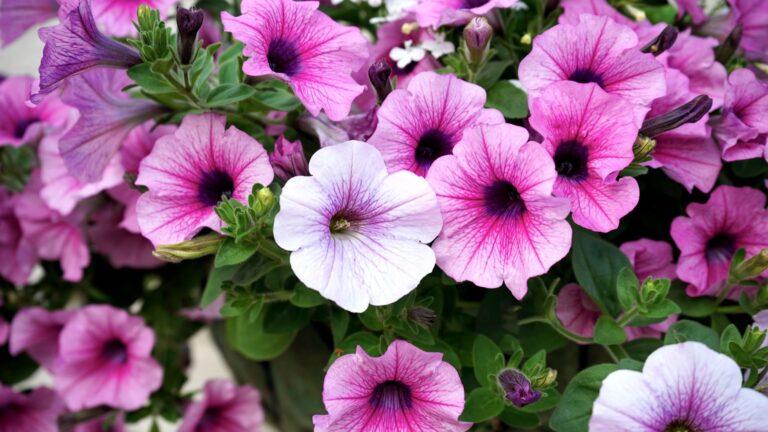
Yes — you can plant under a maple and create a lush, layered shade garden. Maple roots compete for water and nutrients and leaf litter can alter soil pH, so choose resilient shade-tolerant plants. Hostas, ferns, heucheras and tough groundcovers tolerate root competition and low light. Improve soil texture with organic matter and plant gently to avoid root damage. With regular watering during dry spells and modest maintenance, that shady patch becomes an attractive part of the yard.
Why Plants Struggle Under Maple Trees
Even though maple trees look peaceful and generous with shade, they can make life hard for nearby plants. You’re not imagining it. Their roots spread wide and grab water fast, so smaller plants often feel squeezed out before they can settle in.
Then leaf litter piles up and forms a thick layer that blocks light and can slow new growth. Maple roots also compete with your garden for nutrients, and that pressure can weaken young plants quickly.
On top of that, some plants depend on mycorrhizal relationships to share resources with fungi, but heavy root competition can disrupt those quiet partnerships. So should your shade garden seems stubborn, it isn’t your fault. The maple simply creates a crowded neighborhood, and your plants need extra support to belong there.
Best Soil Conditions for Shade Plants
For shade plants under maple trees to settle in, the soil needs to hold moisture without turning soggy. You’ll do best with loose, crumbly ground that lets roots breathe and keeps a steady drink. Add organic amendments like leaf mold or compost to lift the soil’s texture and feed the bed gently. Then check pH screening, because most shade plants like a slightly acidic range close to neutral.
| Soil Trait | What You Want | Why It Helps |
|---|---|---|
| Moisture | Even, not wet | Roots stay active |
| Texture | Loose and airy | Water moves well |
| pH | Slightly acidic | Nutrients stay available |
| Organic matter | Rich and steady | Growth feels supported |
| Drainage | Quick but balanced | Crowding eases |
When you shape these conditions, you make a calm place where your plants can belong.
Why Hostas Work Under Maple Trees
Hostas fit well under maple trees because they handle shade so well, and you don’t have to worry as much about low light slowing them down.
Their broad roots can still compete with maple roots provided the soil stays too dry, but they usually settle in nicely whenever you give them steady moisture.
Shade Tolerance
Because maple trees cast light, shifting shade, hostas fit under them so well. You can trust their broad leaves to stay calm whenever sun flecks move across the bed. Their shade tolerance lets you build a soft, welcoming space that feels made for you. Should you want more variety, pair hostas with shade tolerant bulbs and low light shrubs, which also handle these dim spots with ease.
| Plant | Shade Fit | Look |
|---|---|---|
| Hosta | High | Bold leaves |
| Bulb mix | Medium | Gentle color |
| Shrub layer | High | Soft backdrop |
Together, these plants help you shape a peaceful corner that still feels lively. You don’t need perfect sun to grow something lovely here; you just need the right companions and a little confidence.
Root Competition
Upon planting hostas beneath a maple tree, you’re working with one of the gentlest shade partners in the garden. You can relax a little, because hostas usually cope well with root competition.
Maple roots spread wide and sip up water fast, but hostas grow in the top layer where you can still help them thrive. Their thick roots don’t fight hard, and they often share space with mycorrhizal networks that move moisture and nutrients through the soil.
Should your maple have root grafting nearby, the shared root system can add even more pressure, so give hostas extra mulch and steady water. You’ll build a calm, welcoming patch that feels like it belongs, even under a busy tree.
Ferns That Thrive Under Maple Trees
In case you want ferns that feel right at home under maple trees, start with tough choices like Japanese painted fern, lady fern, and autumn fern.
You’ll want loose, rich soil that holds steady moisture without staying soggy, because maple roots can make the ground dry fast.
Whenever you plant in that root shade, give each fern a little extra space, water it well, and let it settle in gently so it can grow without a fuss.
Best Fern Varieties
Several fern varieties can turn the hard shade under a maple tree into a soft, green retreat, and that’s great news should you’ve felt stuck with a bare patch of ground.
You can lean on Maidenhair ferns for their airy, lace-like fronds that add a gentle, refined look, while Cinnamon ferns bring taller, bolder texture that feels welcoming and steady.
Together, they help you build a space that looks calm without feeling plain.
Should you want a fuller effect, mix in other shade-loving ferns with similar growth habits so the planting feels connected, not crowded.
You’ll notice how each frond adds movement, and that quiet motion makes your maple’s shadow feel like a place you actually want to spend time in.
Soil And Moisture Needs
Ferns don’t just need shade under a maple tree, they need soil that can hold a little moisture without turning soggy, and that balance matters more than you might realize. You can help them feel at home by giving them rich, loose ground with steady dampness.
- Aim for composty soil that drains well.
- Keep mulched moisture around the roots.
- Loosen compacted loam gently so air can move.
- Water deeply once the top layer starts to dry.
Whenever you match that feel, your fern patch stays calm and welcoming. You’re not chasing perfect conditions; you’re building a small, steady space where the plants can settle in. That’s often all they ought to need to look lush and settled beneath maple branches.
Planting In Root Shade
Planting ferns in root shade takes a little care, but it doesn’t have to feel tricky. You can tuck them between maple roots where grass gives up, and they’ll still feel at home.
To begin, loosen the topsoil just enough to welcome the roots without digging deep. Then add leaf mold or compost to support mycorrhizal partnerships, which help ferns gather water and nutrients.
Next, use mulching strategies like shredded leaves or pine fines to keep the soil cool and steady. Place each fern where dappled light reaches the ground, then water slowly so moisture sinks in, not runs off.
As you work, you’re building a calm little shelter that helps your shade garden belong.
Heucheras for Texture and Color in Shade
Heucheras can turn the ground under a maple tree into one of the prettiest spots in your yard, even though the shade feels stubborn and the soil stays a little dry.
You can lean on coral bells for bold leaves and soft flower stalks that lift the space without asking for much drama.
Whenever you pick colors that match your style, the bed starts to feel like it belongs to you.
- Choose bright lime or deep purple leaves for contrast.
- Tuck in evergreen heuchera for steady color through winter.
- Plant in small groups so the texture reads clearly.
- Give them room to breathe around roots.
That mix helps you build a friendly, layered look under the tree.
Best Groundcovers for Dry Shade Under Maples
Once you have the color and texture right, the next challenge is filling the bare soil with plants that can handle dry shade without complaining.
Under maples, you may lean on tough groundcovers that settle in and stay calm. Try drought tolerant vincas should you want glossy leaves and spring flowers that brighten the ground without asking for much.
For a softer, more natural look, use sedge alternatives that form neat clumps and move gently in the breeze. You can also mix in wild ginger or lamium to patch thin spots and keep weeds down.
Choose plants that spread slowly, so they play well together and don’t crowd the roots. Whenever you match a plant to this tricky space, your shady corner starts feeling cared for and easy to love.
How to Plant Under Maple Trees
Before you put a single plant in the ground, take a little time to read the space under your maple.
- Check the shade, soil, and root traffic so you know where plants can settle.
- Gently loosen the top soil between roots, then add compost without digging deep.
- Choose small, tough shade plants, and use mulching techniques to hold moisture while keeping mulch off the trunk.
- Water slowly after planting, then watch the bed for dry spots and protect it with seasonal pruning whenever lower branches block light.
You’re not working alone here. Your maple can become a calm, shared garden spot whenever you plant with care. Small steps help you fit in with the tree, not fight it.
Frequently Asked Questions
Can Maple Tree Roots Damage Nearby Flower Beds?
Yes, maple roots can boss your flower bed around, stealing water and nutrients. You will feel root competition, but mycorrhizal relationships can soften the struggle, helping your plants belong together provided you mulch and water wisely.
How Often Should Shade Plants Be Watered Under Maples?
Water shade plants under maples once or twice weekly, adjusting for rain and heat. Water deeply, mulch regularly, and check soil moisture so your plants feel cared for and thrive together.
Which Shade Plants Attract Pollinators Under Maple Trees?
You’ll attract pollinators with native salvias, spring ephemerals, and other shade friendly blooms like columbine and foamflower. You’re building a welcoming habitat, and bees, butterflies, and hummingbirds will feel right at home under your maples.
Do Maple Leaves Affect Soil Acidity for Garden Plants?
Yes—maple leaves usually don’t acidify soil much; a 2023 study found leaf decomposition often changes pH less than 0.5. You’ll help soil microbes thrive through mulching, so your garden feels healthier together.
Can I Grow Vegetables Under a Maple Tree?
Yes, you can, but you’ll need shade tolerant crops and extra care. Try companion planting, use container gardening for flexibility, and choose leafy greens or herbs. You’ll still join a thriving little garden community.