Biodegradable landscape fabrics make sense for you when you want cleaner-looking beds, easier staking, and less plastic to pull up later. Some of these picks are true fabrics, while others are burlap or jute options that fit erosion-prone slopes, seasonal covers, and temporary weed control. The right choice depends on your soil, your bed size, and how long you want the material to stay in place. For a busy yard, that trade-off matters a lot.
The Shortlist For Real Garden Jobs
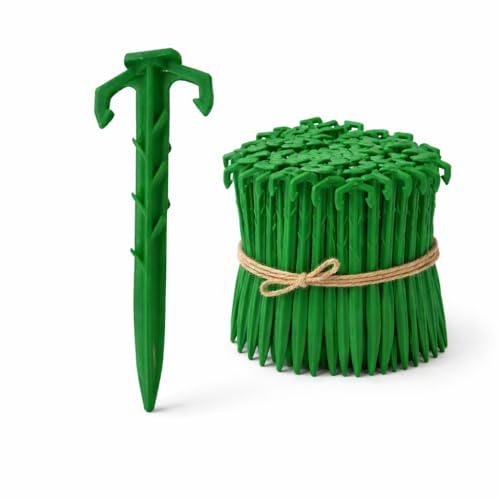
Ecoduty 100 ct. Contractor Grade 4 Inch Biodegradable Stakes

Cleverbrand Burlap Plant Cover & Landscape Fabric 40″ x 12ft Roll

FEED GARDEN 4FT x 100FT Landscape Fabric Weed Barrier Fabric

Vanver 4ft x 300ft Weed Barrier Fabric

smart spring 50 ct. Contractor Grade 4 Inch Biodegradable Stakes

Grenebo 4FT x 50FT Heavy Duty Weed Barrier Landscape Fabric

Super Geotextile Professional 5oz Geotextile Weed Barrier Fabric
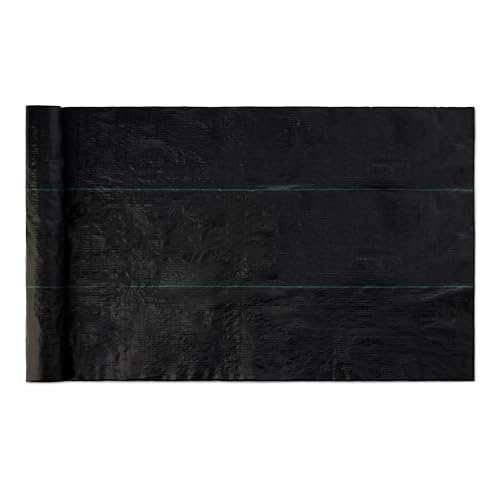
Amazon Basics Weed Barrier Landscape Fabric 3 x 50 Feet Black 1-Pack
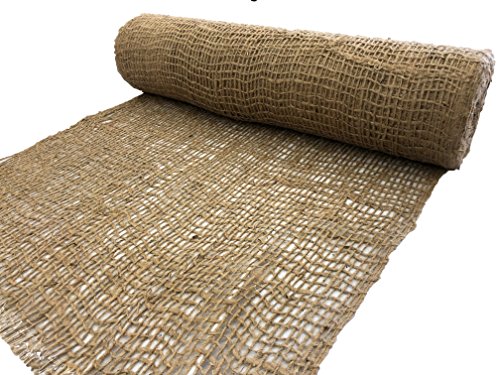
AK TRADING CO. Jute Erosion Control Soil Saver Mesh Blanket

Wukfuiui 40″ x30 Feet Garden Burlap Multipurpose Burlap Tree Wrap
More Details On Our Top Picks
Stakes like these do the unglamorous work that keeps fabric from creeping out of place after rain or foot traffic. The 4-inch length suits lighter-duty ground cover jobs, and the biodegradable build helps avoid a lot of metal pickup later. For large beds, that convenience can matter almost as much as holding power.
Compared with a wider roll such as Vanver’s 4ft x 300ft fabric, this is the accessory that finishes the install rather than covering the ground itself. You get a useful count for repeated projects, though very rocky soil may call for extra care during placement. The honest read is simple, it works best where the ground is prepped and fairly cooperative.
Strong Points
- 100-count pack suits repeated installs without constant reordering.
- 4-inch length gives decent bite in mulch beds and fabric edges.
- Biodegradable construction reduces cleanup after a seasonal project.
- Helpful for securing weed fabric, landscape cloth, netting, and blankets.
Things To Consider
- Rocky or very hard soil can make placement slower.
- Stakes are best treated as a fastening aid, not the main ground cover.
- Storage stays easier in dry conditions, since moisture can rough up biodegradable materials over time.
Feature Snapshot
Who It Suits Best
You get the most value here in yards with several fabric runs, seasonal netting, or repeated bed projects.
A Better Fit Elsewhere
smart spring 50 ct. Contractor Grade 4 Inch Biodegradable Stakes fits smaller installs better, especially when you only need a lighter stash for one bed or a compact patch.
Burlap brings a softer, more breathable feel than the woven plastic-style fabrics elsewhere in this roundup. At 40 inches by 12 feet, this roll suits spot coverage, winter protection, or smaller erosion-control patches where you want a natural look. In a decorative bed near a walkway, that matters.
Because it uses jute fibers, the material fits temporary jobs better than long-haul installations under heavy traffic. Compared with FEED GARDEN’s 4FT x 100FT set, this is easier to handle but far less expansive. You may find it especially useful where airflow around tender plants matters more than long-term suppression.
What We Like
- Breathable burlap works well for seasonal plant covering.
- Natural jute look blends into rustic beds and landscaping edges.
- Useful for frost protection, erosion control, and weed suppression.
- Compact roll size makes storage and handling straightforward.
- Biodegradable build fits temporary outdoor projects nicely.
Worth Noting
- Shorter roll length limits larger coverage jobs.
- Burlap can wear faster than heavier woven ground cloth in high-traffic areas.
- Wet weather may call for closer attention during installation.
Details At A Glance
Built With In Mind
You benefit most here in small gardens, orchard rows, or seasonal plant protection setups.
Where A Sibling Pick Shines
AK TRADING CO. Jute Erosion Control Soil Saver Mesh Blanket suits larger slope work better, especially when you need broader erosion coverage across a bank or embankment.
This one is built for the kind of yard work that eats up space fast. The 4-foot width and 100-foot total span, split here as two 4×50-foot rolls, make it easier to cover long garden runs without handling an oversized sheet. The included 30 U-shaped stakes help with first installation, which is handy in beds that need a tidy edge.
Compared with Cleverbrand’s burlap roll, this feels more like a long-term ground cover for established beds. The 3.2-ounce weight suggests a sturdier weave than lighter cloth, though dense clay or rough stone underfoot can still make placement slower. For gardeners who want one kit to handle several sections, it hits a sensible middle ground.
Upsides
- Two-roll format gives flexibility for separate beds or paths.
- 3.2-ounce weave suggests a sturdier feel for everyday garden use.
- 30 stakes are included, so you can get started without separate hardware.
- Good width for long planting rows and larger rectangular plots.
- Works well for keeping bed edges cleaner after installation.
Minor Gripes
- Two rolls can mean a little more planning during layout.
- Heavier ground can make stapling more laborious.
- Stored rolls take more shelf space than a compact burlap strip.
Core Details
Whose Shelf It Belongs On
You get the best fit here in medium to large yards that need straightforward coverage and a starter set of stakes.
Skip It When
Vanver 4ft x 300ft Weed Barrier Fabric is the more sensible match for very large installations where a much longer single roll reduces seam work.
Long runs are where a roll like this starts to make sense. The 4-foot width is familiar, but the 300-foot length is the real story, especially in flower beds, border rows, and broader yard layouts that would chew through shorter rolls. The 3.2-ounce woven PP construction should feel closer to a serious garden cloth than a flimsy temporary sheet.
Compared with FEED GARDEN’s two 4×50 rolls, this cuts down on seams and may simplify large layouts. The trade-off is simple, you are handling a lot of material at once, so storage and first setup take more room and patience. For a contractor-style job or a very ambitious home project, that extra length is the point.
Bright Spots
- 300-foot length suits larger properties and extended garden runs.
- Woven PP build gives a more structured feel underfoot.
- Fewer seams can make layout cleaner on long beds.
- Works well for flower beds, yard borders, and broad ground cover use.
Areas To Watch
- Bulkier roll takes more space in the garage or shed.
- Handling such a long length can be awkward in tight garden corners.
- Less convenient for small patch jobs than a shorter roll.
Quick Facts
Made For
You fit this best when you manage large borders, long planting strips, or extensive yard coverage.
Look Elsewhere When
Amazon Basics Weed Barrier Landscape Fabric is easier to live with for compact beds or shorter layouts where a 3 x 50 foot roll is plenty.
Some yards need a smaller hardware pack, not a contractor-sized haul. This 50-count set covers the same basic fastening job as the larger Ecoduty pack, but in a more modest quantity that suits patio beds, raised rows, or a single seasonal project. The 4-inch length gives you familiar placement without extra bulk.
It pairs naturally with lighter fabric jobs like Cleverbrand’s burlap roll or Amazon Basics’ compact fabric, where a huge stake count would just sit in storage. The biodegradable design still helps keep cleanup simple after the job is done. For casual garden maintenance, that is a nice, plain advantage.
Highlights
- 50-count pack fits smaller gardens and one-off installs well.
- Biodegradable material keeps post-project cleanup more manageable.
- 4-inch length is practical for anchoring fabric and netting.
- Useful for raised beds, mulch edges, and lightweight barrier work.
Softer Spots
- Smaller count may feel limited for very large projects.
- Hard or rocky ground can still slow installation.
- Best kept dry and organized so the stakes stay easy to grab later.
Feature Rundown
Right Fit For
You get the best match here for home gardeners handling short runs, small fabric sections, or light seasonal coverage.
Swap It Out When
Ecoduty 100 ct. Contractor Grade 4 Inch Biodegradable Stakes makes more sense for larger properties or repeated installs that need a fuller stash.
This roll reads like a practical middle-ground option for home garden beds. The 4-foot by 50-foot size is easy to manage, and the non-woven structure usually suits gardeners who want something that cuts cleanly without wrestling with a bulky sheet. Breathable ground cover matters here because it helps the bed feel less sealed off than plastic tarp-style material.
Compared with Vanver’s much longer 300-foot roll, this feels far more approachable for smaller layouts or weekend installs. The included 15 staples add a helpful start, though a larger layout may need more hardware than that. You may find it especially convenient in raised beds or narrow planting strips where tight corners are part of the job.
Best Bits
- 4 x 50-foot size is easier to handle than oversized commercial rolls.
- Non-woven cloth usually cuts more neatly for custom bed shapes.
- Breathable design works well in garden beds and planted plots.
- 15 staples are included for an immediate start.
Points To Note
- Smaller roll length limits broader projects.
- 15 staples may not cover a very large layout.
- Edge trimming can be a little more hands-on than with burlap.
Spec Overview
The Right Fit
You suit this best if you want a manageable roll for average home beds and small plots.
Another Choice May Suit
FEED GARDEN 4FT x 100FT Landscape Fabric Weed Barrier Fabric is better for gardeners who want more total coverage and a bundle that includes more fastening help.
A 5-ounce geotextile usually signals a more substantial feel than the lighter garden cloths in this list. Here, that extra density can help in pathways, landscaping zones, and garden areas that need a more serious barrier without jumping to a rigid surface. The 3-by-100 format also gives you a long, narrow layout that suits borders and structured runs.
Compared with Grenebo’s 4FT x 50FT cloth, this is narrower but more substantial, which changes the job entirely. Geotextile means a permeable textile used in outdoor ground work, so you still get some breathability while aiming for stronger weed suppression. The trade-off is that this type often feels more task-specific than a general garden roll.
Reasons To Buy
- 5-ounce weight gives it a heavier-duty feel than lighter cloths.
- 3 x 100-foot dimensions work well for long borders and runs.
- Geotextile format suits landscaping where structure matters.
- Good match for paths, beds, and managed outdoor spaces.
Honest Caveats
- Narrower width can require more careful layout planning.
- May feel like more fabric than you need for small casual beds.
- Storage gets a little awkward because of the longer roll shape.
Technical Sheet
Whose Shelf It Belongs On
You fit this best when you need a heavier textile for structured landscaping, not just a simple temporary cover.
Reach For A Different Pick When
Amazon Basics Weed Barrier Landscape Fabric works better for casual gardeners who want a smaller, easier roll for short beds and lighter installs.
This is the compact, no-nonsense roll in the group. Three feet by fifty feet is easy to carry, easier to store, and often enough for narrow beds, short rows, or a single section along a fence line. The black finish also gives it a cleaner look in places where the fabric may show at the edges.
Compared with Super Geotextile’s longer 3×100 layout, this is much more approachable for smaller projects and first-time installs. The honest trade-off is coverage, because you are buying convenience instead of acreage. For a small yard or a few raised beds, that can be exactly the right balance.
Positives
- Compact roll size makes handling and storage simple.
- 3-foot width suits narrow beds and edge sections.
- Black color blends in neatly under mulch in many setups.
- Good for smaller installations where excess material would be wasteful.
Small Caveats
- Shorter roll length limits larger landscaping jobs.
- May require more seam planning on broader beds.
- Smaller footprint means fewer layout options than longer rolls.
Feature Card
Best Suited To
You suit this best if your yard has a few compact beds, shorter runs, or limited storage space.
Where Another Pick Suits Better
Vanver 4ft x 300ft Weed Barrier Fabric makes more sense for large properties where longer coverage reduces repeated joins.
Jute mesh blankets serve a different job than a standard weed barrier, and this one leans into erosion control first. The 48-inch width and 20-yard length give you broad coverage across slopes, banks, and disturbed soil where runoff can be a nuisance. That makes it a strong fit for stabilization work rather than neat decorative edging.
Compared with Cleverbrand’s burlap roll, this reaches farther and looks better suited to broader soil-holding tasks. At 240 square feet, the coverage is generous enough for a serious yard project, though the mesh style may feel less tidy than smooth woven cloth in ornamental beds. For embankments and wash-prone ground, that trade-off is usually worth it.
What We Like
- Large surface coverage suits slope and bank work.
- Jute mesh format helps hold soil in place on disturbed ground.
- Natural fiber look blends well into outdoor settings.
- Good coverage area for sizable erosion-control projects.
Room For Improvement
- Mesh texture is less polished for formal flower beds.
- Best suited to stabilization, not every kind of weed barrier task.
- Bulkier coverage can take more room to store.
At A Glance
Who Will Love This
You fit this best if you handle erosion-prone soil, embankments, or landscape repair after heavy rain.
Not Your Match When
Amazon Basics Weed Barrier Landscape Fabric is better for small decorative beds where a compact, neater roll matters more than broad soil coverage.
This burlap roll tries to cover a lot of outdoor jobs without losing its natural look. The 40-inch width and 30-foot length give you enough material for tree wrapping, weed suppression, and erosion work around planted areas. It feels especially useful in yards where one material has to serve more than one purpose.
Compared with Cleverbrand’s burlap roll, this one gives you a longer run and a broader set of uses for mixed garden tasks. Burlap is a little like a plain work shirt, not fancy, but ready to earn its keep in a lot of settings. The trade-off is that burlap usually asks for a bit more attention than synthetic cloth when the weather turns rough.
Standout Traits
- Multipurpose format suits tree wrap, barrier, and erosion work.
- 40-inch width gives useful coverage for many garden tasks.
- 30-foot length is practical for several smaller jobs.
- Natural burlap look fits informal landscapes well.
Trade Offs
- More versatile, but not as specialized as a dedicated erosion blanket.
- Burlap generally needs more attention in wet or windy conditions.
- Storage is easier when rolled dry and kept out of damp corners.
Details At A Glance
Perfect Match For
You fit this best if you want one burlap roll for tree protection, weed control, and light erosion work.
Where Shoppers Go Wrong
AK TRADING CO. Jute Erosion Control Soil Saver Mesh Blanket is a better fit for steep or wash-prone areas where a mesh blanket serves the soil more directly.
How To Choose The Right Biodegradable Landscape Fabrics
Match The Material To The Job
Burlap and jute suit temporary cover, erosion control, and seasonal plant protection. Woven or non-woven garden cloth makes more sense for long bed runs where you want a steadier barrier under mulch.
Geotextile is the more technical lane, and it usually fits paths, slopes, and structured landscaping. That extra structure can matter in yards that get foot traffic or washout.
Think About Coverage And Layout
Width matters as much as length because narrow rolls are easier to place in tight beds. Longer rolls reduce seams, which helps on borders, side yards, and extended planting strips.
Smaller projects usually benefit from compact rolls that store neatly in a shed. Larger yards call for fewer joins and less cutting overhead.
Look Closely At Fastening Needs
Stakes, staples, and pins change the install experience a lot. A roll with included hardware helps you get started, while separate stakes make sense when you already have a preferred fastening method.
Hard soil, rocky ground, and steep slopes ask for more anchoring than a flat bed. You save yourself a headache by matching the fastening plan to the ground, not just to the fabric.
Choose Based On How Long You Want It To Last
Biodegradable options are usually better for temporary or season-based work. That can be exactly right for spring planting, frost protection, or one-off slope repairs.
For beds that stay in place year after year, heavier woven material tends to fit better. The right pick depends on whether you want a short-term helper or a more durable ground layer.
Things Worth Knowing First
Common Shopping Slip Ups
People often focus on the word biodegradable and forget the job the material actually needs to do. A burlap wrap, a geotextile sheet, and a roll of weed fabric all behave differently in real soil.
Another common miss is buying too little width for a bed that looks modest on paper. Measure the awkward corners first, because seams and overlaps can eat up more material than expected.
What The Higher Tier Buys
Thicker or heavier materials usually cost more because they use more raw material and are built for harder use. You also tend to get better coverage, cleaner handling, or more included accessories.
The upgrade makes sense in sloped yards, large beds, or spaces with repeated foot traffic. For a small herb strip, a simpler roll often does the job without extra bulk.
Frequently Asked Questions
Are biodegradable landscape fabrics meant for permanent use?
Most are a better fit for temporary or seasonal jobs than for a setup that stays in place for years. Burlap and jute especially make more sense where you want the material to break down over time.
What is the difference between burlap and geotextile fabric?
Burlap is a natural woven fiber that feels lighter and more breathable. Geotextile is a stronger outdoor textile used where structure and ground support matter more.
Do you need stakes for every installation?
On flat, calm beds, you may get by with fewer fasteners, but most outdoor layouts benefit from stakes or staples. Wind, slopes, and edge lift make anchoring much more important.
Which fabric suits erosion-prone slopes best?
Jute erosion blankets usually fit that task better than a simple weed barrier roll. They are shaped for soil hold and broader surface coverage.
What size roll works best for a small garden?
Shorter rolls around 3 x 50 feet or 40 inches by 12 feet are easier to handle in compact spaces. They also store more neatly once the job is done.
Closing Thoughts
You have a few different paths here, and the right one depends on whether you need fast staking, breathable burlap, or a heavier ground cover for larger beds. The Ecoduty and smart spring stake packs help with secure placement, while FEED GARDEN, Vanver, and Grenebo serve very different coverage needs. Burlap and jute from Cleverbrand, AK TRADING CO., and Wukfuiui make more sense for temporary work, frost cover, or erosion control. Pick the material that matches your yard, and the job gets much easier.